Loading the document
1 free read left. Create a free account for unlimited reading + AI research.
Create free accountWhitepaper Northeastern University
1 free read left. Create a free account for unlimited reading + AI research.
Create free accountWhitepaperNortheastern University
This precarity stems from the algorithmic instability of the gig economy and the rapid, lifecycle-driven volatility of live-service game updates.
Dual Challenge. Game coaches on gig platforms contend with both algorithmic instability and rapid game update volatility.
Freelance game coaching on gig platforms functions as a complex form of digital labor defined by the intersection of pedagogical expertise and precarious market conditions. Coaches operating on platforms like Fiverr navigate a landscape of dual precarity, where they must contend with both the algorithmic instability of the gig economy and the rapid, lifecycle-driven volatility of live-service game updates. Because formal training is largely absent, these practitioners establish legitimacy through earned authority, a process requiring them to continuously demonstrate competitive mastery and cultivate interpersonal rapport within the same ecosystems as their students.
The instructional model employed by these coaches is inherently human-centered, prioritizing individualized diagnosis and adaptive feedback over standardized curricula. While the industry is increasingly influenced by technological advancements, practitioners maintain a clear boundary regarding the role of artificial intelligence. They express a willingness to utilize AI for administrative support, benchmarking, and preparatory tasks, yet they firmly reject its integration into live coaching sessions. This resistance stems from the belief that effective instruction relies on situated judgment and the development of trust, elements that automated systems cannot replicate in the face of shifting game metagames.
Ultimately, the sustainability of this profession depends on the ability of coaches to manage global market asymmetries while mitigating the societal devaluation of their labor. Future developments in coaching infrastructure should prioritize a hybrid model that augments human expertise rather than attempting to replace it. By focusing on tools that reduce administrative burdens and aggregate verified performance data, the industry can better support the fragile, adaptive nature of coaching, ensuring that the essential human connection remains the primary driver of value in the digital gaming marketplace.
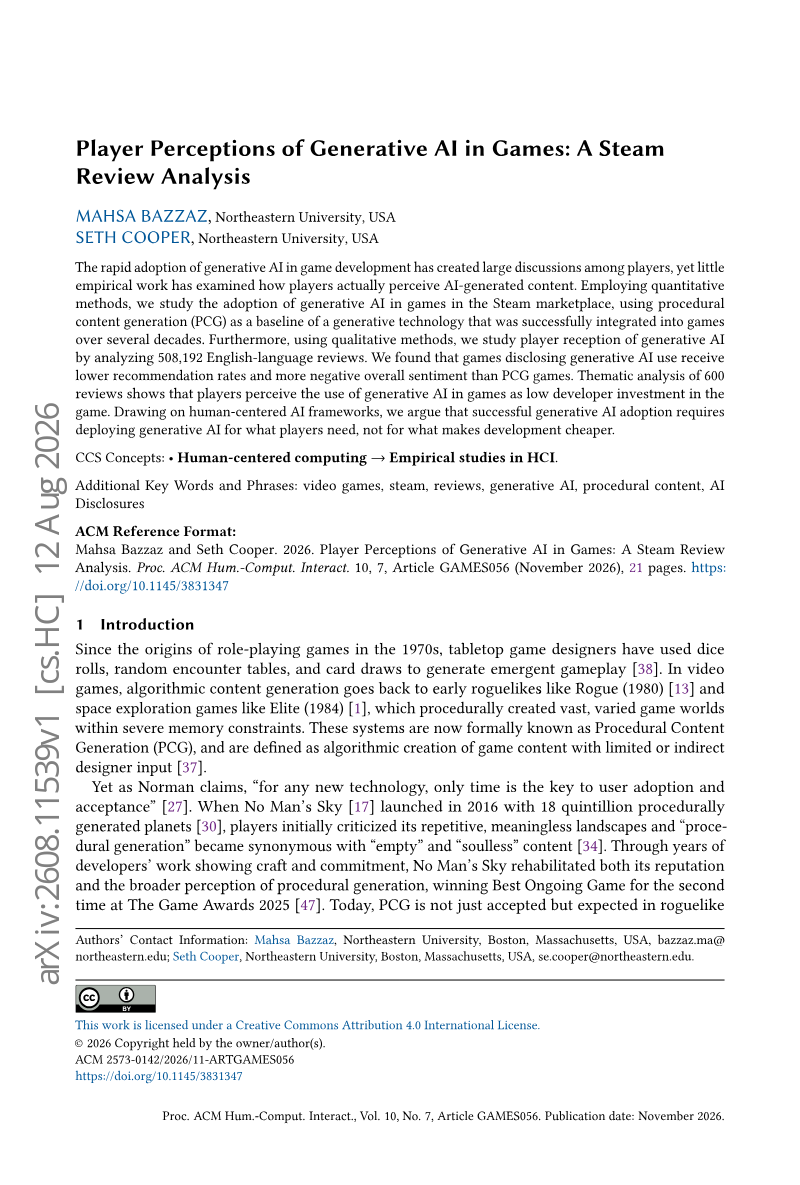
Northeastern University · 2026
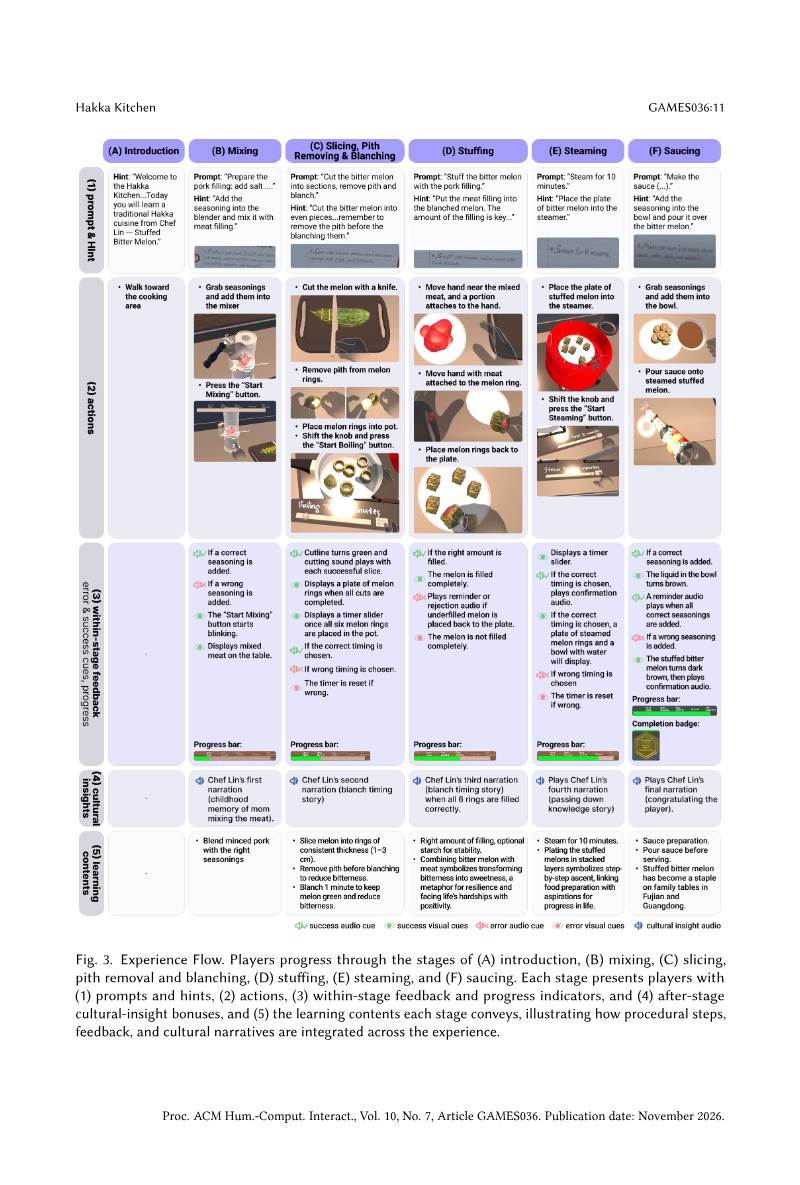
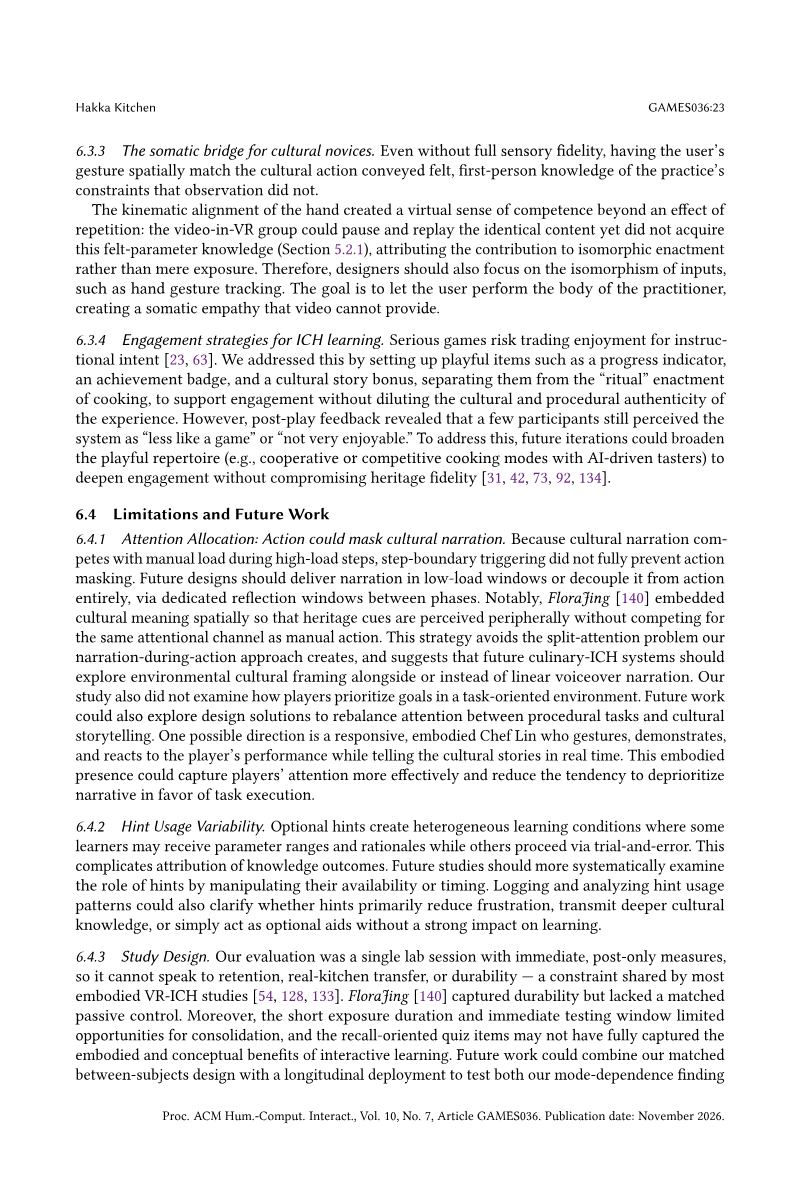
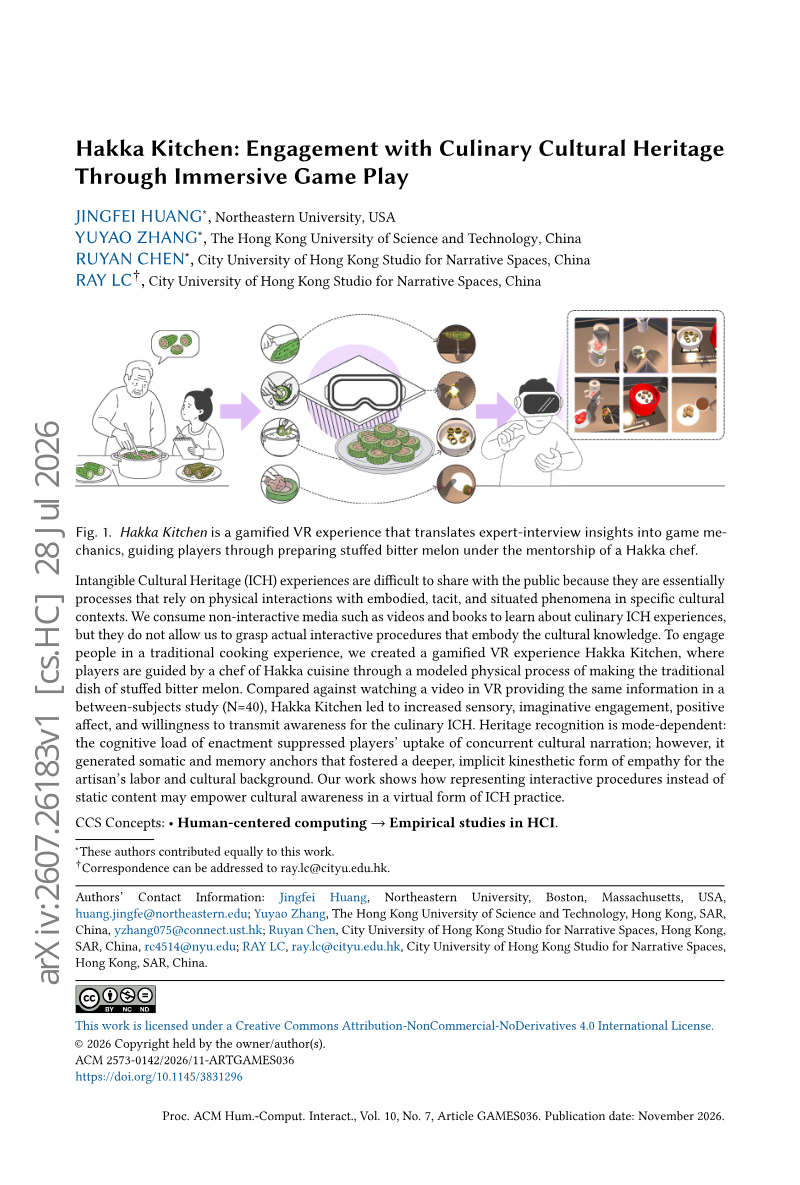
Northeastern University · 2026
Northeastern University · 2025
Northeastern University · 2025
Northeastern University · 2025
Northeastern University · 2024
Northeastern University · 2022
Northeastern University · 2021
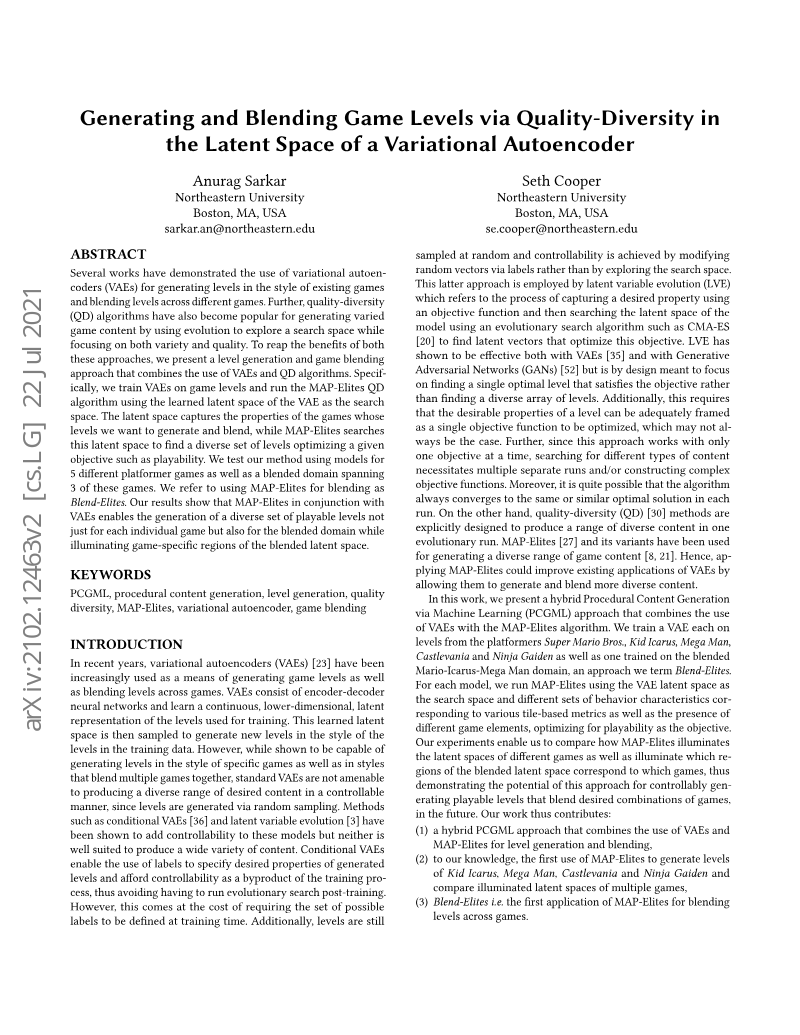
Northeastern University · 2021
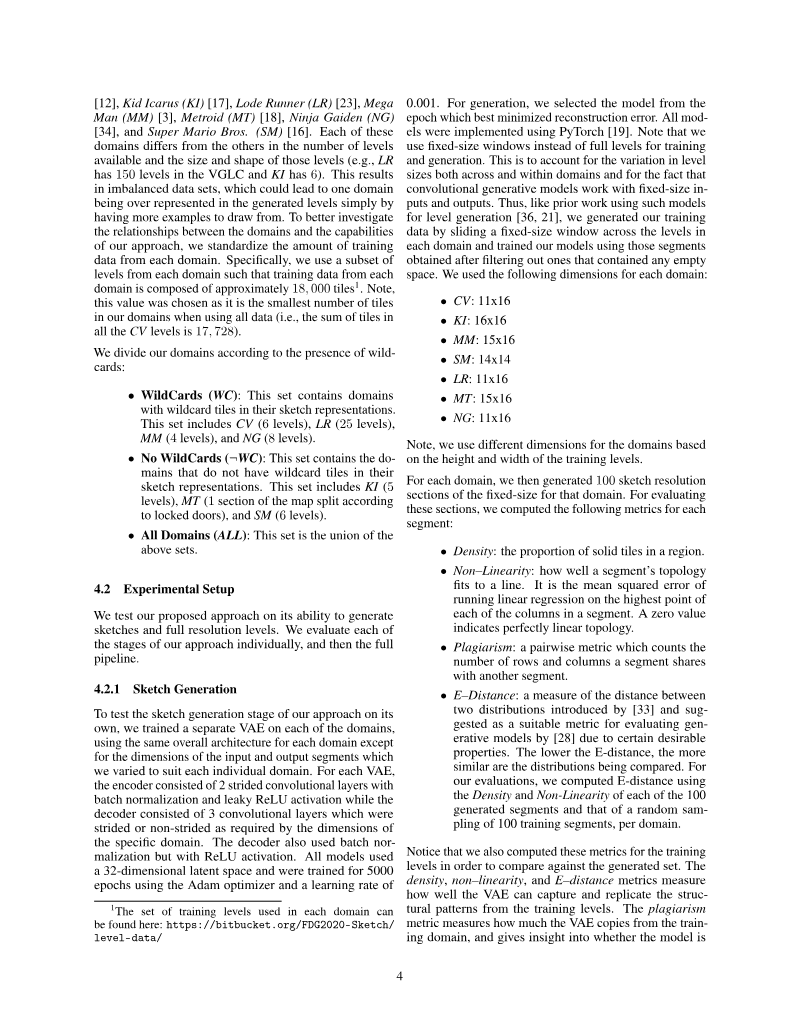
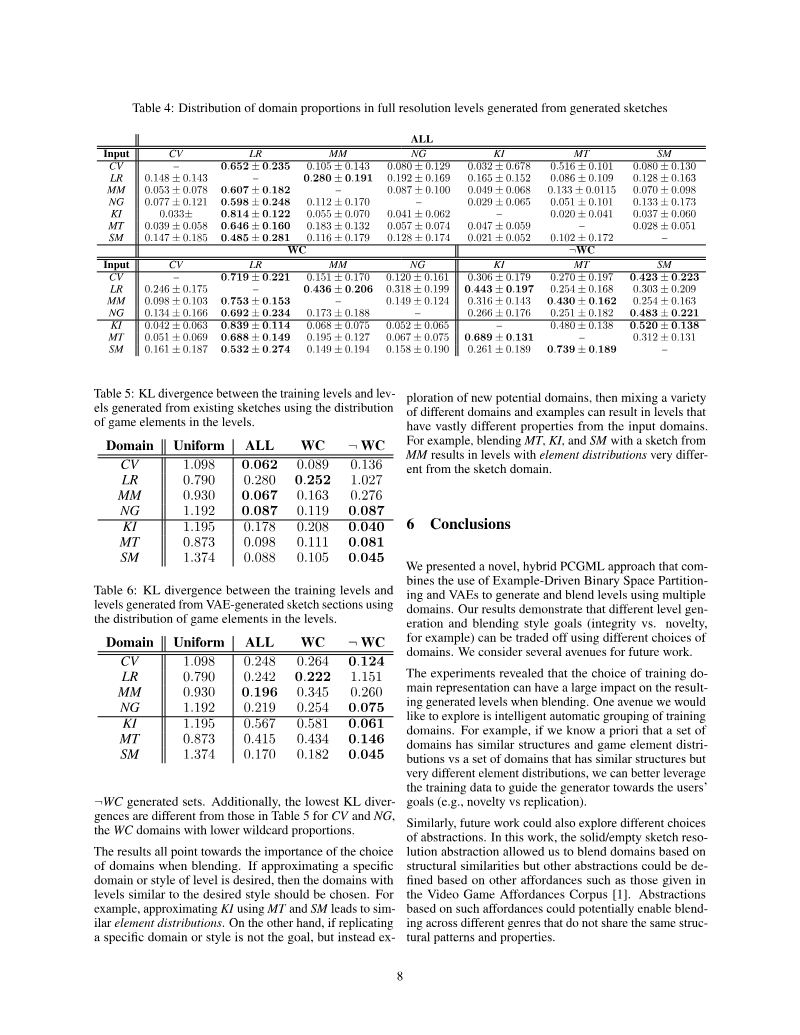
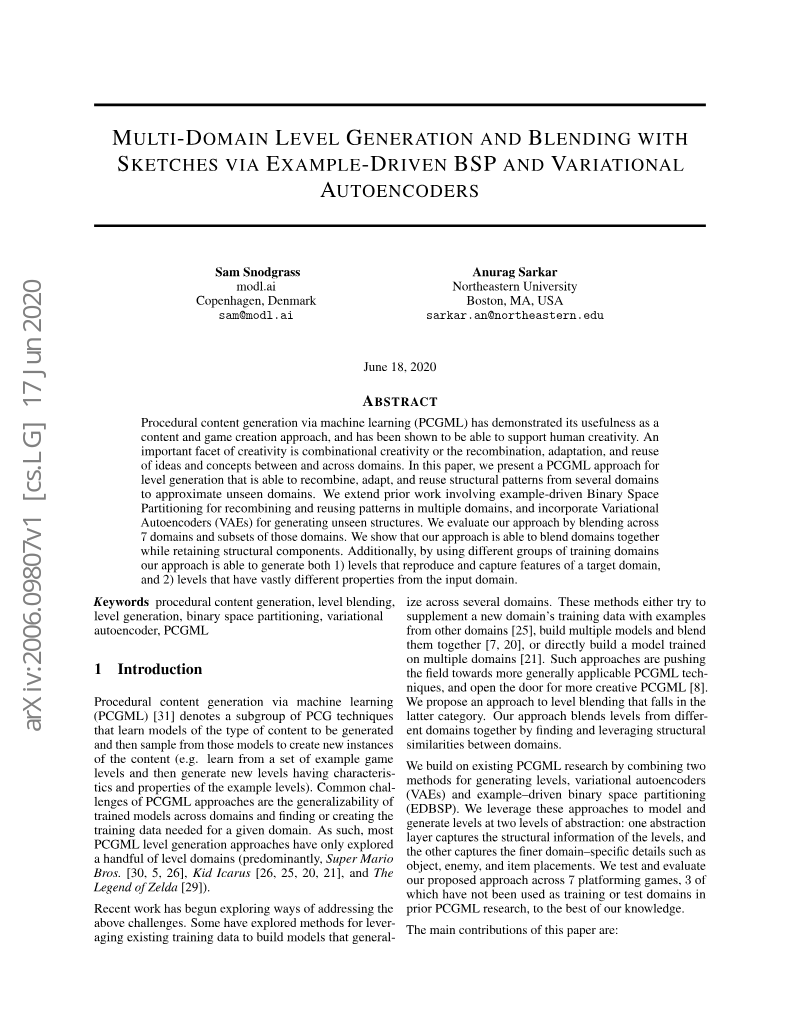
modl.ai · 2020
New York University · 2020
Drexel University · 2020
University of California Santa Cruz · 2026