Loading the document
1 free read left. Create a free account for unlimited reading + AI research.
Create free accountWhitepaper Northeastern University
1 free read left. Create a free account for unlimited reading + AI research.
Create free accountWhitepaperNortheastern University
This rate is significantly lower than the 86.3% baseline for titles using traditional procedural content generation.
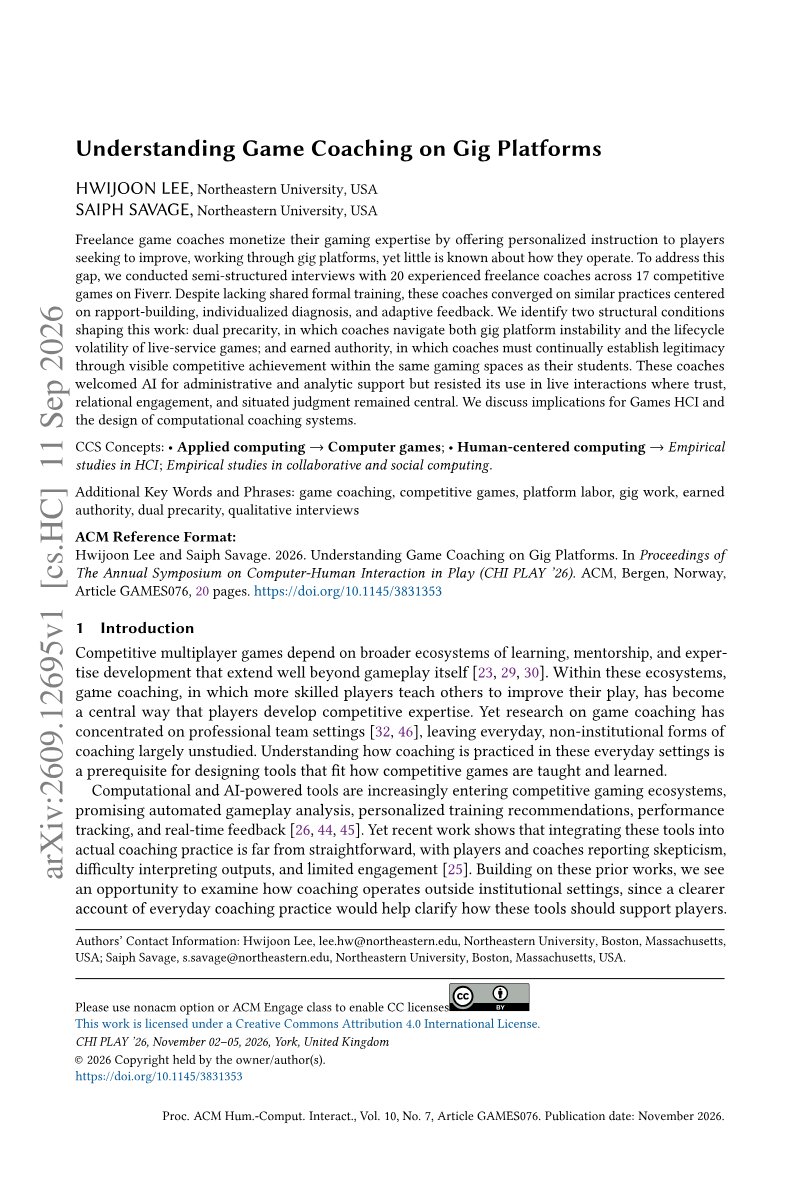
The integration of generative artificial intelligence into commercial video games faces significant resistance from the player base, as evidenced by a comprehensive analysis of over 500,000 Steam reviews between 2024 and 2025. While procedural content generation remains a widely accepted industry standard, generative AI is frequently viewed with skepticism. Titles disclosing the use of generative AI consistently underperform compared to their procedural counterparts, with recommendation rates hovering at 68.4 percent against an 86.3 percent baseline for traditional procedural systems. This reception gap is particularly acute within casual, adventure, and free-to-play segments, where players often interpret the presence of AI as a signal of diminished developer investment and a prioritization of cost-cutting over creative quality.
Player sentiment is driven by a complex interplay of ethical concerns, including the perceived displacement of human artists and a general distrust of developer transparency. Steam’s disclosure labels, intended to foster clarity, have inadvertently exacerbated these tensions when players perceive them as incomplete or performative, leading to accusations of ethics washing. Although Early Access models and extended engagement periods can occasionally mitigate negative reactions, the fundamental barrier to adoption remains the perception that generative AI serves as a substitute for human effort rather than a meaningful enhancement to the player experience.
To bridge this divide, the industry must shift its focus from efficiency-driven automation to human-centered design. Successful integration of AI technology is contingent upon its deployment as a novel gameplay mechanic that directly addresses specific player needs rather than functioning as a tool for labor reduction. Ultimately, the long-term viability of generative AI in gaming depends on developers demonstrating that these tools are being used to augment creative output and improve the quality of the final product, rather than merely streamlining production at the expense of artistic integrity.
Northeastern University · 2026
Northeastern University · 2026
Northeastern University · 2026
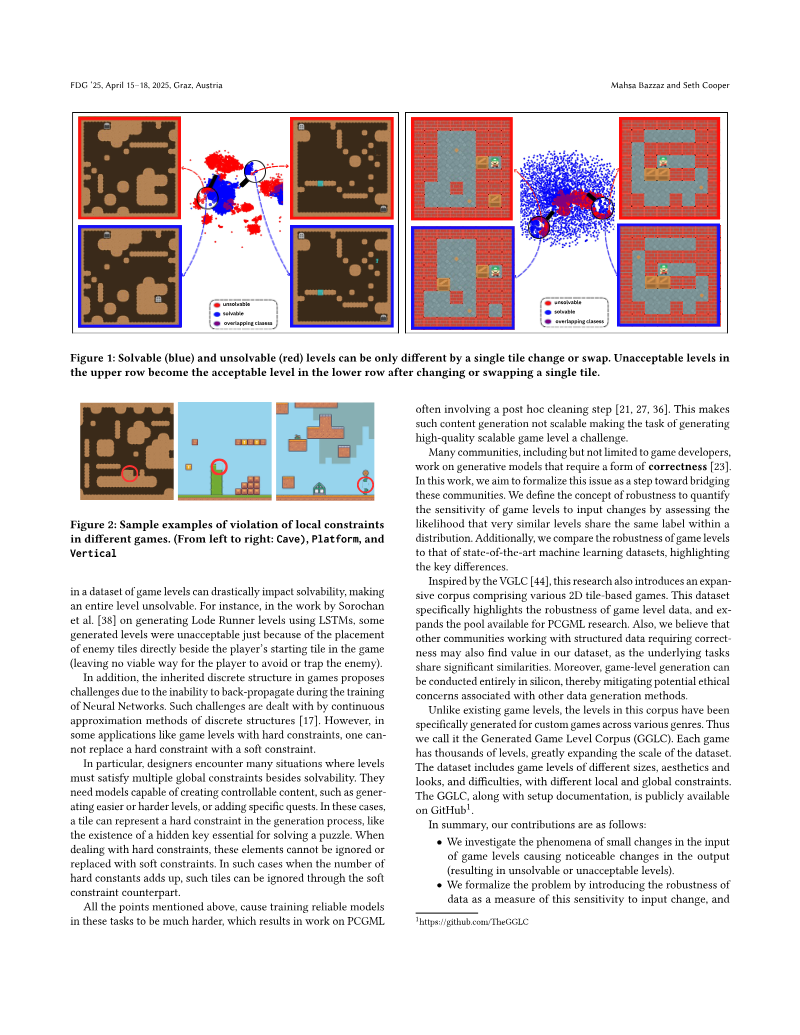
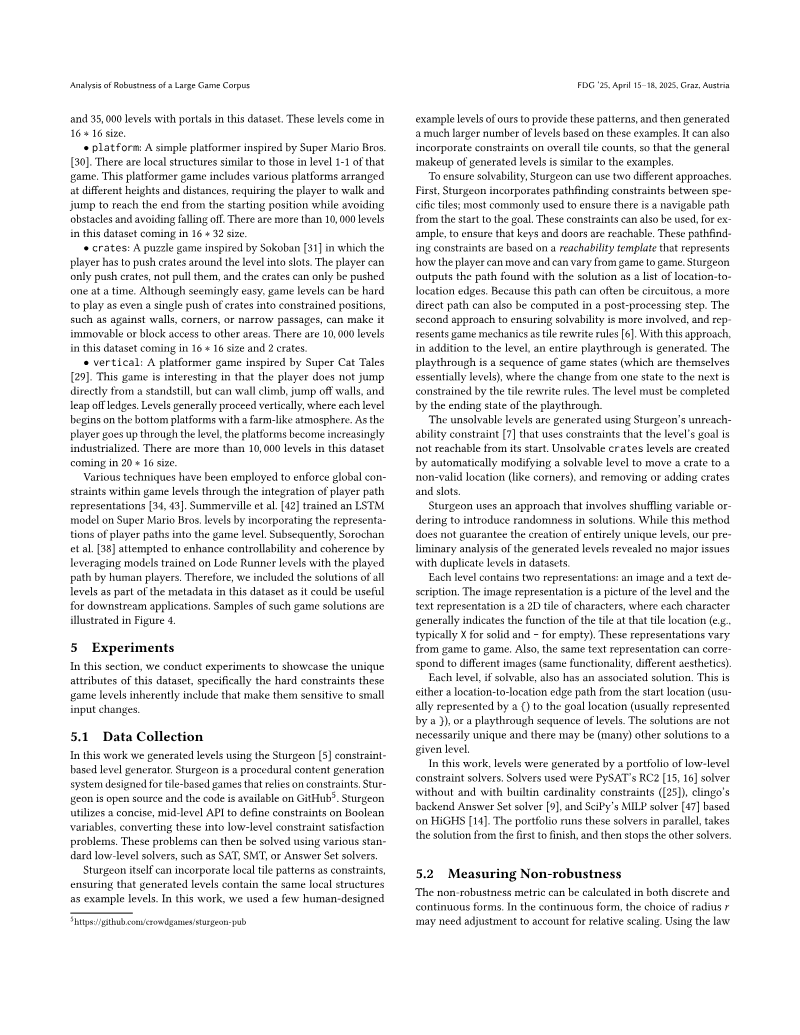
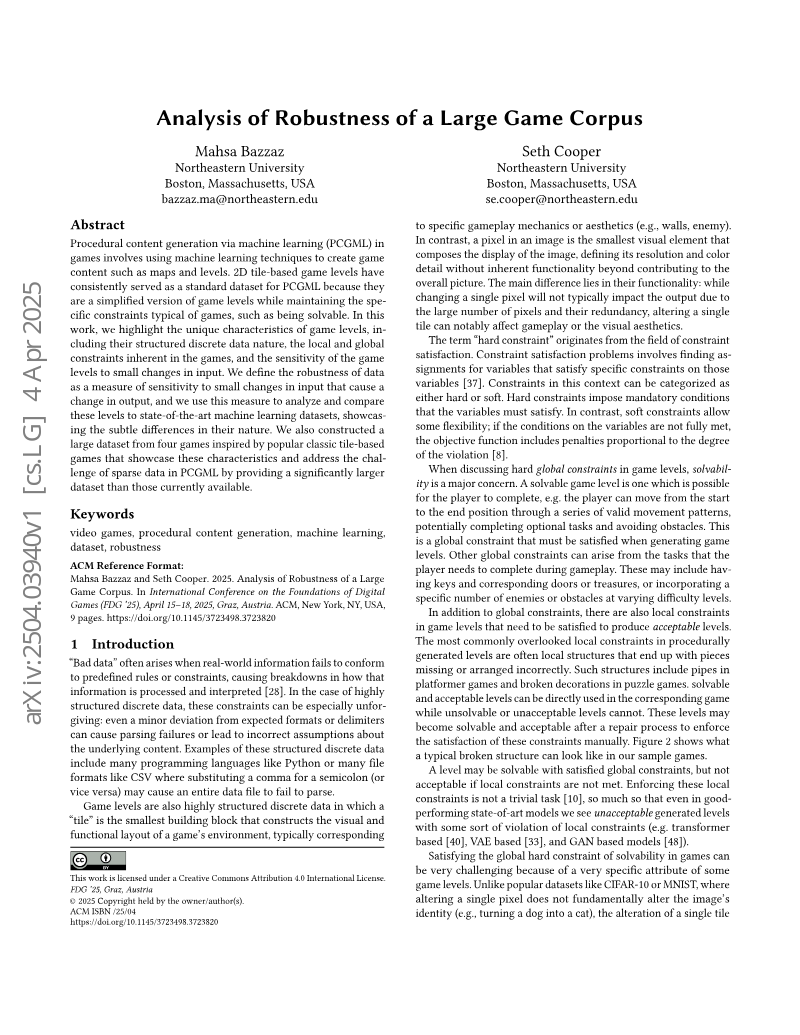
Northeastern University · 2025
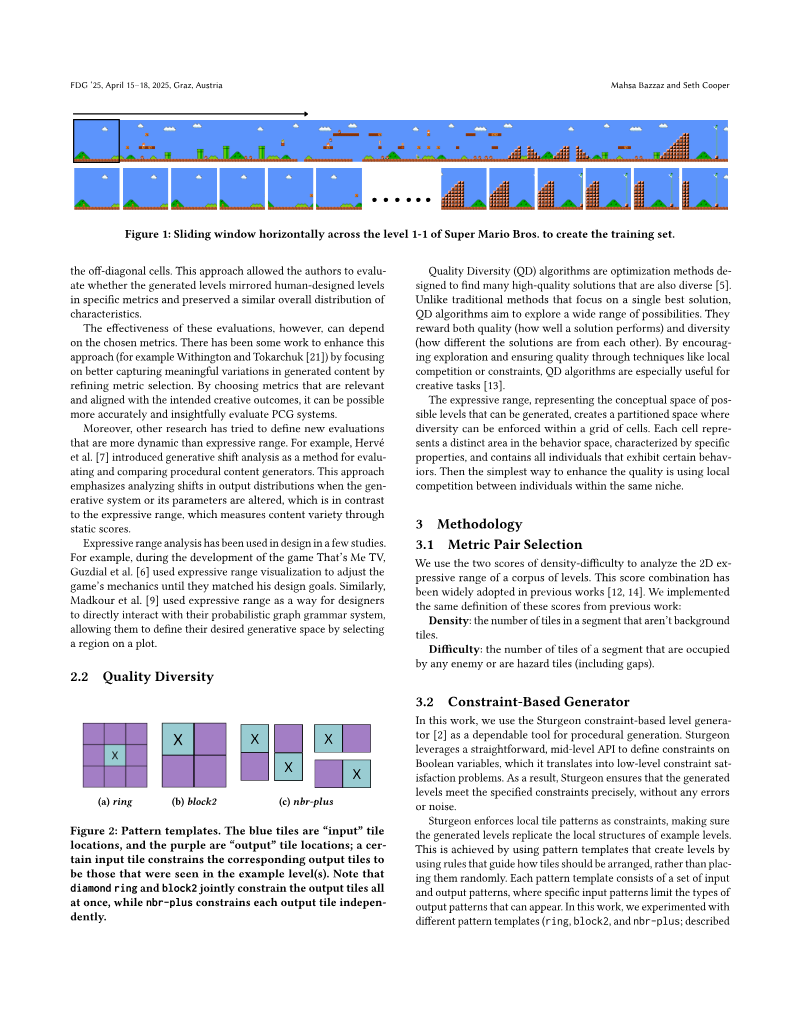
Northeastern University · 2025
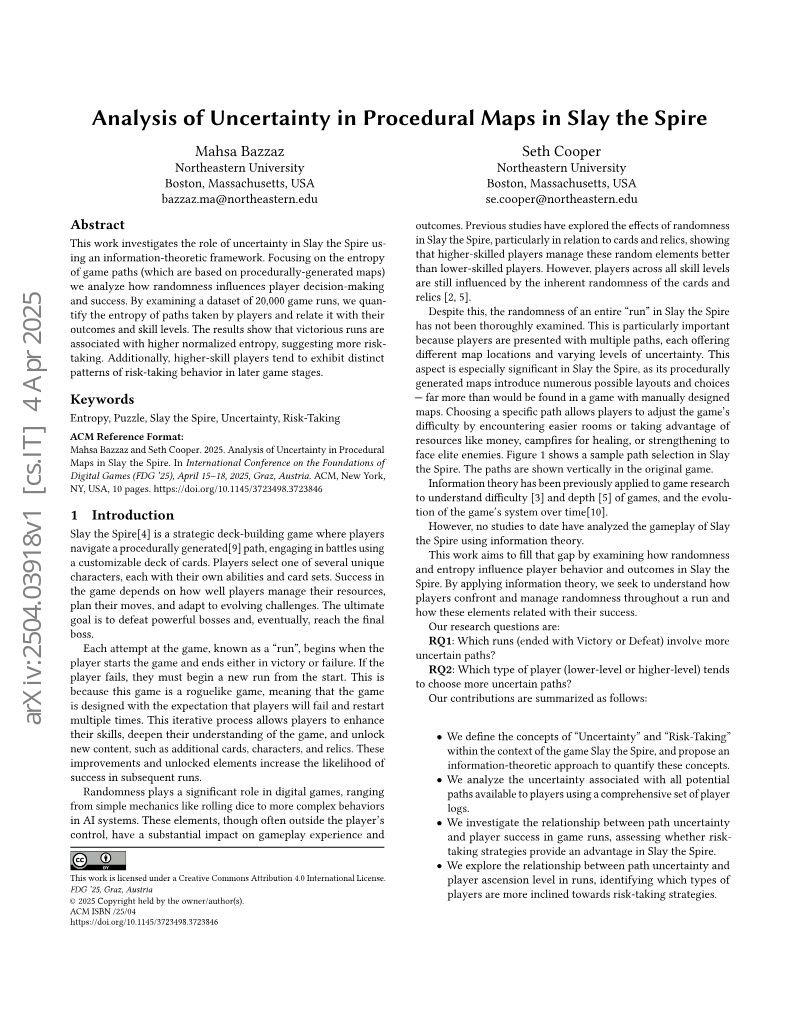
Northeastern University · 2025
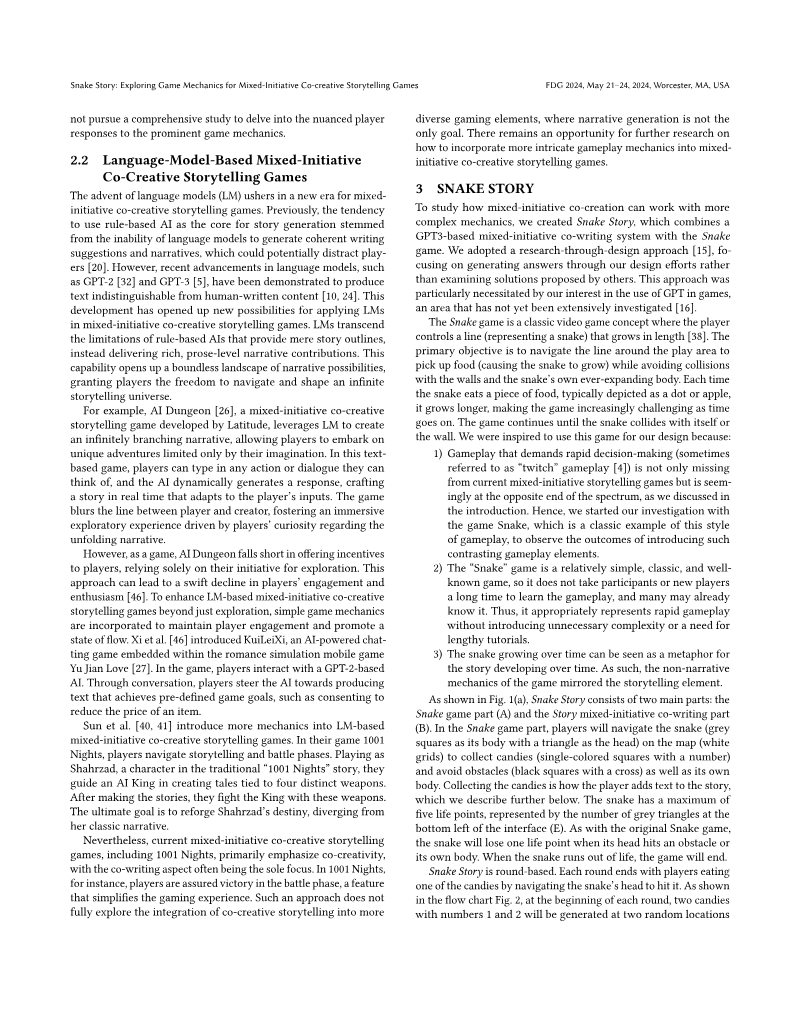
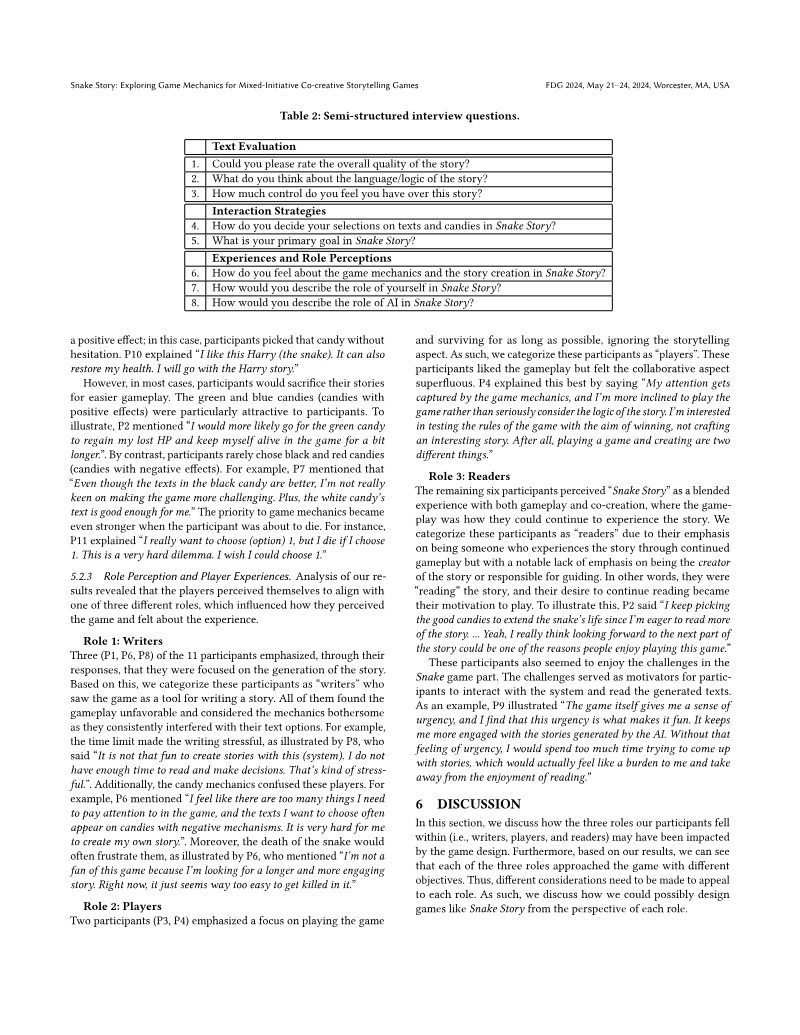
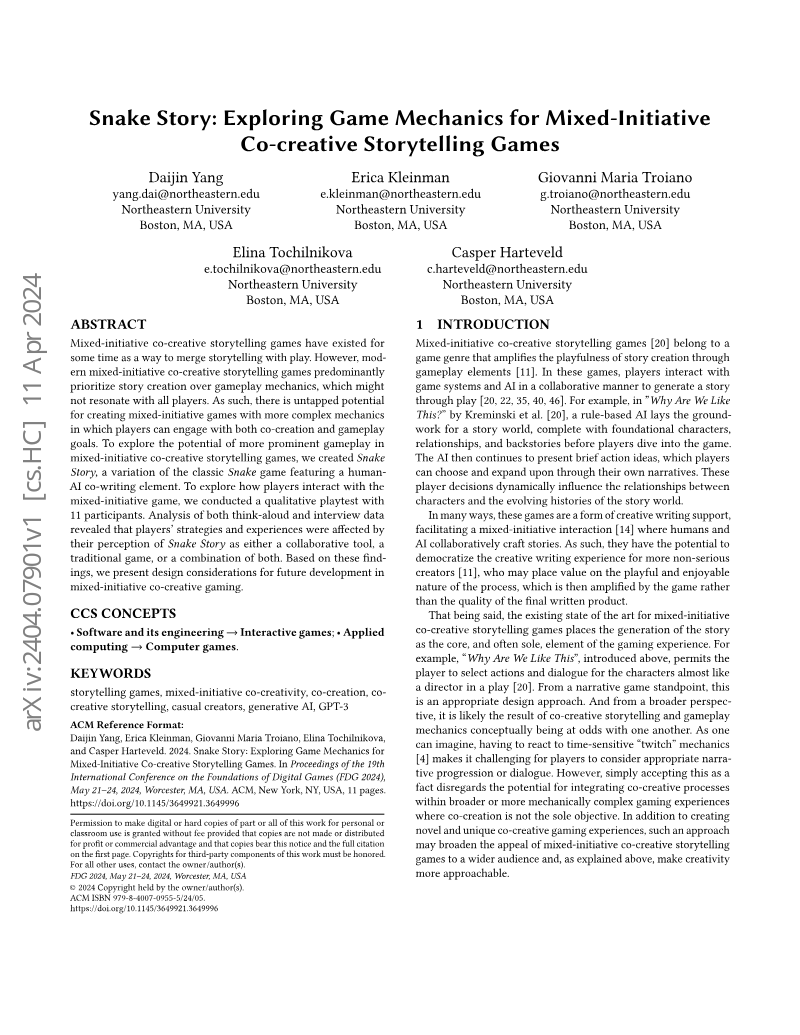
Northeastern University · 2024
Northeastern University · 2022
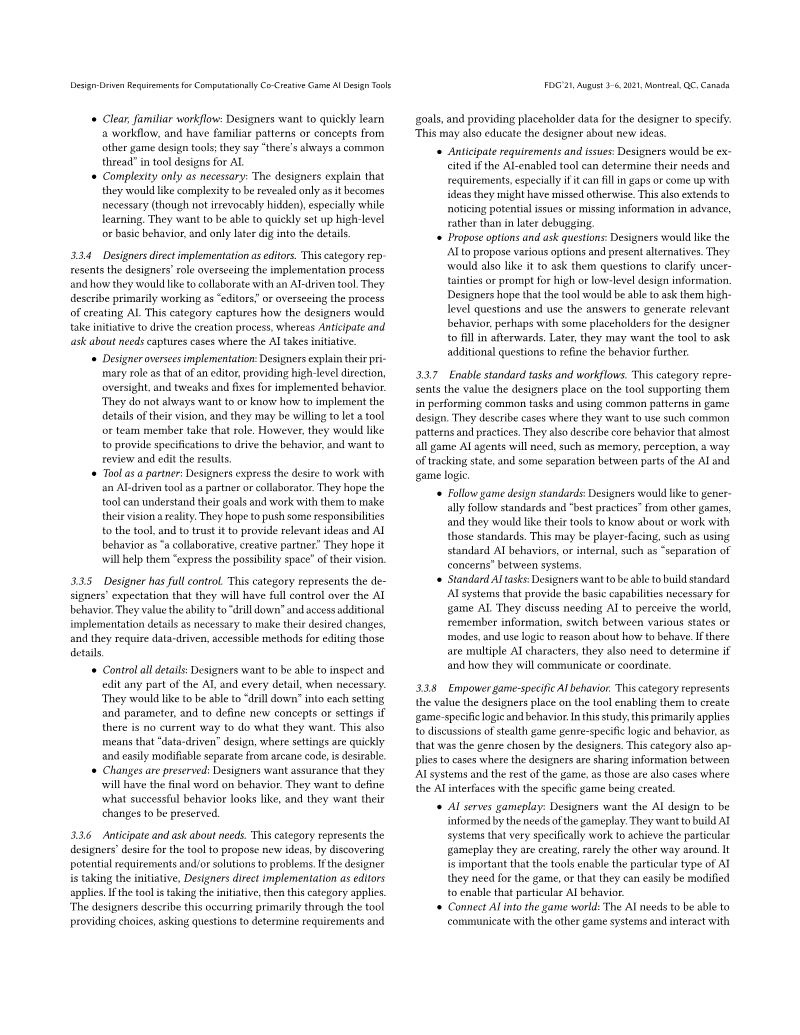
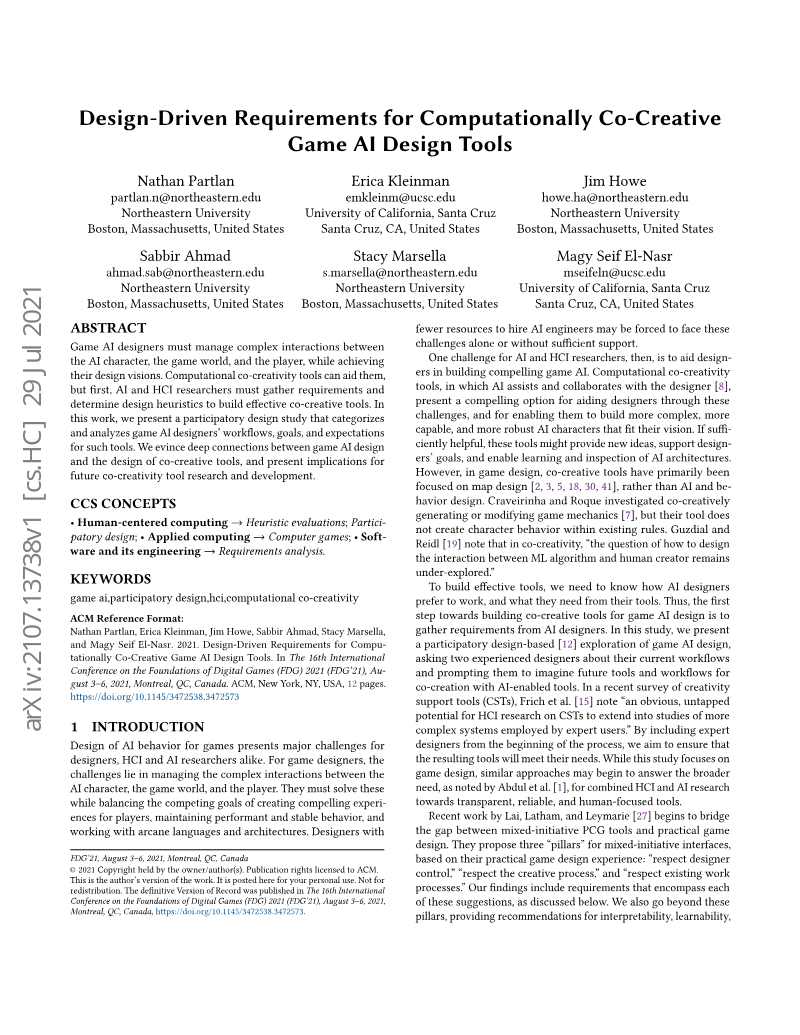
Northeastern University · 2021
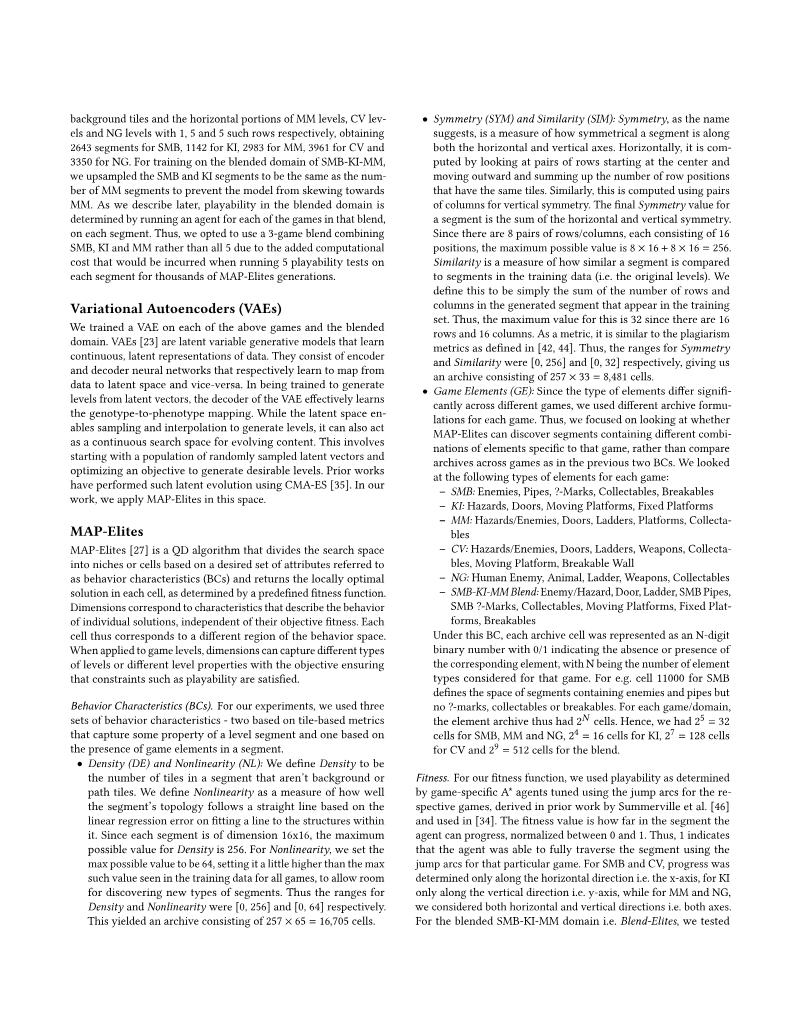
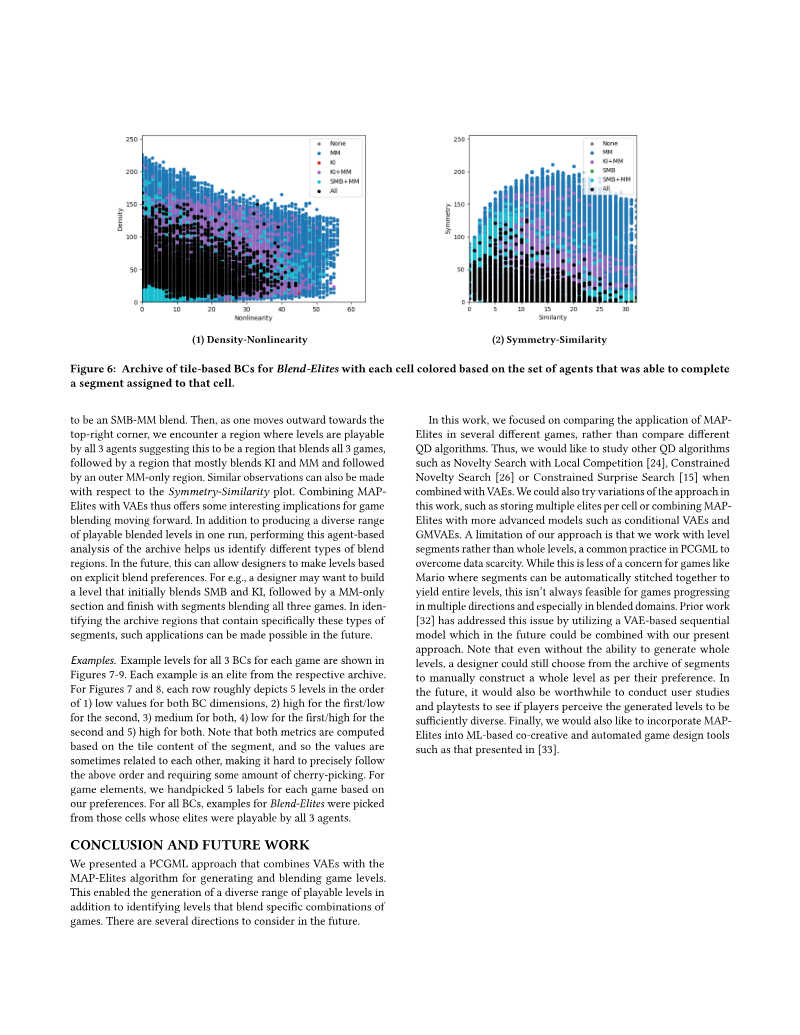
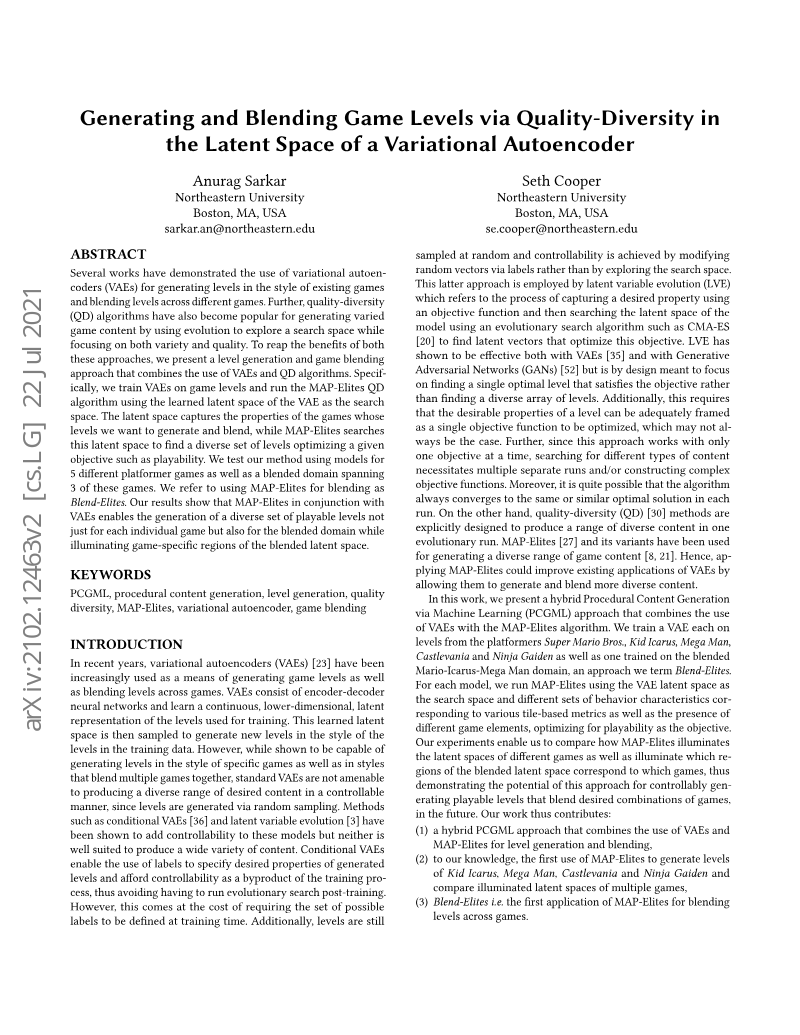
Northeastern University · 2021
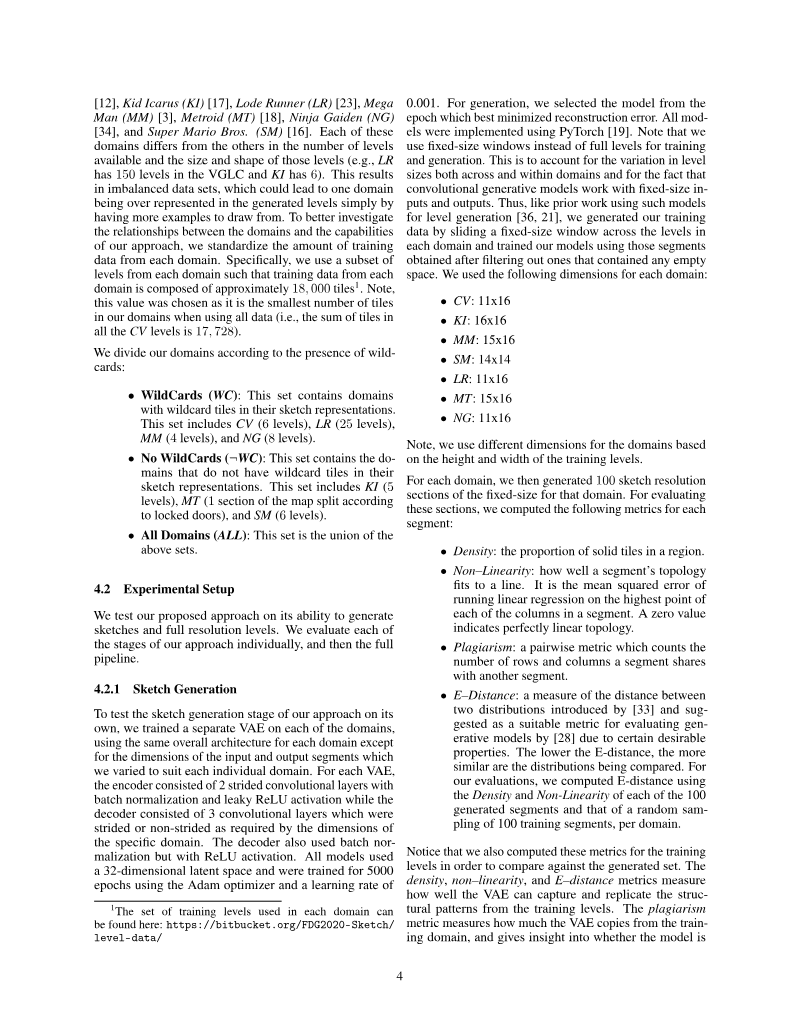
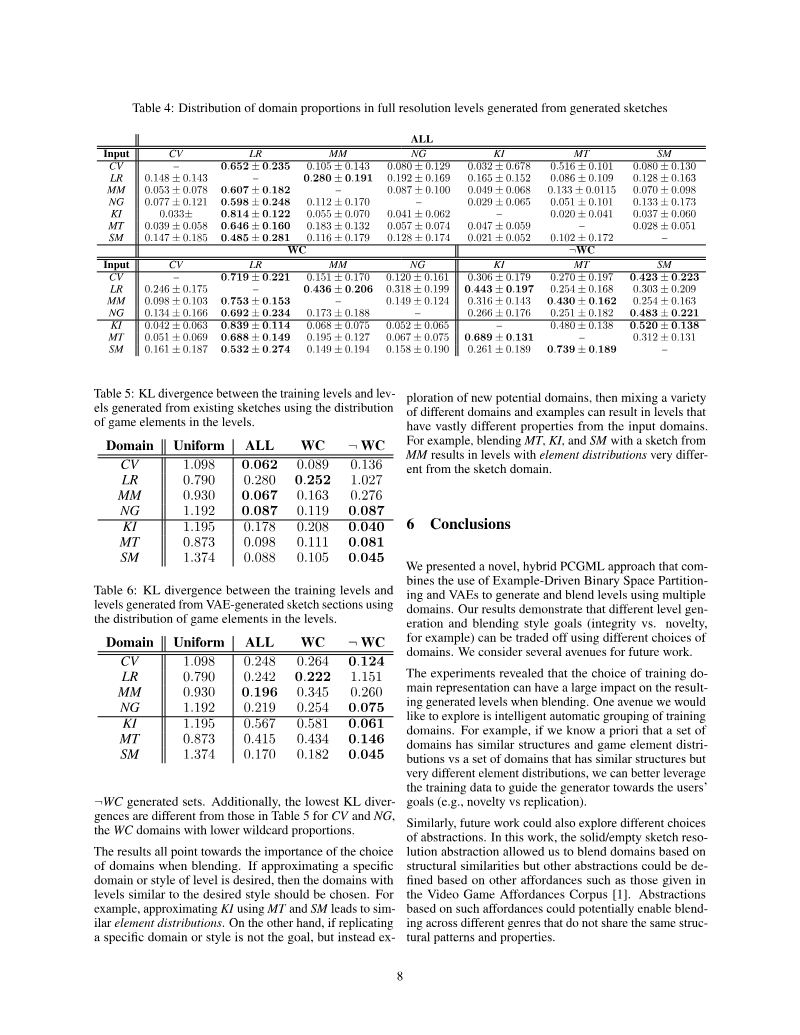
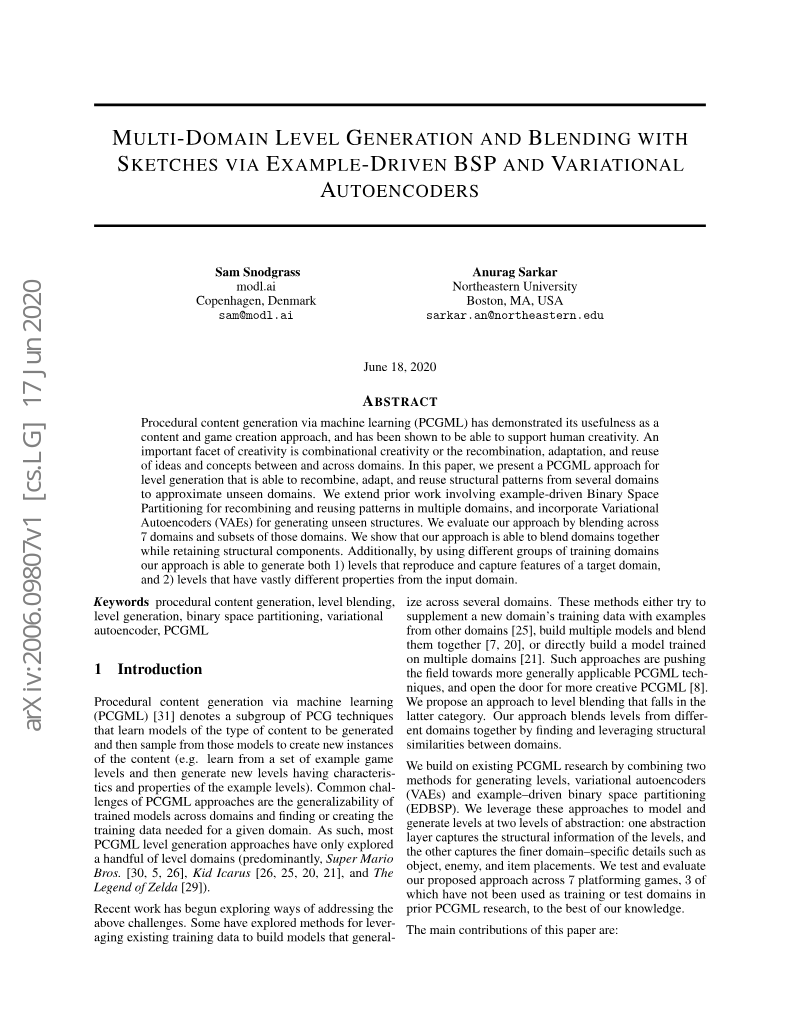
modl.ai · 2020
New York University · 2020

Extra Credits · 2026