1 free read left. Create a free account for unlimited reading + AI research.
Create free accountWhitepaper DiGRA
1 free read left. Create a free account for unlimited reading + AI research.
Create free accountWhitepaperDiGRA
It argues for an intersection of Appalachian studies and game studies, with each parent discipline gaining from the other.
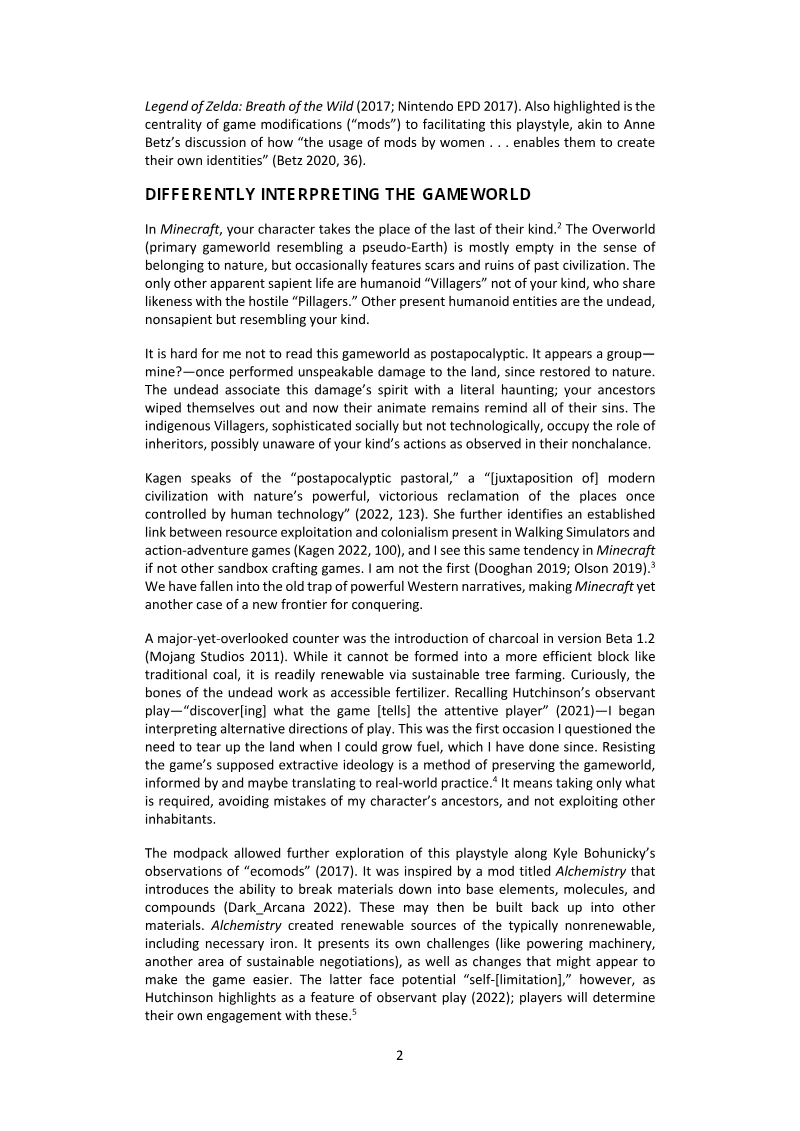
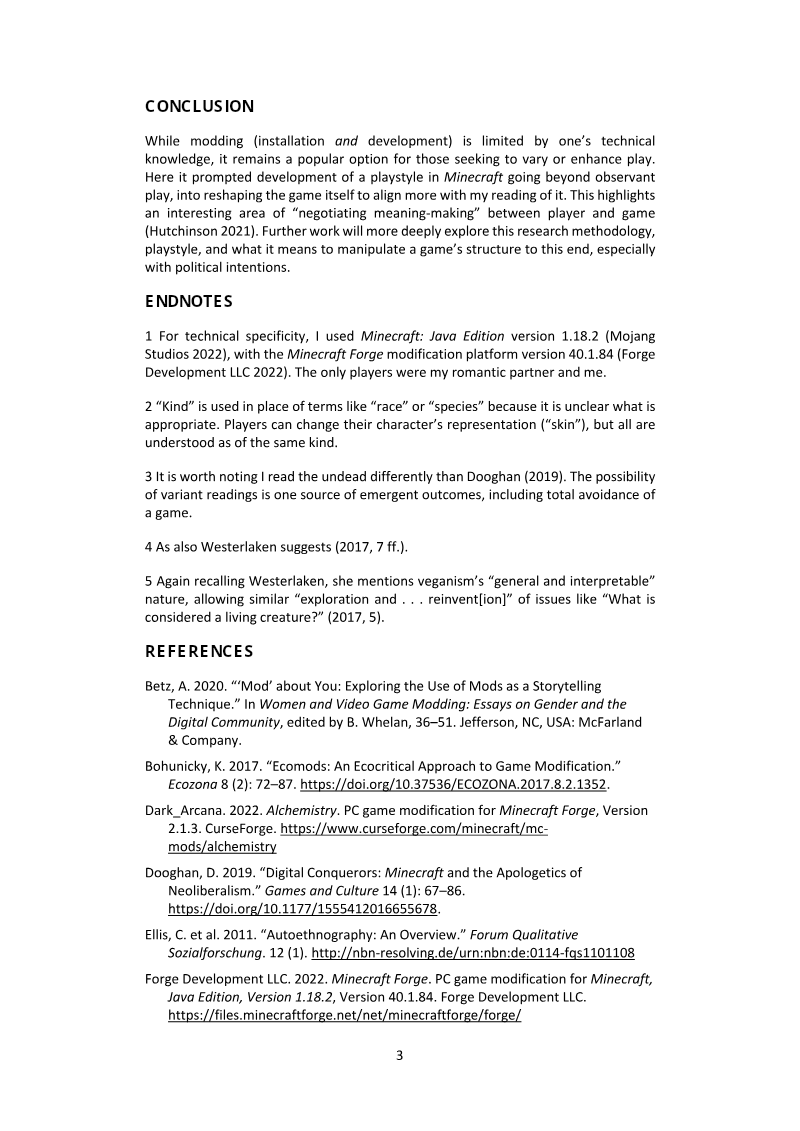
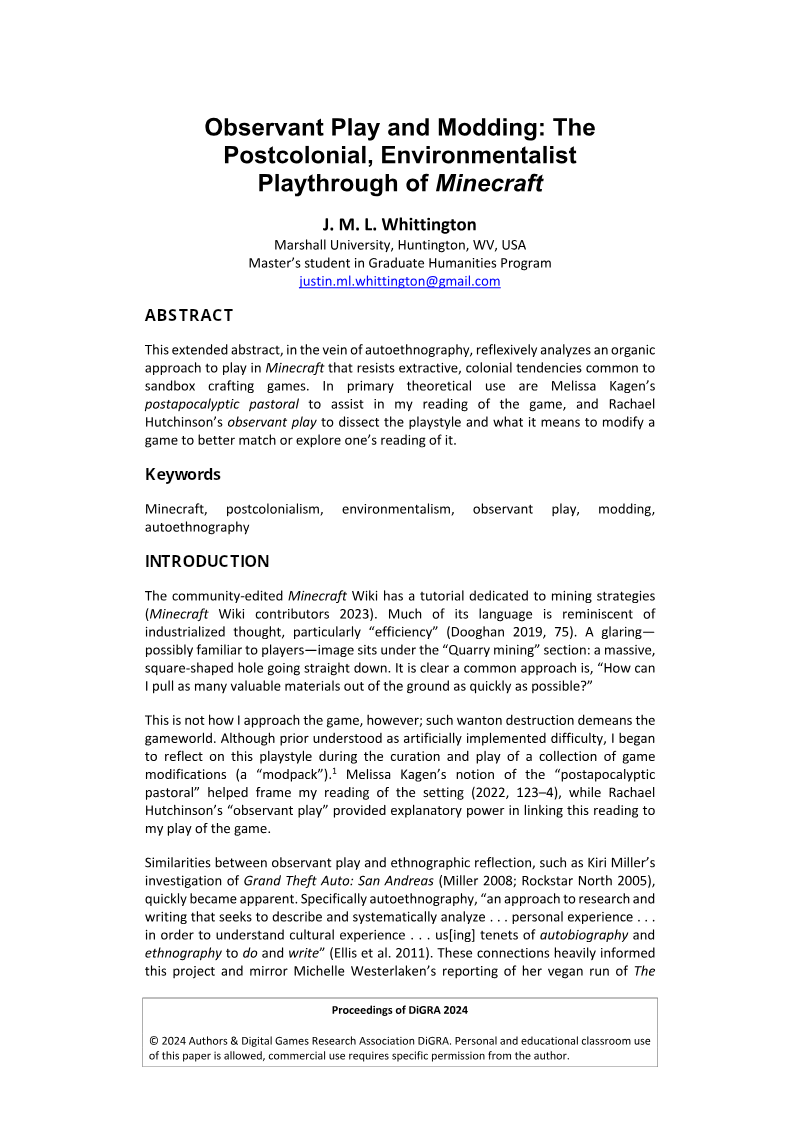
This paper argues for establishing Appalachian game studies as an intersection of Appalachian studies and game studies, drawing on the emerging "regional turn" in game research. Its central claim is that such a field would benefit both parent disciplines: game studies gains insight from a rural, historically underexamined culture, while Appalachian studies gains a new lens for examining regional representation, power dynamics, and cultural reclamation. The author situates the proposal within the internal colony model that has long framed Appalachia's underdevelopment, while acknowledging critiques that postcolonial analogies can overreach or reduce complex histories.
The paper surveys a broad range of Appalachian presence in play. It cites video games such as Fallout 76, Nights in the Woods, and Kentucky Route Zero, as well as the early text adventure Colossal Cave Adventure, which was inspired by a regional cave system. Tabletop games like Rage Across Appalachia, Holler: An Appalachian Apocalypse, and Old Gods of Appalachia are noted, as is the podcast The Adventure Zone. Representations are shown to be mixed, combining reclamatory elements with harmful tropes such as the association of Appalachia with the supernatural. Beyond digital and tabletop media, the paper points to regional play traditions including stock car racing, which has roots in moonshine-running, independent professional wrestling, historical child play in coal mining communities, and present-day mudding culture.
The paper's argument rests on a qualitative, conceptual review of existing scholarship, media examples, and documented regional practices rather than on original empirical data, survey samples, or systematic statistical analysis. Its primary contribution is a proposal and research agenda, identifying understudied areas, such as non-digital and rural play, for future work. The author frames the expected outcome as a richer understanding of how regional identity, exploitation, and resistance are expressed through games, and as a potential source of allies for Appalachian communities seeking to counter narratives of isolation and stagnation.
Each row is a game or company this document names, each column a document, oldest first. A mark means that document names it. Select a row to see those documents.

DiGRA · 2026

DiGRA · 2026



DiGRA · 2026
DiGRA · 2026