VideoJason Schreier
The Video Game Publisher That Lost Its Entire Staff Overnight
3 Aug 202619 min video
Transcript
Hello, One Take Schrier here. This week marks the release of a new video game called Beast of Reincarnation. And this game, Beast of Reincarnation, is made by Game Freak, the company behind Pokémon, and it is published by a company called Fiction that you've probably never heard of. They are a new publisher that just started last year, and they've actually got a really interesting dramatic backstory that I wanted to get into today because this is This is a fascinating one. Buckle up. This is This is a bit of a ride. Um this this what I'm about to share in this video is based on reporting I've done for Bloomberg over the last couple of years, and as always, I will share some gift links in the show notes. So, our story begins in 2016 when a woman named Megan Ellison, the daughter of Larry Ellison of Oracle fame and the brother of David Ellison of Paramount fame, is trying to buy Warner
Brothers. Um Megan Ellison decided to start a video game division of her film production company Annapurna. She [snorts] wanted to start this company this this game division called Annapurna Interactive, and to do that, she went and recruited a guy named Nathan Gary and his team. Now, Nathan Gary was pretty well known within the video game industry, not a public figure by any means, but known within the video game industry as someone who had been responsible for producing and shepherding a lot of indie games at PlayStation. Um so during if you remember, I am kind of the early 2010s, starting around 2010, PlayStation had this string of games that were um not necessarily published by PlayStation, but like involved in PlayStation platforms, supported by PlayStation in some way or another. Games like Journey and Flower and um several others. Um uh Edith Finch. There were There were are bunch of games on on that list. Journey was the biggest one. Journey came out in 2012 and sold a bunch of copies, um got rave reviews, critically
acclaimed, etc. etc. So, these were all shepherded and kind of produced on the PlayStation end by Nathan Gary and his team. So, Allison recruited them to start Annapurna Interactive. Nathan Gary brought with him a bunch of folks including Deborah Mars and a guy named Hector Sanchez, who we'll get into in a sec. Um so, they all came over.
[snorts]
Um and they did pretty well. Uh they wound up publishing games like Outer Wilds is the most notable one. Um Kentucky Route Zero and Cocoon. Um a little bit later they would publish Stray, which was another big hit. That that game where you play as a cat. And um Annapurna Interactive it seemed like it was firing on all cylinders. They were making money, they were getting critically acclaimed games, etc. etc. Behind the scenes there was a little bit of drama because Nathan Gary and Hector Sanchez came to blows. They were not they did not see eye to eye. They had some issues with one another and Hector um wound up I mean, there's there's a little bit of drama here. I mean, there was kind of like uh back and forth. I won't go into all of
it, but like um Nathan Gary felt like Sanchez was kind of like uh sucking up to Allison from what I understand, talking to people who were involved in all these situations. Um there was an incident where Hector Sanchez was um was uh accused of two women of making unwanted romantic advances towards them, women who worked within the the organization. Um which they said made them uncomfortable. I talked to two of those women who who both told me um at the time that they felt uncomfortable with the situation. Um Sanchez uh tried to take a position as head of the internship uh division and uh Nathan Gary wound up blocking him from getting that position, which lead led to more drama and Hector Sanchez wound up walking away from the company around 2019 and went over to Epic Games. Um, so anyway, Annapurna keeps going. Um, Megan Ellison actually winds up taking Nathan Gary and Gary and saying, "Hey, uh, why don't you help me out with
uh, Annapurna Pictures, like the the film and TV, like the the entire company and become president of the whole division. Um, because our film and TV department is not doing as well as our games division. And so maybe you can help oversee the whole thing." Um, which uh, again led to some kind of some conflict, some drama. um, it seemed like uh, there were there were kind of culture clashes. Nathan Gary wound up pushing out some executives there. And there had always been kind of friction between the film and the video game departments at Annapurna um, for various reasons. Again, I won't even get get into all the nitty-gritty details, in part because I don't know them all. But my understanding is that there were some clashes. Um, they launched an animation division in 2022 and actually found some success um, for like one of the first times with this uh, uh, uh, film called Nimona. Um, that uh, that Megan Ellison was like personally very proud of. Um, but there were still issues. The video game people felt like they were paying the bills for the company while the film TV division was was floundering, etc., etc. Um, Megan
Ellison eventually grew unhappy with Nathan Gary's performance as head of the entire company. And uh, there's again, there's a lot of kind of you could hear different sides of the perspective. Um, essentially Nathan Gary like uh, uh, Annapurna and and Ellison felt like Nathan Gary was like taking away the company's focus to prioritize gaming. Um, whereas the Nathan Gary faction of it all felt like they were getting interfered with and having all sorts of issues. I mean, like one story that I heard from a bunch of people uh, who were involved is that like um, uh, at one point Megan Ellison would kind of like dip in and out of the company. Uh, kind of like her focus would be like, "Oh, okay, now I'm focusing on the company. Now I'm not. Now I'm focusing on the company. Now I'm not." Um, there was this big contract negotiation they were doing. This is a story I heard from some of the people who were in the room there. There were this There was this contract negotiation and this room full of lawyers and executives was just kind of waiting because they needed Ellison to come in and and sign and agree to the deal. Um, and suddenly her assistant walks in and
is like, "Oh, Megan isn't going to be showing up today." And they had to reschedule for the next day. They had all come out just for this. So, that's the type of thing that like the Nathan Gary faction would complain about. Needless to say, this all came to a head. And so, what happened, this is my favorite detail of the story. What happened is in February of 2024, at the DICE convention, which is a a gaming executive and kind of schmoozing convention in Las Vegas in the Aria Hotel in Las Vegas, um, Nathan Gary and his team were having dinner at a restaurant, um, when Geoff Keighley walks in. And Geoff Keighley comes to them and this is, according to people who were in the room, who who heard this conversation. Now, Geoff Keighley comes up to Nathan Gary and says, "Hey, I just saw Megan Ellison eating dinner with Hector Sanchez." Which raises all sorts of alarm bells among Nathan Gary and his team because Hector Sanchez had left the company years ago. And of course, Hector Sanchez and Nathan Gary did not get along. So, it felt to the the Annapurna Interactive people like things might be going awry soon. And sure enough, they
did. Um, March 2024, about a month later, Megan Ellison has a meeting with Nathan Gary and things go totally hostile and awry. Nathan Gary winds up leaving. There's some dispute over whether Megan Ellison fired Nathan Gary or he left on his own, but regardless, he winds up leaving. Um, Ellison fires one of his top executives as well, and it leads to just a complete show of a situation. Weeks of people resigning, um, Megan Ellison holding video calls with the staff, um, proposing that like all sorts of other permutations for how to get out of the situation. She proposed that she winds up proposing that like they start a new company, um, that like is jointly owned by the Annapurna Interactive people and also Megan Ellison and they would like bring back people and it winds up actually going pretty far. They wind up coming up with a name Versed and like taking about to be taking that step as like starting a new game publisher company, but then it all falls apart. Um again, people both sides dispute like why it fell apart. Um one side, the the Versed side,
says they like were asking to meet in person rather than going back and forth in email over these like minutia. The Annapurna says they sent out this list of negotiating terms and Versed didn't respond properly and whatever the reason, by August of 2024, Megan Ellison had terminated the deal. Um around the same time, also more adding more fuel to this dramatic fire, uh people learn from an article in The Hollywood Reporter, not like an internal announcement, but an article in The Hollywood Reporter, that Megan Ellison has brought back Hector Sanchez to come work for the company as president of interactive and new media. So, basically running uh big budget games and out of patience and other stuff that is kind of like it it's it's eyebrow-raising raising for the people who work for Annapurna Interactive. Um Megan Ellison and Hector Sanchez had remained friends um even after he left and they'd been talking about working together, hence that dinner at DICE in February of 2024. So, um this all comes to a head when every
single member of Annapurna Interactive staff all gets together and says, "We are going to resign." This is about 25, 26 people, something like that. They all say, "We are quitting at once." Um and you can see the the the story that I ran when I broke the news at Bloomberg in the show notes where I talk about how all of these people left at once cuz it was pretty crazy. I mean, a lot of times when executive drama happens at a company, you might see some resignations, you might see some turmoil, some people getting replaced here and there. I've never once seen up until this. This is the only time I can I know of where the entire publishing department of a game company has all quit at the same time. It's It's wild stuff. Um their plan is essentially uh they don't have like investors lined up or any sort of concrete plans lined up, but their plan is they're thinking to themselves, we have this track record of success, we have this unit together, we could figure something out. We can start another publisher, find a way to do this. Um and sure enough, by the spring of the
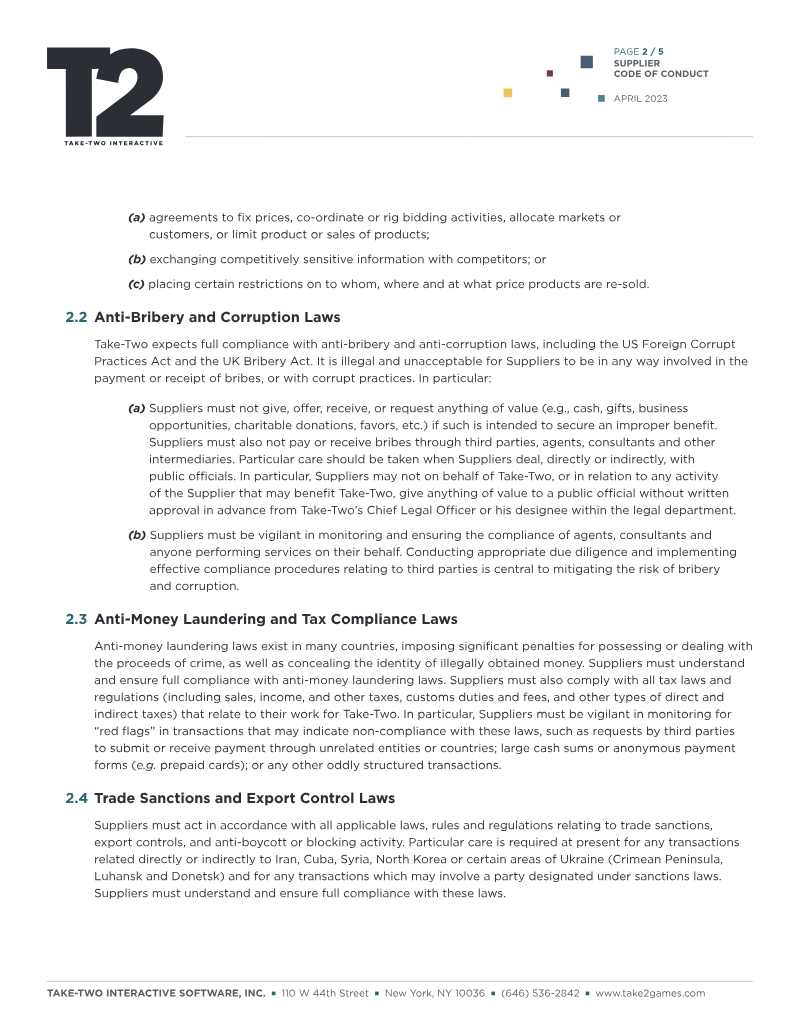
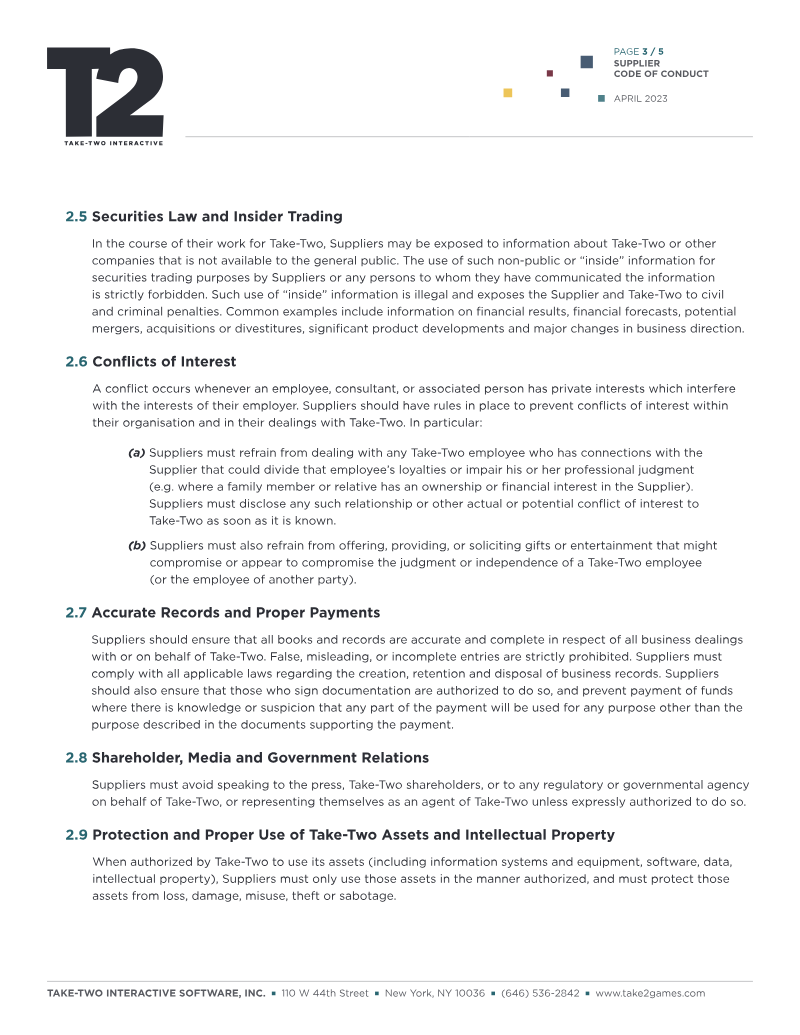
following year, March or so, they have lined up a deal with a an investment group called Haveli Investments. And then they wind up buying the portfolio of another publisher called Private Division. Now, Private Division was an and division of uh Take-Two Interactive that had been responsible for a whole bunch of games that was kind of like Take-Two's attempt to do kind of the double-A {slash} top-tier indie world. Um they made games they published games like Outer Worlds, um not to be confused with Outer Wilds at Annapurna, so a little bit of a difference there. Don't don't get them don't get them Make sure you get them straight. Um Outer Worlds, um uh that game from Patrice Désilets uh that was called Ancestors, um and then a bunch of other stuff, including a lot of flops. They had actually two really big hits right out of the gate and then uh a bunch of stuff that did not perform nearly as well. Um but Private Division still had these games moving forward and Take-Two was no longer interested. They had been kind of like slowly, gradually
winding down Private Division, for getting rid of people laying people off and just kind of scaling down the portfolio. You might remember we also broke the news at at Bloomberg that they had shut down the studios behind um uh uh Kerbal uh Kerbal 2, and um uh OlliOlli and Rollerdrome, that that studio Roll Seven in the UK. Um and that was kind of a weird moment where like Take-Two denied that they had shut down those studios even though they had, which was just a strange thing. But anyway, so um so this new company uh led by Nathan Gary and the Annapurna interactive people who had all quit, winds up inheriting the entire private division portfolio and they call themselves Fictions and they wind up publishing a string of games that Private Division was going to publish. There was a Lego game last year. I always forget which one it is. I'm going to have to hold on. I'm going to look this up. Uh Fictions Inc. Lego game. One takes dryer here. Lego Party, that was it. Cuz there was another one. There was like a Lego
What was it? Lego Adventure? That was actually purcha- published by Annapurna. There were like two competing Lego games by these two publishers, which just more bizarre. This The story is like too bizarre to even believe. Anyway, they published that Lego game and now they are publishing Beast of Reincarnation. So I'll get to that in a second, but as this is all happening, Annapurna, they are still trying to recover and what really like screws people over is that or the people who really get screwed over in this is that there are developers working on games for Annapurna and then their entire publishing division quits. So like imagine you were working on a game developer. Remember last week we talked about what publishers do. So remember it's not just getting funding, it's also a lot of marketing support and localization support and just kind of other like forms of support that you need. Imagine you're working with a publisher and you have people you go to who are your contacts for like, oh, um here's how we're approaching our go-to-market strategy. Here's how you get through certification. Here's how you hit this deadline to be in the
Nintendo Direct. And suddenly all those people have quit. So you're just like left holding the bag. You're just kind of screwed, especially if you have a game that's coming out imminently. Um so like Annapurna had these games that were that were imminent and they scrambled under Hector Sanchez, who was now in charge of Annapurna, who who brought in some other people and went on just ha- went up hiring some other people to come and help out. They wind up bringing you um, this kind of publishing service group called Pop Agenda. Um, really good good folks over there. They are they do a lot of um, PR and marketing and other just kind of publishing support that is um, that that a publisher would do, but they don't do the financing part. So, they they're kind of called a I think it's called a publishing service group where they do the services of a publisher without doing um, the the the financing part. But anyway, Annapurna brought them in to help out with some of that stuff and they wind up shipping some games like Wander Stop Last early last year was was an Annapurna game, but those developers, uh, I think some of them still feel
pretty burned about the situation and are not thrilled that those Annapurna people all just up and quit and left them with with no support for their games. Um, so Annapurna is still going. They published that other Lego game like I mentioned last year. Um, and Annapurna is still releasing stuff regularly. Um, and then, uh, uh, Fictions is now finishing up the rest of the Private Division portfolio including this game Beast of Reincarnation that comes out this week. Um, and uh, will now be just kind of like a a full-fledged publisher in its own right. So, if you're out there and you have like a top-notch indie game, Fictions is is a potential publisher to talk to. Um, so Beast of Reincarnation, I haven't played much of this. I got a code, but I haven't had a chance to play it. Um, in part cuz I have to play uh, uh, Soma which is a game that we are talking about on the Triple Click podcast uh, next week. So, I got to got to spend my time got to focus on that game even though it's a little bit old. Um, weird weird game, creepy game. Uh,
anyway, so so I haven't had a chance to play much Beast of Reincarnation. Um, but it looks really interesting. It's kind of like a Souls-like um, Japanese game um, made by like I mentioned Game Freak the people who made Pokémon. Um, and it is uh, I believe the last or one of the last games that is part of the Private Division portfolio that Fictions has now inherited and is now kind of winding down and finishing up. Fun fact, Wikipedia had lists Fictions as kind of like Private Divisions. It It like If you go to Wikipedia, you go to the Fictions webpage, it it sends you to Private Division and it's like formally known as Fictions, formerly known as Private Division, which is absolutely not true. If you are Wikipedia editor reading this, you should fix that because Fictions is a totally new company that just got the portfolio from Private Division. I think they might have hired like three or four people from Private Division, but it is absolutely not the same company or the same people other than a couple a couple here and there. Private Division, by the way,
I think there's a story to be told down the road and and I'll certainly do a video of that if I wind up doing that piece about what happened there and how that company just kind of fell apart after coming out to a hot start. But I think the biggest reason there, if you're curious, is just that um I made a video a couple weeks ago that was called why big publishers don't make small games and this is kind of testament to that, which is that if you are trying to do that kind of double-A space {slash} triple-I space, big big name indie space in in a big publisher like Take-Two, chances are you're not going to find much success because the publisher to that publisher you are just a rounding error essentially. You are not worth their time or resources. Why would Take-Two give you support? Why would Take-Two want to give you budget for a game that will maybe make them $10 million if you're lucky or $50 million if you're really lucky, when they could be putting
that resource those resources into NBA 2K and GTA 6 and the other games that are going to make them, hopefully for them, billions of dollars. So, that's kind of the main reason that a company like Private Division an an initiative like Private Division was never going to work in the long term. Um but still the that was kind of the sequence of events and so now if you ever see that name Fictions, you know that that is the ex-Annapurna people who wound up inheriting the portfolio of Private Division, whereas Annapurna is still going, is still has been expanding, is still operating as a publisher in their own right, and still doing their own kind of games. So, Beast of Reincarnation, interesting game, really interesting story to the end the behind the publisher that is getting it out to market. All right, that's it for today's episode. I've been thinking I've been keeping kind of a running list of of topics and questions I want to answer. I think at some point I'll also do some kind of Q&A themed episodes
where you guys send in questions and I just kind of try to rapid-fire answer them. So, feel free to post in the comments or send me an email if you have questions or topics or things that you want me to explore in future episodes. Also, be sure to check out the stories on Bloomberg for kind of the written accompaniments, the written versions of of these video stories, and listen to TripleClick if you want to hear us talk about Soma next week. Otherwise, I'll see you next time.
Auto-generated captions from YouTube — names and numbers may be misheard.
Key insights
6 takeaways · ~2 min read- 01In September 2024, the entire 25-to-26-person staff of Annapurna Interactive resigned simultaneously following a breakdown in negotiations between leadership and owner Megan Ellison regarding the company's strategic direction.
- 02The mass resignation was triggered by a power struggle involving the return of Hector Sanchez, a former executive who had previously left the company following allegations of inappropriate behavior, whom Ellison rehired as president of interactive and new media.
- 03The former Annapurna Interactive team formed a new publishing entity called Fictions, which subsequently secured the rights to manage and release the remaining game portfolio from Take-Two Interactive's shuttered indie label, Private Division.
- 04The sudden departure of the entire Annapurna publishing division left numerous third-party developers without critical support for marketing, localization, and certification, causing significant disruption to their ongoing projects.
- 05Fictions' first major releases, including the Game Freak-developed title 'Beast of Reincarnation,' represent the final projects inherited from the defunct Private Division catalog.
- 06Take-Two Interactive opted to wind down Private Division to reallocate internal resources toward high-revenue franchises such as 'Grand Theft Auto 6' and 'NBA 2K'.
Ask AI about this video
Cite this video
Citation
Generating citation…



















Comments