The user-generated content (UGC) gaming sector reached a pivotal stage of professionalization and consolidation in 2025, characterized by a 47% year-over-year increase in developer payouts to approximately $2.2 billion. This growth underscores a fundamental shift in the industry, where UGC has transitioned from a niche hobbyist pursuit into a core, scalable live-service strategy for major studios. The landscape is currently defined by a winner-take-most dynamic, where dominant platforms like Roblox and Fortnite leverage massive network effects, AI-driven creation tools, and sophisticated monetization models to secure long-term player retention.
Roblox remains the primary engine of this growth, successfully scaling its ecosystem through aggressive international expansion, particularly in the APAC region, and the professionalization of its developer base. By integrating advanced technical optimizations and AI-moderation, the platform has effectively transformed regulatory challenges regarding child safety into a competitive moat. Simultaneously, Fortnite Creative has matured into a highly competitive environment where success is increasingly contingent upon external user acquisition and the stacking of diverse revenue streams, such as in-island transactions and sponsored discovery, rather than organic discovery alone.
Beyond these primary platforms, the modding ecosystem has emerged as a critical pillar of industry sustainability. Platforms like Overwolf have successfully professionalized modding, enabling AAA studios to utilize UGC as a cost-effective mechanism for extending game lifecycles. This trend toward "UGC-as-a-service" is further evidenced by the decline of independent, greenfield platform development in favor of integrating UGC tools into existing, high-scale titles. As venture funding for new platforms wanes, the industry is bifurcating; while Western studios remain cautious, Chinese developers are aggressively embedding UGC into flagship titles to drive engagement, signaling that platform scale and AI-powered infrastructure will be the primary determinants of competitive advantage in the coming years.
Boston Consulting Group · 2025
InvestGame

Almedia · 2026
Gamesight · 2026
Sensor Tower · 2026

Sensor Tower · 2026

AppLovin · 2026

Sensor Tower · 2026

Newzoo · 2026
Modern Times Group · 2026

InvestGame · 2026
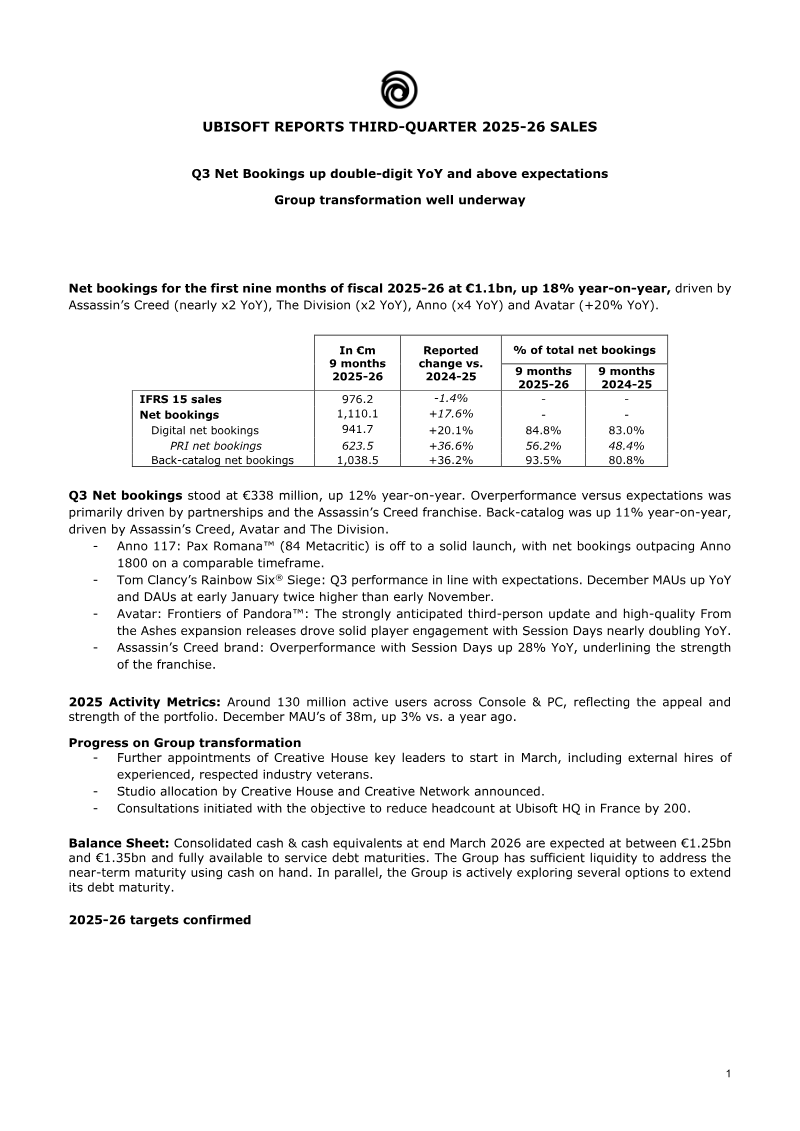
Ubisoft · 2026