1 free read left. Create a free account for unlimited reading + AI research.
Create free accountArticle Naavik
1 free read left. Create a free account for unlimited reading + AI research.
Create free accountArticleNaavik
Developers are experimenting with 'innovative' level designs as a unique selling proposition in a crowded market.
The casual match-3 mobile market is currently saturated, leading developers to experiment with "innovative" level designs as a unique selling proposition (USP) to differentiate their titles. However, recent industry trends suggest that introducing mandatory, high-friction gameplay mechanics—such as tactical combat or complex puzzle-RPG elements—into the core progression funnel often alienates the mass-market audience. These players typically seek a frictionless, low-stakes "second-screen" experience, and forcing them into a state of high cognitive effort disrupts their session-initiation habits and daily engagement.
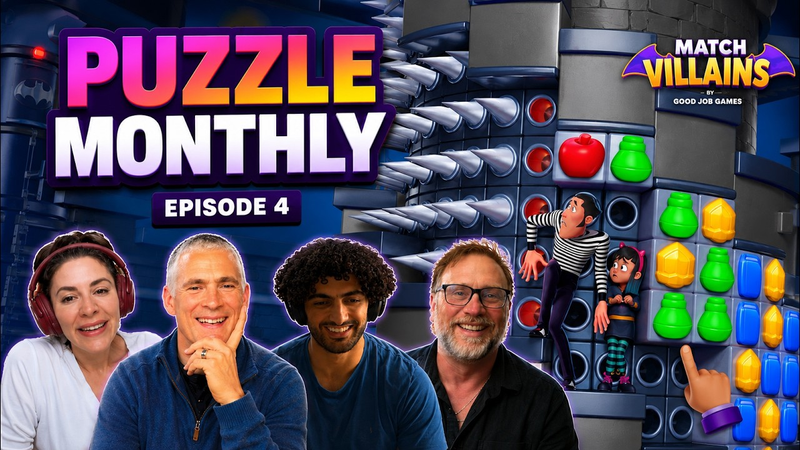
Analysis of recent market performance indicates that titles incorporating these mandatory innovative levels, such as Royal Kingdom, Match Villains, and the now-defunct Pet Panic, have struggled to scale compared to industry leaders like Royal Match. While Royal Match succeeded by streamlining objectives and reducing cognitive friction, these newer titles have seen lower average weekly sessions and minutes. Data shows that Royal Kingdom’s U.S. revenue per download has plateaued significantly below that of its competitors, suggesting that aggressive user acquisition cannot compensate for a core loop that fails to align with player expectations.
The primary conclusion is that innovation in the match-3 genre must be player-aligned rather than pursued for its own sake. Developers should prioritize maintaining a frictionless core experience that supports the casual, multi-tasking nature of the genre. Ultimately, long-term viability and habit formation depend on delivering the escapism players crave, rather than introducing unnecessary complexity that risks filtering out the mass market and boxing a game into a smaller, less profitable niche.

Naavik · 2026

Naavik · 2026

Naavik · 2026

Naavik · 2026

Naavik · 2026

Naavik · 2026

Naavik · 2026

Naavik · 2026

Naavik · 2026

Naavik · 2026

Naavik · 2026
Naavik · 2026
Two & a Half Gamers · 2026