Game Creation Platform reports and market data
62 game industry reports, presentations and talks about game creation platform from writers such as Naavik, Deconstructor of Fun and GameMakers, newest from 2026. Every document has a summary and key insights with the page they come from, and 4 charts and tables are extracted as data.
Documents
TWIG #404: AI Game Mashups Go Viral, Google Launches Playground and Mobile Studios Are Cheap Again
The gaming industry is currently undergoing a significant transformation driven by the rapid integration of generative AI and a shifting landscape for mergers and acquisitions.
- The gaming M&A market has shifted to a buyer's advantage, with acquisitions becoming increasingly rare and occurring at lower valuations relative to revenue.
- Large-scale, profitable entities like Savvy Games Group and MTG are the primary active dealmakers, creating a high barrier to entry that leaves smaller studios with limited exit opportunities.
- Major platforms including Google, Meta, and Roblox are introducing prompt-to-game generative AI tools, creating a tension between democratized development and a surge of low-quality content.

AI Makes Game Creation More Accessible
The integration of AI-native game engines and decentralized infrastructure is fundamentally reshaping the landscape of user-generated content by lowering technical barriers to entry.
- Sandbox Studio aims to move beyond 'vibe coding' by providing a structured, editable game codebase that allows creators to inspect, debug, and modify their projects rather than relying on unpredictable LLM-generated black boxes.
- The platform leverages institutional knowledge from seven years of Sandbox development, using existing voxel asset libraries and historical workflow data to guide creators through the development process.
- Sandbox Studio is shifting its strategy to function as a multi-platform engine, enabling creators to publish standalone games to external platforms like Steam while offering incentives for those who choose to integrate with the Sandbox ecosystem.

Inside Dorian's No-Code UGC Platform
Dorian functions as a no-code user-generated content platform designed to democratize interactive storytelling by bridging the gap between narrative-driven experiences and the micro-drama market.
- Dorian is a no-code UGC platform that prioritizes narrative-driven interactive storytelling over mechanic-centric design, specifically targeting female-first fandoms where 90% of its creators are women.
- The platform utilizes free-to-play monetization mechanics, specifically 'patronage,' which allows creators to generate sustainable income by letting fans vote with their dollars for specific storylines or character developments.
- Solo creators on Dorian often outperform venture-backed studios in profitability because they maintain total control over their vision, avoiding the diluted creative output and siloed information common in larger professional teams.
Building AI Tools for Roblox Creators
Lemonade functions as a specialized AI-powered coding agent designed to democratize game development within the Roblox ecosystem.
- The platform utilizes a complex layer of agents and routers to deconstruct user intent, addressing the challenge that young creators often struggle to articulate technical requirements through traditional prompting.
- Lemonade prioritizes a robust evaluation (evals) framework over post-training, allowing the company to rapidly swap underlying AI models as technology improves without sacrificing the quality of the user experience.
- Beyond basic coding, Lemonade is expanding into UI generation, noting that approximately 50% of Roblox game development is dedicated to 2D interface elements like inventories and leaderboards.
Can You Build a Real Business on Roblox?
Roblox has transitioned from a repository of viral, short-lived experiences into a robust ecosystem capable of supporting sustainable, high-quality businesses.
- Roblox has shifted from a platform for short-lived viral games to an ecosystem supporting sustainable, multi-year franchises by prioritizing long-term retention and social co-play over addictive mechanics.
- The platform’s discovery algorithm now favors deep engagement metrics, incentivizing developers to abandon 'pop-and-drop' release cycles in favor of continuous, long-term development.
- Small, lean teams of fewer than four people are currently achieving the highest success rates by launching minimum viable products and iterating weekly based on direct community feedback.

Female-First as a Moat: Dorian's Business of Fandom UGC with founder Julia Palatovska
Dorian functions as a no-code platform designed to democratize game development by empowering creators, particularly women and Gen Z artists, to build interactive fiction and dating simulations.
- Dorian utilizes a 50/50 revenue share model to incentivize creators to treat interactive fiction and dating simulation projects as professional businesses.
- Top titles on the platform generate six to seven figures in annual revenue by focusing on character-driven narratives rather than high-polish mechanics.
- The platform employs an iterative, data-driven development cycle where creators test concepts as pilots and refine them based on real-time fan feedback before scaling.

If You're Making Games Alone, This New Tool Is A Game Changer
The integration of AI-driven automation tools into game development workflows offers a significant shift in how solo developers manage repetitive, granular tasks.
- AI-driven automation tools like Bezi Actions allow solo developers to automate repetitive Unity tasks such as prefab organization, UI placement, and scene assembly.
- By offloading mechanical setup to AI, developers can shift their focus toward high-level creative tasks including narrative design, music, art, and core gameplay mechanics.
- Effective AI implementation requires a comprehensive project rules document that provides the agent with context on asset locations, script functionality, and rendering pipelines.
How User-Generated Games Are Becoming Hollywood Franchises
The historical narrative surrounding the supposed failure of video game adaptations is largely a byproduct of industry misalignment and a lack of deep integration between Hollywood and gaming culture.
- Successful game-to-screen adaptation requires moving away from 'smash and grab' IP licensing toward inclusive partnerships that prioritize the developer's vision and the community's trust.
- Story Kitchen operates on a producer-first business model, generating revenue only when projects enter active film or television production rather than through upfront consulting or retainer fees.
- Adaptation potential is determined by whether a game's core DNA evokes universal human emotions, such as the need for belonging, rather than relying solely on established lore or genre popularity.
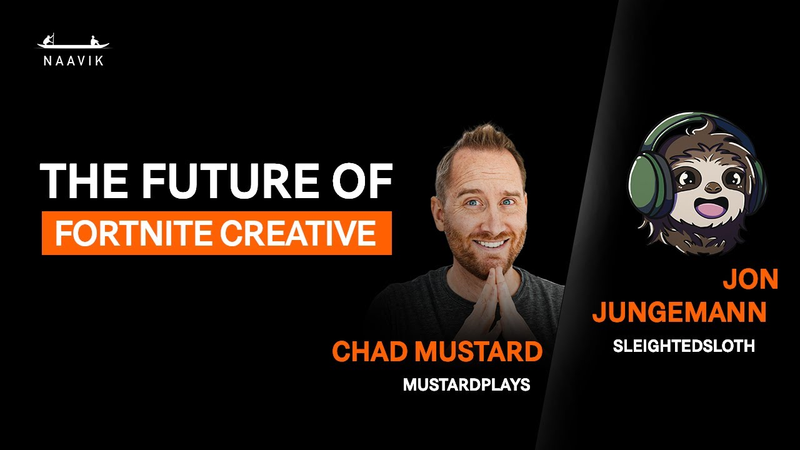
The Future of Fortnite Creative
The Fortnite Creative ecosystem is undergoing a fundamental transformation, shifting from a supplemental mode into a professionalized marketplace capable of sustaining diverse, non-Battle Royale experiences.
- Epic has introduced in-island item sales, allowing creators to monetize experiences through gated content or virtual items, though this creates potential friction with Epic's own internal monetization strategies.
- Fortnite's concurrent user base has declined from a peak of over 3 million during the 'Fortnite OG' event to approximately 1 million, signaling a shift in the platform's current engagement lifecycle.
- New user acquisition tools, including UA rewards and paid campaigns, currently operate on an auction-based CPM model where early bidding costs are volatile, with some participants bidding as high as $20 per CPM.

Why Big Companies Are Betting on Roblox
Roblox has emerged as a critical strategic frontier for major entertainment and gaming companies aiming to capture the attention of Gen Z and Gen Alpha.
- Roblox is demonstrating significant scale and growth, with bookings up 51% year-over-year to $1.4 billion and daily active users reaching 112 million, a 41% increase.
- Creator payouts on Roblox grew 52% year-over-year to $316.4 million, signaling a robust ecosystem for developers and IP holders.
- Large entertainment companies are shifting their strategy to treat Roblox as a platform for audience reach and IP exposure rather than just a traditional revenue-generating game channel.
The TikTok of Games
The instant gaming market is undergoing a fundamental transformation, shifting toward low-friction, snackable experiences that prioritize rapid iteration over the high-cost, formulaic models of traditional AAA studios.
- Remix.gg functions as a platform for instant, zero-install games that leverage AI to democratize game creation, allowing users to build and launch titles in 5 to 10 minutes.
- The platform targets Gen Z and Millennial audiences by focusing on snackable, culturally relevant content that mirrors viral trends, such as TikTok memes or real-world events.
- Creators on the platform have already earned tens of thousands of dollars through game jams, with plans to integrate tokenization to further scale monetization and reward systems.
Is Roblox Turning Into TikTok?
Roblox’s recent developer conference (RDC) signaled a strategic shift toward aggressive platform expansion, characterized by an 8.5% increase in the developer exchange (DevX) rate and the introduction of new monetization and engagement tools.
- Roblox is shifting from a game engine to a vertically integrated social and advertising ecosystem, aiming to maximize platform GDP through increased user attention and ad revenue.
- The platform increased its developer exchange (DevX) rate by 8.5% to incentivize creators to retain capital and reinvest within the Roblox ecosystem.
- Economic disparity remains significant, as only 29,000 of the 3.1 million total developers—less than 1%—successfully cash out earnings annually.