1 free read left. Create a free account for unlimited reading + AI research.
Create free accountArticle Naavik
1 free read left. Create a free account for unlimited reading + AI research.
Create free accountArticleNaavik
Disney's strategy involves a $1B investment in OpenAI. They are also developing 'Behavioral Licensing' to govern how characters interact across third-party platforms.
Major entertainment and gaming entities, including Disney, miHoYo, and Hasbro, are undergoing a strategic transition from the restrictive regulation of unauthorized AI content toward the development of proprietary, AI-enabled ecosystems. This shift aims to integrate generative technology directly into owned platforms, allowing companies to govern how their intellectual property interacts with audiences. By deploying official AI-driven character experiences, these organizations seek to deepen fan engagement and establish new monetization channels while simultaneously maintaining rigorous control over brand equity, data integrity, and character authenticity.
The current landscape reflects a delicate tension between corporate governance and the organic, creative nature of fandom. While generative AI significantly lowers the barrier to entry for content creation, industry leaders are prioritizing safety guardrails and provenance to ensure that user-generated content aligns with established brand standards. The long-term viability of these models depends on the ability of IP holders to foster community participation without stifling the creative autonomy that sustains fan loyalty. Success in this domain requires a balanced approach that protects core assets while providing fans with meaningful, interactive tools.
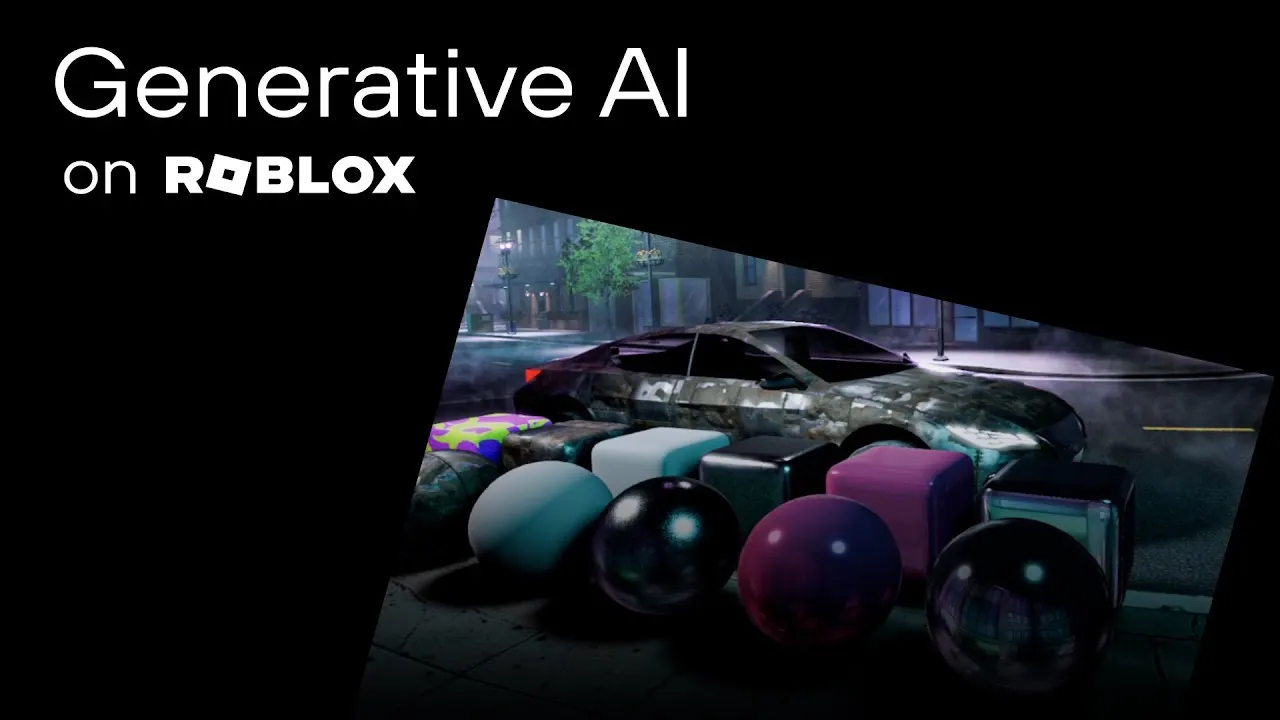
Beyond consumer-facing engagement, generative AI is fundamentally altering the technical foundations of game development. Tools such as automated creative production suites and large language models are increasingly enabling non-coders to bridge traditional skill gaps in programming and asset generation. Although the industry is still searching for a definitive application that will standardize AI’s role in everyday production, current trends indicate that these technologies are already empowering independent developers to accelerate workflows and enhance complex character behaviors. This evolution suggests that AI will remain a permanent fixture in both the creative production pipeline and the future of interactive fan experiences.

Naavik · 2026

Naavik · 2026

Naavik · 2026

Naavik · 2026

Naavik · 2026

Naavik · 2026

Naavik · 2026

Naavik · 2026

Naavik · 2026

Naavik · 2026
Naavik · 2026
Naavik · 2026