1 free read left. Create a free account for unlimited reading + AI research.
Create free accountArticle SuperJoost
1 free read left. Create a free account for unlimited reading + AI research.
Create free accountArticleSuperJoost
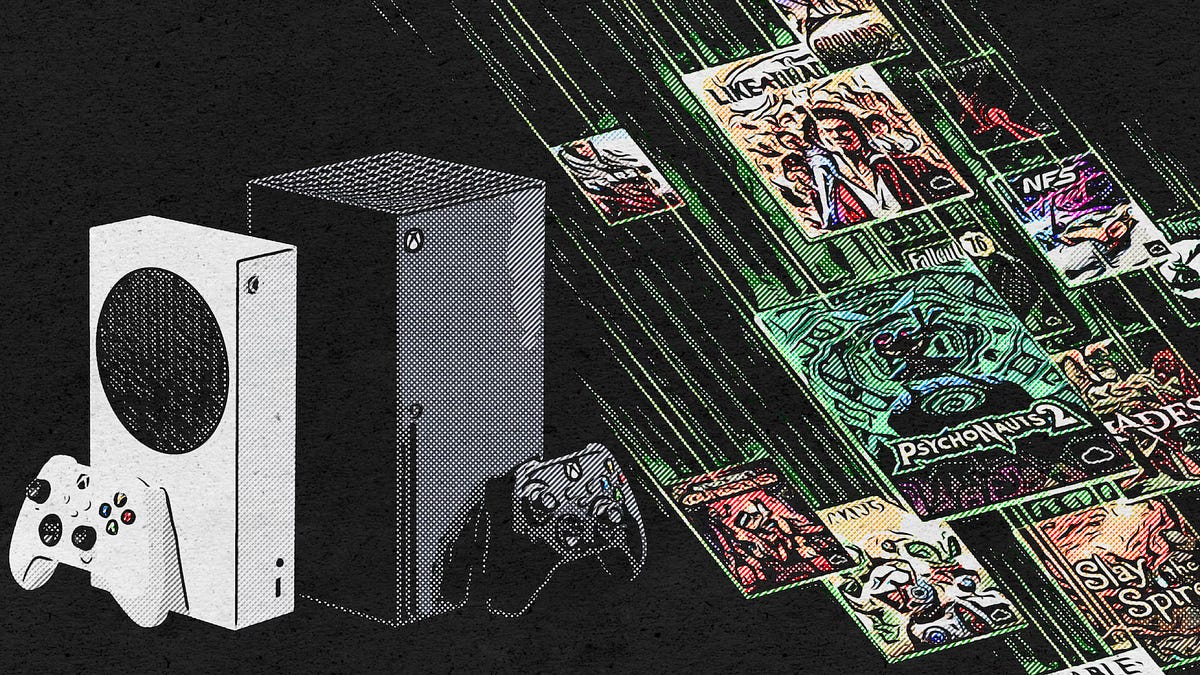
This rise is driven by a persistent industry focus on technological advancement. The industry prioritizes 'more, better, and faster' technology.
The gaming industry is currently defined by a persistent, industry-wide obsession with technological advancement, characterized by escalating development budgets and a reliance on high-compute infrastructure like AI and cloud streaming. This analysis argues that the industry’s pursuit of "more, better, and faster" technology often ignores shifting consumer preferences. While major firms continue to prioritize expensive, tech-heavy experiences, there is mounting evidence that players are increasingly seeking meaningful, low-tech alternatives that prioritize human connection over graphical fidelity or processing power.
Key data points highlight a robust counter-trend in analog play. Despite consumers spending over six and a half hours daily online, a Kantar study reveals that more than half of respondents play board games monthly, with 73 percent citing these games as effective tools for social connection. Major publishers such as Asmodee have reported record-breaking years, and established franchises like Dungeons & Dragons and Magic: The Gathering continue to see revenue growth. This suggests that tabletop gaming serves as a vital social counterweight to the saturation of digital screen time rather than a direct competitor to it.
The analysis concludes that the industry’s reliance on tech-centric key performance indicators—often borrowed from Silicon Valley—is increasingly disconnected from the actual value players derive from gaming. While AI is currently positioned as a tool to democratize development and reduce costs, there is a significant risk that the industry will simply reinvest those savings into creating even more complex and expensive content. Ultimately, the most sustainable strategy for future growth lies not in the accumulation of compute power, but in fostering affordable, accessible, and meaningful social experiences that bring people together.
The games and companies this document names on the inner ring, other documents about them on the outer one. Select a cover to see it up close and open it in a new tab; drag to move, pinch or Ctrl + scroll to zoom.
SuperJoost · 2026



Bryter · 2026