
Wall Street’s recent shift in sentiment toward Roblox highlights a disconnect between traditional financial metrics and the company’s long-term strategic vision. Despite a challenging 2026 characterized by flat bookings, declining profits, and market saturation within its core demographic, Roblox experienced an 11 percent surge in share price following its developer conference. This rally occurred even as the company abandoned annual revenue guidance, a move that typically invites investor skepticism. Analysts, however, responded by raising target prices, signaling confidence in the platform's future growth levers rather than its immediate financial performance.
The company’s strategic pivot focuses on three primary pillars: expanding accessibility through browser-based distribution, aggressively targeting the 18+ demographic, and integrating generative AI tools for content creation. The older user segment has emerged as a significant growth driver, with the 18-to-34 age group showing a 42 percent year-over-year increase in users and a 37 percent rise in playtime. Furthermore, the introduction of prompt-based development tools aims to lower barriers for creators, effectively scaling the platform's content supply.
While these initiatives do not provide an immediate boost to 2026 revenue, they successfully address investor concerns regarding the company’s long-term scalability. By moving away from rigid annual guidance and focusing on a robust creator economy and broader user base, Roblox has managed to maintain market support. This transition underscores a broader industry trend where investors are increasingly prioritizing platform engagement and ecosystem expansion over short-term financial predictability, even as the company navigates the complexities of maintaining a safe environment for its younger user base.
SuperJoost · 2026
SuperJoost · 2026
SuperJoost · 2026

SuperJoost · 2026

SuperJoost · 2026
SuperJoost · 2026

SuperJoost · 2026
SuperJoost · 2026

SuperJoost · 2026
SuperJoost · 2026
SuperJoost · 2026
SuperJoost · 2026
Ubisoft · 2026
Sony Group Corporation · 2026
Enthusiast Gaming Holdings · 2026
Drake Star Partners · 2026
Aream & Co · 2026
Capcom · 2026

Modern Times Group · 2026
Bandai Namco · 2026
Aream & Co · 2026
Take-Two Interactive · 2026
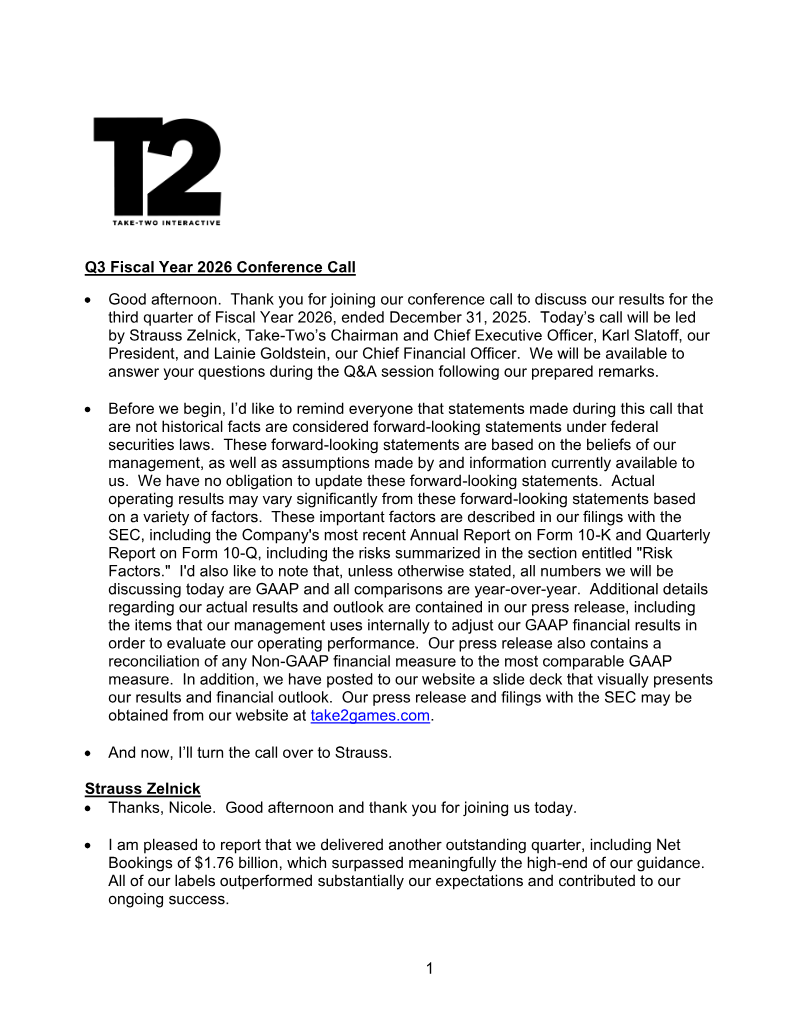
Take-Two Interactive · 2026
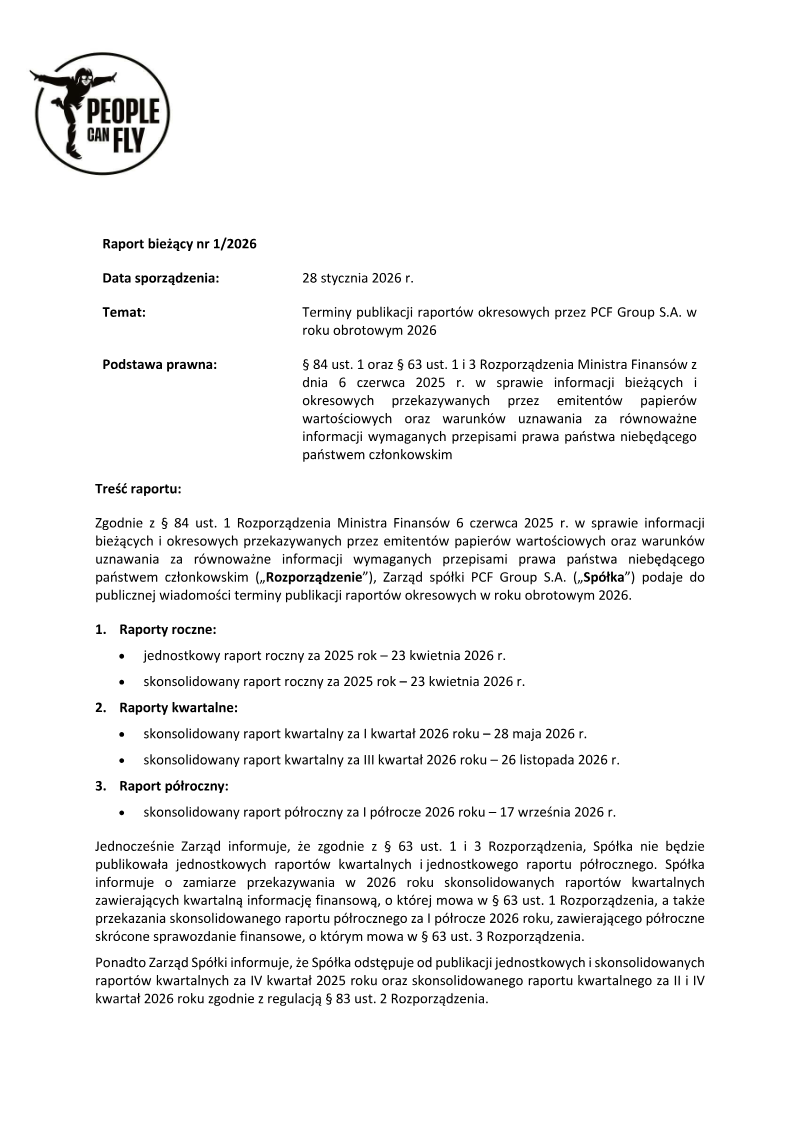
PCF Group · 2026