
The industry analysis examines the shifting operational strategies of major gaming corporations, specifically focusing on Xbox’s recent organizational restructuring and the broader implications for intellectual property management. The core thesis posits that large-scale, vertically integrated companies are increasingly pivoting toward specialized, decentralized development models to maximize the value of their flagship assets.
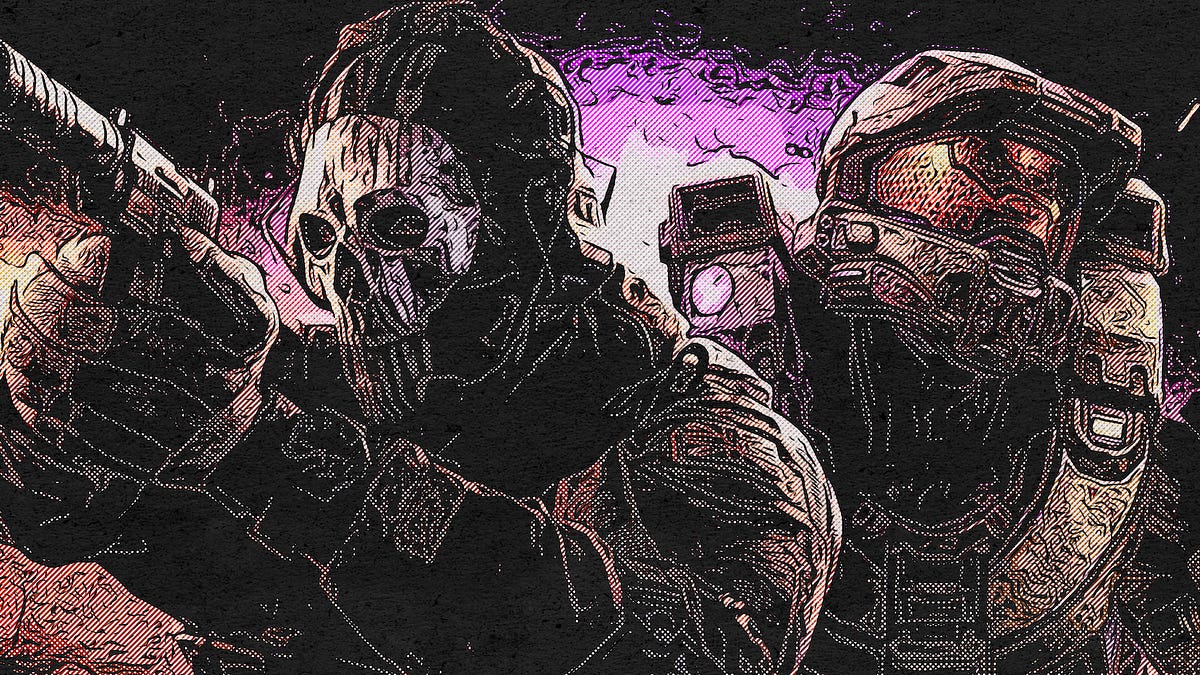
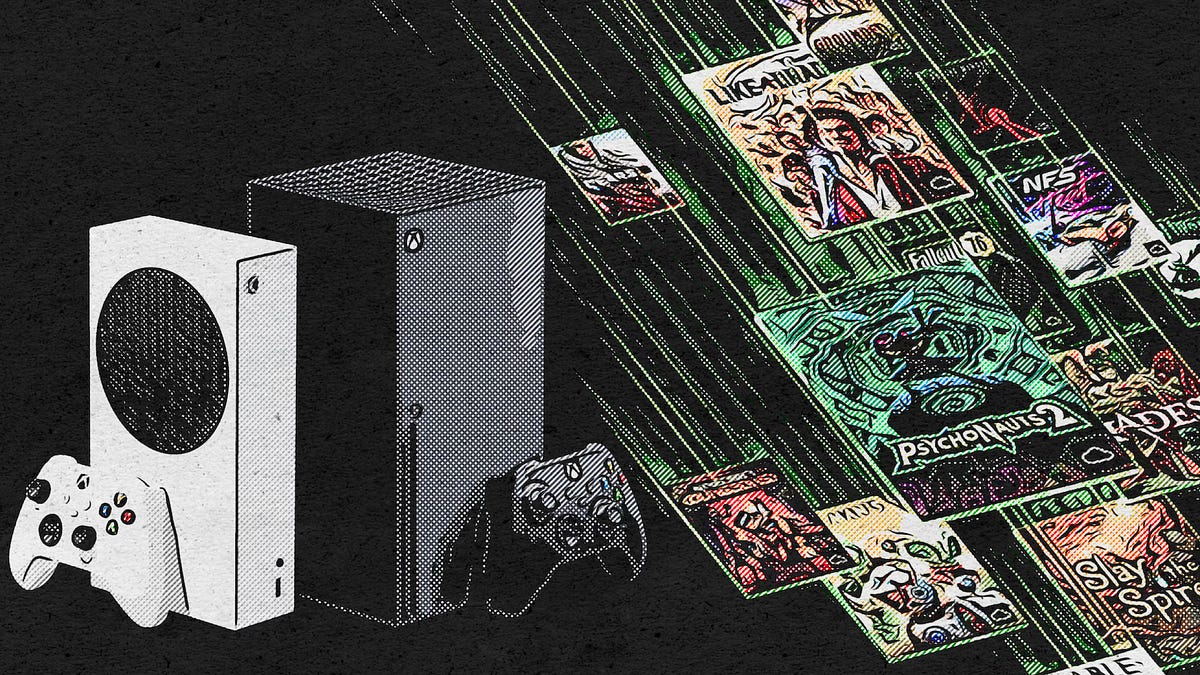
A primary finding involves the ongoing organizational contraction at Xbox, which has implemented 3,200 job cuts since July, including a recent reduction of 268 staff members. This restructuring is characterized as a reverse acquisition, where the company is delegating the development of its most significant first-party intellectual property, such as the Halo franchise, to external studios—specifically those previously acquired through the Activision Blizzard merger. This transition suggests a strategic move away from internal, centralized production toward leveraging the specialized expertise of established, independent-minded development teams.
The analysis frames these developments within the context of the Play Pendulum, a concept suggesting that market value is more effectively captured by focused, specialized entities rather than sprawling, vertically integrated conglomerates. By shifting high-profile development responsibilities to studios with proven track records in specific genres, the company aims to recapture the agility and creative success that defined earlier, smaller-scale iterations of its core franchises. This trend reflects a broader industry shift where major publishers are re-evaluating the efficiency of their internal structures in favor of more targeted, collaborative production models.
SuperJoost · 2026
SuperJoost · 2026

SuperJoost · 2026
SuperJoost · 2026
SuperJoost · 2026
SuperJoost · 2026

SuperJoost · 2026

SuperJoost · 2026
SuperJoost · 2026

SuperJoost · 2026
SuperJoost · 2026
SuperJoost · 2026
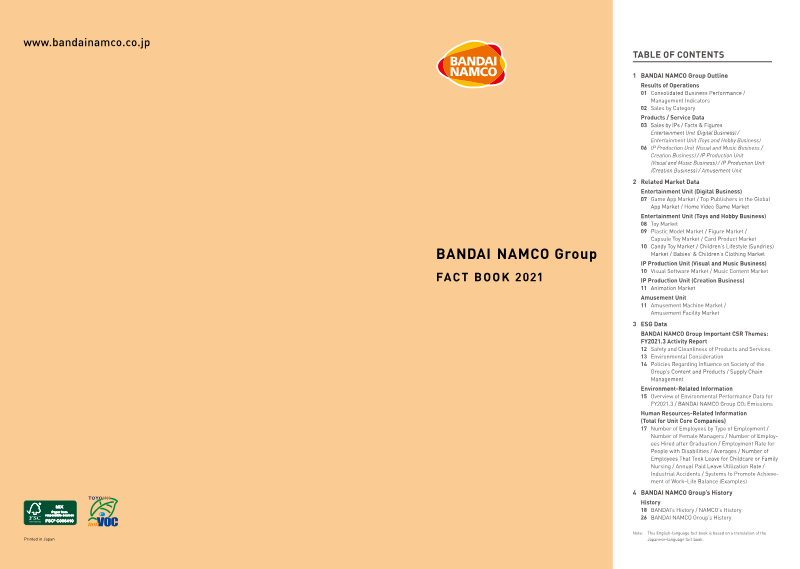
Bandai Namco · 2021
Capcom · 2026
Newzoo · 2026
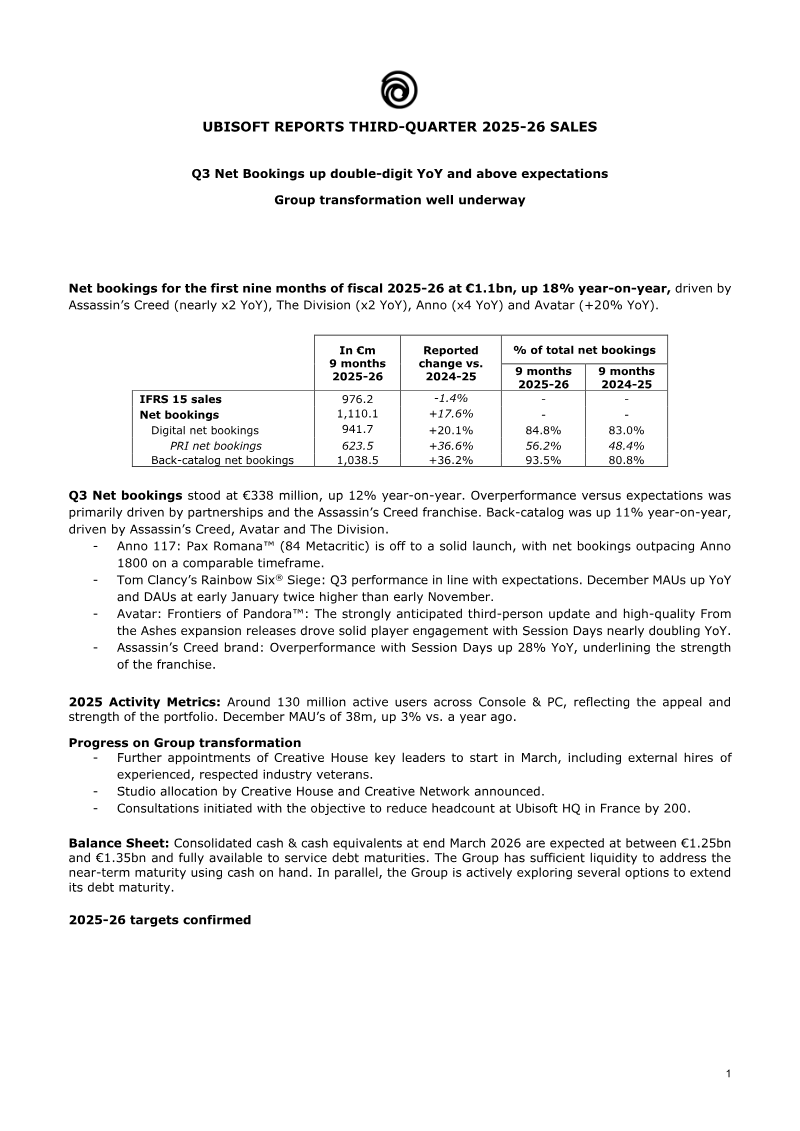
Ubisoft · 2026
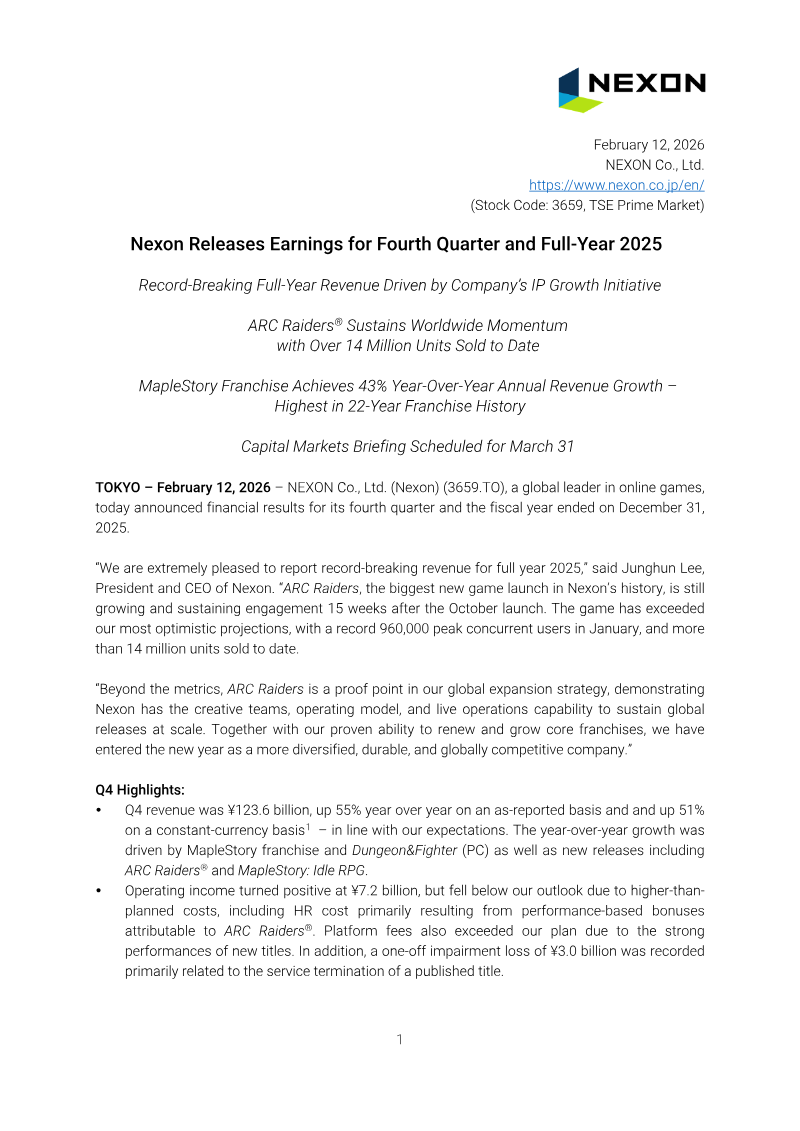
NEXON Co. · 2026

Coda · 2026
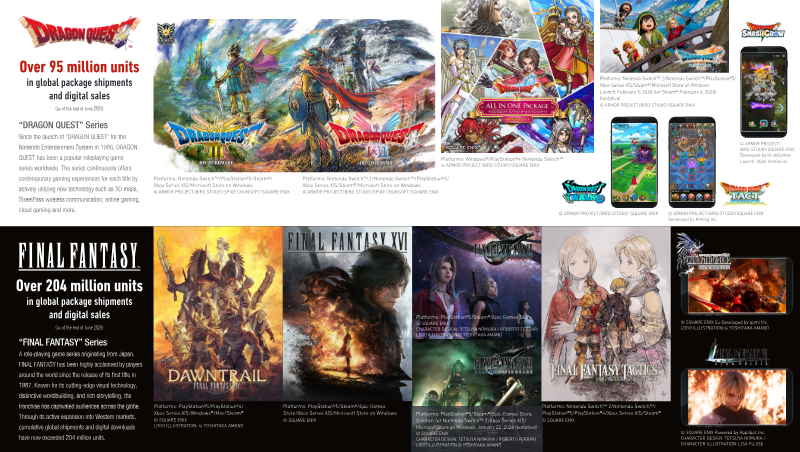
Square Enix · 2025
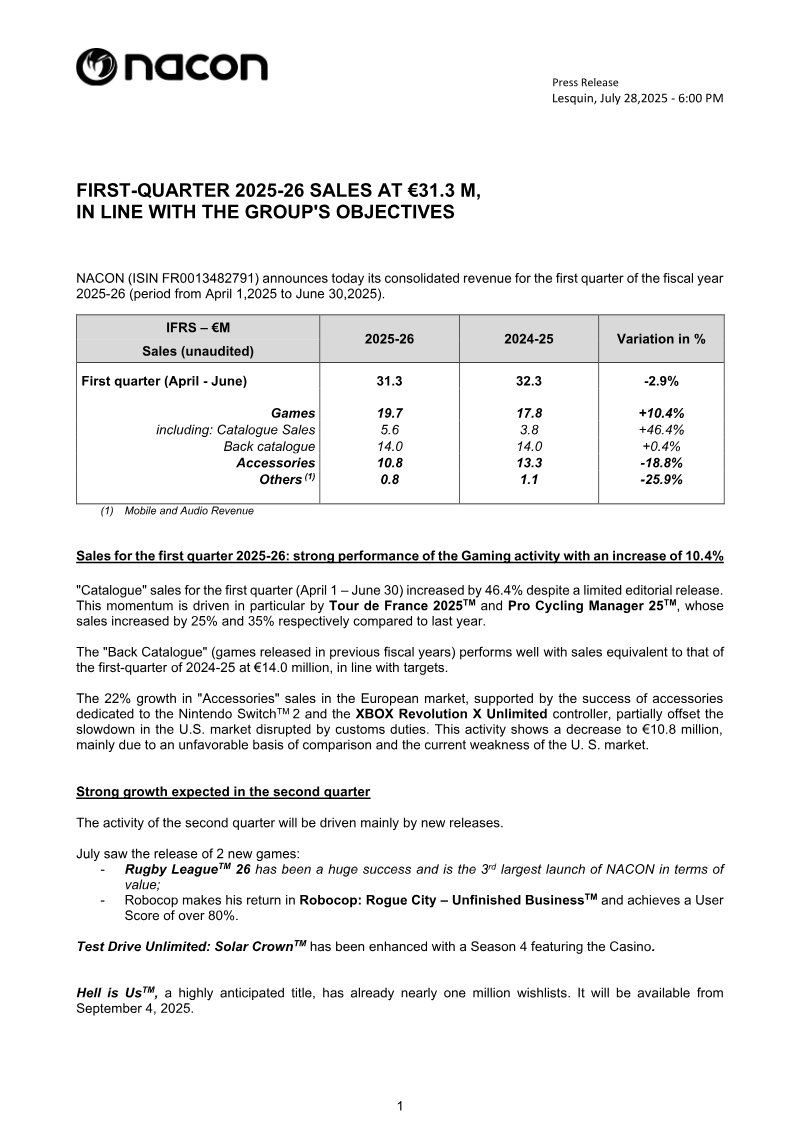
Nacon · 2025
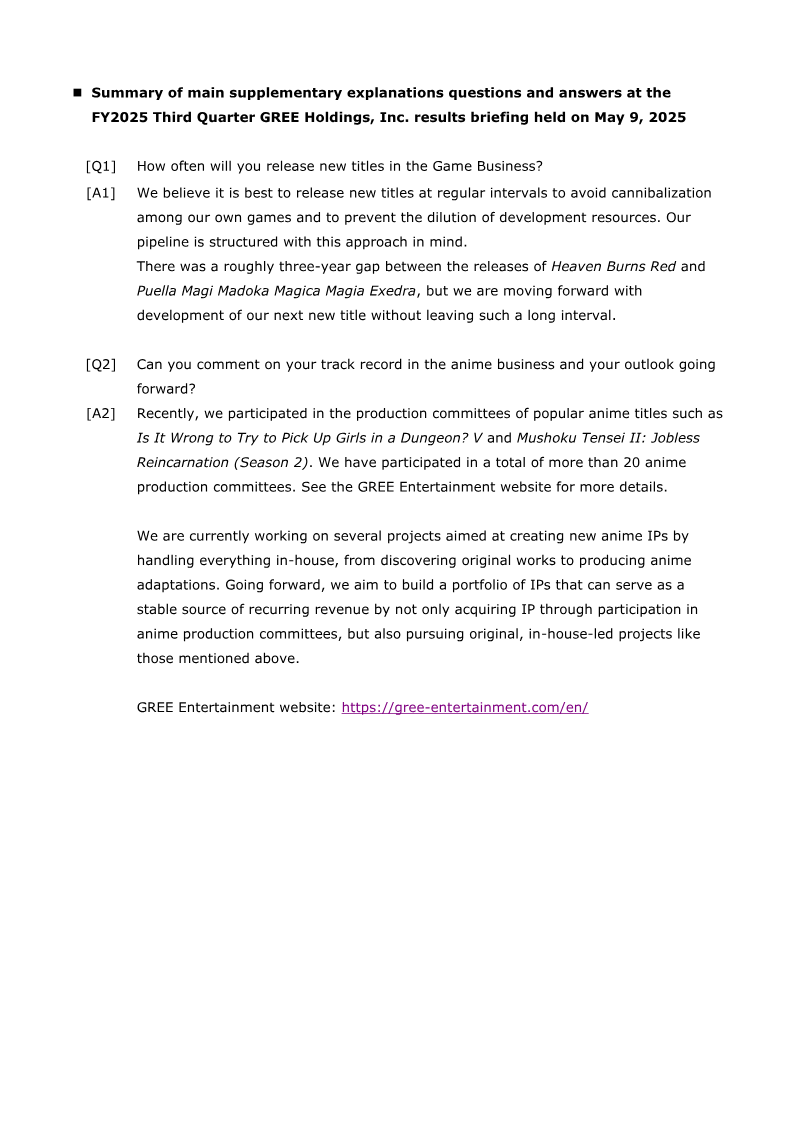
GREE · 2025
GREE · 2025

Nintendo · 2025

Niko · 2025