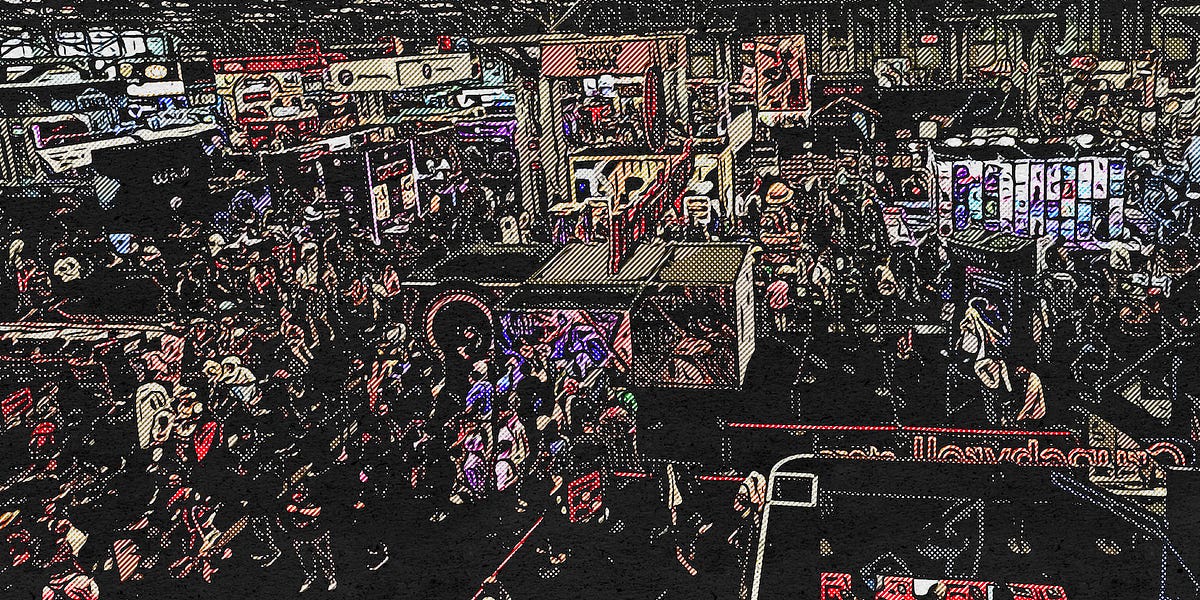
Retailers like GameStop previously served as essential hubs for gamer socialization and community building. This decline creates a need for new physical community hubs for players.
The gaming industry is increasingly pivoting toward physical, real-world engagement, a trend highlighted by recent developments at Comic-Con NY 2026. The core thesis suggests that the future of video games lies in "analog reality," as major platform holders seek to transition from screen-based interactions to immersive, community-driven experiences in physical spaces. This shift is driven by the decline of traditional specialty retail outlets, such as GameStop, which previously served as essential hubs for gamer socialization and community building.
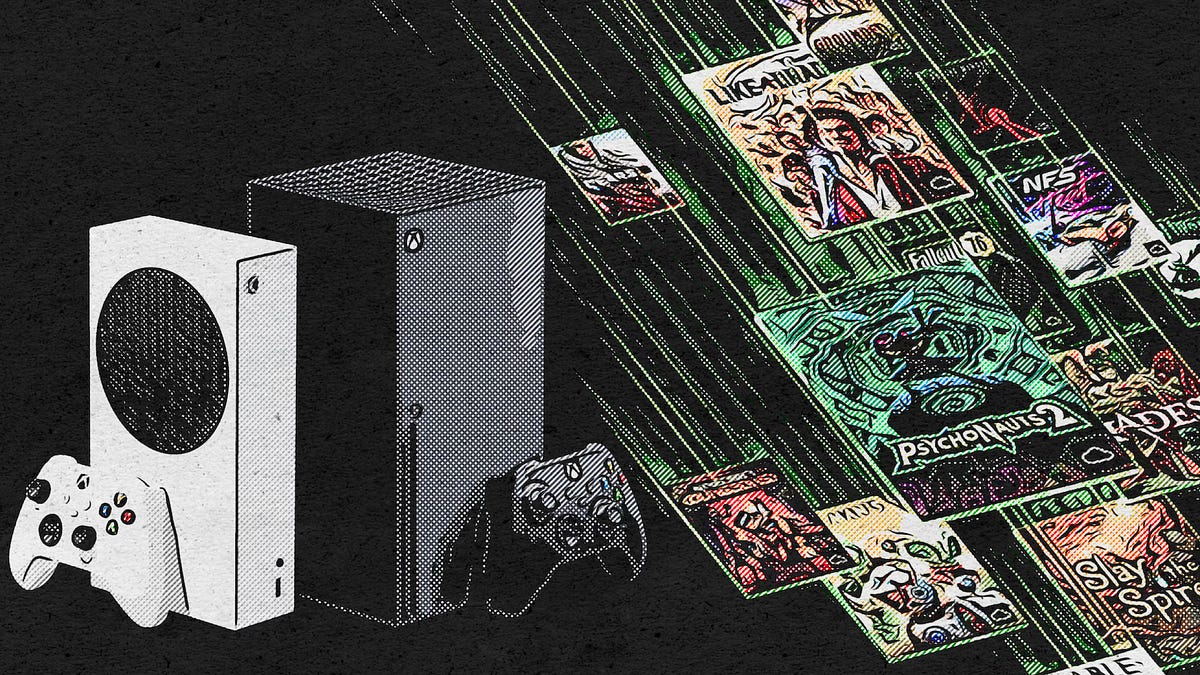
A primary example of this strategic evolution is the launch of Xbox XP, a new division within Microsoft dedicated to expanding the brand into theme parks, live events, and branded physical environments. By focusing on activities like collecting, customizing, and social gathering, the industry is attempting to recapture the communal spirit that digital-only platforms often lack. This approach marks a significant departure from previous, less successful attempts at cross-media expansion, reflecting a modern necessity to provide tangible venues for player interaction.
Supporting this trend is the robust performance of the trading card game sector. Data from a recent industry panel indicates that partner-published titles—specifically Pokémon, Magic: The Gathering, and One Piece—achieved a 43 percent growth rate. This surge in the physical card market underscores a broader consumer appetite for tangible gaming products that facilitate face-to-face engagement. Collectively, these findings point to a structural realignment where major gaming entities are prioritizing physical presence to foster deeper brand loyalty and community cohesion in an increasingly digital-first world.
SuperJoost · 2026
SuperJoost · 2026

SuperJoost · 2026
SuperJoost · 2026
SuperJoost · 2026
SuperJoost · 2026
SuperJoost · 2026
SuperJoost · 2026

SuperJoost · 2026
SuperJoost · 2026
SuperJoost · 2026
SuperJoost · 2026

Develop:Brighton · 2025

Naavik · 2024
Game Developers Conference · 2017
GameDiscoverCo · 2026

Extra Credits · 2026
The Game Business · 2026
The Game Business · 2026
Deconstructor of Fun · 2026
Extra Credits · 2026
PocketGamer.biz · 2026
Epyllion · 2026

Naavik · 2025
Comments