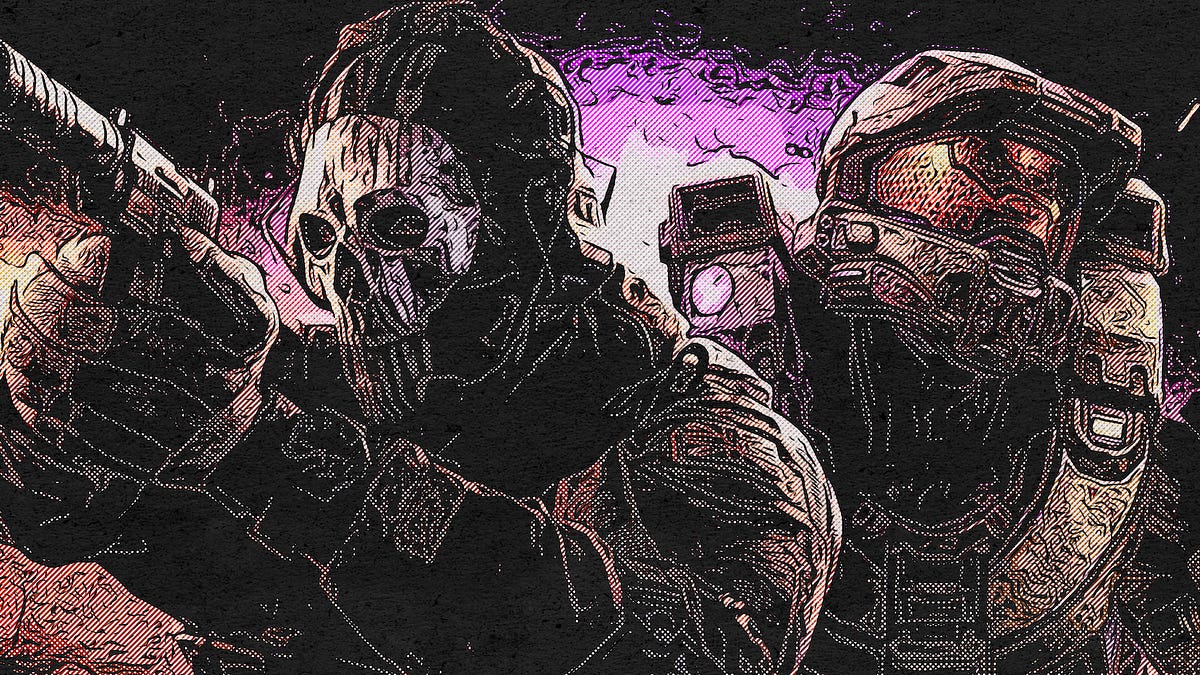
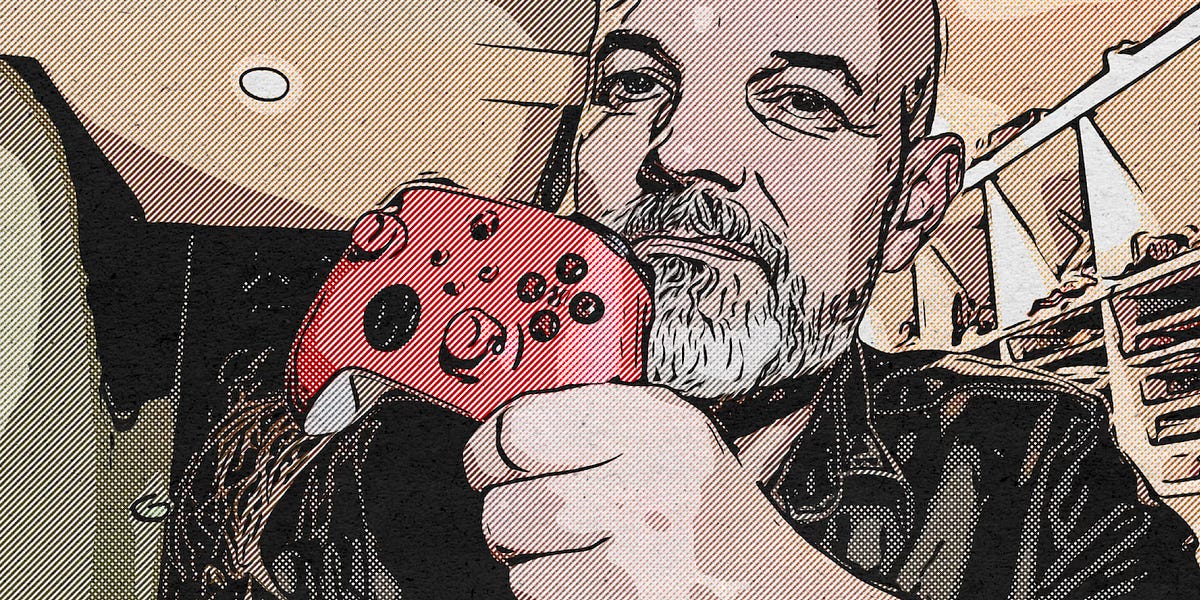
The recent restructuring at Xbox, which includes 268 additional layoffs and a significant reorganization of its internal studio structure, signals a fundamental shift in the company’s operational strategy. By consolidating long-standing first-party franchises—such as Halo—under the management of recently acquired publishers like Activision, Microsoft is effectively executing a reverse acquisition. This transition suggests that the company’s primary motivation for its massive acquisitions was to secure experienced managerial talent capable of running its internal studios, rather than merely acquiring intellectual property.
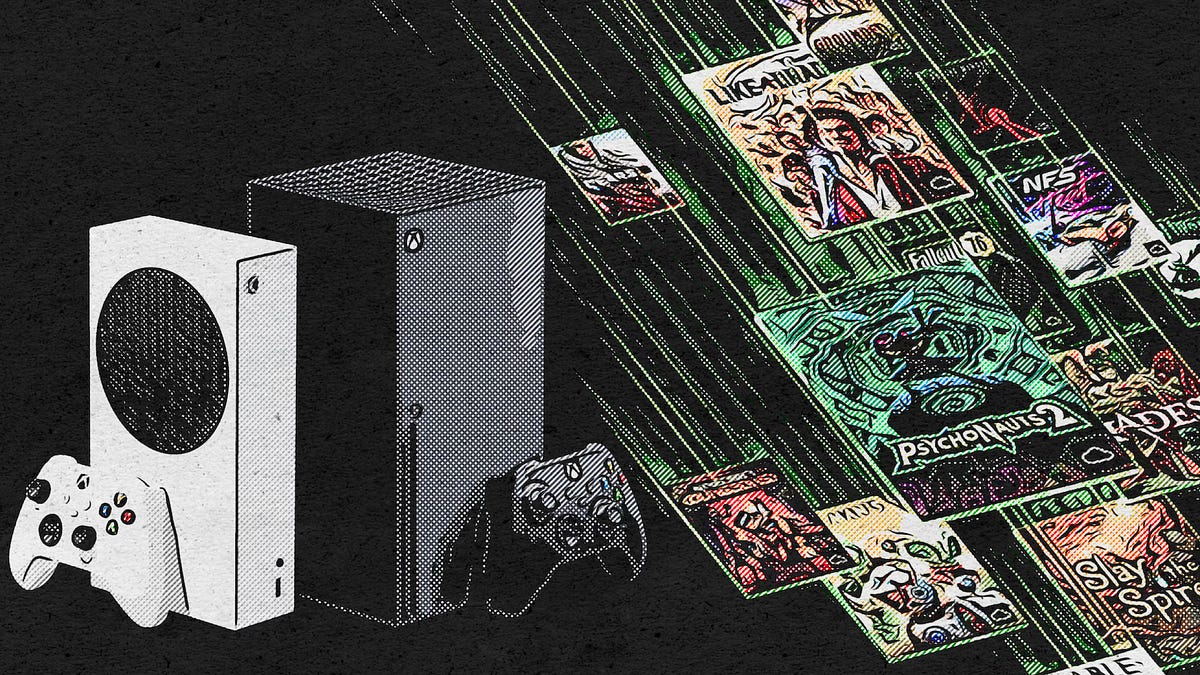
Data indicates that Xbox’s previous strategy of aggressive vertical integration has become a financial and creative liability. While first-party content revenue surged to $13.7 billion by 2025 following the Activision Blizzard acquisition, the company has struggled to maintain the efficiency of pure-play publishers. The shift toward distribution-focused models, coupled with the cannibalization of retail sales by subscription services like Game Pass, has forced a move toward leaner operations. This is further evidenced by the ongoing difficulties in divesting studios like Ninja Theory, where the transition to subscription-based models has negatively impacted standalone unit sales.
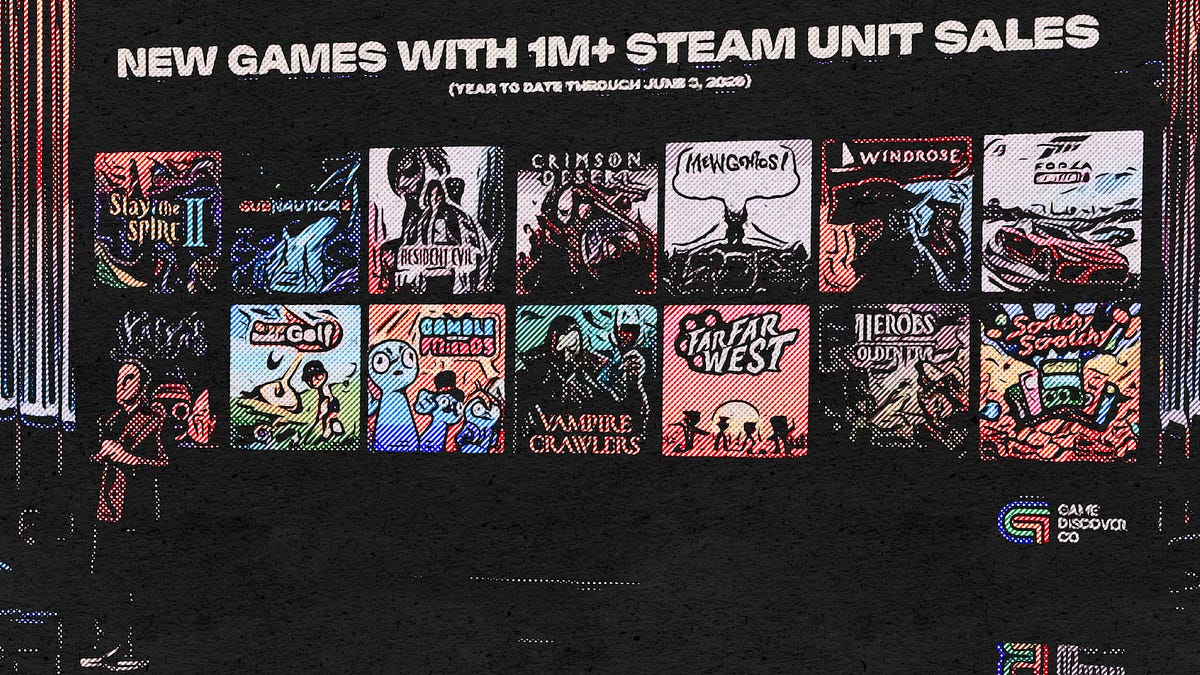
The broader industry landscape reflects a changing center of gravity, with China now serving as the largest source of traffic for Steam as of the first half of 2026. While Western publishers are currently shrinking production capacity to navigate a slower-growth market, Chinese firms are expanding with significant scale and ambition. This divergence highlights a global market inversion where Western conglomerates are retreating into efficiency-driven models, while international competitors are aggressively scaling their presence in the global gaming ecosystem.
SuperJoost · 2026

SuperJoost · 2026
SuperJoost · 2026
SuperJoost · 2026
SuperJoost · 2026
SuperJoost · 2026

SuperJoost · 2026
SuperJoost · 2026
SuperJoost · 2026
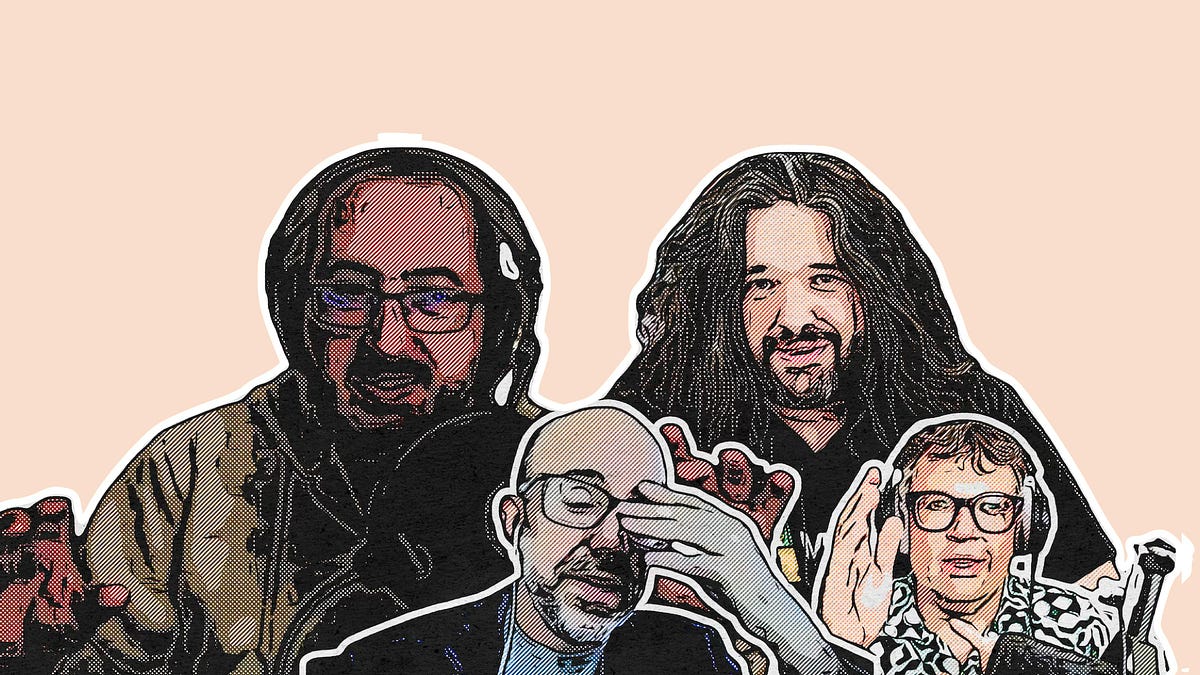
SuperJoost · 2026
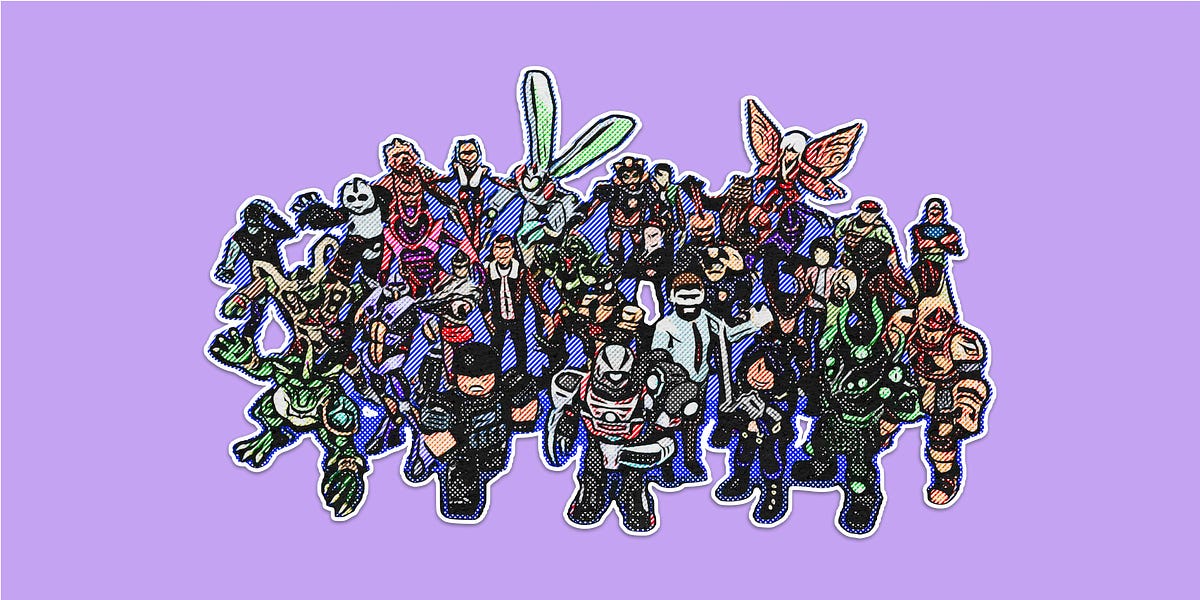
SuperJoost · 2026
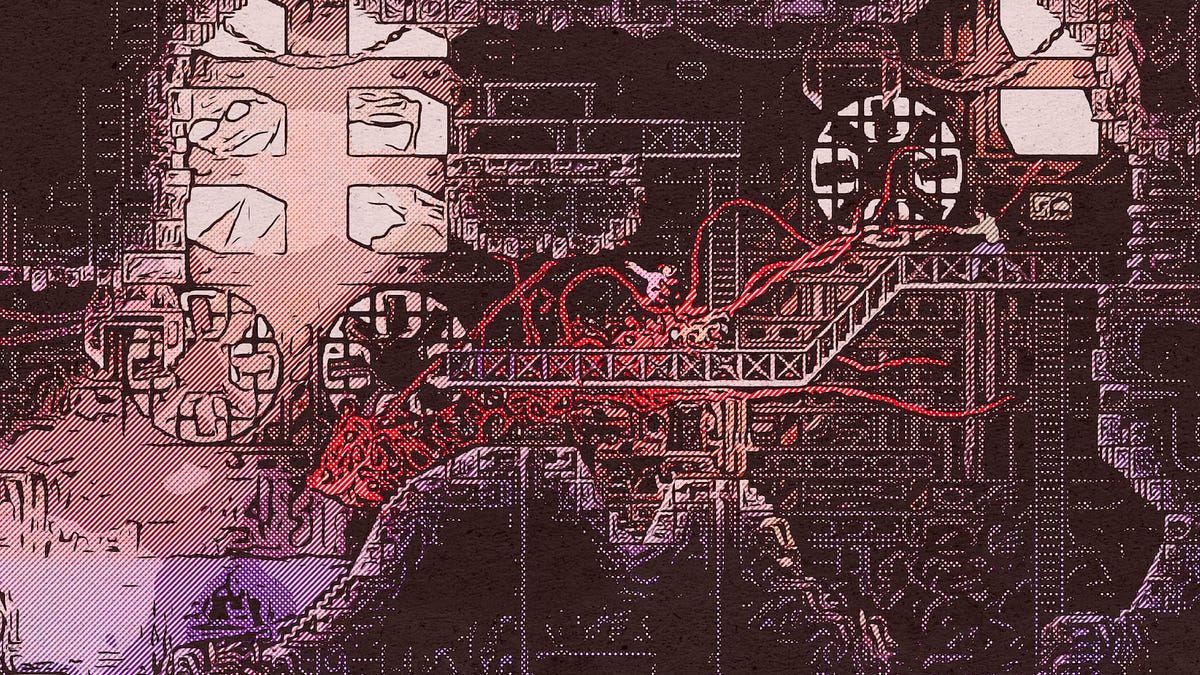
SuperJoost · 2026
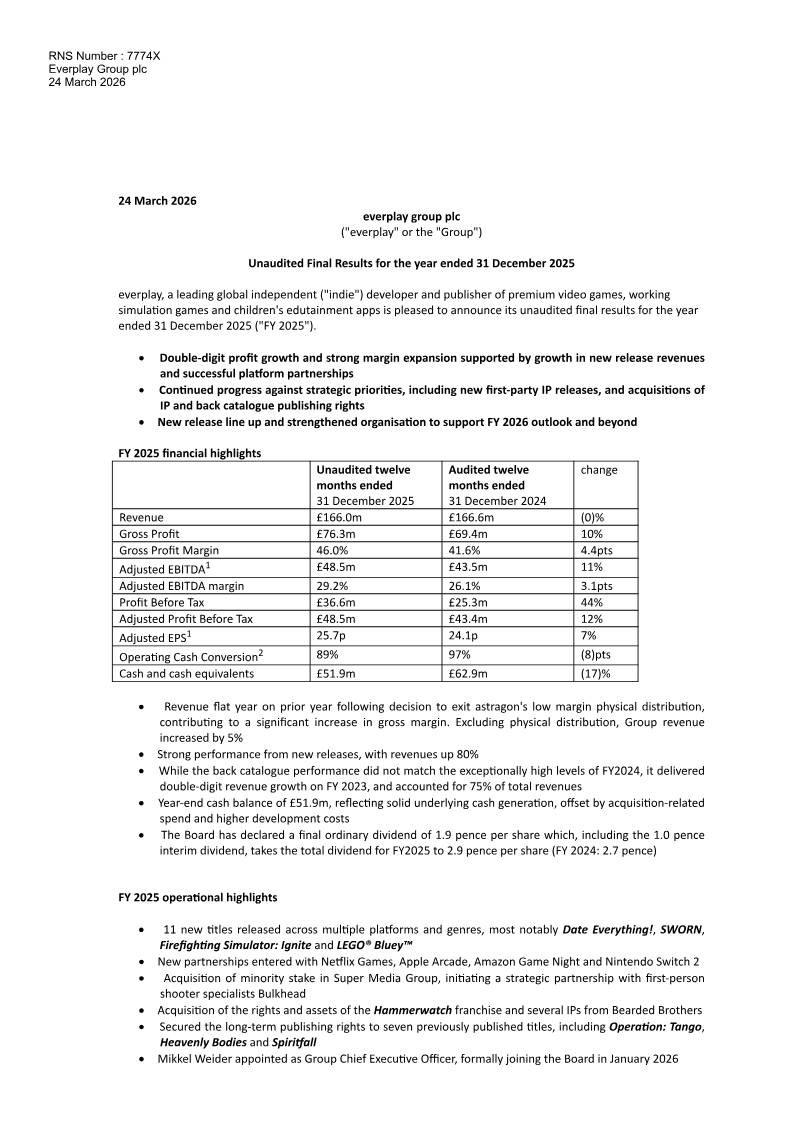
Everplay Group · 2026
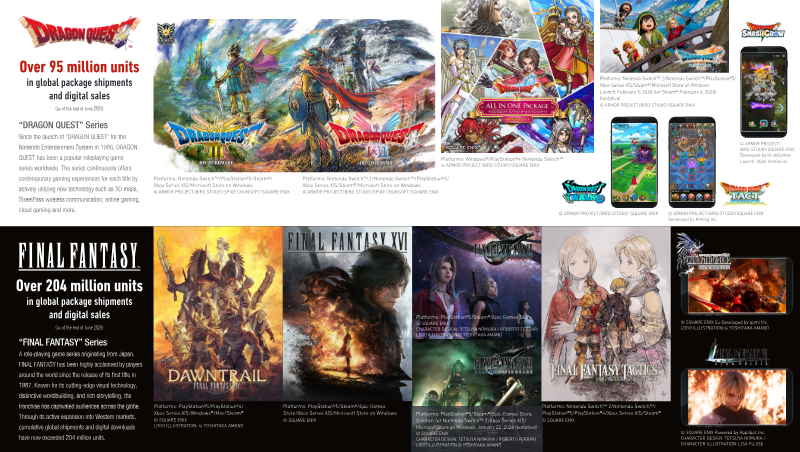
Square Enix · 2025
Thunderful · 2025
DDM · 2024
Bandai Namco · 2021
Bandai Namco · 2017
Bandai Namco · 2013

Koei Tecmo · 2010

Bandai Namco
Nacon
Bandai Namco
11 bit studios