1 free read left. Create a free account for unlimited reading + AI research.
Create free accountReport GameAnalytics
1 free read left. Create a free account for unlimited reading + AI research.
Create free accountReportGameAnalytics
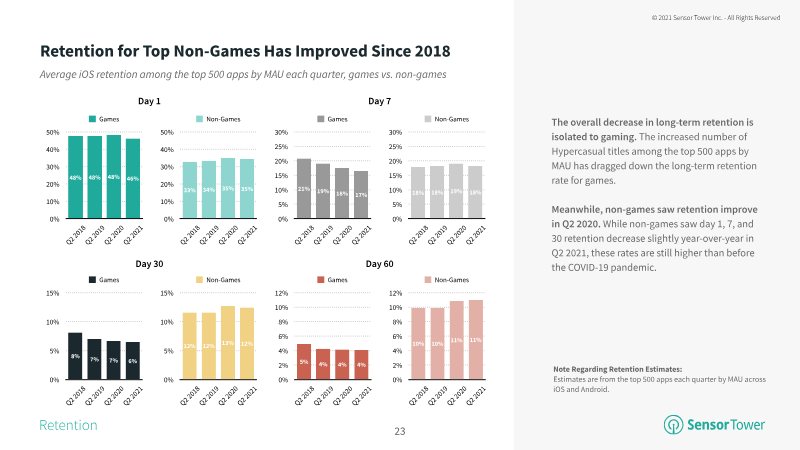
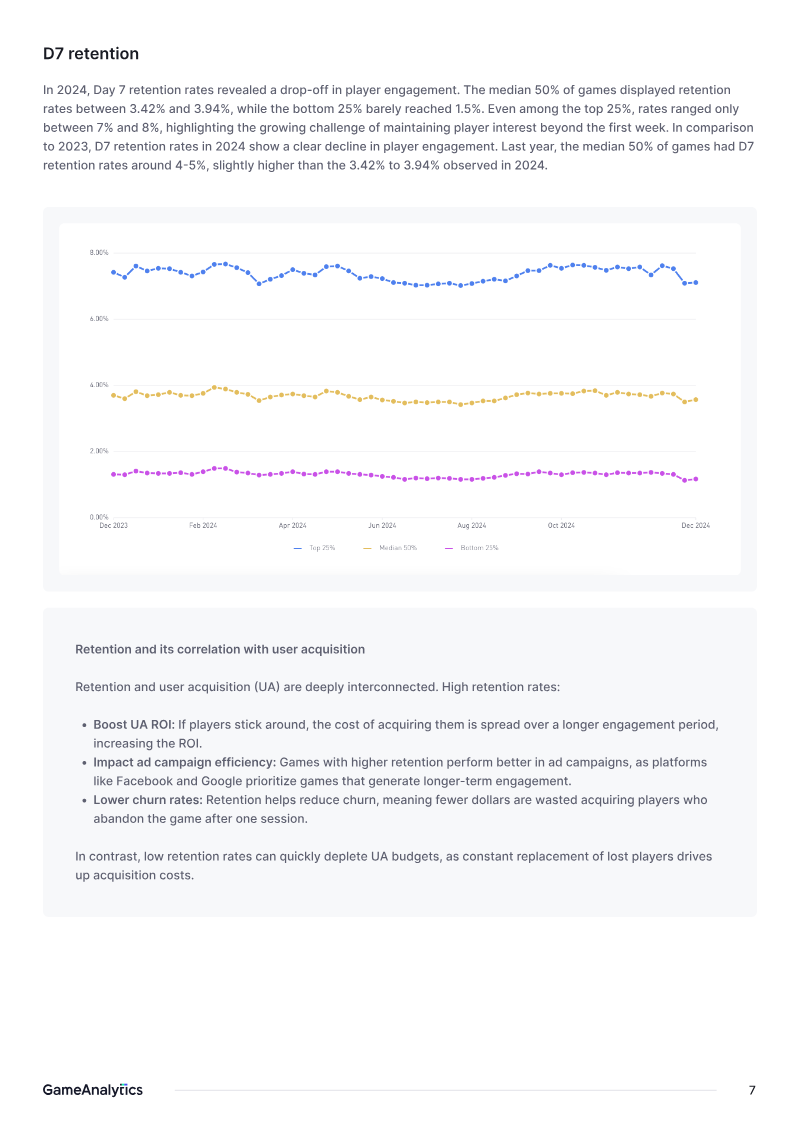
Data from over 16,000 live mobile games shows D1, D7, and D30 retention in decline. The industry has become increasingly unforgiving.
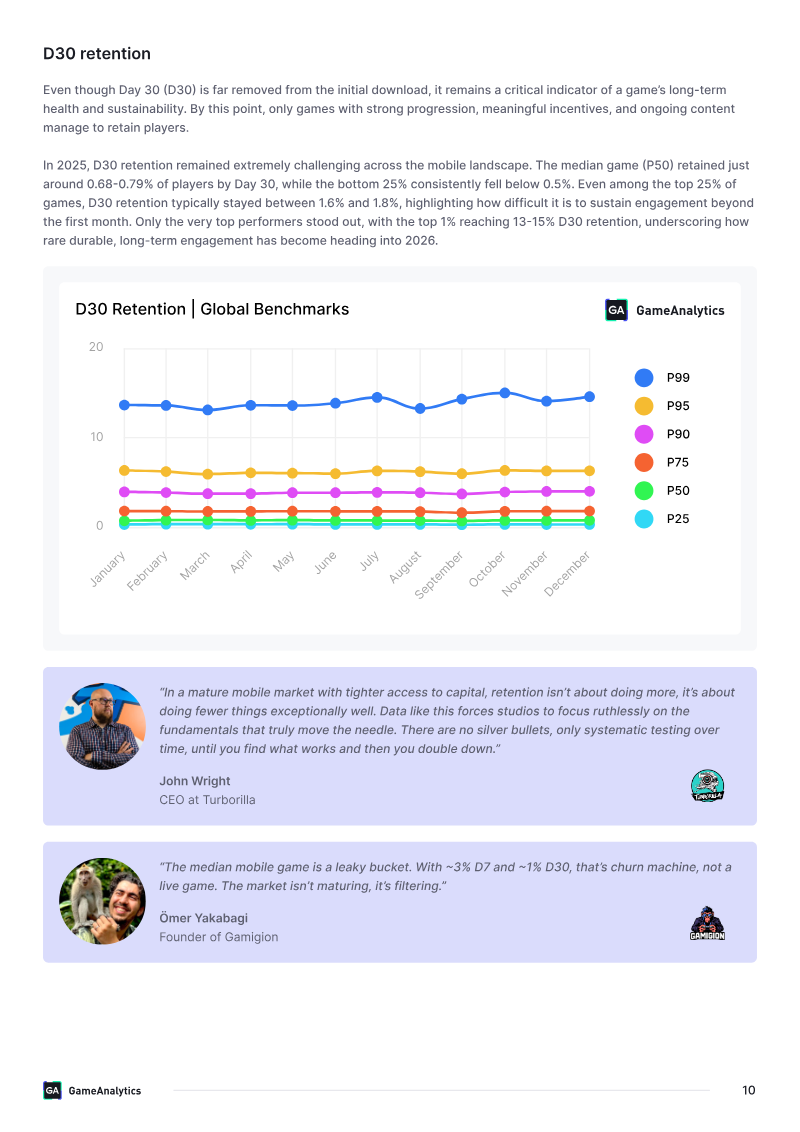
Retention decline. Median D30 retention rates fall below 1% across over 16,000 live titles.
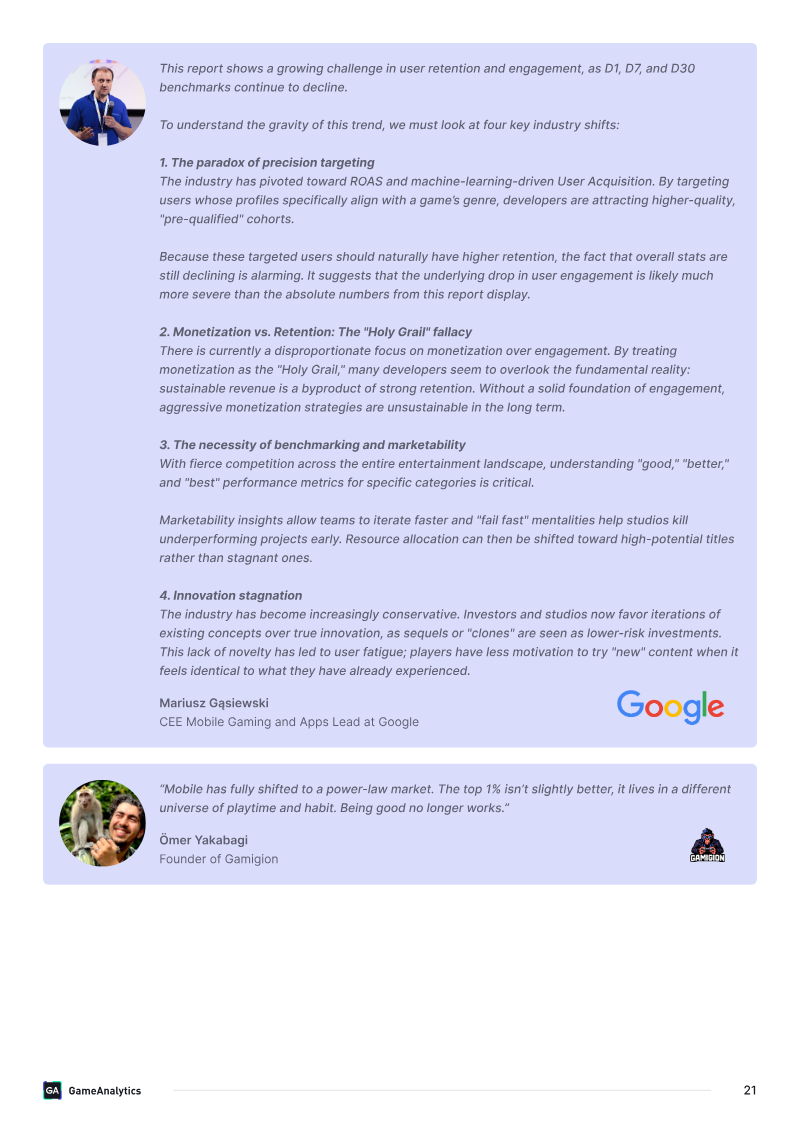
The global gaming landscape in 2026 is defined by a widening performance gap between a small elite of top-tier titles and the broader market. Data derived from over 16,000 live mobile games indicates that retention metrics, including D1, D7, and D30, are in a state of decline. With median D30 retention falling below 1%, the industry has become increasingly unforgiving, necessitating a strategic shift toward immediate, high-quality onboarding and the refinement of core gameplay loops to mitigate rising churn rates.
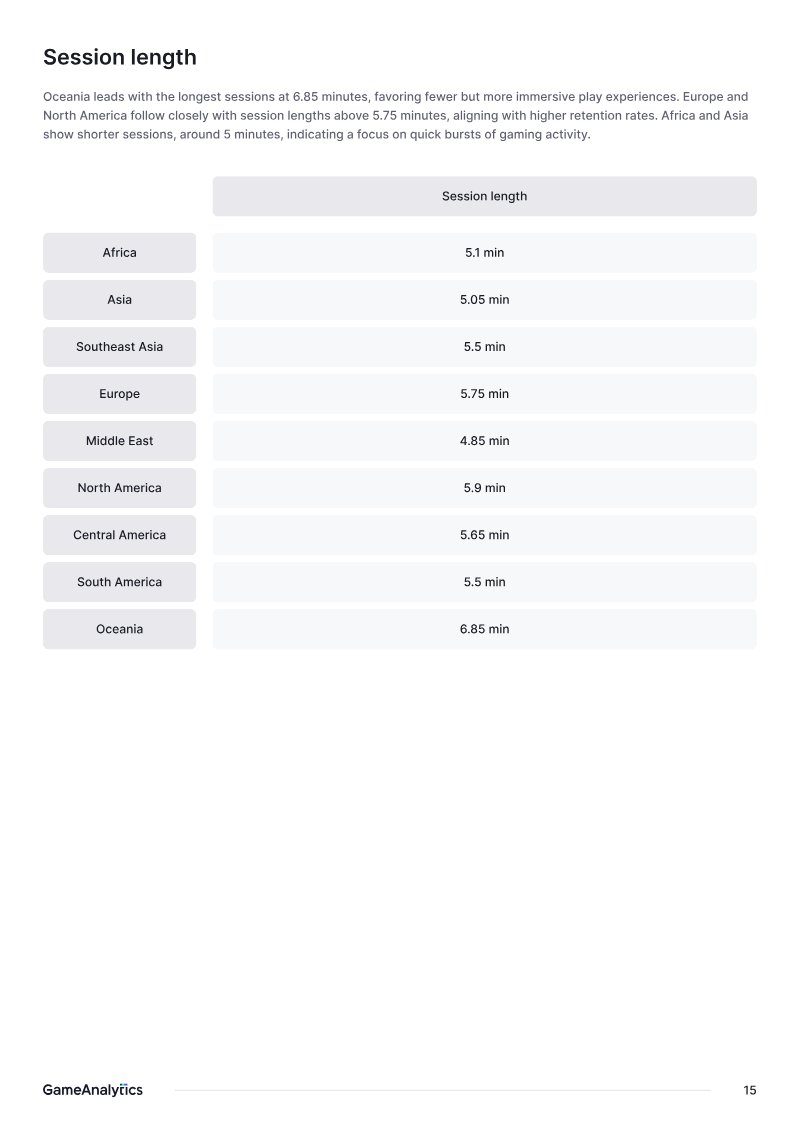
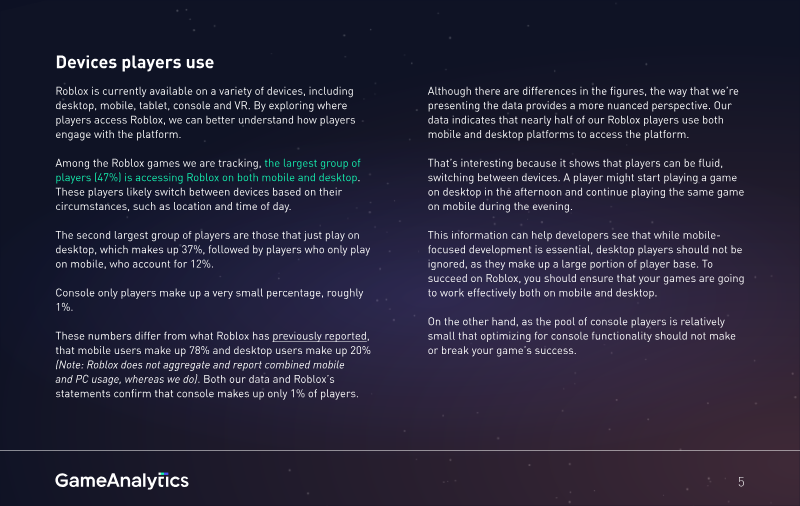
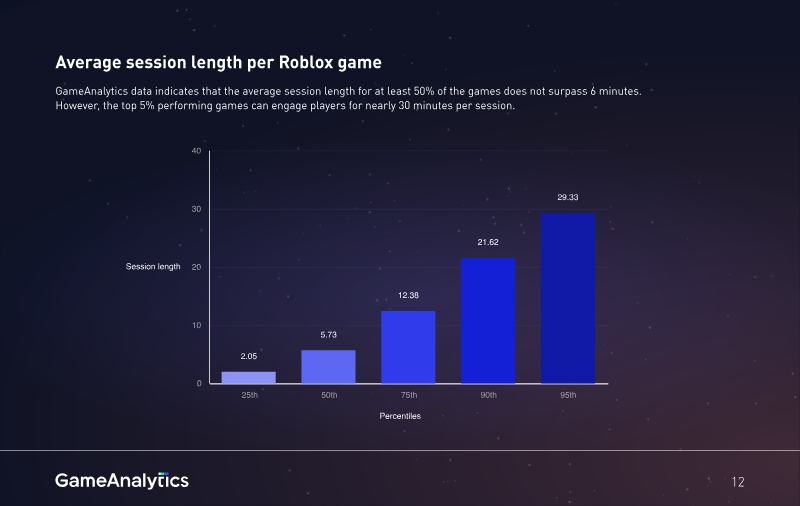
Mobile gaming engagement remains characterized by high-frequency, habitual daily play, yet the industry suffers from a stagnation in innovation and an over-reliance on monetization at the expense of genuine engagement. Success in this segment requires developers to move beyond generic feature sets and instead prioritize behavioral loops that foster long-term habit formation. Conversely, the PC gaming sector operates on a different paradigm, where success is measured by depth, session length, and content longevity. On this platform, retention and engagement metrics serve as indicators of long-term player commitment and the intrinsic value of immersive, long-form experiences rather than simple return frequency.
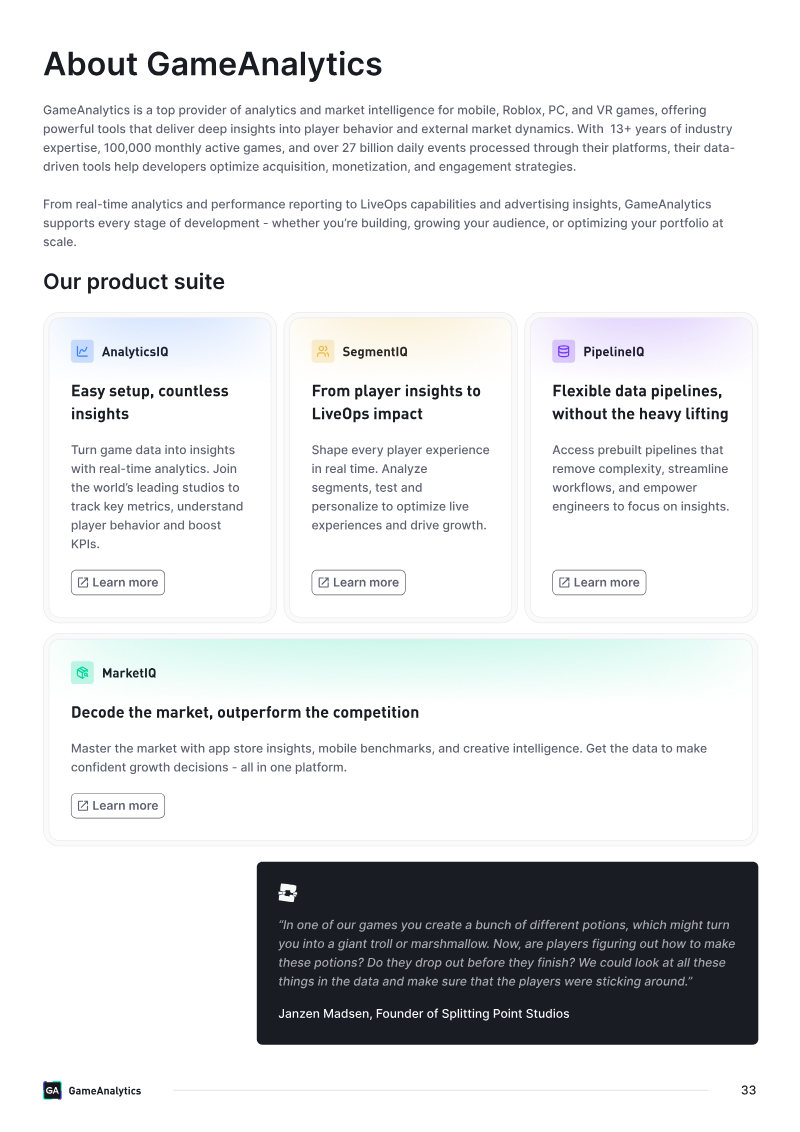
To navigate these challenges, studios are increasingly turning to advanced data-driven infrastructure to optimize player experiences. By leveraging real-time insights and sophisticated market intelligence, developers can better align their growth strategies with evolving player behaviors. Ultimately, the ability to sustain a competitive advantage in both mobile and PC markets depends on a rigorous focus on content quality and the implementation of robust, data-informed engagement strategies that cater to the specific demands of each platform.
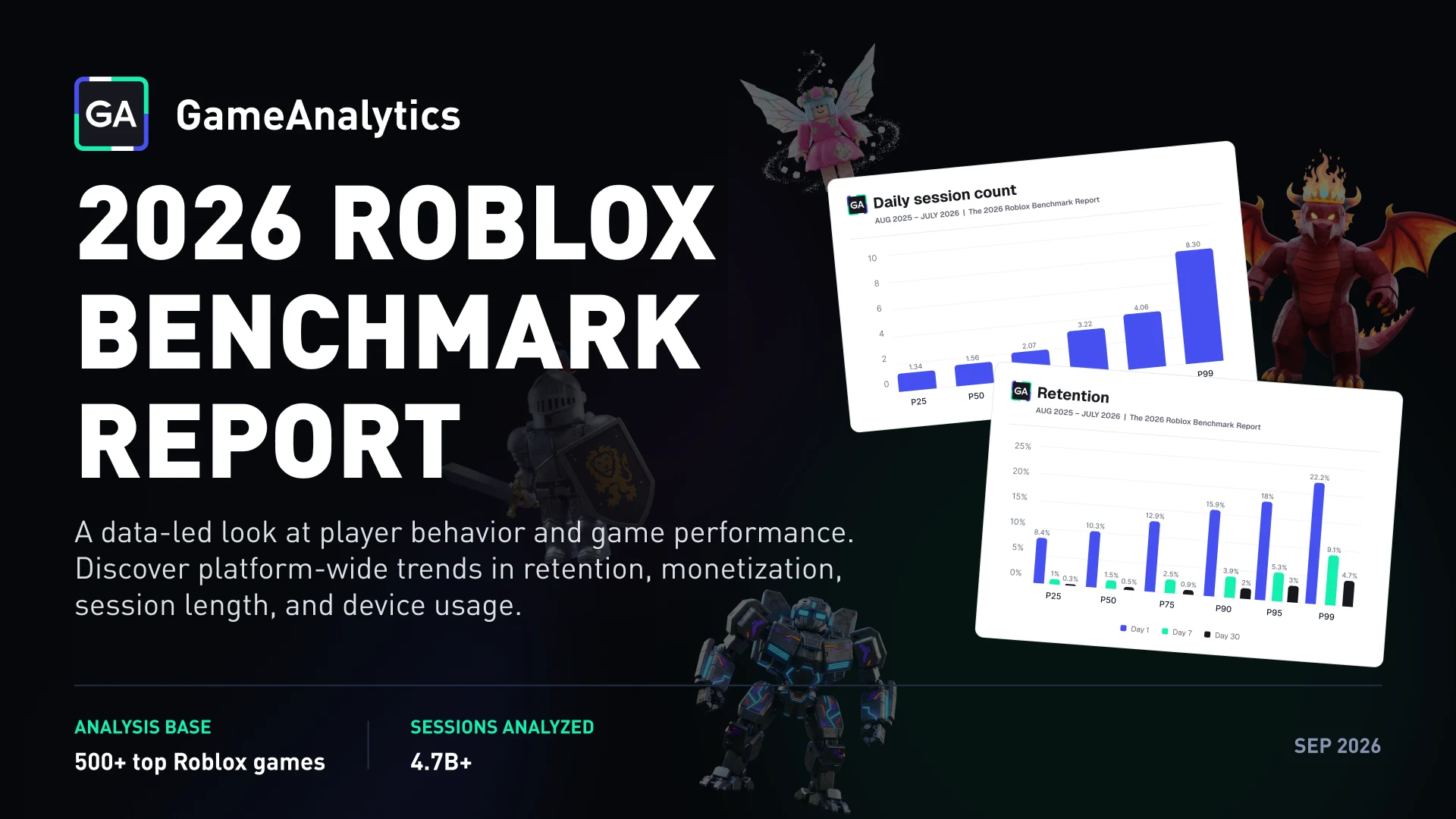
GameAnalytics · 2026
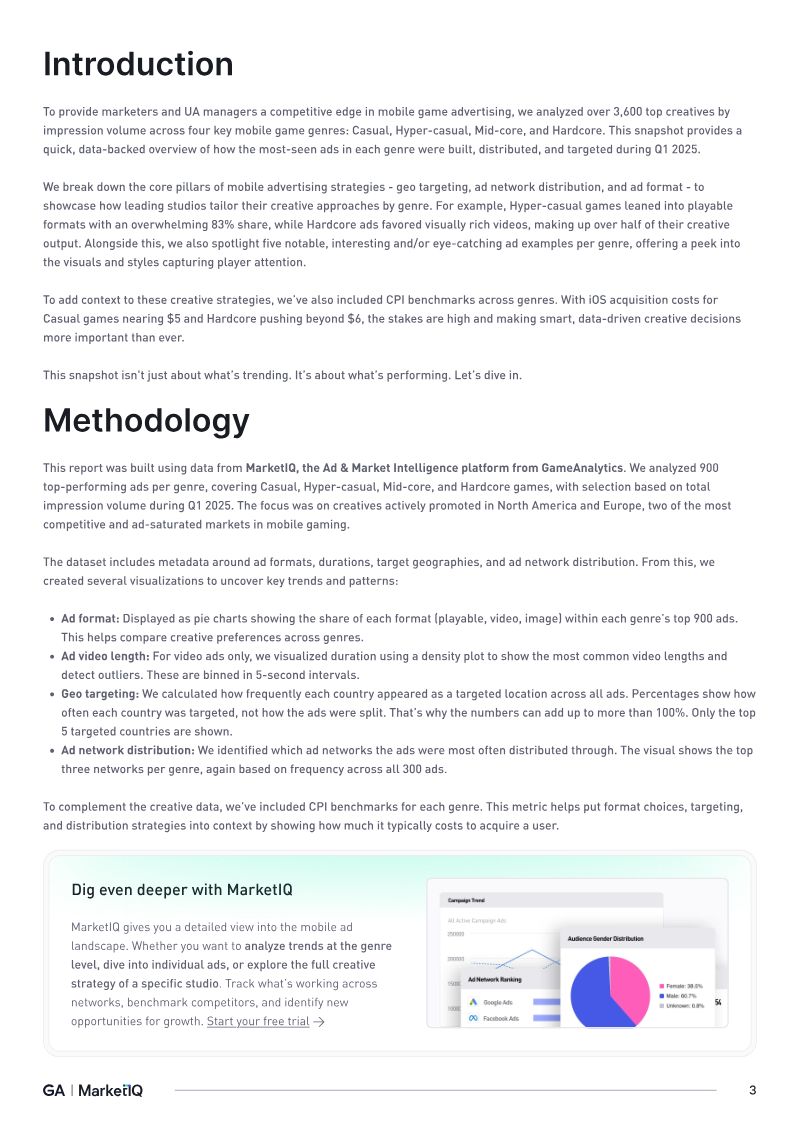
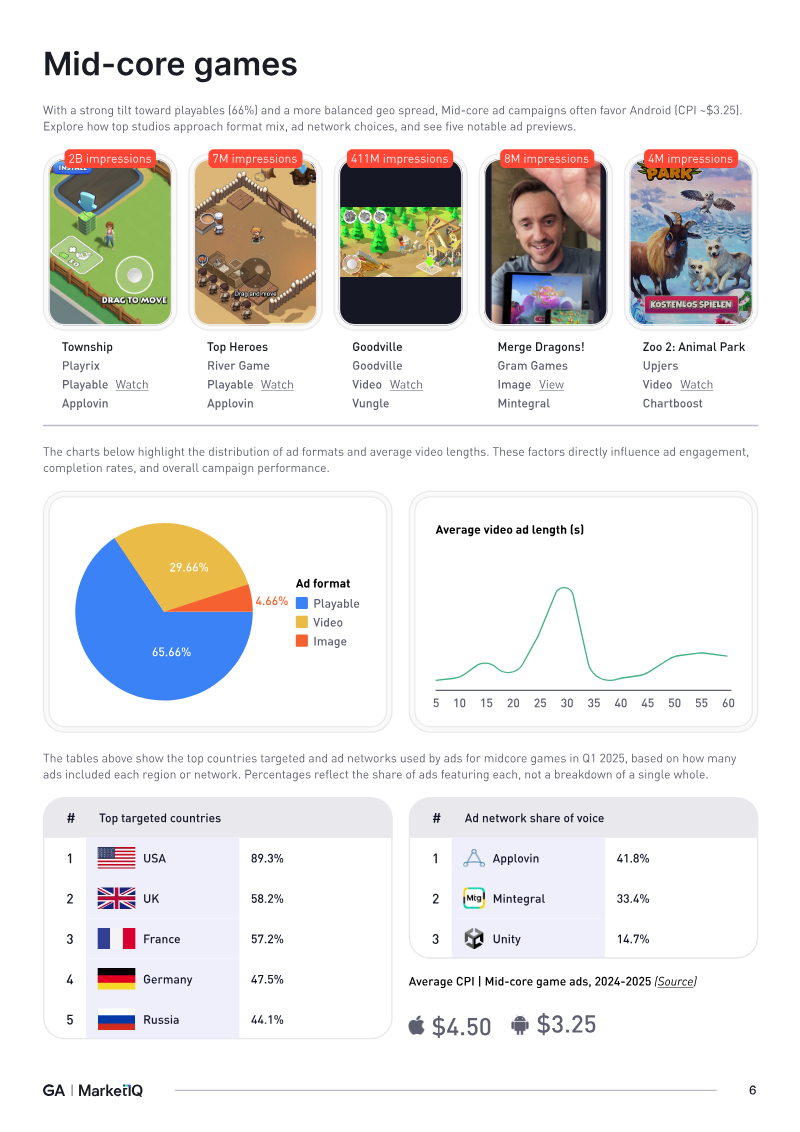
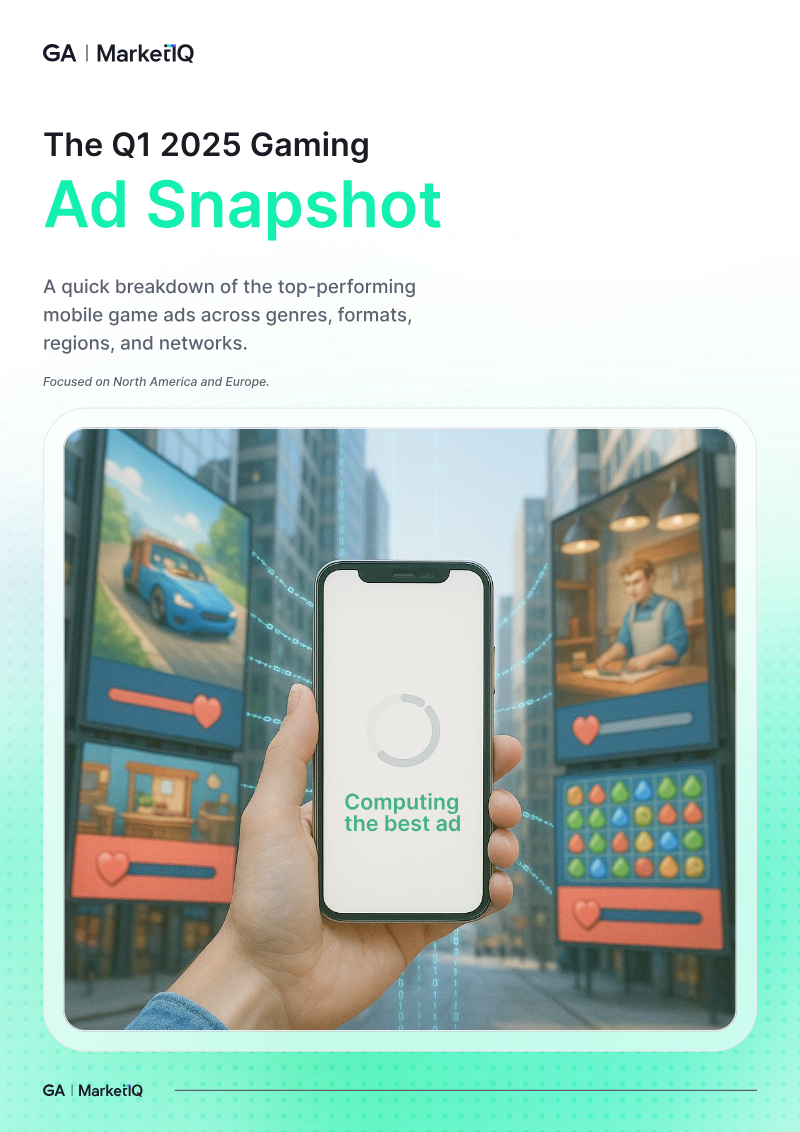
GameAnalytics · 2025

GameAnalytics · 2025

GameAnalytics · 2025
GameAnalytics · 2024
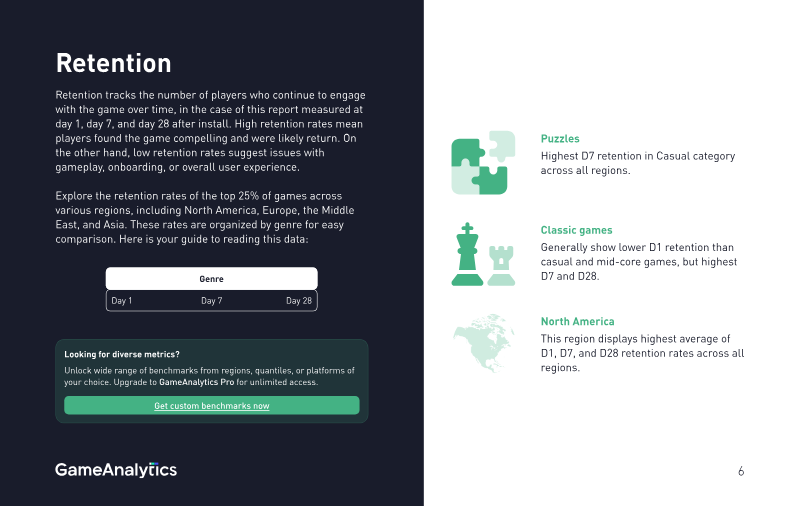
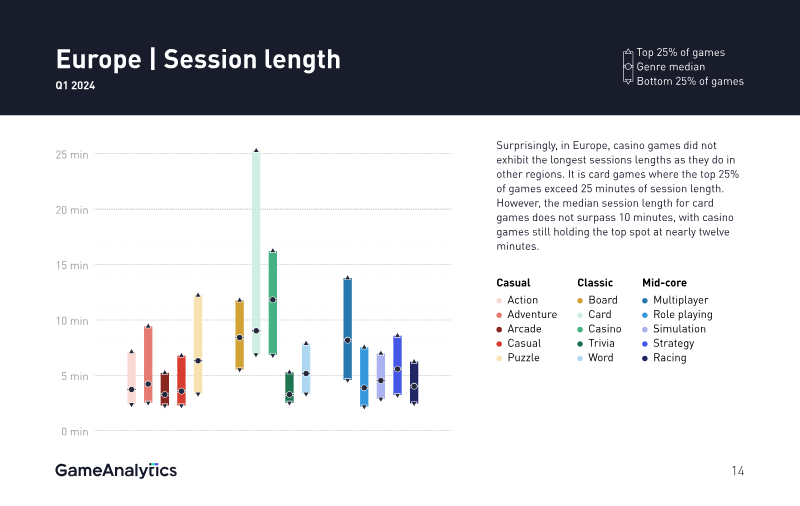
GameAnalytics · 2024
Tenjin · 2022
GameAnalytics · 2022

GameAnalytics · 2021

GameAnalytics · 2020
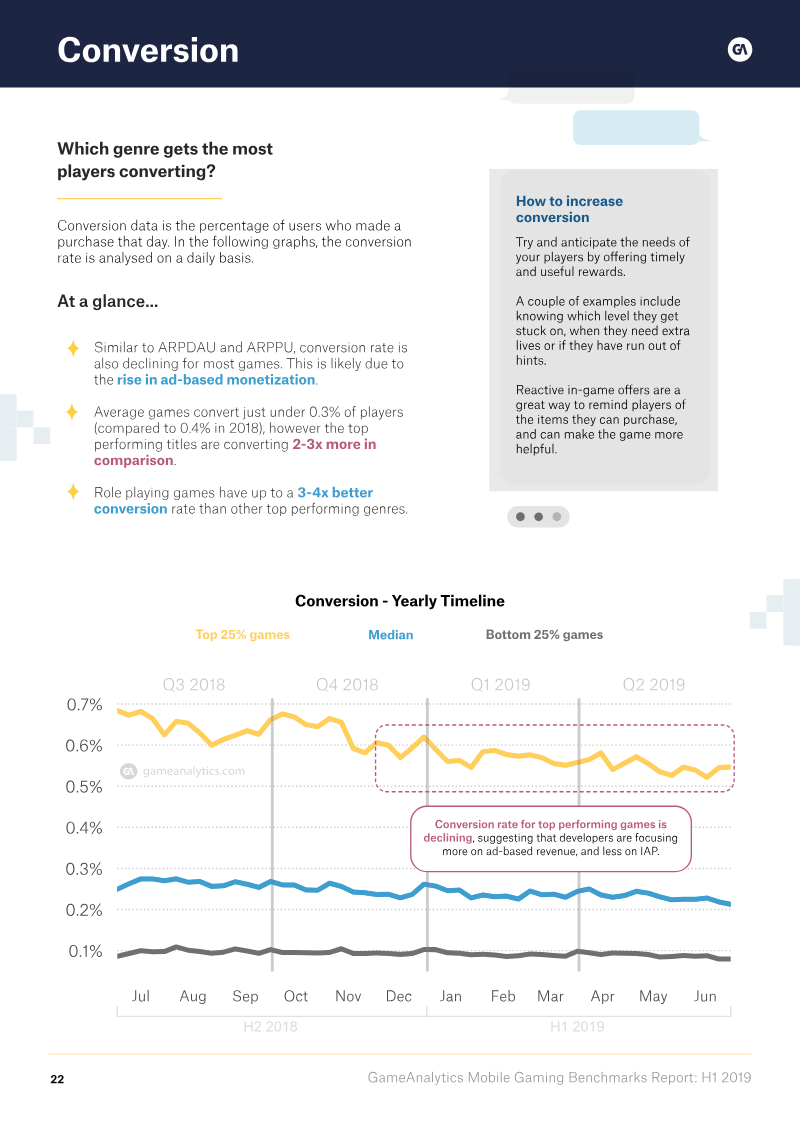
GameAnalytics · 2019
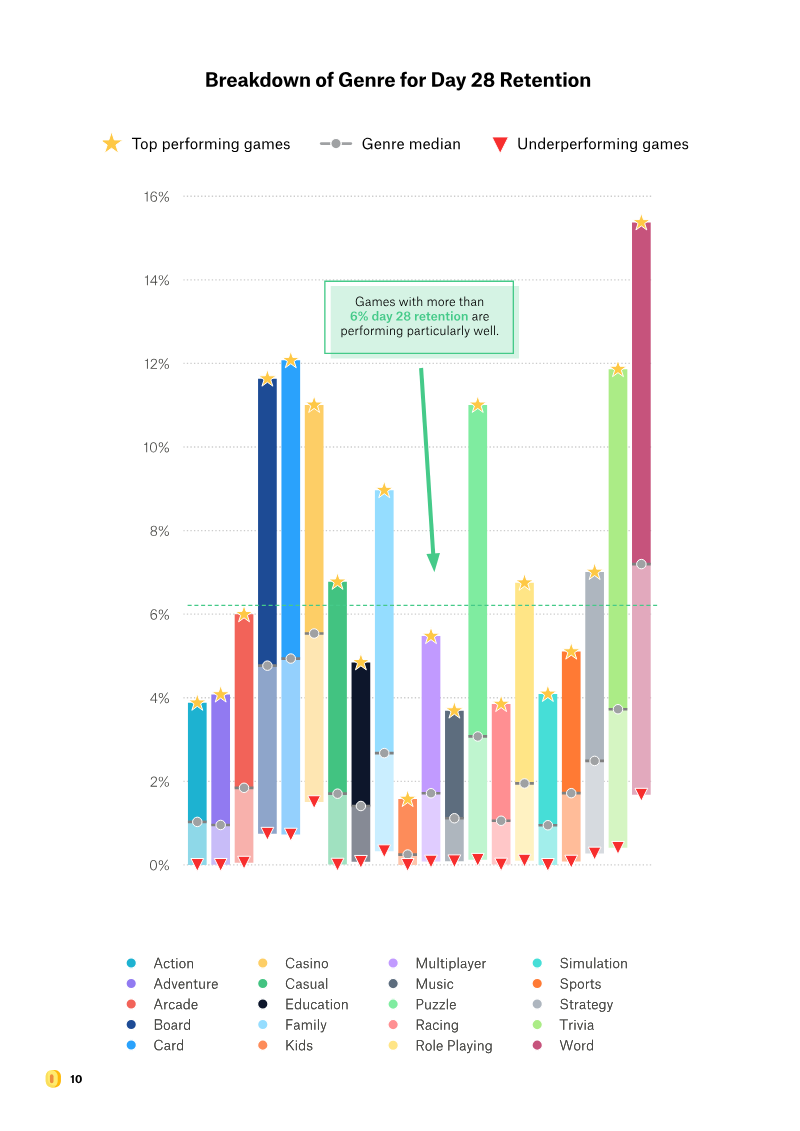
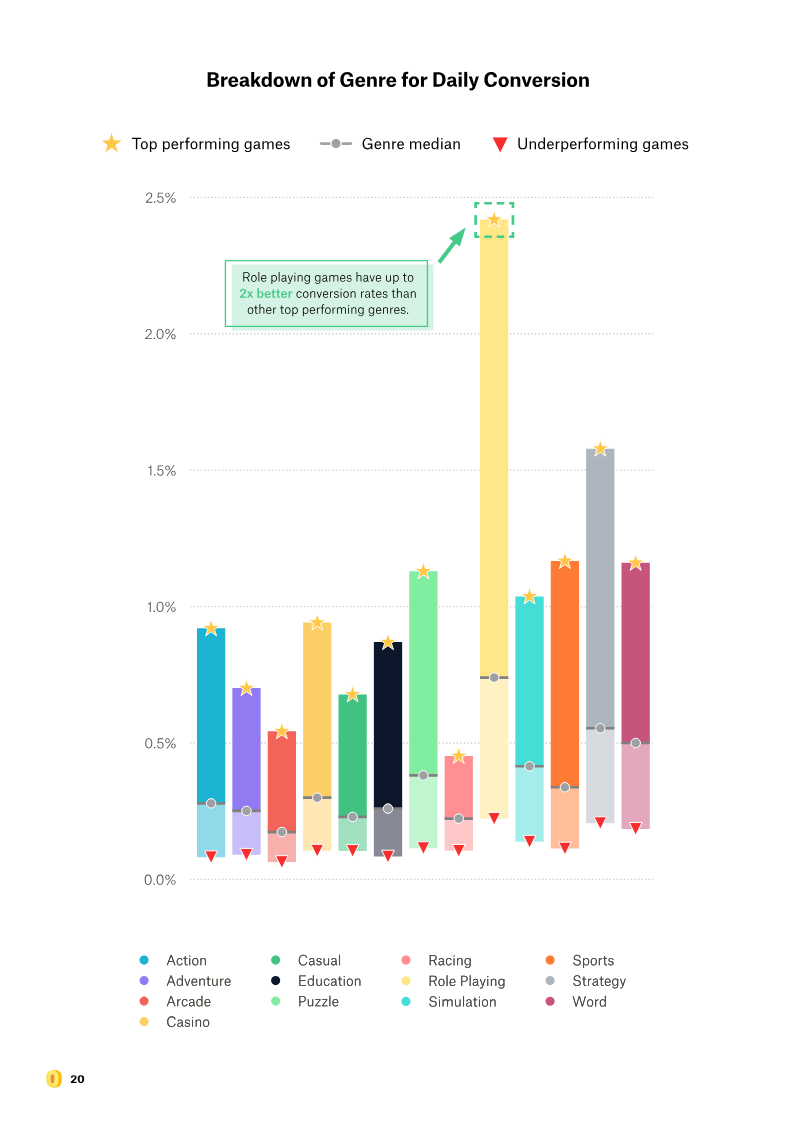
GameAnalytics · 2018
Deconstructor of Fun · 2025