1 free read left. Create a free account for unlimited reading + AI research.
Create free accountArticle Journal of Games Criticism
1 free read left. Create a free account for unlimited reading + AI research.
Create free accountArticleJournal of Games Criticism
Distilling the key insights…
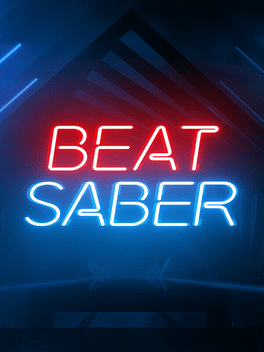
The Good Bag project serves as a critical exploration of how virtual reality modding can function as a vehicle for cultural preservation and social commentary. By integrating Wushu martial arts and Wuxia-influenced music into the rhythm game Beat Saber, the project seeks to challenge Western-centric gaming narratives while addressing themes of historical and contemporary racism. The primary thesis posits that modding acts as both a pedagogical tool for physical mastery and a platform for reclaiming cultural identity, effectively transforming a standard rhythm game into a space for meaningful, culturally centered dance.
The development process relies on an iterative, expert-led methodology, involving direct collaboration with a Wushu Grandmaster to ensure the authenticity of movement. While the technical architecture of Beat Saber imposes inherent constraints—specifically regarding the replication of complex, multi-directional martial arts—the project successfully abstracts these movements into a viable digital format. This synthesis demonstrates that even within rigid game frameworks, creators can navigate technical and ideological barriers to produce experiences that prioritize cultural expression over traditional combat simulation.
Ultimately, the findings suggest that while the mod functions more as a choreographed dance than a precise martial arts simulator, it remains an effective medium for cultural introduction and speed training. By embedding lyrics that confront colonial history and systemic injustice, the project establishes a framework for future-oriented discourse within digital play. This work underscores the potential for independent modding communities to expand the boundaries of commercial software, turning mainstream entertainment platforms into sophisticated tools for education, physical training, and the promotion of diverse cultural perspectives.
Each row is a game or company this document names, each column a document, oldest first. A mark means that document names it. Select a row to see those documents.
Journal of Games Criticism · 2026
Journal of Games Criticism · 2026
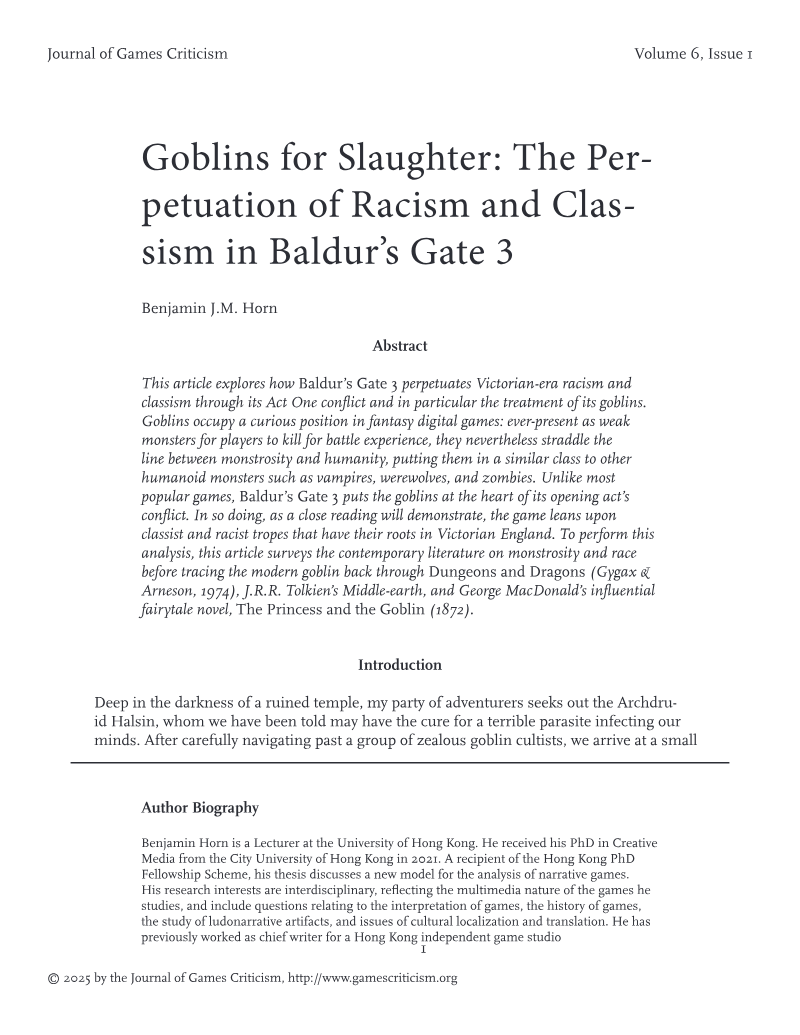
Journal of Games Criticism · 2025
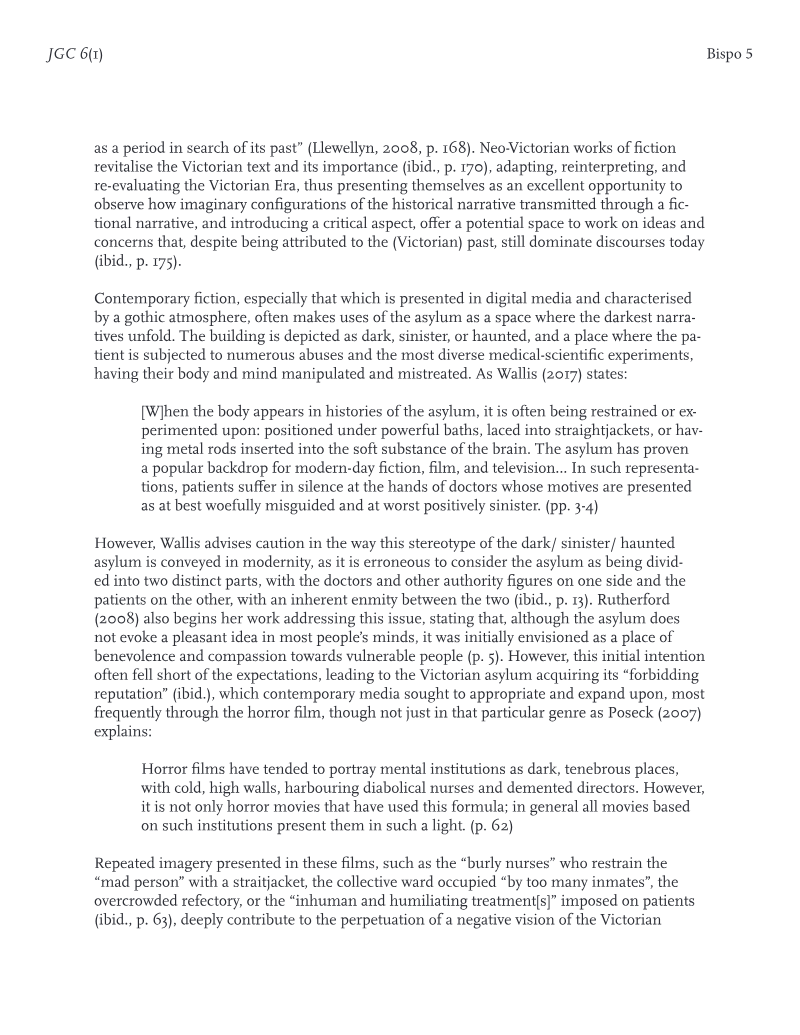
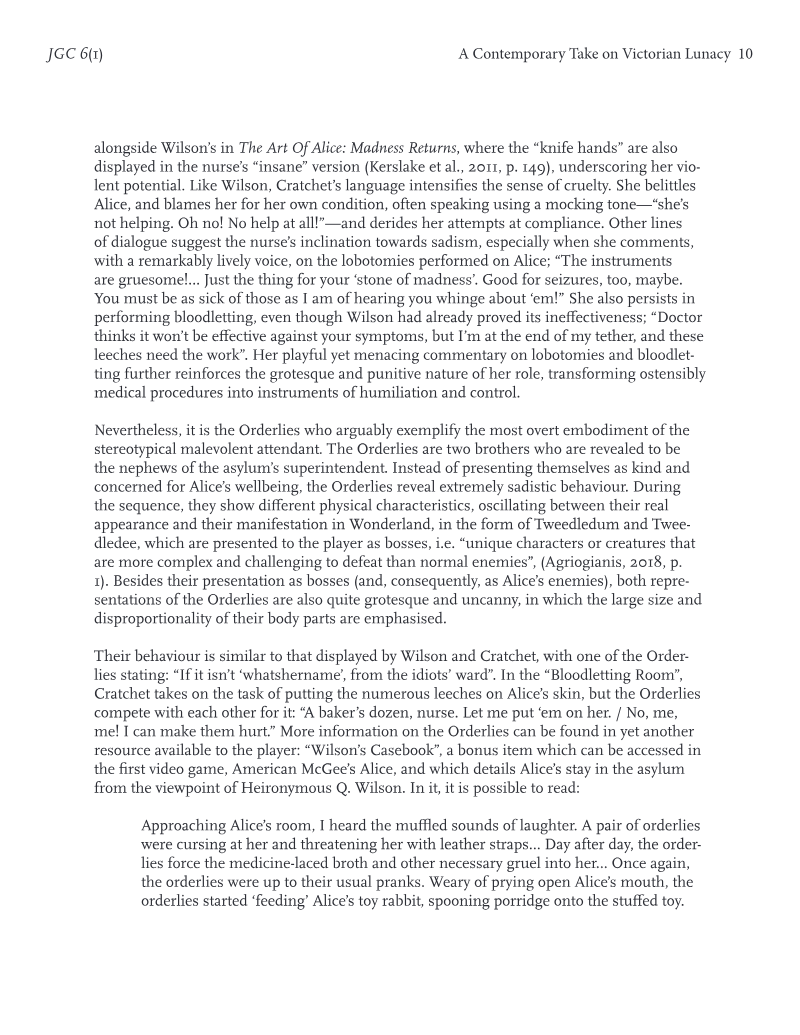
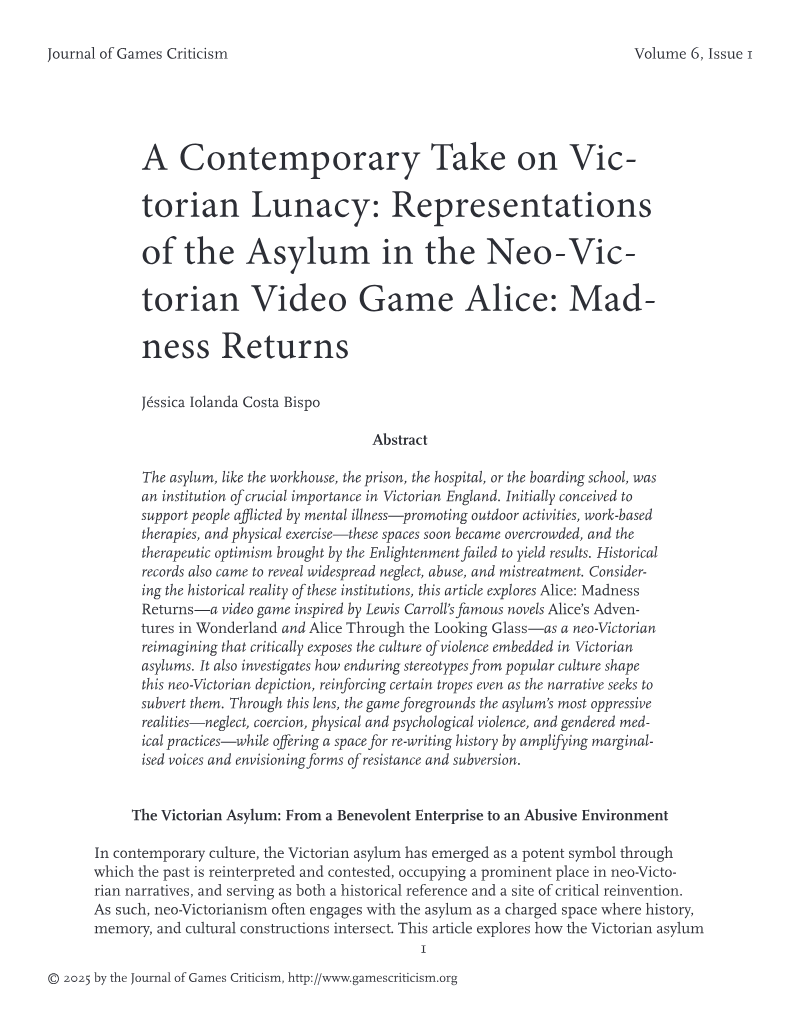
Journal of Games Criticism · 2025



Journal of Games Criticism · 2025



Journal of Games Criticism · 2025
Journal of Games Criticism · 2024
Journal of Games Criticism · 2024
Journal of Games Criticism · 2024
Journal of Games Criticism · 2024
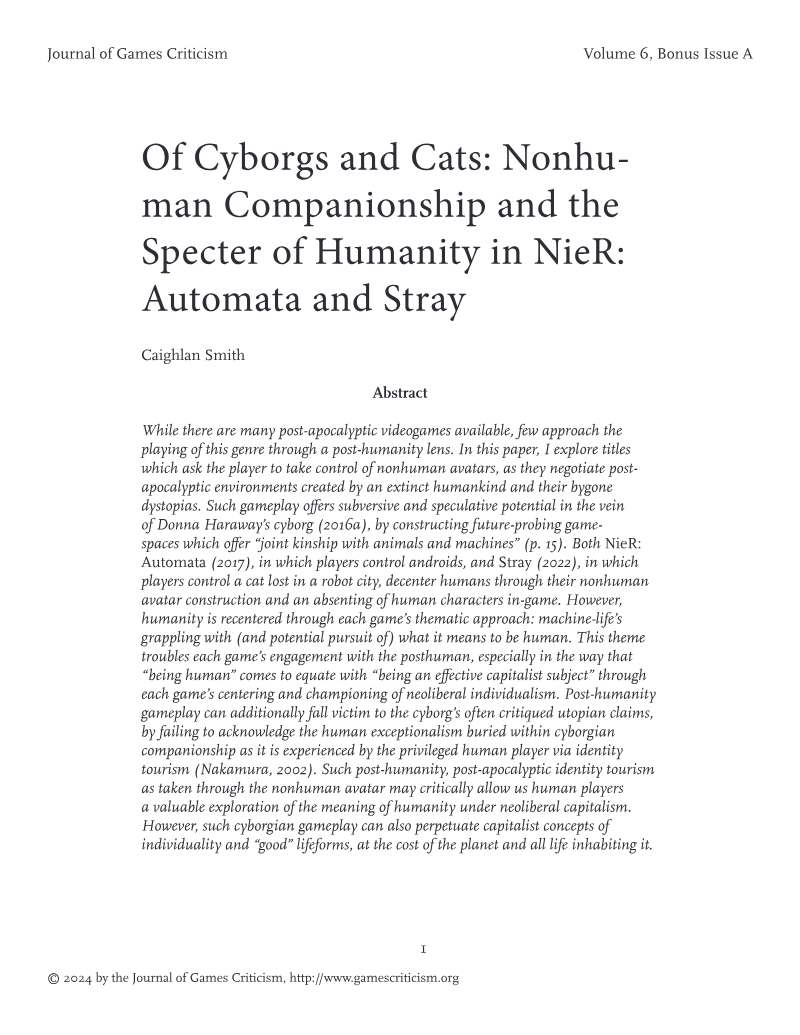
Journal of Games Criticism · 2024
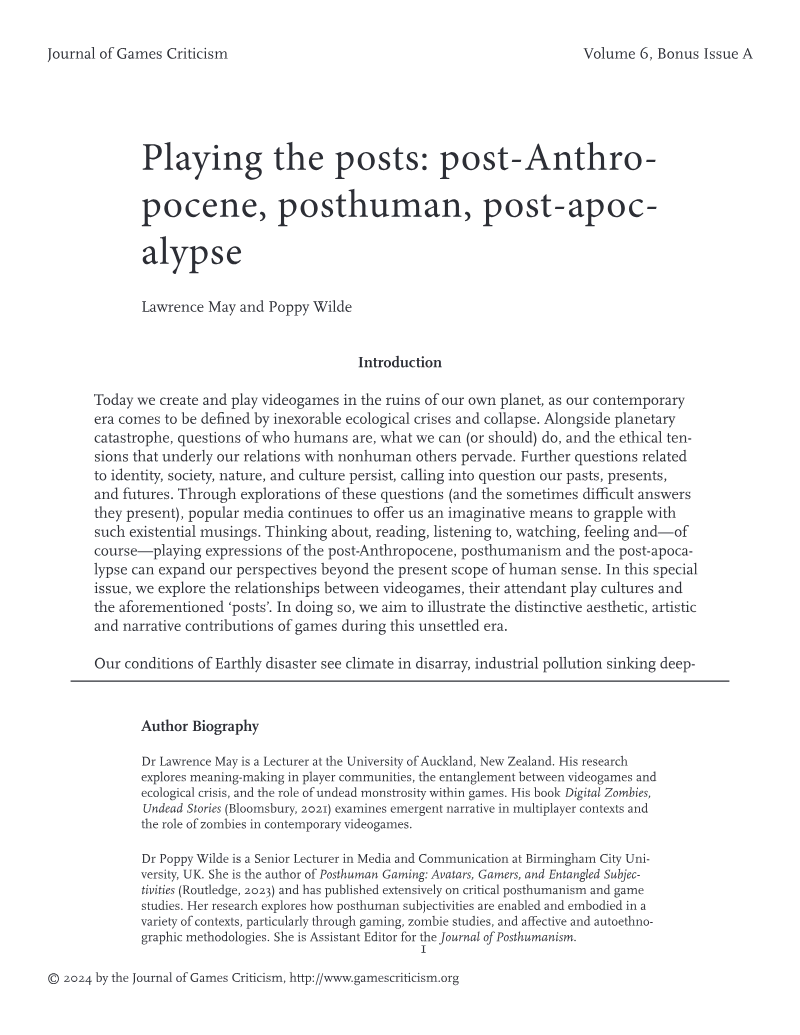
Journal of Games Criticism · 2024
International Journal of Role-Playing · 2026