More on Market Analysis
View all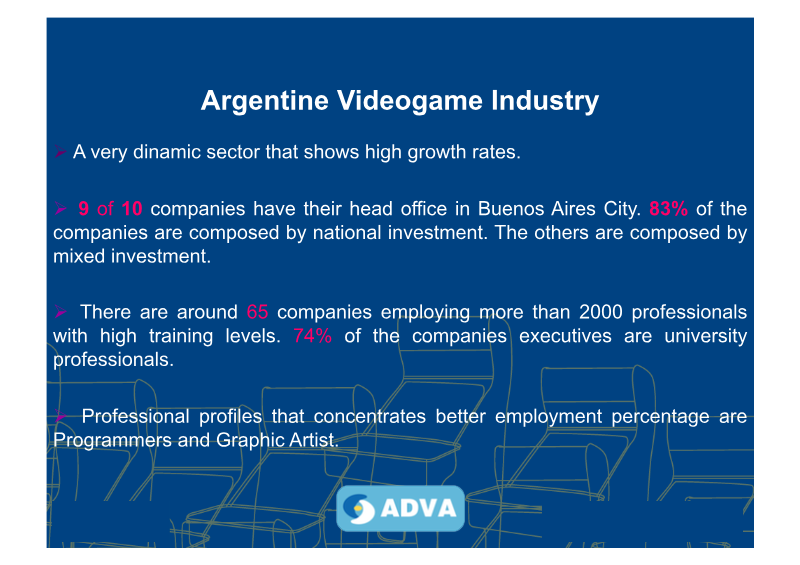
Report
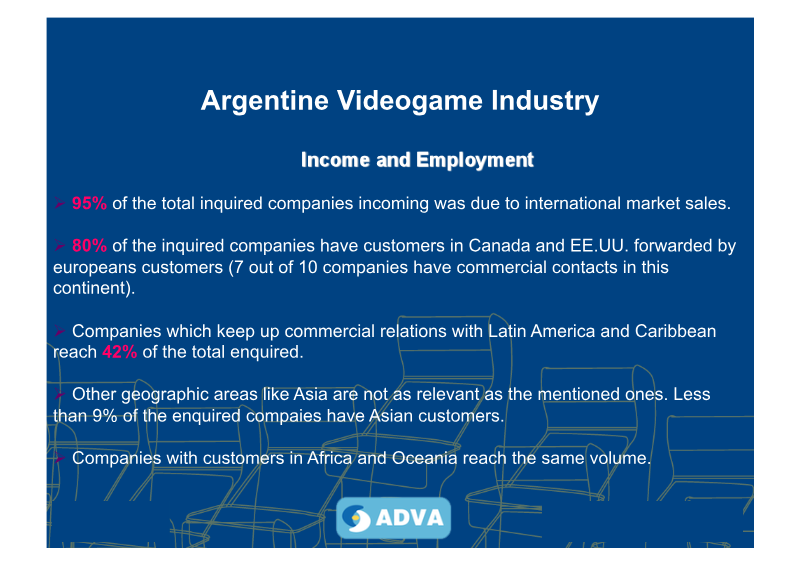
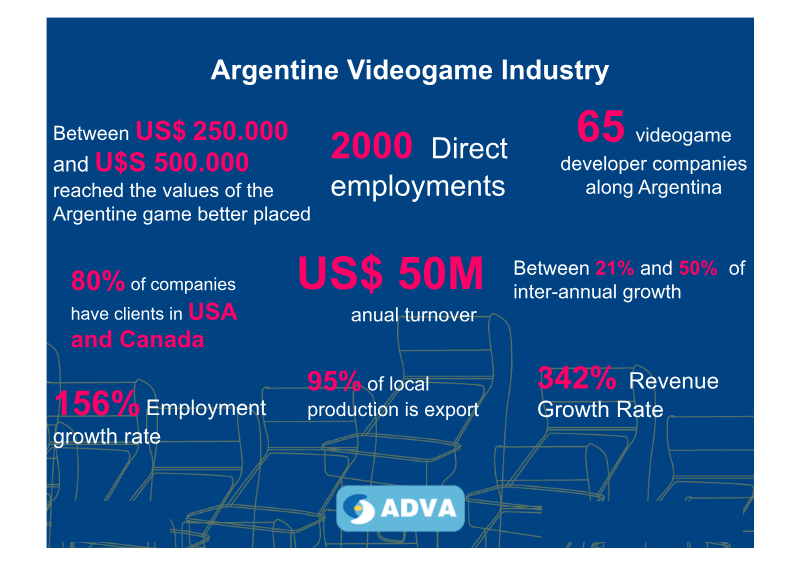
Argentine Videogame Industry
ADVA – Asociacion de Desarrolladores de Videojuegos Argentinos
Report
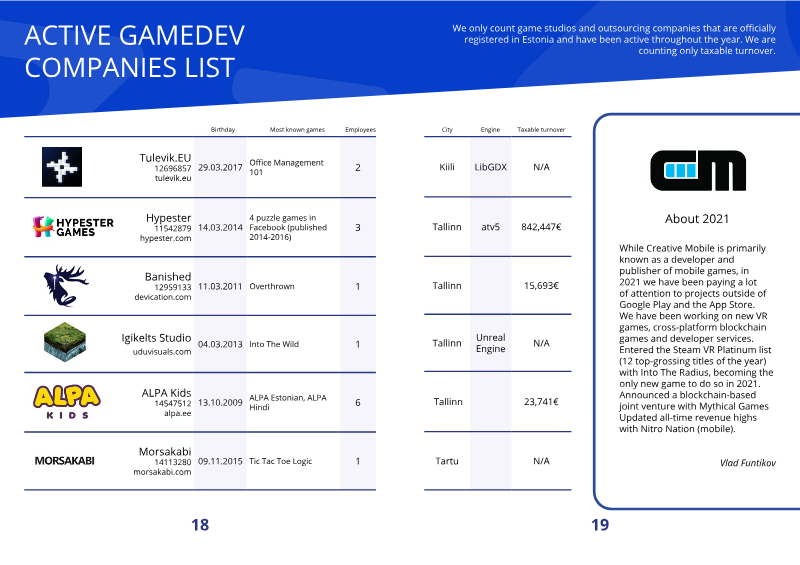
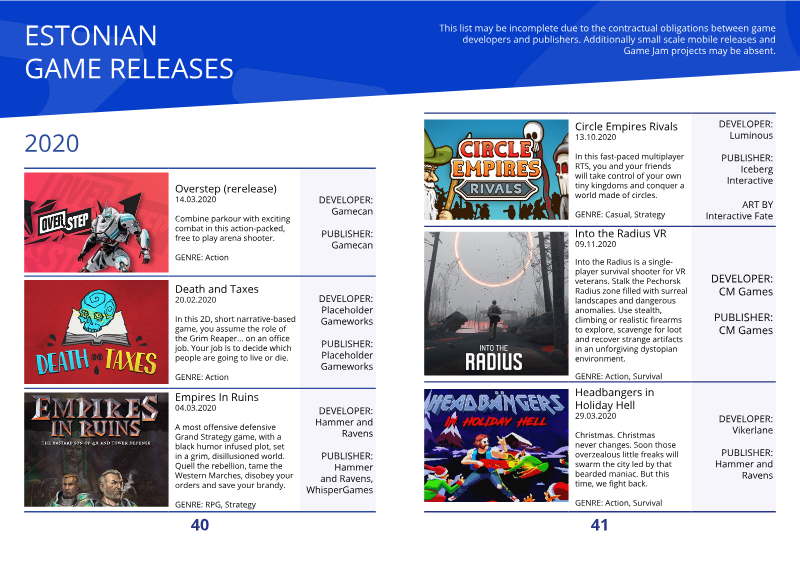
The Game Industry of Estonia 2021
GameDev Estonia

Report
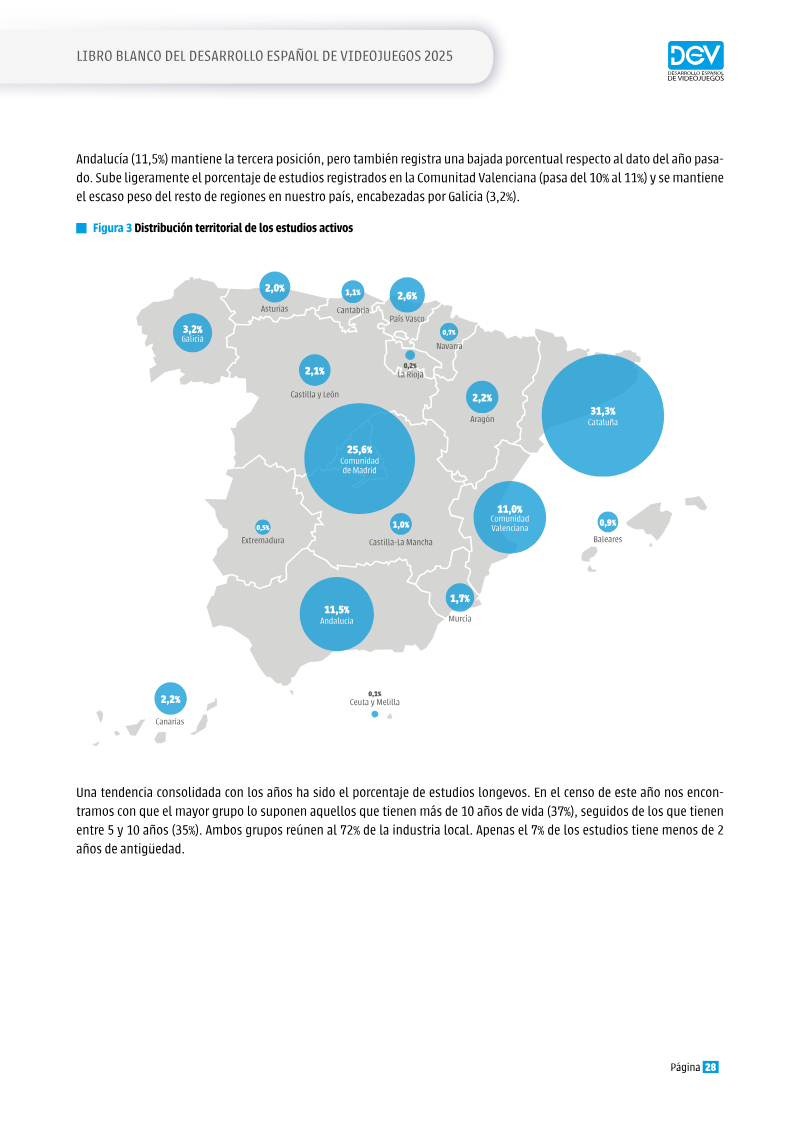
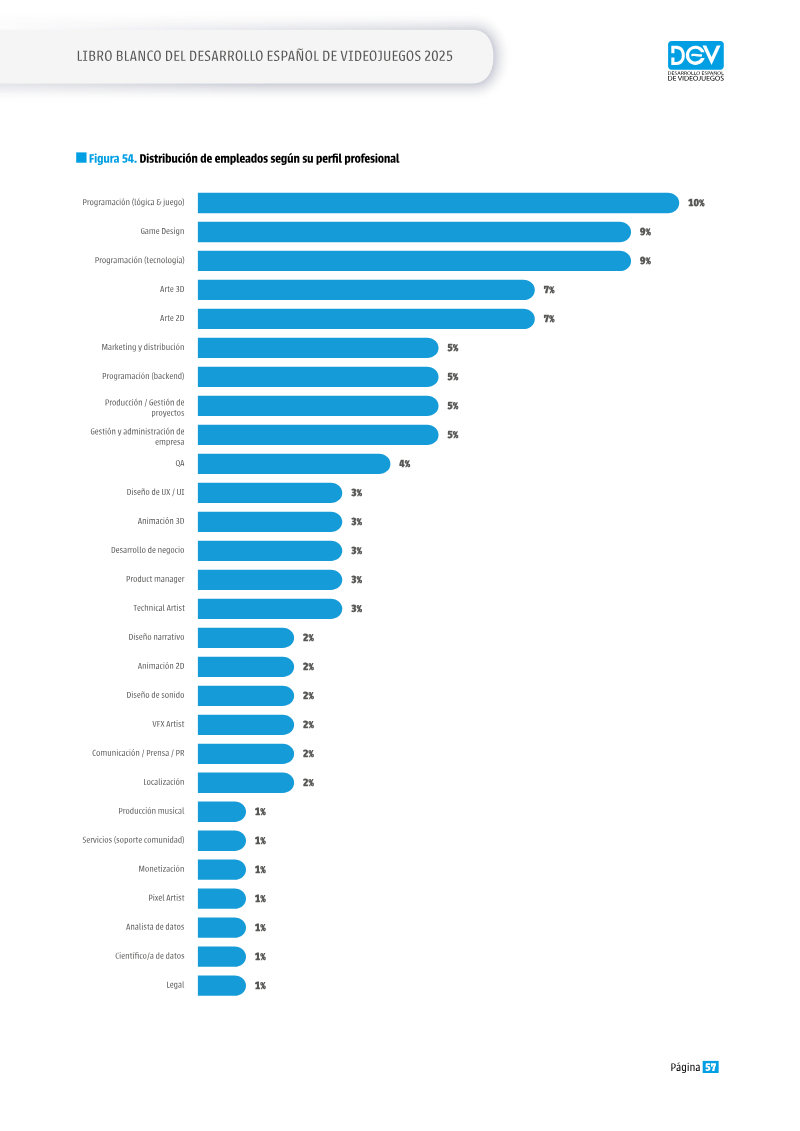
Libro Blanco del Desarrollo Español de Videojuegos 2025
DEV – Asociacion Espanola de Empresas Productoras y Desarrolladoras de Videojuegos · 2026
Report
Gamedev Salary Pulse 2026: North America, Western Europe, Nordics, Central and Eastern Europe
8Bit · 2026

Game Dev Unchained
Europe and Asia Game Industry is Booming! | Games ReCAP
Game Dev Unchained · 2025

Game Dev Unchained
Crunch Deaths, Mass Layoffs, Political Firings, and Global Shifts | Games ReCap | 367
Game Dev Unchained · 2025
Report
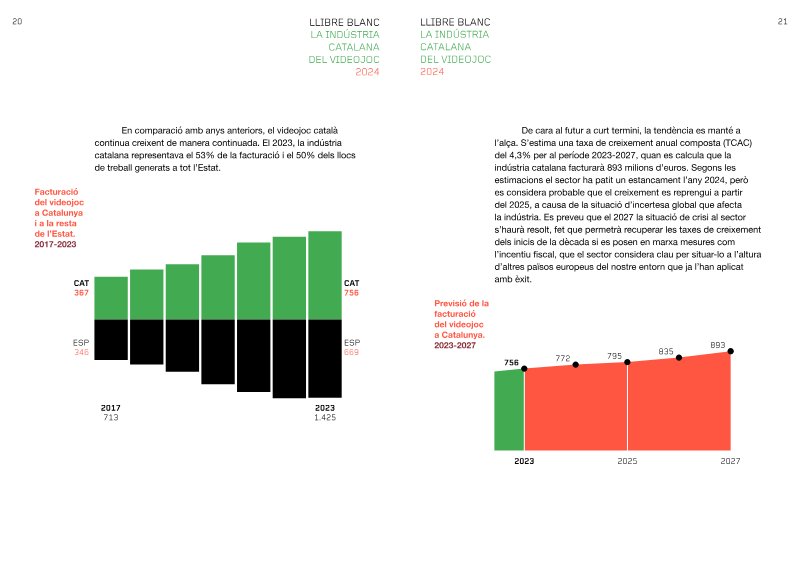
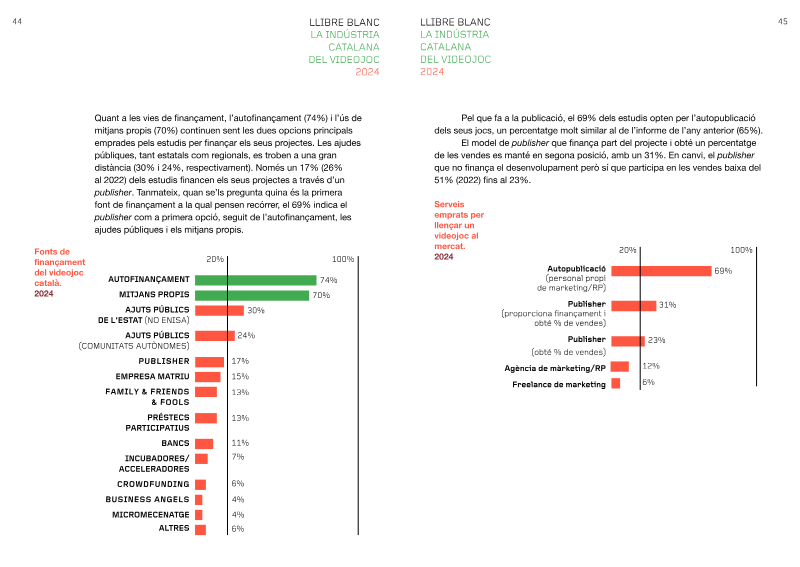
Llibre Blanc de la Indústria Catalana del Videojoc 2024
Direcció General d’Innovació i Cultura Digital · 2025
Report
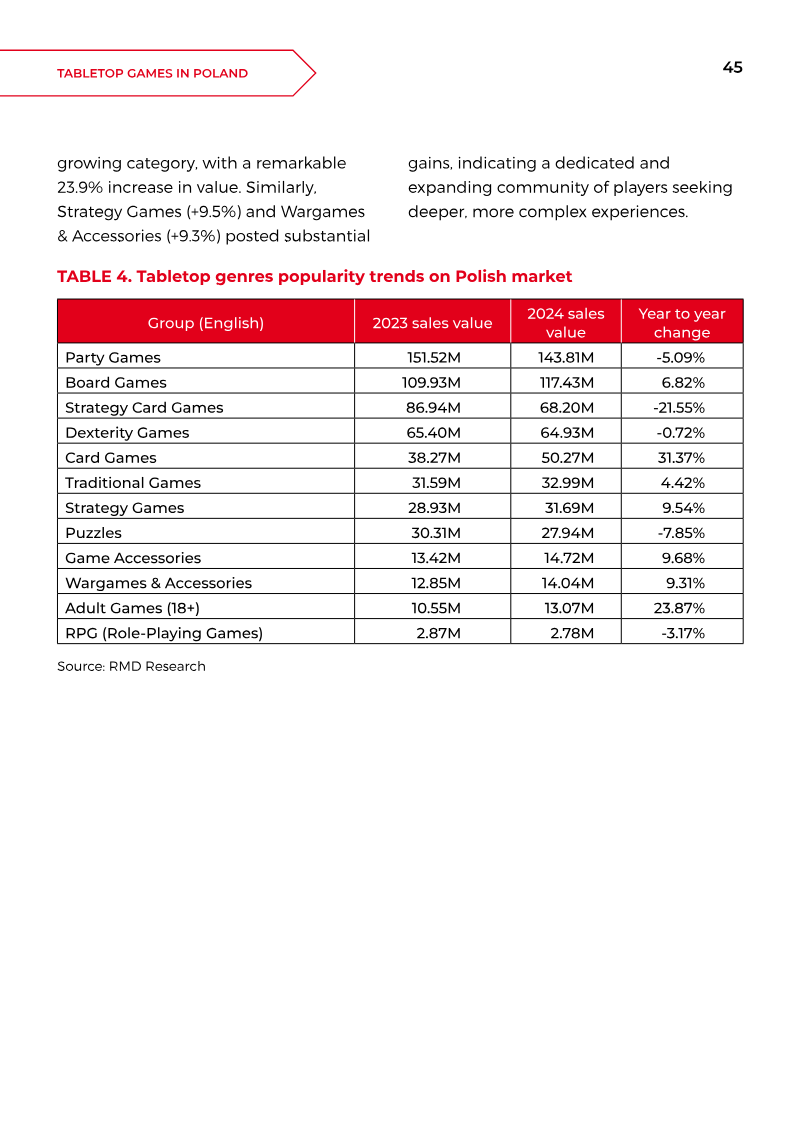
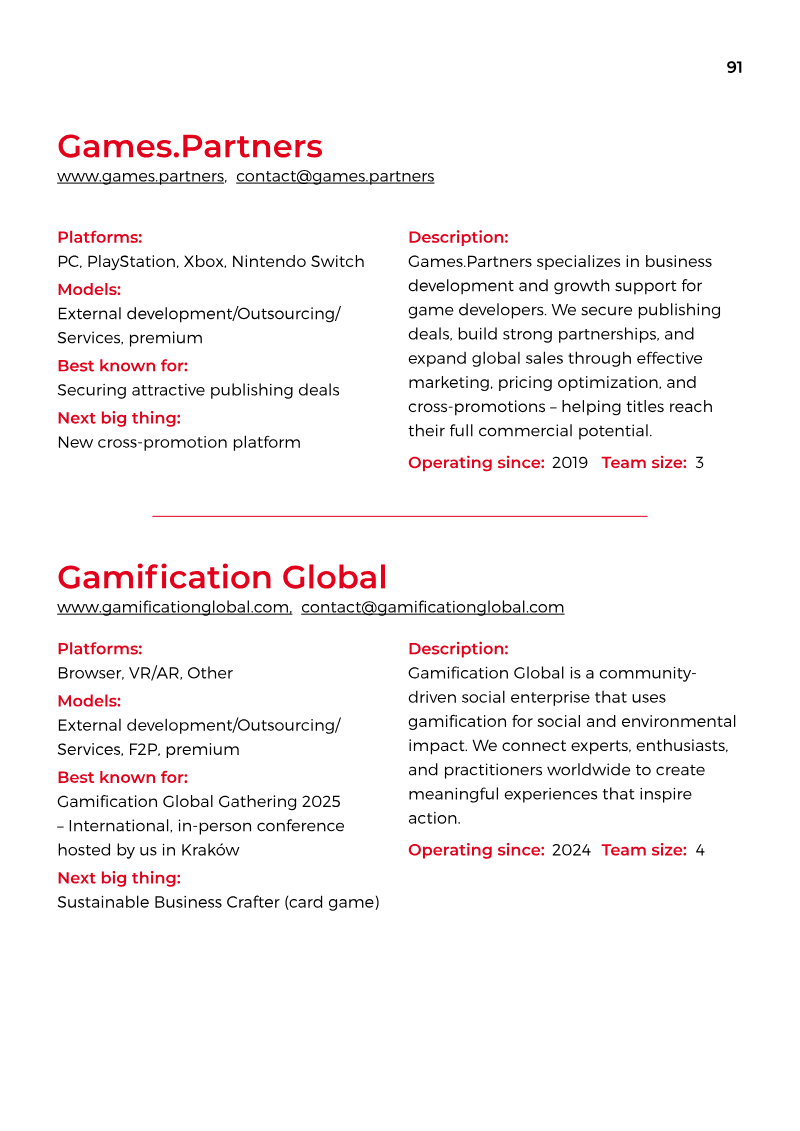
The Game Industry of Poland: 2025
Polish Agency for Enterprise Development · 2025

Report
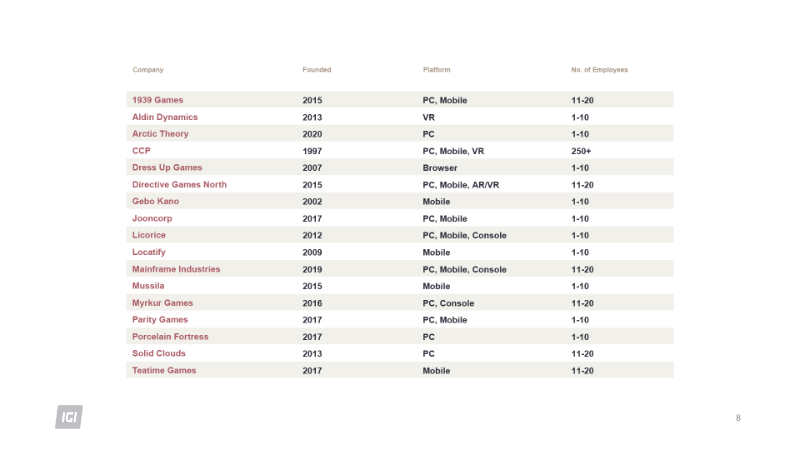
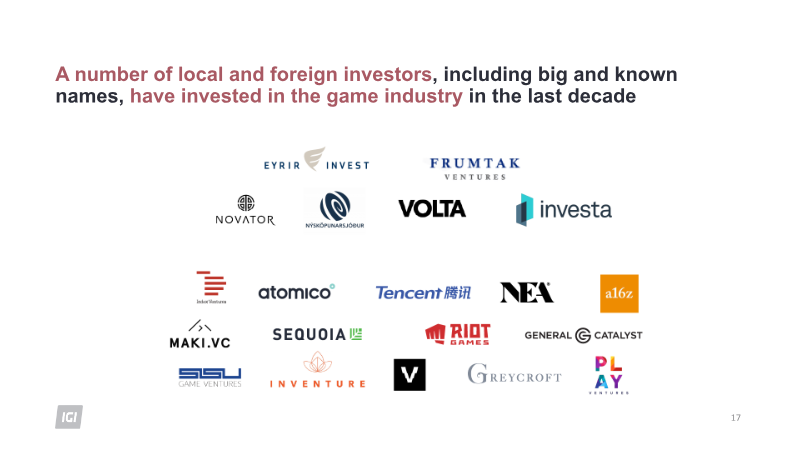
State of the Icelandic Game Industry 2019
Icelandic Game Industry · 2024
Report
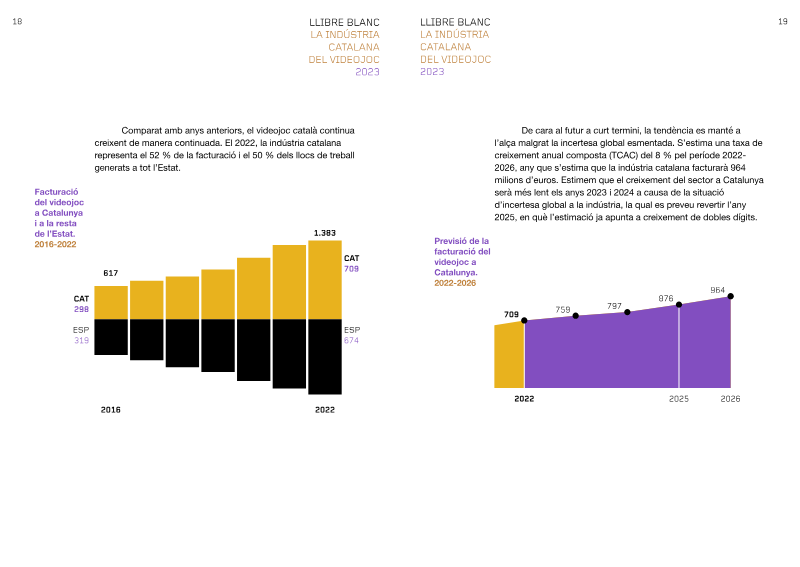
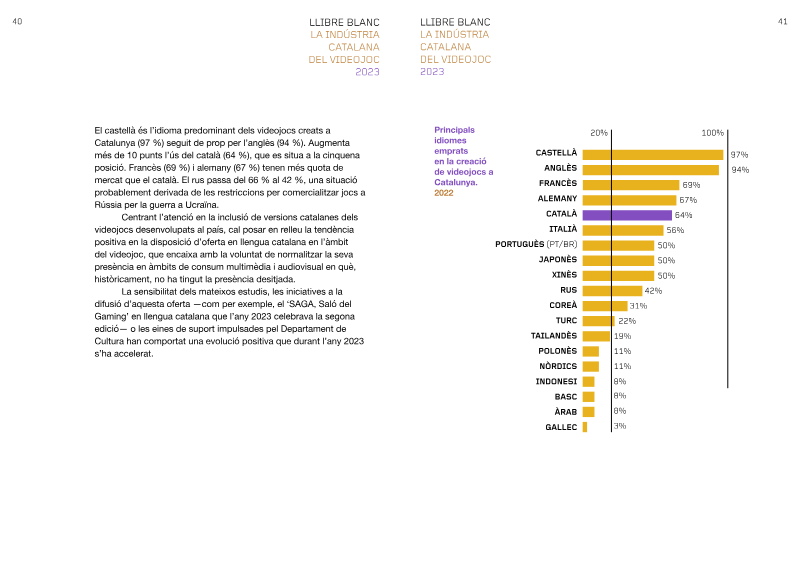
White Paper Catalan Video Game Industry 2023
DEV · 2023
Report
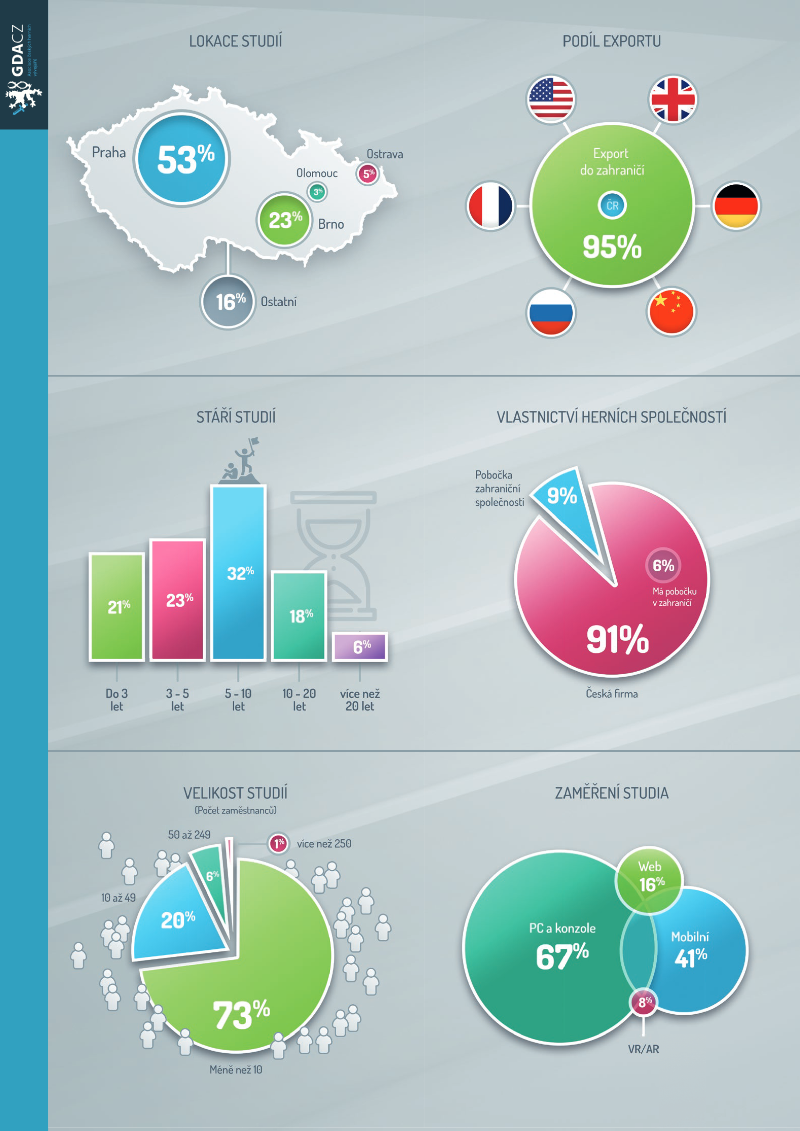
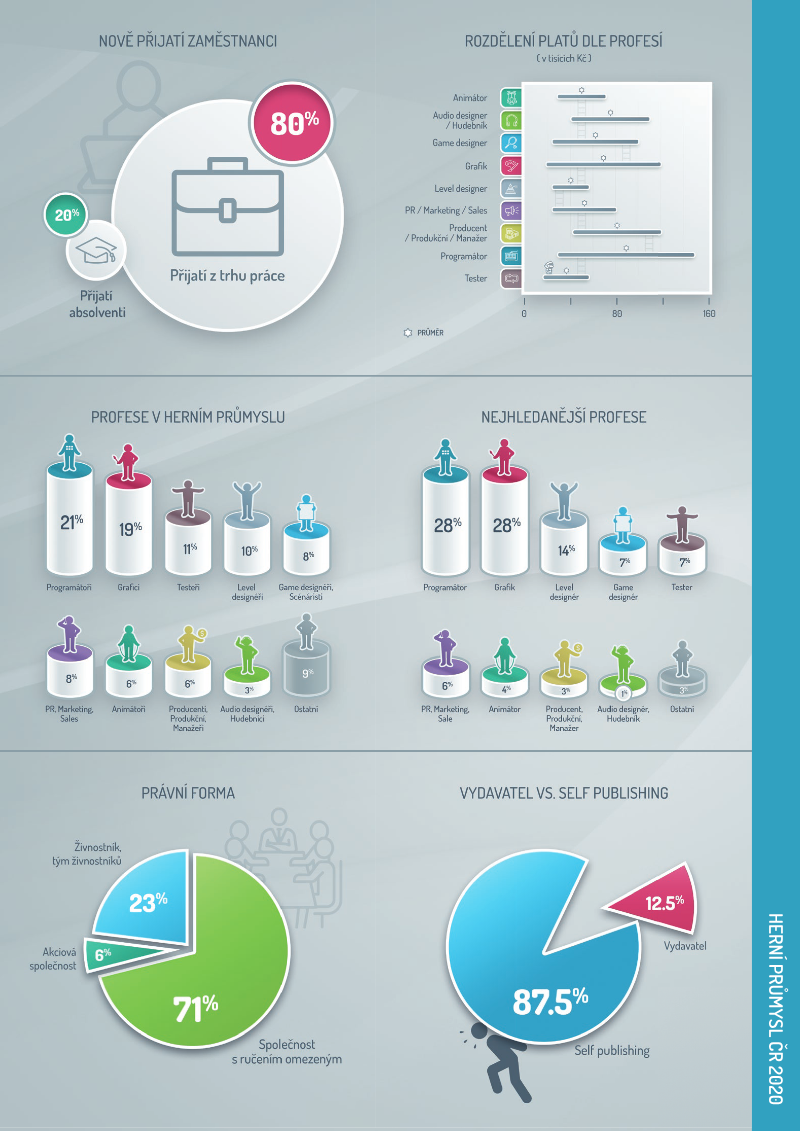
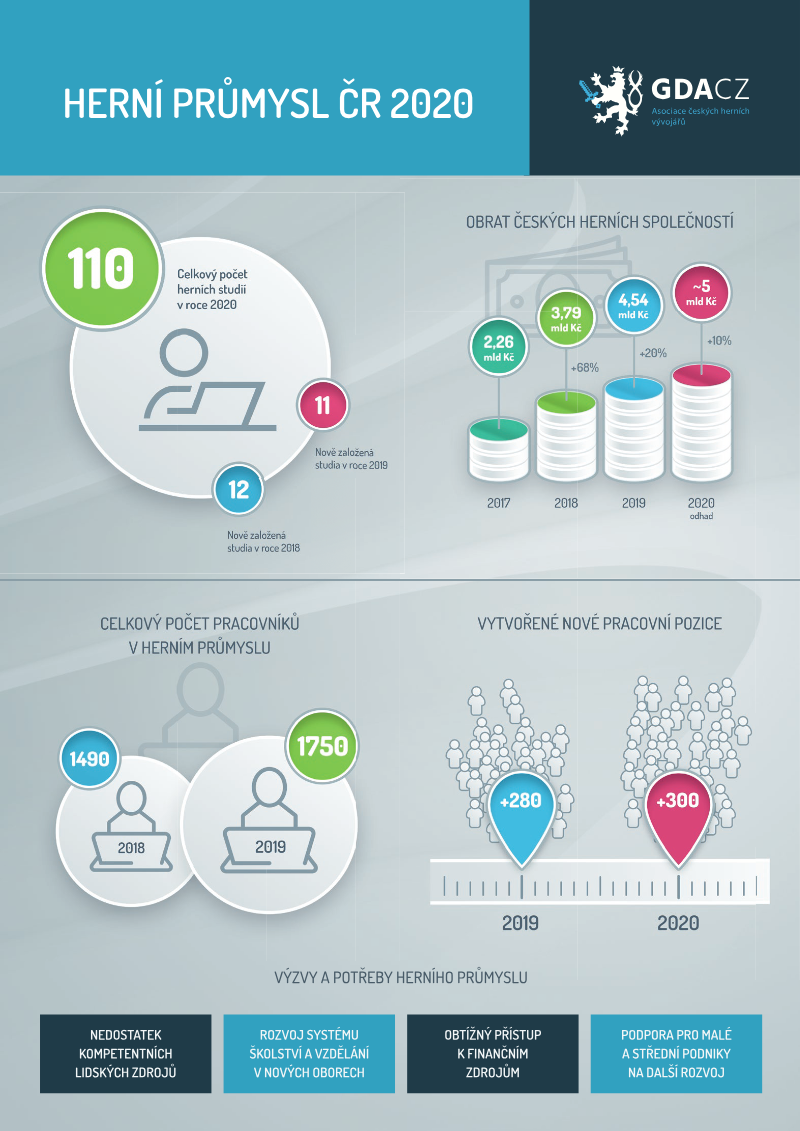
Herní průmysl ČR 2020
GDACZ – Czech Game Developers Association · 2020
Report
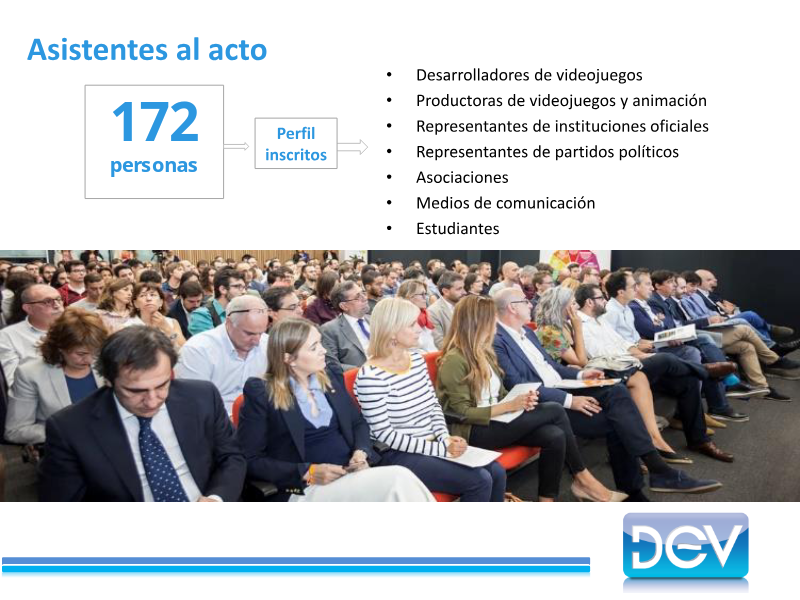
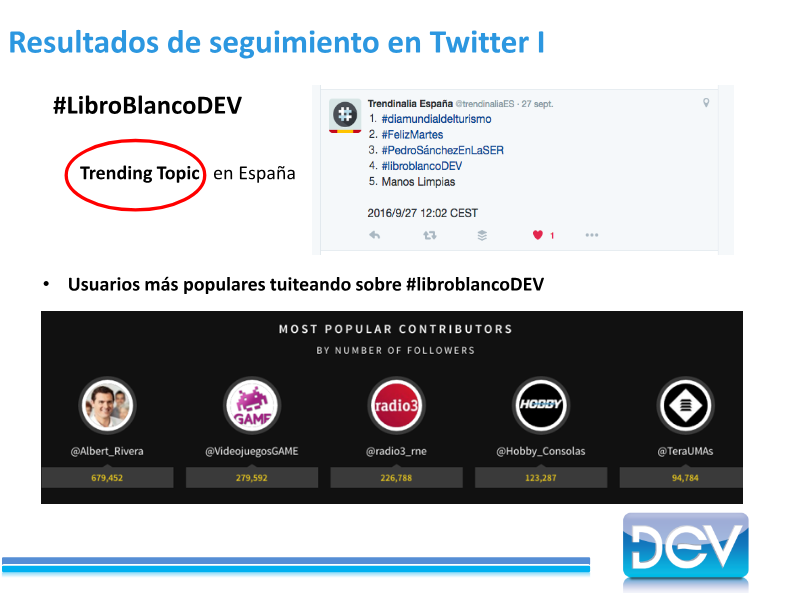
Libro Blanco del Desarrollo Español de Videojuegos 2016
ICEX España Exportación e Inversiones · 2016