VideoThe Game Business
Number of video game journalists plummets. Plus! More on Xbox and Atari launches IMDB rival
9 Jul 202665 min video
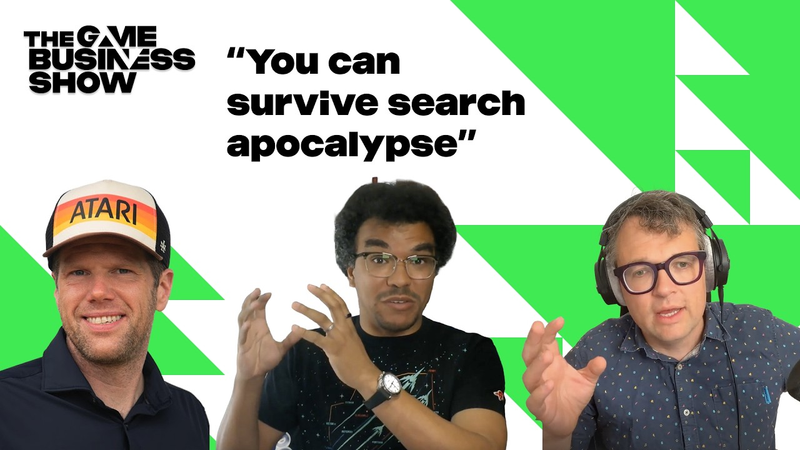
This week, more Fallout from the Xbox cuts, a new video game website appears, and we speak to Atari's new European president. Hello and welcome to the Game Business Show. Yes, we have more Xboxes talk about the story that never ends. Um, but I do have a few clarifications to make. On Monday, we did a podcast announcing the cuts at Xbox. In that podcast, I mentioned there were 3,000 job cuts plus the people who were leaving with the studios that Xbox are divesting from. So that's Double Fine, Undead Labs, Compulsion, and Ninja Fury. Asha Sharma's email said 3,200 people are leaving Xbox. The difference between those two numbers is that Ash's numbers include the people who are leaving with those studios. Both of those numbers came directly from Xbox. Now, what I will say, they don't quite add up. Um, there is about 300 350 people in those four divested studios, but but the numbers are all relatively rough. Anyway, Xbox isn't laying off exactly 3,200 people. It might be a bit under that, might be a bit over that, but
anyway, that's the difference between those two numbers. And the second clarification is on a mistake we made last week. In last Thursday's episode, we did a piece on how people within Xbox are feeling currently about all the changes going on there. And it was quite a divided set of viewpoints. If you remember in that piece I listed the studios that Xbox was looking to get rid of. Basically that list included the four studios that that have been announced but it also included Obsidian. Now that was wrong. Obsidian was not being divested. It is been hit hard by layoffs. Reportedly upwards of 70 staff have been cut there. Um now where that came from our end is we received an investor deck which we understood was being sent around to potential investors to potential publishers basically saying hey do you want these studios? in that deck was Obsidian. Um, we've tried to get to the bottom as to why they were in there. The best we can get is it may have been a mistake. It's quite a weird mistake to make. Also, I did have a text exchange with someone at Obsidian who said to me they were currently talking with Xbox. In hindsight, that may have
been related to the layoffs that that have hit them. Regardless, it was a mistake. Obviously, it's embarrassing for me, but ultimately I'm pleased the studio hasn't been closed even though it is going through these horrible cuts. I will add we don't normally do share information like that. Uh we do get insider information, you know, quite a bit, but we use that to analyze the things after the event to offer that sort of deeper insight. That's sort of what we're about. And in fact, the piece that story was in, it wasn't even about Obsidian. It's was one word in paragraph 6 in the article about something else. Um I will be thinking twice about doing something like that again. Um even if I think the information is concrete as we did with this one. Anyway, enough of that. Let's talk a little bit more about what has happened since. And to help me do that, I have our guest for today. He is a media entrepreneur behind RPG site and now a new video game publication called Respec. He has held senior editor roles at BG247 and Eurogamer. I am of course talking about Alex Donaldson. Hello, Alex. Welcome to the show.
Hello. Thank you for having me back.
That was a a long old intro before I got to you there having to listen listening to a load of waffle. We're going to talk about your new site and we talk about the games media, but shall we chat a little bit about Xbox and we just kind of have to. It's a story that just keeps going. Um, so since our last story, which was on Monday where we revealed um there would be cutting uh 1,600 roles this week, Xbox didn't tell us where those roles would be outside of its platform team. Uh they didn't go into detail about which studios are affected, but we do now know quite a lot of it. As I say, Obsidian has lost between 60 and 70 employees, says Kotaku. It software has reportedly lost upwards of 95 employees. Zenamax Online Studios has also been hit apparently according again according to Kotaku up to half that team has gone and they've also been cut at Activision and Bethesda. Uh a few of these surprised me a little bit, Alex. Um what's your take
to what you said at the start? Right. The the leadup to this uh from our perspective talking to people behind the scenes um felt very chaotic. Um and it felt like decisions were were were
moving around a lot. But it's it's terribly sad, right? I mean, as always, when we have this stuff, it's not just about the immediate impact on games in production or games that perhaps are no longer in production, but it's about the potential loss of talent from the industry. People who at this stage will go, you know what, I'm going to do something else. Um, and some of the losses are profound. There are people who have left who have been at places like Bethesda Game Studios or at on the Xbox platform team for upwards of 30 years. Um, and that is serious, you know, serious knowledge and serious talent going out the door. So, of course, it's it's absolutely dreadful. Equally, it did feel like this was something of a foregone conclusion from the moment that um we had the regime change at Xbox. Yeah. Well, I don't it's a weird obviously last week I did this article which was a lot of people at Xbox, particularly the Xbox Game Studios people who were uh I say angry. Interesting. I got a bit of stick for people not so the obsidian bit but from
people thinking I was being quite harsh on Xbox but I held back that some of the comments that I received uh were a lot like I held back because I felt people were being it's an emotional time and I think there might be some regret afterwards also um I don't know I might get in trouble legally like some of the things that people are saying so it could have been harsher but as much as I feel for the situation I actually think the plan makes is right I think you know they do need to focus in as an as company. I think it makes sense to lean into the big franchises. We're seeing all the other big companies are doing it. I know that, you know, we Alex, you and I have been on Andy Andy Robinson's podcast, the VGC podcast before, and he will talk about how it's a shame that Sony has cut from Japan Studio. And I'm always a bit like, but those games are amazing games in the past. I don't think that's Sony's job to make them anymore. And those games, those people who made those games are still making those games for themselves elsewhere, probably making more money as a result. And and it's almost the job of the big companies to make the big games. and and I kind of feel it makes sense where I feel the mistake was made was the previous regime. I've said it so many times. I
never believed in the game pass plan. I've told this story so many times, but I'll say it again. I think it's 2019. I did an interview with Strauss Selnic and I was talking to him about, hey, what do you think of the subscription? One of these three one of those three months financials calls and he went, I just, you know, it's good for legacy games. He was like, and but I don't believe people play enough games to justify it. And it was the first time someone had said that to me that made me go, "Oh, he's right. People only play two or three games a year. Why would they subscribe to on average, by the way, I know hardcore games play more. Um, why would they um subscribe to a service with hundreds in it?" And I put that to Phil Spencer. Phil was our argument was look, maybe we could get them playing more. And then he said, but then my brain was like, well, there's a disconnect there. You could get them playing more, but you have to convince them to subscribe in the first place. And they said, that's where marketing came in. That was his answer to that question. But I had real doubts from that moment on. And so did all the third party publishers. There wasn't a this wasn't just me. It wasn't some journalist just skeptical opinion of it.
Big people in the industry. And of course they bought all these studios. They expanded. They acquired so many games, big and small games, all different sizes. This was the main part of that strategy. And you know, it hasn't worked out. And now they're having to focus in on where things land. I'll tell you what was some of the cuts that surprised me. If I look at someone like ID Software and I go, well, wouldn't I don't know who they cut and I don't know what why they cut them, but a part of me goes, I'd love to see, you know, Gears of War is a focus for them now, apparently with Xbox. What wouldn't wouldn't it be great to have the Doom team make a Gears of War. Couldn't you get Elder Scrolls Online team? Apparently, half that team's gone um on World of Warcraft if you if that's one of their big focuses. And I know that it's not as simple as that. I always think, okay, I love CFS. People know that. I'm a big fan of Rare. And I think CFS is an untapped potential. Re's done a pretty good job. They've just announced the movie and all that kind of stuff, but I think that's a real interesting franchise. Wouldn't it be great if Microsoft put its weight behind that? Wouldn't it be cool if Ninja The Fury or Compulsion got to make a Sea of Thieves single player story game or something? You know, just expand the
franchise with with that kind of thing. And that's why I'm like, you know, you were talking about loss of talent.
They're talking about they're going to reinvest in Halo and they're going to reinvest in these other IPs and franchises, which is great, but where are you going to find people? what what's the talent you're going to bring in? This is where you need to prove yourself. Xbox hasn't proved itself now for 13 years and they've got some talented people there. They're just letting go. Um there'll be reasons for it. I'm being naive on I'm on the outside. But yeah, some of it is astonishing. Think about Zenax online. They already cancelled that other game they were doing online game which by the way sounded really cool. Um so they already lost loads of people at that time. So that team is a total shadow of what it was. But you said there about CF thieves and you said untapped potential and I think that is the story of the overreach that was all the acquisition of of Spencer's era and this isn't to absolve the current era. I think the judgment will come down the pike for these moves that are being made now.
It's impossible to tell. Obviously right now in the moment it's terrible for individuals and I think for the industry as a whole. However, in the long term, there will be a conversation about was this the right move for Xbox. I think what we can say now is all the stuff that happened before was the wrong move for Xbox. And so, you mentioned Sea of Thieves. I think Rare is a story of untapped potential. If you look at the ID layoffs, um it looks like from looking, you know, you read between the lines, you see people's LinkedIn posts, stuff like that. It looks like a lot of the people are on the tech team. And I did a post about this on Blue Sky last night where I was just talking about it's sort of crazy that Microsoft reacquiring Bethesda got hold of one of the best technical teams in the industry in id and one of the best engines in the industry in ITTech and ultimately that tech and that knowledge and was not really disseminated throughout the rest of Xbox. It remained within Bethesda where it tech was used on Indiana Jones and
Wolfenstein and stuff like that and then of course on its own games. Then of course you end up in this situation where new leadership comes into an Xbox that is at panic stations justifiably and they look at it tech and they go well the return on investment on this isn't very good and so they cut it. But had the other area been more thoughtful about its integration, you can see a world where it tech would have been a really valuable jewel for Xbox.
Yeah.
And it wasn't.
Well, I think when did Xbox acquire Moyang? I can't remember exactly the year. 2015, something like that.
Something when they acquired that that studio, they left it alone. They went, "Right, you do what you want to do. We're not going to get involved unless you want us to." And it really paid off for them, right? Oh, that's how you acquire a studio [laughter] after years of Nokia disasters. Like this is how you do it. And um and they did the same approach they did with LinkedIn. That that got inspired Microsoft acquired LinkedIn in the same way. And that's how they did their acquisitions this time around. They they acquired a bunch of
autonomous decentralized game studios that operate on their own. They their own thing. They do their own thing just like they always did and then they can ask Microsoft for help and all that kind of stuff. And they still need to go green light process of course. Um, I always thought that was a bit too extreme because there are so many examples. We talk about the Obsidian and Bethesda opportunity. And okay, if you believe the rumors, Obsidian and Bethesda, you know, certain people, they don't get on, but if you can get past that, it's obvious, you know, last year The Outer Worlds 2 came out, right, which is it's Fallout. It's Falloutish, right? in that same month after The Outer Worlds 2 comes out is a Fallout second series of the TV series. Why wasn't the Outer Worlds 2 a New Vegas remaster remake? Why wasn't that the thing? And the reason for that is that autonomous structure. It's that you do what you want to do and we'll back it. I actually think, you know, I think some of these studios should have been put on things or or encouraged to collaborate even if you know, you do give them a a
little bit of autonomy. I I don't know. I want to say something I've heard a lot is over the last week is people saying we feel like we've been punished for failures in other areas. And a challenge there really is when you take that really hands-off approach. It can be inspiring, but it can also end up with an absentee landlord sort of syndrome where people aren't going to know what the barometer is for success if you aren't telling them what you're going to be judging their success for by. I was talking to a studio head this week. They were worried that there's lots of worried by the way about because there's still 1,600 cuts to come. They always understood that growth was the main thing that Xbox was after. So that everything they were doing was about, hey, how do we do growth, but not growth one year, growth one year, two year, three year, four years. They weren't doing anything short term. They weren't going, hey, let's do something cool this this this quarter or this year that will generate a bit of money. They were always thinking long term. And I actually cuz I used to say to them, you should be doing this, you're doing that. Yeah, but that's like how good give us a bump in 2028, but it won't give us the
bump then it will disappear in 2029. But then I asked them, you know, well maybe they're more about profit now if you're a big profitable team because let's be honest, Call of Duty is a profitable team and all this sort of stuff. That's the reason why yes, Call of Duty had a bad year, but it's still profitable. Some of the most of the things they're cutting are not profitable at all. And um and his his response to me was I don't know what they want. And it was and it was like ah well that needs to be there needs to be a conversation there. Um there's a few other Yeah. Come on. Let's go.
I just wanted to say one other thing in case we're moving off Xbox, which is that we tend to all of us, whether that's the the the consumer media, the business media, um and the the users, we tend to be focused down on the teams, these developers that make the games that we love. But also, I think it's it's really remiss not to also say these cuts have We know right from the studios that are leaving it's 350 of the 3,000 odd jobs and then you've got jobs from various studios from it as we mentioned
probably you know places like Rare places like Obsidian we know are losing but also there's all those central Xbox people really talented people who are in localization roles comm's roles marketing roles these are people who have been absolutely vital to how the sausage gets made and I take the point that Ashama made in her address where she just sort of talking about the layers that everything has to go through that an individual decision has to go through and perhaps how that got out of control but nevertheless those people don't get spoken about tremendously and so many of them are going to be exiting as well and I feel every time I talk about this to anyone I feel absolutely pained to note that as well it's not just the people who build the games it's the people who actually ensure that what they build gets delivered to consumer
yeah yeah well and a lot of time this cuz you know you want to promote people you want to get people opportunities and make people feel they've got career progressions and you get rid of those middle management layers. Where do they go? By the way, I'm just going to slightly say I know that we do get
picked apart by fanboys on social media. As far as I'm aware, there's not been any impact on Rare.
Okay. Right. That's fair enough. Like that that is one I don't know about. I mean, obviously we know about Obsidian stuff. It's been much more open.
Yeah. I had a couple of other points. One is I actually want to talk about the studios they've they've lost. Just a little bit of explainer here. So they've got rid of four studios. Two they've sold. One thing I want to say is those two that have sold will have higher capital expectations. So those two that's not right at the end, they're about a year away from finishing their games, right? So cost will be quite high at those studios right now. You can't just let them go with a little bit of runway cash and hope they can carry on. They will need a buyer or an owner. It's a lot easier a lot lot easier to sell a studio that has a game deep in production than it is to get sell one that isn't. If you want to go back to the Jason Rubin episode we did a couple of weeks ago who's a legend video game legend. He was trying to save THQ. THQ didn't get saved but almost every one of their studios did and almost every one of their games did because those games were really fine development. So you had
studios you game companies like Cotch Media at the time in 2K picking up really like cheap games cheap AAA games that they could release. Um, one studio that didn't survive the THQ cole was Vigil because they just released a game and they didn't have a new one around the corner. And so that's why studios like Ninja Fury and and Undead Lambs will find it easier to find a buyer because they've got a game that the buyer immediately has and the buyer will go, "Well, this will be out in 12 months and they can do their own maths on it and work that out." So that's what that's probably why they've managed to find it a little easier to find buyers. Upon saying that, spoken to numerous investors that I know passed on the opportunity. So um, so clearly someone hasn't. I still haven't worked out who that is. What I would say is for compulsion and double fine, this is a hard landing, right? They've come out of Xbox. Yes, they've been given a bit of runway cash. That's very nice of Microsoft to do that. They probably didn't need to, but um they've got no project. They'll probably have a little bit of revenue coming in from Psychonauts and South of Midnight, but not enough to sustain those studios. So, they'll need to find work fast or
they'll need to make cuts or potentially strip right back. And I wouldn't be surprised if we see that happen. At least for one of them is is going to be tough. They Yeah, they'll have a bit of money. They they won't need to close the next, you know, six, seven weeks. But I but I do know that staff at those studios have been told to dust off their CVs, so to speak. So, um it is it's going to be hard landing for them. But yeah, and one thing I did note that isn't being talked about quite so much is the fact that Asher has hired Helen Chang, who I've interviewed a few times, who ran Minecraft, into the COO role. She also made Moy Yang and King Candy Crush's publisher report into her over Matt Booty, which I think we talk about this 1 billion number. Everyone's mocking it cuz he said you want to get to 1 billion players a day. They uh they currently hit 1 billion players a year, but that's where they'll do it. And I think it's somewhat interesting that they've got Ma Matthew B and who is the guy who literally wrote the book about metaverse and you've got Helen Chang
who's been running Minecraft for a long time in those seuite roles with these two big sort of more mainstream businesses reporting into Asharma. If you're Ash Sharma and you you know which which you think about Asha she doesn't she has no connection to Xbox's history. when she walks into Xbox, she's not thinking Xbox 360 and Peter Moore of a GTA 4 tattoo and she's not thinking of um the Halo launches and Gears of War and all that kind. She's not thinking about that. She's walking into the business blind cold and she looks and does she see Halo and Gears of War or does she see Minecraft and Candy Crush and Call of Duty? I know the answer to that question. he sees those three and I not surprised that that I wouldn't it's a bit it's a bit me going a bit like you know conspiratorial in a way but I wouldn't be surprised if that's going to be the real big focus for Xbox going forward is is those brands um and dare I use the word metaverse um uh Robloxy style experiences
I mean it's also the it's the current meta in tech right now right you look at an open AI or whatever and a lot of it
is this business has no real means of generating real revenue, but it's going to be give it a few years and it's going to be it is I obviously I think they've got more of a path because they've got more of a viable business already built there. But I do think some of it is the current playbook is you do just say these massive numbers. Yeah. Oh, you say you hit a billion a day and you get to 500 million a day, no one's complaining. So, I appreciate people mocking it, but I don't know. I I'm interested in that. Um, Alex, let's talk respect. What is this? you got launching a new site.
Yeah. I mean, well, it's funny. We the the parallels between the discussion that we've just had where we we were talking about uh perhaps it isn't the role of the big brands to do the small stuff [snorts] um anymore. And perhaps, you know, people leave those big brands and do something smaller and more focused and they're able to make the money to that they need to make without having large masters. I've done that. Um Tom Ari who is joining me on this
venture has done that in the past for companies like Reed Pop as with you and Z Davis as with you on brands like Eurogamer and US Gamer and VG247. Tom also obviously founded Video Gamer back in the day and there was a round of cuts at uh IGN and Tom and I both left Eurogamer and we were essentially on the Eurogamer team the two people who had the longest tenure in the games media and I knew what I was going to do off the bat. I knew I was going to do a new site. I was very fortunate to have an existing business media business separately. I only worked for Gamer Network for IGN part-time. Tom was a little less sure about what he wanted to do. He went away, had a think about it. I think games media can really kick you around as you know. Um, and he took some time away, thought about it, and then he came back to me and said, "Okay, let's do it." And respec basically is obviously it's named for respation, the thing you do in an RPG when you're
resetting your skill points, resetting your character progression, and plowing those points into something new. And that feels like a parallel to what we are doing. Um I've obviously owned RPG site for 20 years, a week and a half, two weeks ago at this stage. Um and that's been a niche brand that has operated serving a very very dedicated audience and it makes money and everyone is happy and there's less pressure than when you work for a big brand. And what I want to do personally is take what's driven that 20 years of successful operation um and that growth where RPG site now it's never going to be IGN but we serve a comfortable you know 5 million users or so a month I want to take that and apply it to a website which doesn't have the barriers up of we only cover role playing games which can be a challenge. We'll have a we'll have a difficult time in November when nothing else is out and
and the main game on shelves is not not a role playing game. So yeah, I want to take that that logic and build it into a
general games media brand. I also really want to preserve Tom and I are totally from the the tradition of loving and being obsessed with games magazines when we grew up. The British games media in particular, there's a there's a particular tone and a particular style. And most of British games media has been acquired by big American companies who don't necessarily understand that tone and don't necessarily understand the difference between the tone of a you're a gamer and a VG 24/7 for instance and we want to preserve some of that.
I find so a couple of things on that. I think you're right. There is there's a slight humor and irreverence to Brit. I mean, Edge is sort of is held up as like the great but all the other publications around that are quite silly, right? They they do a good job. They're wonderful, great journalists, but there's there's a certain element of humor. Certainly in the UK, I don't know the US media well enough to know that, but I do know they're a little bit more serious. They take themselves a lot more seriously.
Yeah, what I find really funny about VGC, which is a news website that we're on quite a bit. Their patron and all their success from subscribers, comes from them being daft idiots. And I and I sort of I sort of enjoy that. So I think gathering that's going to be part of it. I also think it's interesting that you've decided to go we're going to launch a new site to cover these other games like GTA. We're not going to expand RPG site or rebrand it. You're not doing that.
It was talked about.
Oh, okay.
It was talked about. We we talked about the idea of of a of a vertical called side quest and the the thinking was you know usually you get a big brand with a narrow vertical. what if you had a narrow brand of a big vertical and we talked about that but ultimately uh my thinking came back around to what has been um our business philosophy our in this instance not being me and Tom but Tom has very much joined this this mode of thinking but myself and Mike my business partner who's run RPG site with me for years which is um there's a proverb which says better to be a small boat that floats in the river than a big
ship that sinks in the ocean and something that has happened in games media is through acquisitions and consolidation and stuff like that. We now have a lot of very very big ships and fewer small boats than we've ever had. You know, you can look at um companies like Gamers Group or Valnet buying up great smaller brands and those brands continue but they become different when they enter those ecosystems. And something we you know RPG site was founded from and I know that you also have this history. Um, I Mike and I built a fan site when I was 11 and he was 13, 14, however old he was. And we were just lucky that by the time we were entering different stages of our lives, it was starting to make a little bit of money. And then it actually became a business and a fan site turned into RPG site, which turned into me freelancing for bigger companies, learning lessons, bringing them back and turning that into a viable games media business. But something we've always
tried to claw onto within that is holding on to the passion and the attitude that made us want to do it as a fan site and imbue that into an actual business, an actual brand.
Yeah. Well, niche is the thing, right? I think it's probably the smart call to I would say not to water down, not that you would necessarily deliberately do it, but the thing that has the focus and the community and then and then put it makes sense to the other thing. You talked about the state of the media. So, I I spoke to Press Engine. Now, Press Engine for those that don't know it, it's basically they they release they send out press releases or pass companies and a lot of the games media sign up to it to receive um there are other the places that do this. By the way, it's not just Press Engine, but Press Engine gave me some data. Um so far in 2026, Press Engine says there were 203 fewer specialist games journalists in their database than there was at the start of the year. That's just 2026. We've had 255 uh leave press engine. This doesn't mean they've all been laid off. They could have gone to other things, but that's what and 52
join. So overall 203 specialists. If we factor in mainstream journalists, we've got a drop of 286 journalists in total. That's globally across every country. By the way, um if you look at tier one media, right, tier one media are the the big websites, the websites where people get paid money. And there's there's the professional one websites. T there might be some professional ones in tier two, but um uh there are a lot more amateur sites in there. So tier 1 media had a drop of 106 journalists. There's a much heavier drop of nearly 200 journalists in tier 2. And basically 2026 is already the third worst year for games journalists dropping out. We're only a handful away from it being the second worst year. It's just it's ever so slightly behind 2025. But 2025 is the whole of 2025. We're only six months into 2026. The worst year for lost journalists is 2024. A huge drop of 469 specialist journalists and 131 mainstream journalists. It's picking up. It's not plateauing that we are seeing more and more declines and you know we've talked about this last year Alex
when you were on and we were talking about you know um uh Google AI and advertising and all of this stuff. It doesn't it hasn't got any better.
That was one of the things I was thinking about when we decided to do this site is there's tremendous talent out there. Um and sometimes that talent is full-time, sometimes it isn't. We've got great like people who are on retainer deals on RPG side who I've realized as we were doing our 20th anniversary post last month. Some of them were quote tweeting it and going I've been doing this with these guys for 9 years. I've been doing this with these guys for 12 years. That's great retention. And I think you know what I said in that last episode that I was on was we were talking about Google AI and I said for instance I'm not particularly scared about Google AI because we serve an audience who specifically wants what we think not a chewed up and spat back out version of what we think. And also we try to cover things in a way that can't be summarized in a 300word AI summary. And so to be blunt, you know,
it's been a difficult year for games media, but we've seen really strong growth on RPG site over the last 12 months since we last spoke. I think the thing that's ch beginning to change more over the last 12 months is games coms people PRs marketers are starting to realize more that maybe you might actually get more with a placement with a with a brand like RPG site that's smaller but quite dedicated and can be an evangelist and has an audience that can evangelize than you might get by giving money to the brand that has the biggest similar web traffic number. And that's very much the attitude that we're trying to have going into respect. I I always think about um I always think about my favorite newspaper magazine, whatever you would call it, which is Private Eye. Um which for non-Brits is a is a satirical magazine that comes out every two weeks that is all about politics and current affairs. But the thing about the way Private Eye operates is there's two things. The first thing
is cuz it's every two weeks, it doesn't chase breaking news. And I've got to be honest, there are people in games like our friend Andy on VGC who do that really well. And I've got no interest in competing with someone who's that expert at doing that. So private eye has to come from two angles. They either have to shine a greater light on a story and really expand it because they're going to be coming to it two weeks late or they have to dig something out that's really original. So that's great. But the other thing is it's satirical magazine. It's funny. It has fun. It's silly. It mocks things. And you know in a in a in a cute ribbing way. And the great thing about private eye is there are a good website a good media brand I think can feel a little bit like a club. You know you think about magazine just clubs in the '90s. You're either in the UK you were an N64 magazine kid or you an OM kid. And the best early websites as well were clubs in that way where it's more of a conversation where you're talking with readers rather than handing down an incredible verdict. There are
differences like Edge is a club feel where they do hand that down because Edge has the the the high reputation, right? But I feel like that club feel is fundamentally incompatible with a certain level of sometimes a level of snootiness that I'm afraid can be overcoming in games media and and self-importance. We want to take the mick out of ourselves. But likewise, I think it's relatively incompatible with corporate ownership where you have to satisfy so many masters. So if you can build that club, you can survive search apocalypse and things like that. And that's what I want to do.
Yeah. So respect. It sounds like it's going to be a sort of funny, humorful, playful. Here's the thing. I met a lot of people listening to this don't know who Tom is. They should do, right? He's he's an absolute hidden gem in this industry. um video gamer when it was at its peak which admittedly was very niche when it was doing the whole gamers journalism um Miller report thing which is hilariously funny. He ran that and he's brilliantly clever. There's you,
there's Tom. How many are there of you?
There's myself, there's Tom, Rebecca who left uh VG247 and Gamer Network um not long after us um is also joining us. male who has worked with me on RPG site for a long time is now gonna be working across both sides and male is just utterly brilliant. We've got some great people joining us on um permanenc sort of uh status. So like um American audience in particular may be relatively familiar with Inverse who had a great game section for a while and then they very unceremoniously just closed it. Um, Hayes who did a lot of stuff for Inverse is with us. Jessica Ray is who does GameSpot and places like that has joined us and a lot of my other RPG site team as well. And we're trying to bring back as many of the old Gamer Network faces as we can over time. I think people who remember people who enjoyed our work on Eurogamer on VG7 and indeed enjoyed video gamer back in the day, you'll see a lot of those people come back.
Obviously, we're starting small. We're starting hyperfocused. We are very very fortunate that in money terms um we've got runway right in terms of this project has been built out of the profit margin of the RPG side business and we've also got a small um heck licensing business for our CMS and stuff like that. And we've built this entirely out of the profit margins there, meaning this can trundle on for a while and take time to build up speed and we are not being hurt by it. RPG isn't being hurt by it. It's been very carefully financially constructed to make all that work. And the beauty of that though is it means we aren't in a panic about we've got to hit profitability in 6 months, in 9 months. Um, and so we will bring as that profitability comes, we're also not necessarily saying reset needs to be making loads of money.
Once it starts breaking even, we're going to bring on more [clears throat] people straight away rather than try and hoard the profit. Um, which is something that is
just born out of our very fortunate position having had RPG um, have the success that it's had. Um,
yeah. And it's live now, right? Is you can go on it today?
Yeah, pretty much. We we went live with a with a you know beta version um on June 28th when RPG site um turned 20 and we sort of said to the RPG site crowd please beta test this try and break it. Um but by the time people see this we will be pushing off more thoroughly into the full launch which will involve us launching a podcast, a Patreon, some stuff on the video channel um and a bunch of content on the site. Well, we don't want to do too much. Like I say, under we talked about this the other day, right? Um someone who said this on this podcast on this very podcast about the choice of what you don't do is more important.
Focus is more about what you don't do than what you do do.
Yeah. And and so the way I view it is
our bread and butter is text. That's where we come from. We want to keep that magazine tradition, that tone alive. But a bit like with video gamer back in the day and a bit like with places like Giant Bomb as well. We and VGC, we want the video and the podcast to be where the fun happened. The tone that I always want to shoot for is you're in the pub with your mates and you're chatting about video games in the pub. Um, and we want the users to be deeply involved. And that's the other thing we're going to try and let them help to shape us. We are very malleable in terms of what this is going to be. But people can go to uh to respspec res respec respect without the t. I mean it's appropriate that we're launching this on the week that it leaked that there's going to be a new alley movie. Um but um you can go to respect.net and you can see the site, you can see some of our early content. Um subscribe to the podcast. You know, you can go and sign up on the patron for free or chuck us some money. we realize that's going to take time to build it up um to build up
the trust. That's the other thing that's one of the reasons why I wanted to do this also is as we lose people from games media. The number one thing that tends to happen as big outlets lay people off is you get new outlets springing up as subscription affairs and there's brilliant brands that are doing this and brilliant individuals that are doing this. Whether that's Jeff Gersman, whether that is Mothership, whether that's Aftermath, whoever. Um, but also times are hard, things are tight, and not everyone has the money to to give five bucks a month to a website. Don't get me wrong, I think good media is absolutely worth paying for. I was talking about private eye earlier, right? But, um, I do think there's an audience that wants to be served good original content that doesn't necessarily want to read or love the big corporateowned media. And so, we want to have the core of the website be a free advertising supported thing. And then if you want to give us some money, there'll be bonus content as well.
I think my take on it because obviously we we're a hybrid model. We have a
subscription service, but we do take advertising.
Yes. And the the thinking behind that is I felt that it would be hard to scale. Like I don't want to be a mega, you know, hire 20 people, but we're three people now. Um, I could have done it where it was me writing a newsletter and I probably would have been able to make just about enough money to, you know, survive myself on a subscription thing, but I wouldn't have been a to do the podcasting. I wouldn't bought a producer. I wouldn't be able to hire anybody. I wouldn't be able to use any freelance. It'd be really, really, really tight. You know, I'm not Steen Tortilla, but even Steven Tortilla is kind of, you know, there's only so far he can go as well. And so, I sort of took the route of doing that. But, you know, I there's room for the models, I think. And I um and um I but like what you're saying, my worry and I'm not a games media expert. You are. I look at all of these people chasing the Google search and I do feel like they're they're fighting in a battlefield that's getting smaller and smaller and and not only that, I think it's it's a battlefield that's getting smaller. It's a it's a diminishing battlefield, but
actually I think it costs you a piece of your soul. And that sounds very dramatic, but it's sort of like, you know, absolute rubbish headlines. You know, I actually, you know, I wrote down a few of these. Um, like, you know, a headline like Xbox Game Pass adds delayed day one co-op game this month. [snorts] Bethesda game has completely shut down. Assassin's Creed Black Flag Reyn officially confirms popular feature. Then you look at and for me, not only is that terrible, it works for Google Discover. Don't get me wrong, it works, but it's actually it just disrespects the the reader. It just disrespects the intelligence of the reader and it makes your website look crap. And you look at the front page of again, I don't blow my own horn here, but we don't believe in that. So you look at the front page of RPG site now, right? This morning, Square Enix has closed down Final Fantasy 7 Ever Crisis. It's a mobile game. They've closed it down after just 3 years. Why would you ever give one of
their mobile games your money if they're going to close them all down so quickly? But nevertheless, they've closed that down. And the headline for that on many game sites would be Square Enix cancels beloved Final Fantasy title. And our headline on RPG site is Final Fantasy 7 Ever Crisis is shutting down on October the 6th.
Like that's it.
It's it's because here's a thing that I watched uh obviously British comedy panel show would I lie to you? David Mitchell uh said that if you're not paying for it then you're probably the uh
uh you're the product not the customer right and um obviously if you're an advertising driven publication um the advertising that they want to have the right audience so they can sell the right advertising but if in order to get that audience they have to play a Google search game then really who then making their website for is Google search and not for people
let's just say not for Google search for a robot.
Yeah.
Not even for a person. And that's that's the challenge. I mean, don't get me wrong, RPG site is an advertising supported website, right? And we've had a weird situation with that site where I've had I've had our friend Andy Robinson like yelling at me about it saying, "For God's sake, set your patron up." Because we did an audience research thing and like 4,300 people or whatever answered and like nearly 50% of them said they would unquestioningly support a patron for the site. and we've taken time to do it because we want to get it right and we are going to be doing it between now and the end of the year. Um, but we're an advertising sports business and we don't do that stuff. And what we found is the increased level of respect that audiences have for you leads to more direct traffic, more social media clickthrough, people actually subscribing to an RSS feed, people actually subscribing to the podcast, etc., etc. And so, yeah, you you're losing traffic off search and off discover, but the respect you get will boy up some of that. However, and this is the key thing, and it comes back to what we're saying about small ships, and
it's a key focus for respect. It's about understanding our limits. We are never going to be the next IGN. What's more, I've been inside that organization. I don't really want to be the next IGN. I respect a lot of what they what what those guys do and accomplish. They do incredible work, but that's not necessarily for me. And I think you have to have an understanding about like with RPG site, we're very very happy with, you know, if we can get 5 million people through the door, I know how much money that's roughly going to make on the advertising setup we have. And I know that is going to pay everybody well and cover all the content and have a viable successful business out of it. And if we don't get to 10 million, that's okay. Sometimes the challenge has been convincing publishers that we're still worth working with. But I think one of the funny things that's happened over time is publishers are now beginning to value that expertise more, which is really handy. And it will be the same story on Respect. We will gradually
build it. I think the ceiling is low is higher on Respect than it is on RPG because we can cover everything. But also, that's the point. We're not going to cover everything. We're going to pick our battles. We're going to cover the things we're interested in because if you want a website that does everything, there's IGN, there's GameSpot, and I don't want to get into that fight.
Yeah, but also also it's it's not it's about being it's about setting the conversation and being part of that like I was I was I somebody I saw um I clicked on the kind of funny link the other day, right? It was literally yesterday and I was um and I was like I've never I've watched clips of kind of funny but never watched. I wonder what this is like, this sort of live thing. And I kicked on it and I realized I didn't have time to watch all of this, but within 2 minutes I was mentioned, right? [laughter] And it was like, "Oh, I listened to Drinking's podcast this morning." And I was like, "Oh, did you?" And um but it's like my podcast numbers are nowhere near, you know, they had more people watching that live than I've had on the entire podcast since it's been up
comfortably more live.
But that feeds through. It's not it's you know and smart PRs that start publishers they know how you know this person you know set for an agenda this if if you want to win over RPG audiences you know if you can win over RPG site you know I'm sure um it's weight classes it's about punching above your weight class and some have been better like I'm the RPG shot experience has been like CD Project has always understood that always because they're almost like or like a company like Obsidian because they've we come from the same place whereas perhaps the Square Enix. It's a more of a challenge to to make the case or Nintendo. Um, but if I feel like the message is getting through now more than ever,
Alex, I've taken too long. [laughter]
We are long.
Um, Respect is a cool sounding site. I can't wait to see it. Um, I can't wait to get a big fan of Tom. Um, and the other people sound great. I don't know them quite so well. Um, so I look forward to uh well, I have already seen it, but I I look forward to it
continuing to develop over the course of the year. Um, um, but yeah, thank you for your for your time. Respect.net, right?
Respect.net. Yeah.
Yeah. Brilliant. Respect.
Think of Ali J. That's what I've been telling people
about the [laughter] Okay. Brilliant. Alex, thank you so much for your time.
Thank you, man.
Thank you to Alex there for joining us. Before we finish today's podcast, we have a fun interview for you. Atari has named a new European president in Andreas Depullah. We had a chance to chat with him a bit about why does Atari even need a European president? Is Atari a brand that means much in Europe at all? What is even Atari right now? They've been big on retro. We kind of got that, but they've started to buy non- retro companies. So, what's that all about? But I was also most interested to hear about its MOI games refresh where game developers can have their own profile and track their careers and credits and look for jobs. It's like LinkedIn meets IMDb basically. But enough of the preamble. Here is my chat with Depp Taylor. Hello Andreas. Welcome to the show.
Thanks for having me.
First of all, congratulations in your
new role. Not even 3 years at Atari and already the president of Europe.
Thank you. Yeah. Although like uh titles often times at Atari can mean many things, but yeah, I appreciate it. Thank you.
Oh wow. What are the many things does it mean? Well, I I think like you know, if you think about Atari, obviously we we we have a lot of history, right? But I wouldn't consider as as a traditional company, right? We're kind of like a scaleup company and as such like, you know, whatever your title is, you you wear many many hats.
Regional job titles, they I don't get many, you know, with a new European president, all that sort of stuff
in a lot of companies these days. Why do we need a dedicated leader for Atari in Europe?
Yeah, it's it's a great question. So Atari has experienced significant growth over the last 5 years and we're at a point where we said okay how can we scale further right uh but also give the different studios the attention and whatnot that they need and what we said
is like there are certain central functions right in a business like you know finance HR legal whatnot and those are really centralized functions across the the world right but there are also certain hubs right and studios that uh you know folks in the United States and in Europe and and with you know all of the opportunities at hand and time zones and whatnot, we decided the best way for us to essentially structure this is is to have you know two different presidents. One is Ethan Zubac in the US and then I basically play the same role here in in Europe.
It's interesting because Atari is a brand. It's a big US brand, right? Everyone in America knows Atari. In Europe it's not so much, right? Is part of it establishing the brand in a little bit more in the European market or is that not really what it's about?
Yeah, I think certainly our brand is very very strong in in the US but I would say the same applies for Europe. I was actually surprised when I joined initially Atari and like you you email other people it opens so many doors
right and this is one of the the fun things of uh working you know for Atari. The brand is almost like you know obviously it has evolved but like you know Atari often times it's seen as you know I call it the soccer team that everybody wants to see win which is great right um in terms of the brand in Europe I think it's still very very strong but obviously you want to want to achieve more right
also establish the brand in other age groups right outside of the traditional uh retro community
you're relatively new to games though aren't you your background quite varied How have you found it? Have you found our crazy little world?
Yeah. So, I joined the board of Apogee 5 years ago.
Mhm.
That was really my entrance, so to speak, in the in the game industry. And I worked in technology beforehand, right? Really in the startup world. And the way I look at the gaming industry, there's a lot of passion, right? And one of our core values at how can we combine excellence with with passion, right? I
think the passion is is everybody has to have that, right? You got to be interested in games, right? And play games and whatnot, right? And then if you can bring expertise, right, also from other industries, uh different viewpoints, I think that can that can only benefit us.
Well, there's an element of the stuff that we've been through as an industry in the last um well, actually probably since you joined. I'm not blaming you. [laughter] It's um it's certainly been a difficult four years, shall we say?
Yeah. I mean, it's never fun to see like an industry struggling, right? M you know seeing that so many studios have to lay off people and whatnot. I mean that that's that's that's difficult right I think at the same time like every crisis also provides opportunity and I think there there's there's probably like an overinvestment at one point right and and to a certain degree I think it's also going back to the fundamentals right looking at like
I mean we we are very cautious of like you know cost right and and being frugal and make sure like we we don't overspend and then at the same time I think the whenever like an industry is struggling
it's really important to cough out your niche right where where can you be world class right what are the niches within the industry that like you know we can do
play better than others and I think that has been our way to look at this right and to grow within the industry despite overall this downturn
I will come back to those niches um ask one more question about Europe um what makes it of strategic importance
if you look at like you know our revenue uh in in the past it was heavy in the US right and and there's tremendous amount of opportunity for us here in Europe Europe, right? Just from a plistic perspective. And then Asia will be the the next frontier, right? But then I think the the other thing for us specifically here is IP, right? The European IP. And then also the talent pool, right?
And that's something we really got now with the recent acquisitions, right? Really, really talented people that I think will create phenomenal games for us.
I'll I'll change the subject a little bit because as well as you taking this role, there's also been the news of this
new MOI games.
Mhm. uh project. It seems to be like you're trying to create the video game specific LinkedIn. I'm sure you've heard that. I'm sure that's been on a pitch deck somewhere. Where did that idea come from?
Yeah, we have heard different terms, right? The LinkedIn IMDb was is is another kind of like
I see
comparison that we heard, right, for for actors, right, where people can, you know, outline their their portfolio and whatnot, right? And get new opportunities in in in the industry. where it came from when we basically acquired Moi games that the first thing was all about preservation right and we said okay what do we need to do for for the website to scale and what are some of the fundamentals uh so once we accomplished that and looked at like how can we make this site more usable and improve search and a few other things we looked a lot at like you know what are people using what what are they not using right and then we uh did a lot of surveys right among the current users us to see okay like what what is there that more we can do uniquely you know where
we can basically provide more of a solution towards and a lot of times like the the feedback that we got was like hey um it's really really interesting for me to to show to others on which games I worked in right I mean movie obviously is is world class in that the credits but then also see like with whom did I work on those games uh who are like you know other industry professionals right that I work with what are news about them so all that feedback bubbled up to us and then people say like hey can I use my wii credentials for applications right for for jobs and whatnot and then over time and with with all of that feedback you know our product team said like hey there's a gap in the market right and that led us to build mobile pro
that's interesting because I used to run the jobs board at gamesindustry.com is I I sort of viewed this very much from a jobs lens but actually I mean there's that component to it but really this is about following the talent and oh how do I know then what are games that they work on and that's quite unique I I guess but how are you resourcing it?
Yeah, so movie traditionally is is volunteer based right? So, so we have a huge network of contributors and approvers, right? So, that that's how we can make sure that the data is is is accurate, right? And then we um essentially are staffing us with a full-time product manager and with a you know very small but mighty development team, right? And uh often times what you see is like it's it's not necessarily about the the size of the team, right? But like a really small team that like you know is executing on the right ideas. Uh essentially what what what we're doing here. Um and yet to to your to to your question about kind of like the scope is more the industry is changing as you said right and it's it's it's a lot now about uh yeah [snorts] freelance work smaller gigs and whatnot and with that the question is like how can I get recognized right how can I find like you know opportunities and how can I showcase essentially my portfolio and the value that that I created right so that's that's a foundation now if I
can use moi as as a way as well to network myself into the next company, right? Because I know I've uh worked with a couple of people on on games in the in the past. That's essentially a nice ad.
Well, that's what I was getting because obviously the movie and TV industry is all so much of it's freelance, right? People aren't necessary and so that's I think I found it quite fascinating for about 3 years. I got called up by somebody in the BBC or be Sky News. The new FIFA is out or EA Sports FC now. would you be up to talking about it? And I like football. I like esports FC, but I don't I wouldn't call myself the world's leading authority on it. And I wondered for a while why that was. And I found out I've got an IMBP profile because I appeared on a a BBC, one of their digital shows um called The Beautiful Gamers where I was talking about football video games. And because of that, I clearly someone searches that and that's how that sort of comes about. It's just interesting. That's really interesting. And hey Chris, to your
point that that's kind of the idea behind this, right? How can we basically on the profile uh page show the interviews that that you've been part of, right? The podcast, right, and whatnot and like you have a really rich profile that like people are proud of and that can use to be discovered.
How are you planning on funding it? Cuz is it the job side of things? Cuz it's not not an easy time for job ads is what I can say. [laughter]
Yeah, it's it's not right. So there will be a premium fee for it, right? A monthly subscription fee. Uh right now it's in beta, right? Everybody can, you know, sign up for free, right? And and test it out. Uh and then the idea is uh with a subscription fee to fund the development team, build more features, right? Make it even more meaningful.
It's a really cool idea. I like it.
Well, we we should make sure that like your profile is fully set up, right? So I I'll take that as as a note uh for after the call and make sure we we get you set up here.
I'll change subject. Okay. Um I notic that you've been personally involved in the sort of development resources that Atari's got in India.
Mhm.
And I think that you're still involved
in that. You're still overseeing that. What made you target that market? Is it around cost of development?
It's not used uh at this point to make games.
Mhm.
Maybe proide was kind of like the the background story on it. Prior to Atari, Wade and I, we started two to two other companies, startups in in Bola, Colorado, both kind of in the HR tech space. And early on we we basically uh found some really really phenomenal talent in India and opened an office uh and that office you know over time grew to to over 100 employees and was used for all kinds of different functions right where it's you know finance customer support and whatnot and then when I started at hey this could be really really great uh benefit to Atari as well right if you look at you know it's customer support uh finance um internal analytics as Right. And yeah, it's it's really to to take advantage of the talent out there.
Okay. We'll go back to some of the things we're talking about is um what
Atari is because it's been building it reputation as basically the leader in the retro market, right?
It's the one, you know, whether it's what Night Dive is doing or digital clips or all those sort of folks. But then it's been acquiring publishers and teams of more modern games and you know Thunderfall being one hipster whale and that sort of thing. Um when people say to what's Atari about, what do you tell them?
Yeah, I think you're right. Right. I think we are really well known for owning or playing a very instrumental role in the in the retro space, right? And that's going to change. It's a huge market for us, right? Uh and our brand is as well associated with that. If if you look at Atari at its core now, it's all around worldclass IP that's at its core, right? And then what can we do with that, right? Um on the gaming side, whether it's, you know, developing new games, ports, remasters or whatnot, are there hardware opportunities, license opportunities, whatnot, right? Uh that
that's really in like building that engine and worldclass cap capabilities, you know, for for publishing other things that is Atari, right? And to your point, now with infoggrams and and a few other things, we are now stepping out of of just retro, right, into other formats as well that that are still working really well for us to take advantage of these opportunities.
But are there particular niches when it comes to doing things outside of the retro space? Are there sort of like, wow, this is Atari and this stuff isn't? Yeah, and maybe let me answer that a little bit from the you asked earlier about the growth and the uh M&A strategy, right? And and what we're doing here in Europe, right? So, and you asked about the the industry at a whole and how we're growing. So, typically when when we look at opportunities like Sandafur, right? It's it's not for us just to grow and like, you know, to buy revenue or whatn not that that's not very compelling, right? So, when when we look at acquisitions, we look at okay like um is there interesting IP, right?
which certainly was the case here with with Thunderfall but then also what are the unique strengths and identities of the digital studios right so you look at you know Thunderfall uh you know early among studios with that we uh now have experience in in mobile freeto play play games right vampires fall 2 really really successful game um with code sync right uh really really strong um um production um and execution muscle in in Newcastle and then Stormteller, right? Uh our studio in in Sweden um crafted like you really creative uh games, right? Lost and random was was a recent uh game and you know with all of those they're really unique in in what they're doing, their capabilities, right? And then our our idea is okay, how can we uh equip them to work on worldclass IPs, right? and maybe IPS they couldn't work
on otherwise right and and use those those capabilities that they already have the creativity so that they can shine right and then how can we basically take some of the stuff off their plate where nobody is excited about right you you started you know the podcast about kind of like you know Europe and US and I mentioned there are certain central functions like finance HR legal whatnot and that's typically something where we can from the Atari corporate side add immediate value while preserving kind of the the creativity and uh uniqueness about each of the studios.
Oh wow. I've always found Atari a really fascinating business. It feels like an obvious fit in this sort of IP space. I'm aware how hot it is in your room. [laughter]
It really is. Yeah. So I I I'm thinking, you know, I I don't have to we don't you've you've given me some really great answers there about what you're doing in Europe and and and how you see Atari and and obviously about Moby games which I think is a really cool thing. But is there anything going on in your world or
things that are top of your mind at the moment that I've not touched upon?
Yeah, I think the other question sometimes comes up for why Germany why
the answer is twofold, right? One is more on a personal side, right? I I lived in the United States for a very long time over over 10 years and then my wife is American. She said, "No, no, no. We we got to go back to Europe for for all those reasons." And uh then the question became, "Okay, where where do we go?" And you know, Müster, you know, with with family connection, other things uh was was was an obvious choice. But then the the the second uh part of that is with a big university here, right? We have over 40,000 students. We also have a really really great talent pool, right? And and we have some interns here who, you know, hopefully will become full-time employees at one point. Um so that that's really helping us right and then the the second thing that you know I think it's it's important for Germany but then also for in the bigger European context is uh you know what what kind of incentives are
there from the from the state right and and and government in terms of you know tax credits and whatnot. So those are some of the reasons you know we said like hey you know this will be small but mighty headquarter from which we can basically manage the European operations.
Oh wow. Yeah. I did not think of the monster uh question. That's a good point. Um Germany, I thought ah it's lots of cool games companies in Germany, but yeah, it's an interesting location. Not too far from Cologne, I guess.
It's it's not right. So for for Gamescom, it's like an hour and a half on the train. So yeah, it's you know, everything's relatively uh accessible here.
Yeah. Wow. Congratulations on the role. Good luck with everything that's going forward. Thank you.
It's been lovely to chat to you. There's lots of stuff Atar is doing I'm looking forward to. I'm looking forward to that, Thief.
Yeah,
I'm a big fan of Night Dive. They're one of my favorite game studios. I love seeing the journey you've been on.
Perfect. Yeah. Thanks, Chris, for having me and we'll we'll make sure to uh to update your movie profile and set you up for success.
Thank you.
Thank you.
Thank you to Andreas there. We just have enough time now to run through some of the stories from the past week. And linked to all the Xbox drama is Project Fantasy. That's the multiplayer RPG made by IO Interactive. Uh the game has now been returned to the James Bond and Hitman developer. The game was being funded and published by Xbox. IO has the capability to publish the game themselves. It looks like that's what they're going to do. They are a full publisher now, but losing that funding means it has had to reevaluate and as a result is closing its Istanbul studio and laying off some staff. The company said, "We had to find a new balance for the long-term future of the studio, focused on the success of our main internal core titles instead of external projects and potential mobile game derivatives. IO has its popular Hitman series, obviously, which it says it will be returning to in a big way. Now, it James Bond game is out. It told us that last month. It's not clear if IO will be continuing to work on the 007 IP, which now has new owners at Amazon. although they certainly made a strong case for it with 007 first light which delivered a
lot of success both critically and commercially. Heading over to Nintendo, the company is stopping selling Switch One in Europe. This is likely due to the new EU legislation that requires devices have easily replaceable batteries. Nintendo is redesigning the Switch 2 to comply with this new rule. Uh and sticking with Nintendo Mario Kart to Tour that's the mobile game will shut down in September. Sensor tower data says the game was downloaded 300 million times and generated $261 million but not enough. The game is being shut down. And sticking with mobile, Scopley has rebranded the Niantic Games team, which is the team responsible for Pokémon Go, Pitman Blue, Monster Hunter Now. They're now going to be called Scopely Explore. Scopely bought Niantic for $3.5 billion last year. Uh this story about PlayStation shutting discs is making so much noise. PlayStation isn't saying much about it. Um, gamers are very cross about this plan. So, if you remind you that PlayStation is going to stop manufacturing discs for PlayStation from
January 2028. A change.org petition has now surpassed 220,000 verified signatures. There's a lot of crossness around that. Um, a couple of sales figures. Cyberpunk 2077 has now sold 40 million copies worldwide. That game's turnaround really has been incredible. Speaking of incredible, Mecca Chameleon, the game we said last week had surpassed 10 million sales, has now surpassed 15 million sales. This is the hideandsek indie game which is on sale on Steam for $6. Just incredible, really. And finally, Epic Games has settled a legal case against a former contractor that it accuses of leaking confidential information about Fortnite's then unannounced collaborations with the likes of Ben 10, Minecraft, and Game of Thrones. No word of any financial compensation, but the contractor is prohibited from possessing, accessing, using, or disclosing any of Epic's confidential information or trade secrets, which to be honest feels like the bare minimum really. Um, but that's it from us today. That's all the news that we have for you. A big thank you to Alex and Andreas for joining us. We will be back, of course, with more news,
analysis, insight, and interviews in the days and weeks to come. To make sure you don't miss anything, head to the gamebus.com, put in your email, and every time we have a new episode out, you'll get an alert from us. But that's it from us today. Until next time, thank you for tuning in.
Auto-generated captions from YouTube — names and numbers may be misheard.
The global video game industry is currently navigating a period of profound structural instability, characterized by widespread workforce reductions, the contraction of traditional media, and a strategic pivot toward consolidation and niche sustainability. Xbox serves as a primary example of this volatility, as the company undergoes significant restructuring and shifts its focus toward massive, mainstream-oriented franchises like Call of Duty and Minecraft. This transition follows a period of ineffective integration regarding previous acquisitions, leaving internal teams to grapple with unclear performance expectations and the loss of key talent across major studios.
Simultaneously, the gaming media landscape is experiencing a historic decline, with over 280 journalists exiting the field globally in the first half of 2026. In response, the industry is seeing a move away from search-optimized, corporate-owned platforms toward smaller, community-driven outlets that prioritize high-quality, original content. This shift is mirrored by broader corporate maneuvers, such as Atari’s efforts to revitalize its operations by appointing regional leadership and expanding its MobyGames platform into a professional networking tool. By centralizing administrative functions and leveraging its extensive IP library, Atari aims to achieve operational efficiency while monetizing developer-focused services.
Geographically, Germany has emerged as a critical hub for the industry, attracting investment through favorable tax incentives, proximity to major events like Gamescom, and access to a robust pipeline of academic talent. These regional developments coincide with significant operational challenges for other major players, including IO Interactive’s funding hurdles and Nintendo’s compliance-driven hardware transitions. As consumer sentiment shifts—evidenced by backlash against the potential end of physical media—the industry continues to see polarized results, with established titles like Cyberpunk 2077 reaching 40 million units sold, underscoring the ongoing tension between legacy business models and the industry’s rapid, often turbulent, evolution.

The Game Business · 2026

The Game Business · 2026

The Game Business · 2026

The Game Business · 2026

The Game Business · 2026

The Game Business · 2026

The Game Business · 2026

The Game Business · 2026

The Game Business · 2026

The Game Business · 2026

The Game Business · 2026

The Game Business · 2026

Deconstructor of Fun · 2026
Deconstructor of Fun · 2026

Deconstructor of Fun · 2026

Naavik · 2026

Deconstructor of Fun · 2026

Deconstructor of Fun · 2026

The Game Business · 2026

Deconstructor of Fun · 2026
Deconstructor of Fun · 2026

Deconstructor of Fun · 2026
The Game Business · 2026
Deconstructor of Fun · 2026
Comments