VideoPocketGamer.biz
Session: Creative Resilience: Keeping Your Team engaged Under Pressure - Javi Digiorgio, Zynga.
11 Aug 202624 min video
Transcript
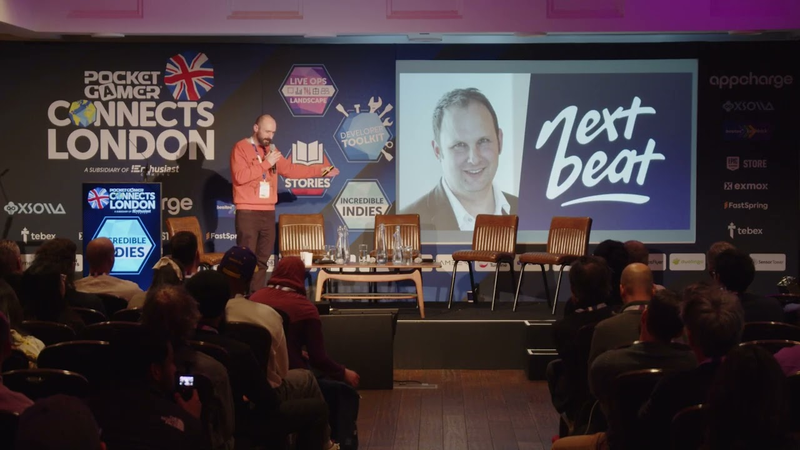
So first up, we have Javi from Zynga and he's going to do a session called creative resilience keeping your team engaged under pressure. So please give a big round of applause and please come to the stage. Thank you. We'll get underway. Thank you.
Hello. Well, first of all, I want to thank you all for being here today on the second day after lunch. You are true heroes, so I really appreciate you all for being here. I'm Javi de Giorgio and the associate creative director at Social Point that is part of Zynga studio that is as well part of Zynga, right? And what I do for a living basically is to review the creative strategy and execution for live games, Dragon City, Monster Legends, and Chudo's and supporting our new games launches as well. Basically, without like fancy words, I work hand in hand with UA teams, product teams, and different stakeholders to bring to the table amazing ads that basically bring users towards our game, right? And today we are here to speak about creative resilience and keeping your teams your creative teams inspired under pressure. And you may be wondering why is this relevant, right? The first reason is because creatives are multipliers, right? Like better creatives translate to more engagement like from the users, therefore more installs, and therefore like rising your IPMs and decreasing your CPIs, your cost, right? So,
actually have like a better like a direct impact on performance and ROAS. Basically, so that's why we want to have like a good enough creatives out there, right? And the second is that for a concept that has been like repeating several times all over these conferences, like we operate in a highly challenging industry that is really tough and it's only getting tougher and tougher, right? And why is so? First of all of all because it's very dynamic, right? Uh we have massive trends happening happening every single day on the market. I'm not referring here to the latest uh dance on TikTok, but to macroeconomic trends that affect the way that we operate, right? For example, the rise of hybrid monetization or some regulatory constraints like some uh take for example the underage uh laws that are being applied in some geos, for example, the UK, Australia, and most probably like soon everywhere. Uh that affect the way that we operate, right? Just like makes us like be aware of this like and just uh to change the way that we are used to work just to be able to still do like profitable like uh
business and operate like effectively in those markets, right? Then we have AI and with AI I refer not only to AI exclusively, but to any uh emerging technology out there, right? At the end of the day, every single day a lot of like things happen in the market. There's a lot of opportunities out there and they could keep like keep like changing and evolving really fast. So, it's really really difficult to be like in the loop of what is happening there and all and how to leverage those opportunities, right? And ultimately, the player, right? They are our ultimate judge. At the end of the day, today uh our player uh the player basically is like more uh tired, more uh fatigued than ever and is less willing to uh spend like money and time on your games. So, the only way to engage with them is being really aware of what motivates them, what is engaging to them, and just tap on those like uh same areas that your audience is like uh interested in our right? But our industry [clears throat] is not only dynamic, right? It's also very uh
demanding. Why? Because from the US standpoint, we don't work uh we work with networks every single day. We don't only like upload uh all our ads to these networks, but we are uh playing with their algorithms, right? And we each one of them is a slightly different from each other and just um for um focuses on certain areas. So, part of our job as creative strategies is to understand this reality well enough so we can crack it down, right? We test 100 creatives, we gather learnings and data of them, and we put those insights into our strategy so we can just optimize the process over and over and again, right? Part of this is to bring to the table new formats, right? Longer length, shorter length, etc. etc. and playable ads, for example, right? That they were like as uh an industry like uh kind of like a specific format from the gaming industry for ever pretty much because it makes sense that it's like basically a mini game, but has become like has become like way more relevant in the latest like 2 years because of
AppLoving, right? And the rise of this network in the market and especially in the gaming industry. And there's no way of running campaigns in AppLoving without playable ads, so they became like increasingly like more important, right? And this combination of uh having different networks operating differently and new format just brings to the table one of the biggest challenge that our industry has from the creative standpoint. That is like the increase on demand of like volume when it comes to creative production, right? We are not only uh asked to produce like a an amazing compelling ad that is super engaging to our users, but hundreds of iterations out of it, right? So, we can just again test and get learnings out of them, right? In our case at Social Point, uh our live games are like fairly mature, for not to say like fairly old, right? They're over 10 years old and they're still kicking strong, right? And why? The only reason is because we were able to understand this reality, understand what are the challenges and the opportunities, and being able to be flexible and humble to propose solutions to overcome it, right?
What's the first uh step to survive this, right? Take a look at these two examples. They are the same concept, the same like creative concept with two different executions, right? The first one is more like a cartoonish, closer to the how the actual games looks like, and the other one more uh cinematic, more aspirational, right? Which one do you think they will perform better? The answer is that it really doesn't matter because the first thing that you need to do to survive and to see the light at the end of this tunnel is to leave your personal biases aside and just to focus on performance. I come originally from a different um industry, the traditional advertising, that didn't have the luxury of like having access to massive amounts of data and insights. So, we need to leverage this because it's the only path uh forward. We at the only you need to test everything that you do, gather that data, sit with your UI team, understand it fully so you can strategize with it. Okay? And yeah. Okay. Now, to the topic that we came here to discuss, right? So, now that we have clear that uh our creative team is
creative like ads are super important and key for performance, our uh the market is super challenging, right? And tough. And also performance is a is a must. How can we create like our um our creative team inspired so they can just deliver on time, efficiently, and with good performance, right? When I was thinking about how to like uh present this content, I was thinking on sharing with you all like the perfect marriage story between creative team and performance marketing. I know that it's super cheesy, but it's what it is. And because it's a marriage story, we needed I also needed like something old, something new, and something borrowed. And maybe at the end something blue as well. It will depend on the reading. Starting with something old, okay? Uh put your team's strength into practice. As the title also read, it's not not it's anything new, anything mind-blowing. However, it's one of the things that I feel that is more often overlooked in our industry. Why? It's very simple because because of how dynamic our industry is, when we are
presented with a new challenge, we quickly jump into to solve it with the same processes, with the same means, and with the same skill set that we uh have to and we are used to work every single day for every single task, right? We don't even stop to consider like the challenge of the opportunity fully or any possible alternative. My advice here is to be mindful and to be as creative as with your management as you are with your as. And be aware of the massive talent that you have at your at your disposal within your team. Why? Because out of my experience, out eight out of 10 times, artists on your team are not just artists. They are profiles highly motivated motivated, sorry, by uh growth uh and growth exploration and uh developing further their skills. So, if you are aware of what is motivating, what is engaging to them, right? And you can link into a to a opportunity or challenge that you are looking to either like tap into or like um overcome, there's like a massive success there.
The only way So, you need to be aware of these kind of like connections between like what is motivating to them and what you need from just to pull your team and your department and your business ahead, basically, right? At the end like you are fostering this way like better engagement with your team. You're giving them like a purpose and an impact business-wise. And also you will have like a massive success business-wise, right? How can you do this starting tomorrow or today afternoon if you are like super proactive? You need to start uh rethinking your one-on-ones, right? And why I'm thinking why I'm saying this? Because we all have a lot of meetings in our day-to-day. Especially I'm the first one suffering from this. However, thinking think about it as a investment. Your investment investing some time here that it will eventually pay it off. In this meetings, you need to actively listen for any possible opportunities and what really motivates your team members, right? Um and when you have like identified something and this kind of connection between what is like engaging to them and what they want to develop and what you need, double down on that. Double
down with transparency. Explain to them when why this is super important and what you what you want why you want to support them and how it will be like achieved, right? Just explain to them what the impact will be and how it will actually put again like the team forward and towards their objectives, right? And when you have this like identify this opportunity and this connection, just don't leave it like hanging on the clouds and just take it like the back to earth, right? Create a plan with expectations and milestones so we can be like track and achieve, right? And this is all theory and it's great, but I want to share with you how it actually looked for us in a as an example, right? As a at the beginning when I was sharing like the one of the biggest challenges of our industry, as I said at the beginning, is the to come up with a massive amount of volume, right? In our case at Social Point, however, most of our performance do not come from volume itself, but from like more qualitative initiatives, right? That drives better performance and therefore we want to focus. So this challenge
was kind of framed for us after like thinking about it in the ways of like how we can come up with a massive amount of volume with minimum resources so we can still have some bandwidth to focus on other like more qualitative projects, right? So when we have this challenge, we shared this challenge with one of our team members who was like really interested into like coding and scripting with After Effects, right? And producing this kind of workflows that you're seeing right here. And he came up with this workflow that is pretty amazing that basically produces out of one 6-second intro clip different combination mixing with pre-arranged sequences of video like that each one of them shows like different games USPs in different combinations so produces like 216 videos. In all length, all formats in around 20 minutes. So this is a massive success. That is really cool and it's helping us a lot in a way and that is so that actually this is like the starting case but we have iterated in this like kind of pipeline in several ways. For example, with top performing ads etc. So we can produce like massive amounts of iterations
pretty quickly and with minimum impact on our current workload basically. Then we have something new, okay? So the first pillar was more on the lines of how we can just make the most of the talent and just take opportunities with the talent that we have at our disposal now. This goes around how to properly identify the opportunities that we are having and they are available out there, right? Why? Because in our industry there are hundreds of opportunities happening every day. From our CEO forwarding you like an article that he thought it was cool, from something wild that a competitor is doing and you think like that's interesting and we should try, to like a relevance voice in the market basically that yeah again share something that you you think that is insightful, right? So if you want to tap them all at once at the same time, you will not be able to achieve it because it's not you will put like a lot of resources, it won't be efficient and most probably you won't be able actually to conclude any of those. So you and even if you do conclude like
a few of them, you won't be able to measure it because you're not you're just being like jumping into it instead of actually validating which one are the right ones to just believe and you and that you to move forward basically and just that you believe in and they're more logical for your strategy. The only way to do this is like to follow this super simple like kind of like three stage steps basically is to identify the right ones, understand them fully and just like not stopping on a headline of that opportunity, but just really dig into the opportunity and understand how it looks like and what it implies and what is the problem. And most important important, if you can unlock it, right? Because sometimes we choose to follow like an opportunity because it's like super flashy and it's really I mean it's really important and could be like a super appealing opportunity, but we don't have the means or we are not ready to tap on it. It will require certain development or some some structural changes that will actually allow us to to take into that, but it will require some time. So, you need to be really aware whether like this opportunity can also be adapted to your workflow, to
your process and to your reality of your day-to-day basis, please. And when you have done those two stages, identify and make sure that you can actually activate this strategy to put out like a plan to measure it. And just the only way to learn from this like whole cycle is to be able to identify at the end of the cycle whether it was like a success success, sorry, or a failure. And if it was like a failure, it will help you a lot when it comes to learning, right? Because it will give you like uh insights whether what could we have done better or what to avoid in the future. So, it's like a perfect thing. And to simplify this, I want to share with you a a real story. And this is like the real story of how we how we run through AI implementation in our creative team. Two years ago, our usage of AI in our team was very limited. And it is true that because we are part of a very large company, we have some legal requirements and and like a standards that we have to meet whether like we use certain tools in certain ways and this like
guidelines comes with restrictions. So, we were like really really like fixated on just comply with that, right? And this got better. However, back then I I identified basically I realized that our biggest blocker was not legal, but their own artists. Why? Because they had like this fear of AI replacing their jobs. And although I could understand the feeling once I sat down with them, I understood like a bit more what was happening out there. I understood that this fear didn't come from the fear itself, but from the lack of understanding of how AI works. Because, don't get me wrong, AI is like a massive opportunity. I'm sorry, it's a massive opportunity as well, but it's a massive tool that give you a lot like with like in a really efficient way, but it is still requires a lot of work from from the creative standpoint, from a creative like artist to properly guideline guide it and just give like right inputs and right prompts. So, if you can what you can get out of AI actually is like efficient and delivers and brings performance, right? So, it requires
still a a lot of job. So, it won't erase your the artist's [clears throat] job, but it will just change it. It will just change it and develop it further just to absorb this new tool. Okay? So, once I was sure that it was like the problem, I identified like a few early adopters of new technologies and I pushed them. I forced them a bit just to take like easy AI-based tasks. And what happened? In no time, they were doing this and they were like feeling more confident with the tool and they were doing more cooler stuff. When they start to see that, I mean, everyone in the team was like looking at how cool were the things that they were doing and came up with. So, everybody on the team, I mean, this as well, started to jump into the trend. And this is what's going on today. And today the the situation totally reversed, right? Because we are not only like super proficient in creative production across the team, but also, and this is funny enough, they come to me with initiatives AI-based initiatives. For example, take a look at this show. This one is like one that the team suggested that is like a Gemini gem, basically, that it scouts in social
media channels heavily forwarded or shared like content that can be that has been like shared or forwarded by our audience and we can leverage from UI. So, basically, just it scouts for any trend that we can capitalize in UI. And the second one is like a a well, this is an example of the outcome that we can get out of like a AI workflow pipeline that produces like a lot of like different like iterations of variations out of a reference with different actors, different backgrounds, and just keeping the same kind of like a structure, the same acting, and the same like um well, text script or like voice over um all at once. So, it's just helping us a lot to come up with like more creative creatives, more creative exploration, and just to identify early what is working out there. And it's again pretty cool stuff. And the last the last uh the last uh topic that I have uh this last pillar that I have to share with you today is so to something borrowed, right? And it's just to be aware of the massing wealth and information that is around you uh today, right? Because at the end of the day in this industry, and
this is why sometimes like the we keep like repeating the same like kind of like insights conference or I mean like panel over panel, because we're in the same boat and we face the same similar challenges. So, just being aware of this and being being uh able to create like a good uh enough like network, and just like uh stay humble so you can openly express your concerns or your challenges with them. So, you can identify how they are like taking like actions to mitigate those. Everything gives you a lot of like insights of what you can do next. In our case at Trinity, because we're part of a big uh company, we have different profiles and we are all in the same boat and we are facing, if not the same, if not similar, the same problem every single day. So, just having the chance to sit with them and just see how like a data analyst, for example, is tapping or is just like facing the same your challenge, it will give you a lot of resources and a lot of tools where and that you will help you not only to solve that challenge, but in the future and you can So, learn from your buddies and just stay open and humble about it is something
that has worked really, really effectively for me and I recommend you all. And this is pretty much it. These are the three simple takeaways that I want to share with you today. I I think that by now you have all figured that all of them revolve the same idea of like changing challenges into opportunities through being like transparent and just like open about like communicating it. And this is it. I don't know if you have any questions. This is something blue at the end.
[laughter]
I thought I was talking to my There we go. The mic's working. Yeah, does anybody have any questions at all? Let's have a question. We have a question over here.
Yeah.
Do we have a mic? We have a microphone as well, so
Thank you for that, heavy. Do you think there's enough room to innovate in UA in what you're doing given the context in which you're talking about AI there?
Ooh. Oh, sorry, sorry. I don't know if you finished or if you were Okay. Well, yes. I mean like in terms of innovation, I mean like we are every
single day just finding like a right balance between like We have two big pillars at least in our strategy from like a bigger way of like it's just like keep delivering right? I just keep being prepared for what comes next. This second pillar is just about innovation because like they as as I said earlier in the market is very dynamic. What works today doesn't mean that it will work tomorrow. So, you will always need to keep like learning, understanding, and just be aware of what is as I said like what's happening out there, what other competitors or other like people in the market is doing so you can try it or I guess in the case that is like it doesn't work for your game because most of the things that we try when it comes to innovation do not actually work at the beginning, but you get learnings and you get there Okay, so if I I try this that doesn't work, but what happens if I combine it with another thing that kind of work but didn't actually like scale in network, so it's just about like finding this kind of balance. So, personally on the creative standpoint, there's still like a lot of opportunity to keep like innovating.
Yeah.
You came from [snorts] an ad background. Do you still get the opportunity to to be creative and innovative and do interesting things.
Yes, especially because on our side, and I don't know if this is like reality that apply to all every game in the industry at all, but on our side like the what brings, I mean like we produce a lot of iterations and a lot of like more less creative, let's say like although there's a a level of creativity creativity on iterating and just like optimizing towards performance, right? But iterating to this comes to the fact of like keeping performance up, but what actually moves the needles, at least in our case and out of our experience, is just to coming up with more like heavy projects when it comes to creativity that if you are like normally here, they will push you to this level with one campaign, you know, and has happened to us like it happens to us like from time to time. I mean, I'm not going to say every single day day at all, but it's
why we put like not I mean, focus on these actions as well, basically.
Um and just one more question to your question.
Sorry.
[laughter]
Uh thank you. First of all, thank you, amazing talk. Uh yeah. How long did it take you to make creative comfortable with the AI? Because I think we have a lot of them who are still very AI negative, and I think there is a wealth of great stuff in those who are still negative.
Yes, to be honest with you and yeah, I mean like yeah, I want to be open with you. The longer it took me in this process was for me to realize what was the problem, you know? So, once I again, once I identify like a what that they was like the fear of not like the this kind of like not understanding how actually AI works that it requires a lot of work job and it's like a new tool, like I compare it to the personally, sorry, just like small break here. I compare it to the when like Excel is appearing market, right? Everybody was used to do like calculations like with like a with a calculator, basically, and
and Excel just appear in the market. It was like amazing tool that suddenly you can drag the same formula and it was all applied. Poof. I compared I compared it the same with the AI, okay? So, um once I they started to to test it, I just saved some time because at the end like testing a new tool in general requires some learning and just exploration. Uh they came really proficient in no time. Like because again like they were they were feeling more confident and they like, "Oh, I couldn't do this before. Now I can do it like in a really cool way. Let's try this out." So, it was kind of like a out of fear loop that was like going and going. And as I said, now everybody's fully on board with it.
All right. Thank you so much for that. Please a big round of applause. That was great.
Thank you.
[applause] [music] [music]
Auto-generated captions from YouTube — names and numbers may be misheard.
Key insights
7 takeaways · ~3 min read- 01To meet the high demand for creative volume, Zynga implemented an automated After Effects workflow that generates 216 unique video iterations from a single 6-second clip in approximately 20 minutes.
- 02Creative teams should align individual employee interests with business needs; for example, delegating scripting and coding tasks to team members with those specific passions can solve production bottlenecks.
- 03When implementing new technologies like AI, identify early adopters within the team to pilot tasks, which builds confidence and encourages wider team adoption through peer-led success stories.
- 04Performance marketing success requires a structured approach to innovation: identify opportunities, adapt them to existing workflows, and establish a clear measurement plan to determine success or failure.
- 05The gaming industry's reliance on diverse ad networks—each with unique algorithmic requirements—necessitates a high volume of creative testing and iteration to maintain performance and ROAS.
- 06Playable ads have become a critical format for user acquisition, particularly due to the increased market relevance of the AppLovin network over the last two years.
- 07Creative leaders should utilize one-on-one meetings to actively listen for team motivations, treating these sessions as an investment to foster engagement and align personal development with departmental goals.
Ask AI about this video
Cite this video
Citation
Generating citation…























Comments