VideoDeconstructor of Fun
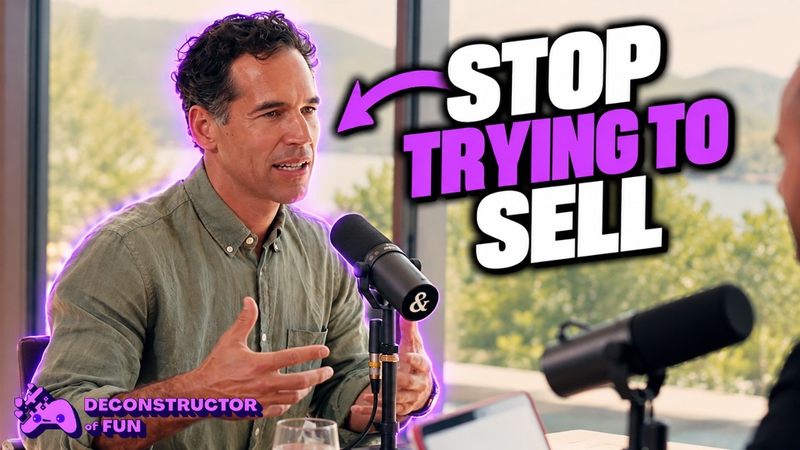
Why Great Hires Fail at Startups | Garry Hill, Makers Fund
5 Oct 202664 min video

Transcript
[music] SpaceX, Amazon, Blizzard, PlayStation, Reddit, and now Makers Fund. Gary, your resume reads like the Mount Rushmore of companies that went from scrappy to iconic. So, as a recruiter, you've interviewed thousands, hired hundreds across these companies that became household names. So, which one surprised you the most? the hire that look obviously wrong on paper but became critical at one of these companies or the person that looked perfect and failed.
Um I would say Blizzard pretty much would be the best example. We would bring in people from uh very high level principal level engineers or [clears throat] designers from highly pedigreed either schools or or um fang companies etc. and they just would struggle from time to time just because uh uh I think it takes so much
time there to build trust uh with the team. So you just really got to put in the work and if you're not [clears throat] up for that and you're used to you know um having immediate success that they would burn out and spin out after about a year. So that was kind of a reoccurring story there. Um, [clears throat] and then plus, uh, there was also a bit of a barrier there that, you know, if you didn't level up in the Blizzard games, it was even more challenging, uh, to earn trust. So, there was kind of two things at play there. That was sort of an interesting twist.
How did that influence the way you interviewed talent? Like, would you go and ask them how high of a level are you in Star Starcraft or World of Warcraft or
Well, yeah, when I started, that was the case. Um and it became uh just a a huge roadblock uh for scale. Uh they had so many openings and the interview process was very long. It was like 11 parts. Um so we would either lose them for just time because we would be halfway through our process and they would get offers
you know much quicker from other companies or [clears throat] they just lost interest in the process because it was just you know too tedious. And so yes, when I started it was all about what's your level and if you're not you should start playing the games now and you know but that never worked uh because that was fake and they you know so um but over time uh we were able to kind of soften that um you know what's your level and stuff and kind of remove that and do a bit more of a data driven interview process. Um and you know I think today it's changed a lot but um it's probably more on the side of data driven process versus what you're level
as you adjusted the the recruitment process or made it more accessible. Did that effect on the retention and the fit of the employees because I assume you were able to hire more but did they retain better than before when you really you know went through 11part recruitment process?
Yeah. No, I would say probably 50/50. Yeah, I mean it really depends on the person. Um you know the retention there was wasn't an issue uh for the most part
because people were super passionate about the company and the games and the products. Uh however [clears throat] um it would reject people quickly that didn't like that weren't able to kind of morph into the culture. You know if you just were super businessy or I don't know just you know you weren't able to build trust with the team you didn't last long. Uh so there was a lot of quick um you know with six months sometimes three months people that just didn't like it and left or got pushed out.
We're talking about cultures again like SpaceX, Amazon, Blizzard, PlayStation, Reddit, all very different and all probably had a very distinctive cult of belief that preceded the uh the success. What did the culture feel like from the inside at those companies in in earlier days?
Yeah. So, um, SpaceX is the one I get asked about the most, of course, especially these days. And, um, I was just a little pee on there. I was, you know, small little part of the team. But, um, man, it was, uh, very
impressive, very hard, very challenging, and it was all about the grind. Um, and I think the, uh, the folks that made it there were super passionate about the mission. It was all about Mars. It was, you know, audacious, crazy mission. Um, and you would do anything to to do that. So, work on weekends. We used to do interviews on Saturdays and Sundays and people were like, "Really?" And we're like, "Yeah." And that was basically the test that, you know, you didn't get that then you didn't even get the interview. Um, and [clears throat] uh, they would work hard and then party hard. So, it was kind of like, you know, super super hardworking and then when they would go out and do their social hours, it was like, whoa. You know, it was like, yeah. [laughter] But, uh, yeah. So yeah, that one's definitely uh stands out. Um, you know, a lot of crazy interactions with the team and um I have one story about Elon to where I was I used to do tours through the the rocket area and [clears throat] um you know people would be oh look at this, look at that. And
one time Elon was in the kitchen uh looking at the tile uh cuz they were building a kitchen and he was down on his knees looking at the grout lines uh in the in the kitchen tile super focused on how thick the the grout lines were and made him figure it out to do it over.
It's like this guy's in charge of all this stuff and he's got five kids and you know five businesses and he's looking at some help. So
yeah, everything is super important.
Yes, that's
Yes. [laughter] [gasps]
Out of the companies that you worked for, which one surprised you the most in terms of where people looked best on the p paper and performed the worst? Is that Blizzard?
That was Blizzard. Yeah, for sure. Um I mean at SpaceX, it was um what that time it was all about pedigree and your your grade point average. It was like they were super focused on 5.0 you know, MIT, you know, you had this pedigree. Uh, and then there was generally a disconnect with like that equaling like super
passionate, gritty folks, uh, to where everybody that joined at that time had a certain level of pedigree, uh, either a project, you know, they worked on some kind of cool tech and or graduate from the best school with the top grades. So, that that was pretty much common. there was some outliers in some of the other like support teams and stuff but uh or like me um but you know generally it was you either can handle the stress uh or or you can't so I would say Blizzard was my first example um Amazon had some some interesting things as well to where there was a about I don't know 60 70% of folks would would churn out after one year across the board uh and it was just all about like like process
uh because there was you know such a process to the to the interview process that people could kind of game the system by learning the interview questions and and you know it's like the 12 sort of principles um and it was you know sort of behavioral questions all the way
through. Uh so we we did see uh some folks that you know would churn u fun some of the engineering folks there as well that would look great on paper uh and they just couldn't they couldn't keep up with the pace of Amazon. So those are three
like keep up in the pace in terms of like the updates or the workload or
just everything had a process, right? Like pretty much everything that just was figured out and they're like just run this process and it'll you know it'll work. Uh so you have to jump onto that treadmill and basically go um and folks that are just you know no I want to do it differently or you know that's that's not right or let's do [clears throat] it a different way. It's it takes so long to get new sort of things established. Um so there there was a bit of you know either if you can make it past one year at Amazon uh then you're pretty much there.
Very interesting.
Five four five six years.
And out of these companies like which two would have the most um different
culture when compared to each other.
Interesting. PlayStation was such a long time ago. Uh but you know that was very like proper business
just was like you know just corporate but still cool like somehow right it's a nice blend of like just genuine
business acumen mixed with like just good people and like they had money and they're well funed of course um but [clears throat] then on the other hand sort of the chaos of like the the SpaceX I'd say was um like controlled chaos if you would um where it was almost kind of like a more militaristic at some points but then more kind of like frat house at the other point. So just like extreme
differences to where the PlayStation felt a little calm with kind of Amazon in the middle to where you had very very good processes and um you know lots of cool products and tech that were working on like secret like all the stuff that's out now the Alexa and all of that was all like code named and had all these
you know use certain rooms you couldn't go into because it was you know code word team. Uh Jeff Bezos had his own floor. You couldn't go up to that floor on certain. It was like just kind of cool like oh this is you know it's kind of like secret stuff. Um so yeah those are three examples I think that are
Would somebody would somebody who succeeds at one succeed at the other two?
I think so. Yes. But the the inverse probably no. So coming into SpaceX, like I mentioned earlier, if you weren't like super geeked out on the mission, you would just give up and burn out because it's just, you know, it's so taxing on your personal life is because everybody's on the road of like working non-stop until you like don't.
Um whereas the work life balance maybe is more important to some other folks that might be starting a family or have other sort of priorities, but they love Elon maybe. So they're like, I'm going to check it out, right? And then after certain amount of time it's like whoa. And then maybe sounds crazy to say
Amazon would be a cushy landing. It's not. But compared to that maybe for some folks it would be. Um Reddit uh was more kind of a vibe about the vibe. Um so it's kind of about the team and and like vibing with your with your the team that you work with. Um so I think you know [clears throat] that would be um kind of in the middle between those two. Mhm.
But yeah, I would say it's probably SpaceX would be like those folks would be successful anywhere.
Oh, interesting. Yeah, I was trying to just understand whether there is a certain talent that just does well everywhere or if there's different talents that could be successful at one and then fail at the other. Almost like talking about sports team. Like somebody might play well in Patriots but actually suck in Raiders, which would likely not happen. They would all Yeah. [laughter] Well, they would. Yeah. You see? Yeah. Um um I to me it comes down to just grit, passion, hard work, right? It's like
what's the inherent driver
of people? What what motivates them and what are they what are they um striving for? Why do they show up? What do they wake up for? And that's just kind of the DNA. I think that would, you know, be the throughline. Um, and then on top of that would be, you know, the sort of ability to learn skills and new processes and sort of the open-mindedness to to try different things, fail fast, things like that.
Um, but um, if I had to pick one thing, it would be grit, just, you know, just like that internal drive that would kind of help you sort of adjust to all those different cultures.
Yeah. If you want it and you have the talent, you'll succeed basically.
That's right. No matter what. in sickness and in health, in soft launch and in live ops, through every meta shift and every platform policy change. That's the kind of loyalty vibes built between your game and your players. AI [music] powered targeting, a
real meta layer, rorowass optimization that actually compounds. That's what makes Vibes the fastest growing loyalty platform in mobile games. till churn do us apart. Vibes vybs.co. [music]
Unless you've been living under a rock, you know this is web store rumbringer. 70% of top apps are using a web store. And the best ones, they're doing it with app charge. Do you want a $20,000 inapp purchase? [music] Yeah, app charge does that. Do you want to pretend that subscriptions are still a viable monetization strategy for games? Yeah, Appcharge even lets you do that. They get what high average revenue per paying customer means. And they're already doing over half a billion dollars in transactions [music] a year. So, are you going to be the first to do a $20,000 AP? Don't accept microtransactions. Embrace macrotransactions. Learn more on appcharge.com.
All right. Well, let's talk about your current job. So, you're [clears throat] head of talent at Makers Fund. What do you do?
Oh, wow. Um I get to have fun coaching uh founders um helping founders um across the board. So uh there's a lot of variety, a lot of different types of uh founders from all different backgrounds, stages. We have some founders that are in high school. We have some founders that are triple u you know exited super senior. Um all different sort of locations, all kinds of different game types. Um all types of uh like platforms as well. Um, you know, we've kind of expanded recently into more consumer apps and things like that. So, a lot of variety for me and how I help them is basically I just try to de-stress whatever I can do. Just I'm the fix it guy. Uh, it could be hiring, it could be offboarding, it could be uh helping them find lawyers for certain things. Um, hiring in building different entities in different countries. I mean, you know, just anything I can do to help them be
creative and focus on making their game. Uh, that's what I do. and makaker portfolio is what 120 150 companies or something like that.
130 and change.
Okay. Yeah, that's uh that's a lot of founders and it's a lot of fixing a lot of fixing up because startups are definitely not not uh not well built in the early on.
Yeah. Hopefully, you know, we can uh advise them and help them avoid, you know, some of these sharp corners, you know, and and make it more of a like an S instead of like a hard turn, you know.
Yeah. Well, or talking about your help, uh, what's the most common hiring mistakes you see founders make in early stages?
H, um, I would say hiring too fast would be one is, you know, we've got money, we've got to spend it, we need all these roles. uh maybe sit in the seat for a minute, do some of the roles yourself, kind of figure out which ones are are like on fire and which ones, you know,
you can handle it yourself or maybe there's like another option besides hiring like outsourcing or agencies, right? So really just kind of slow down a little bit and work on a plan, [clears throat] talk to some advisors like myself, some other folks and really kind of, you know, get the lay of the land of like what we've seen, what we're advising, and then sort of slowly
start to hire. Um, so that' be one, it's too fast. Another one would be hiring for job titles too soon. So I need a CFO or I need a principal engineer and it's very narrow and you know that's the person I need is this when really it might be more of a T-shaped person that is maybe deep in one area but can also help you tangentially with a couple of other different roles. So think of it more about like functions that need to be ironed out versus job titles. So too fast, too narrow, uh are two things that are definitely common for sure.
Has that changed over time? Because at some point I had the perception that startups showed their velocity by getting key hires. You like, well, we got this person from SpaceX and and so forth. And that kind of shows you that you're a really attractive company.
Uh for a talent magnet wise, I would say yes. But as we talked about earlier, those we you don't really know what those folks are going to do until they get there.
And also there's a huge disconnect between joining a startup with no infrastructure, no scaffolding. It's like there you go, right? And uh they're used they're used to having a recruiting team, a marketing team, a big budget, blah blah blah, and they don't have that. So it's it's always a risk. So, you know, that's why um [clears throat] I encourage folks to do a super robust interview process, even if it's like a referral from your best friend because short shortcircuiting, fasttracking referrals, is also super slippery slow and
dangerous as well because they're your friend thinks they're awesome because they work at so- and so company. Totally different culture, totally different set of supporting infrastructure and they come join your company and then they don't work out. It's like, hey man, what happened? You said they were great. Well, there's all kinds of all kinds of things.
Yeah.
Damn. But that's what all the startups do is they kind of start off with their referrals till they hit almost like 50 people or 30 maybe.
How do you get them like to to not pursue that route? Because it feels so normal like you're so focused on building your MVP or whatever you're doing. And whenever you need somebody, you be like, "Hey, does anybody know a back-end engineer?" Like, "Yeah, I know a guy. Let me connect with him." And the founder goes into full cell mode. Like, how do you
run your process? No, you don't stop it. You just basically Yeah, for sure. Don't stop it. That's the number one source. But you have to run a a consistent process. So, you know, building an
interview process. So, going back to the slowing down part is, you know, who who's interviewing candidates for you? Okay. Have they done it before? What kind of questions are they asking? What kind of questions are you asking? How many of those are repeated? How many steps in the process? I like five. No more than five, you don't need um who's doing each part, right? Getting that all set up. And then there's a consistent sort of rhythm there, then you can just jam referrals right through the process. But if you have all these referrals coming in before and you short track at the earliest couple of hires, that's pretty risky. Yeah, that's a that's an interesting answer because again I I understand it and I actually prefer this route, but I remember talking to Jordan Maser from A16Z and he was of the point of like hire faster because you are losing that talent otherwise and I understand his perspective also really well coming from California in that center like where where the talent just migrates everywhere and where you have you know employment at will versus a European country where you know you
can't just get rid of a person like that.
So,
I think it's interesting. Yeah. Because, you know, Jordan, A16Z, a lot of those companies have big brands and are like, you know, have a, you know, some sort of talent attracting, you know, whether it's like an investor or, you know, some badass founders and things like that. So, maybe speed is more important for certain companies. Speed is definitely like I hate slow hiring processes as well. So, I think it's a balance.
Sure. Uh, another thing that that comes when working with founders, and I've [clears throat] been guilty to this myself, uh, is the, uh, the CEO interview that is usually the the cultural check, the cultural fit, uh, the vibe session with the CEO. [laughter] Um, what should the uh, the CEO actually be doing in in those cultural fit interviews or the rest of the team? Like how to how to make sure that somebody is a cultural fit? [clears throat] Oh, well, I like culture ad, not culture fit. Um, so what what is missing from
your culture this person can bring
versus cloning like everybody else, right? Because I think that's where bias can creep in is
hiring um the same sort of either resume or school or logo really kind of letting logos kind of run the show. Um but uh culture ad, right? Um, culture fit a lot oftentimes means no jerks, which is great, right? It's like we don't want jerks. Okay, great. Um, and then it's about hiring people that look like the rest of us or come from the same sort of background and it's like, oh, there's my network, right? And it's like your network is only limited to a certain talking about referrals, things like that. So, I like culture ad. Um, so I always ask, you know, uh, teams that are talking about culture fit, like, you know, okay, what is your culture? How do you do? How do you work? What are the words you say? How are you, how do you work? See if they can kind of, you know, play that back and [clears throat] then like figure out, okay, well, what's missing? Maybe somebody from a different
background or a different perspective that would make sense for the team. Then, okay, let's screen for that. Um, and then maybe have the team ask one or two questions during their process. It could help make sure they're not a jerk or culture fit.
Yeah. How do you how do you determine what elements are missing in your culture? Because like when you're with your with your team, it feels like this is it. This is awesome. Like like we don't want anybody to, you know, spoil the formula. Like how do you get people to get out of their comfort zone and understand what they're missing?
Yeah. Maybe some surveys. You know, I've done that before where you you survey the team and I know how why did you join? What what are some of the things that you love about the company? Uh what do you think's missing? Anything you would add? uh player like feedback, right? Um play testing data, product testing data, marketing, like you know, just get some opinions and then kind of build maybe some themes. Uh and then share that back with the team and see if
it resonates and makes sense. It could be we everybody's the same age and from the same whatever. It could be some everybody only plays RPGs or I don't know um we don't have anybody that's plays mobile games. Yeah.
So stuff like that.
Got it. So from that perspective, would it work that let's say I'm I'm running my team and and [clears throat] I'd like them to be a little bit faster. What if I hire for ruthless aggression? Is that a disaster? Like let's say I'm hiring a producer and I want somebody to really come with their own whip. Maybe two.
I've seen that before. And that's a that's a Well, okay. So maybe if that's planned and you have uh a secret plan uh to move some people out of your team that are slow, you could bring somebody in to be the hammer and you know chisel away at all the all that. Um if that's kind of pre-planned, that's rough, super rough. Um I've done that before and that could could work. Uh but if that's not your plan and you do it by accident and
and or you think uh that you know uh top down sort of whip style is going to like improve your your numbers. It most likely won't uh because you're maybe all of the employees that are actually pushing buttons uh will get upset and uh be stressed out and do less work and then most likely leave and or complain and right start cross-alk that's a bad idea just like on on its face. [laughter]
Yeah. Oh yeah. Trust me. Yeah. Yeah. Mhm. I've worked
always ends up in the same way. [laughter]
Yeah. One of my favorite and least favorite things about Amazon [clears throat] was uh public sharing of like numbers cross team sort of like data and it for competition,
right? It's like oh your team's ranked here and this team's ranked here with the people's names and stuff. It was and then we would all be oh the list is coming out. We're working right and then
uh the list would come out and wherever you were on the list if you were above 50% you're probably safe. If you're below, you're like, right. So, it's, you know, stuff like that. They don't they don't do that anymore. They did it back in the day, but
stuff like that where it just kind of creates, you know, too much of a, uh, focus on numbers at times.
Damn. All right. Well, um, joining a startup. So, you kind of mentioned before when we're talking about I think we're talking about Blizzard and talked about Fang people joining the the company and kind of having a little bit of a challenge really joining it because they've had the previous success and they wanted to work like they worked in in those companies. So, Facebook, Apple, Amazon, Netflix, and Google, that's fang. Um, how do you know whether somebody coming in from a fang company struggles or not at a startup? Is there a correlation that coming out of those powerhouses will make you less
successful at startups? I would say try to figure out as much as possible what work they did versus the team they were on. So, be really specific in the interview process. Uh, okay. you know, here's all of the accomplishments that are on your resume. [clears throat] Um, what specifically did you do? What part of the wheel were you and how sort of like innovative and sort, you know, outside work was that? Um, also back channel references on these folks, talked to people that worked with them at these teams and really tried to get a picture of uh what the supporting structure was like. Um uh so that's what we used to do because you know we'd see a lot of impressive resumes and it's super hard to tell um what part of this big machine this big game or this big product that you know principal engineer on whatever. Okay well there was seven principal engineers out of 30.
So one out of 17th of the work you know. So just really kind of you got to dig.
You got to dig. Keep digging. Ask questions. Keep following up. Keep digging. Talk to more people. Keep digging as much as possible. Yeah, I've I've met so many people who built Call of Duty. It's uh it's [laughter]
right. Invented Call of Duty. Yeah.
But but here's the crazy thing. Then I actually met the person who worked on Call of Duty, [laughter] the original one, and it was very different than everybody else who also made it.
Yeah. A lot of folks unintentionally take credit for for uh you know, big teams just because it's on their resume, right? And you would assume, oh man, they worked at Facebook in, you know, 2020, 18, whatever. They must be awesome and they join a big team. They might be, but you really got to examine. You got to have a interview process that um is able to uh find the truth.
Yeah. What type of person [clears throat] personality types consistently underestimate how hard it is being at a startup or working at a
startup?
Oh, wow. Um hm. similar to what we were just discussing. Yeah. No. Yeah, there is for sure. Um I would say uh visionary like designer who doesn't realize that it's a business.
Tough, right? It's tough. It's like super creative
wizard um you know, designer [clears throat] and maybe didn't think hard enough about the the business side. Um related to that would be uh super geeked out on games and sort of like an aversion to business practices. Um, it's like, uh, I'm a lifelong gamer. I'm a, you know, let's say, I don't know, a super solid server engineer from a team. You join a startup and now you have to do like businessy stuff. Um, because there's not enough people on the team.
Uh, um, [clears throat] I mean, those are the two that come to my mind. Uh,
how about work life balance people? Like if you have a family, you know, not not not in the sense that I'm speaking down on anybody who seeks for work life balance, but if you have a family, start
up the right place.
It could be. Yeah, of course. Yeah. I mean, I think uh that's one of the questions I ask folks when I talk to them is is what do you know about startup life? and they they tell tell me, you know, and this if it's, you know, hard work is in there or some kind of phrase that, you know, resonates with like, you know, it's not 8 to 5 or 9 to 6 or whatever. Um, I think they need to both sides need to be honest with each other during the process around what are my working hours. We don't know maybe, you know, you could work weekends, you could work, you know, holidays, things like that. So I think it really kind of is just an honest like process of like the candidate being sort of open and understanding that uh it's a startup which means that there's not like a set schedule there's not like the same benefits maybe um you know there's riskreward there and then the founder being able to kind of like honestly see if that matches what you know they actually do on a day-to-day basis.
how common it is for more senior talent to give it a go in a fractional role before committing to a startup.
Yeah, I love that. Love that. I do calls all every week um with folks that um you know I I try to get in touch with or they want to talk to me and you know I always ask them you know the marketing games is pretty rough right now like what's your plan? You know is it what's plan A, plan B? Plan C D E. Um and it's usually okay I would love a full-time job. Um, but what I'm getting right now is like people just want to talk to me about like my stack or you know growth growth stack things like that. And then I said okay that's great because then you're going to meet them and they'll you know help you just you know take these extra calls. I always ask have you thought about being a fractional you know CFO or CMO? Well, what is that? How does that work? on I try to push them in that way because right now I feel like teams are uh very very um runway conscious and hiring somebody temporarily is much safer and easy to
like say yes to than I'm going to hire this big seuite person uh and if it doesn't work out we're screwed right type deal. Um so I think fractional is the way to go right now. We have several fractional folks in our network right now active in the portfolio across almost everything even like sea level stuff. Uh so I think it's great.
Yeah.
7 years. That's not a sponsorship. That's a marriage. And that's exactly how long we've been partnering with Absire. And the reason it has lasted is simple. Every growth team I talk to on this podcast, every operator who comes and breaks down what is actually working for them, eventually the conversation lands on measurement. And in gaming, we refer to reliable measurement with a single word. That's fire. Just think about it. Maloco, Meta, Google, and Unity all back this platform too, which means the people competing hardest for
your budget all agree where the single source of truth lies. [music] Eiffel Tower, iconic, Tower of London, historic. The two towers, simply [music] epic. But none of them tell you anything about mobile app intelligence, downloads, revenue, active users, [music] and my personal favorite, weekly cohorted retention. Get the real story, get the real data, get Sensor Tower. Today I this is actually the uh the advice I'm giving to people. Not that anybody should be asking me for advice but when when some of these senior friends are kind of leaving big companies and thinking about what next I found the most um like fulfillment from from the uh from fractional roles because you're still inside of that company um and you get to do everything but you get to see how it works. you get to perhaps work at two sometimes even three different three is a lot but at two different companies
so it's like super exciting and plus you can test out whether you want to be there permanently and they can test you out without you know without the options and the cap tables and the higher salaries and so forth
so definitely worth it definitely
we've gotten creative
yeah we've gotten creative in that way where it's almost kind of like an unofficial sort of contract to hire right it's not quite to the level of fractional where it that person so when I think fractional I think that person probably has a business license they have an entity maybe right and they have a company name
um and they do this like you know repeatedly for let's say you know one month sprint or like you know quarterly kind of deal
whereas the person who just came out of a company is looking for a role and is doing it it's like okay yeah it's like try before you buy like one month like you know sort of like we're gonna pay you this amount of money to do this work in this time we can to kind of see if we like each other, if the the cultures match and things like that. Love that. 100%.
Yeah. Yeah. And it and and it does I got I'll give an example when when we're talking about the fits or not like uh one of the one of the companies that I work with is uh on the younger side as a startup and you know I know startups. This is nothing new but but joining a a startup startup like of course they had about 100 people but still they work 24/7. I remember like the first week is like, man, I'm too old for this. But then you kind of settle in to it. [laughter]
It's uh it could be it could be fun, but I think had you taken a job at one of these companies and then realize on the first week that the pace is insane, that's pretty bad.
That's bad. Yeah.
Yeah. There have been also companies where I've been on fractional and like by the by noon I'd be like, "Oh my god, I'm so happy I didn't take a full-time role. Yeah. [laughter]
So, uh, so it's it's great both ways. Anyways, um,
yes.
U, can you talk about hiring at different startup stages? So, seed, series A, and maybe like [clears throat] series C and and kind of explain what those stages look like inside the
Yeah, I would say seed is like tension between range and focus. So, it's like, you know, touching everything. Um, and that range, that T-shaped thing we talked about where it's like you you're deep in one or two areas, but you're also open-minded and able to kind of pick up tangential things, whether it could be in your sort of wheelhouse or it might be like I'm an engineer and I've got to pay the bills. I got to like find out a finance stack. What? Yes, it's a startup. Go do it. Right. And that that open-mindedness I think is uh I think is super fun. Um, so I think finding people that definitely uh can balance um not spinning too many plates at at the same time but also being able to focus, you know, at the same time. So that balance between range and focus. Um, series A um I would say is kind of more about like bottle touching
everything is more of a bottleneck. So it's kind of like you process starts to come in certain folks maybe the CEO or others are going to have to start letting things go and then not sort of pulling it back when it's not as good as you would do it type stuff or you know let's let's start a process. Let's you know that's a different kind of person usually a different formation. Um and there, you know, sometimes those folks that are really good at one zero, um aren't as good at sort of like one to two, two to three.
Mhm.
Um could be. And then I think on the last one, it would be even more so about like um being okay not touching everything in later stage. you know, you've got you've got your role, you've got your sort of team kind of established. Um, and maybe, you know, previously you were kind of like I said the example of like engineering, doing finance or whatever, just being creative stuff. Now, now you've kind of got this
this process. So [clears throat] um super scrappy types might struggle in later stage uh because they they want to be a part of all the meetings or they want to be you know sort of like giving feedback across the board when really what's needed is just hunker down and focus. That's how I see the kind of three.
Yeah. Yeah. Yeah. I understand. And how like do you have to change your talent as you go through these stages? Like for example, does a person who would the T-shaped person you had at your seed stage, does that person still work for you in Sirius C uh post Siri when you are, you know, multi multiund person corporation?
Ideally, because the the key part of the T-shaped thing is that open-mindedness like piece, right? So they're not stubborn. Um, and hopefully by this time they're super invested in the business and uh you know, a key part of the team. Um I actually worked on a project at I won't say what company but we you know it was kind of like we need new talent
and I was like wait what and it's like we need new talent we've got early and it you know an HR leader had come in and joined and and that was their thing was like the talent we have is not the right talent to take us to the next level and it was all about that for for like a year. It was like transforming the talent from early stage to now and it was a bunch of stories and use cases and this whole project and that was wild to go through. Do I believe it? I'm still not quite sure [laughter] but you know I I think it just comes down to like like I said earlier is the uh the the grit of the person. What's their driving motivators? How do you scale that though? Right. When you really think about it, maybe it maybe this exercise
was great, but it was brutal to to go through. That's for sure.
I challenge that to a little bit to be honest. like going through some of the companies that are successful and have scaled up and if you have those
co-founders still lingering and kind of like trying to pull the company back into the way things were and because they don't have any any any [laughter] you know any any boundaries like you were talking about Elon just making a kitchen [laughter] like it it can it can really mess up the way the company works and you essentially you have these demigods inside of the company that rule applies to and they can [clears throat] like walk over any processes just because there's a co-founder next to their title.
Yeah. What's even worse though is having that uh quote unquote co-founder that doesn't do anything, right? They've been limited to an certain extent that they're just kind of like a talking head. I've seen that too where it's just like
kind of sad but also very awkward.
They're like, "Wait, what is this person do? I'm the founder."
Yeah. cultural leader founder culture [laughter] culture the culture fits zar I don't know
yes so so that's what I mean it's like I I I kind of understand that that it was in the Netflix book as well the um no rules rules where they talked about the talent that gets you to a certain point it's almost like these thrusters on a rocket and just come off but you at the same time like they were talking about how you don't just fire those people but you just thank them publicly of like thank you for taking us to this point but like you need to probably go to a company in a similar position where you really thrive that is early on because we are a corporation like you have hard time you know fitting in
so I think the companies change so vastly between these stages because serious C would be you know thousand people company probably
yeah yeah I mean you know there's probably some numbers out there that show that there's a history there of like you know these stages I'm sure that there's uh playbooks. You mentioned Netflix, but for me it's, you know, it's all about the the people still and really about how to sort of maximize each individual.
Um at scale, that's super hard. That's why you got to have really good managers. You have to have good sort of like onboarding, 100% great onboarding. Um, and you know that can be a culture changer because the worst thing is hiring folks and then they don't get onboarded and they you know uh unfortunately they they they turn out just because they didn't get the the in you know this is what you need to do and this is how you do it. This is who you talk to etc.
What what's a good onboarding look like? Oh, two weeks maybe a month of pre-planned sort of um I have templates doc you know I love doing this kind of stuff is like who's going to who's in charge of what who should they talk to when um sort of you know just a plan basically that is very uh detailed but also um room air for breathing room for uh stuff that it's not planned you know um so I'd say you know definitely weeklies dailies at the beginning with your manager um you know culture deck time reading just quiet time as well. Uh
just a thoughtful process that allows them to get comfortable in their own job. Um and also you know meet you know friends um kind of learn learn the culture the way of doing things. I'd say you know two weeks is the minimum one month is is probably the best
but a plan
I I've come across a lot of these 30 60 90 and I think they work pretty well. Do do you
Yeah.
Yeah. But what is, you know, maybe not as great is when there's like specific like goals connected to those. That's, you know, that's like 30 30 days you need to knock this out. 60 days you need to make two of these things. 90, right? That's not really onboarding that you could have some of that in there.
Um, but you know,
I would Okay. Yeah. I would say that sometimes
there's that's what you want, right? We talked about this one month trial period previously. So you're not going to, you know, spend a month onboarding like, you know, somebody when you actually need to know if they can do the work. That's different. Uh, but for the most part, I
think, you know, uh, immersion into the culture, kind of learning who's who on the team. Um, so I think maybe depending upon the size of the company, you could shrink that, but you know, two weeks to to a month, I think, is is a good like amount of time to not only see if they're great, but also give them the opportunity to get comfortable.
Yeah. Especially in remote work, it it does take about 30 days for you to kind of really get to know the team um with the time zones, with the calls and everybody's calendars are full. But yeah, I've definitely been in fractional roles where they kind of expected you to get to know everybody in in two weeks, you know, like public companies. So, it's like these are not not the smallest one, but but yeah,
I worked at a place that their culture interview was everybody on a call at the last interview. It was only like 20 people, the whole team. I said, "You met them." [gasps and laughter]
Was it Gary? Was it Janette?
Yeah,
that's that's intimidating. [laughter]
It was.
Yeah. Yeah. Overall, like, yeah, I would agree. Like in the through 30, 60, 90, so those are days like usually the first 30 days is about meeting with everybody and learning the tools and learning the ways of working. And on 60, you're really starting to take over your plans and start pushing them. on 90. I need you to deliver.
Yeah. Yeah. Love that.
That's simple.
Okay.
Sati. It's the Japanese [music] Zen Buddhist term for sudden enlightenment. That flash where everything clicks. We're told that Heroic Labs team had theirs when they realized that most studios run live ops like a horoscope. Vague, kind of generic, [music] same advice for everyone. So, they built Sattorii. Realtime experimentation, player level personalization, events that actually respond to player behavior. Say sananara to your old live ops stand and Konichiwa to Sattorii from Heroid Labs. This episode is sponsored by Maloco.
More than 2 billion daily active users, over 2.8 million independent apps globally. That's the reach Maloco ads unlock for performance marketers who don't want to stop at the usual old gardens. It's all powered by caro's compound AI system continuously learning from billions of events [music] and getting smarter with every campaign. Hop over the world garden. [music] Check out malokco.com. That's m o lo.com. So let's talk about like you evaluating candidates especially co-founders. Um you know you might have only an hour with somebody who is interviewing to be a co-founder in a in a company in makers portfolio. Uh what are you testing for? Grit resilience. Is that that the uh the element that you're looking for?
100%. Yeah. I want to hear about a like
a story that they didn't choose like a you know a job that they lost a failed product uh and see if they can own that cleanly number one like you know tell me about you know a difficult time um and then really just deep dive on it and see if they you know if they blame the market or if they blame others and
their managers
yeah [laughter] ma bad managers I'd even get on board
colleagues colleagues sucked
yeah um so I would say do they own it cleanly what steps did they do to try to to try to climb out? Um and then if they did climb out, were they saved by the market or other factors? Did they get lucky or did they really like you know step toward toward stepping up? Um so that that's what I would if I had one hour 100% beyond grit, resilience and then from there kind of try to just get to know them a little bit because one hour is you know
that's not enough but that's what I would do. Do you like asking questions that the candidates don't see coming?
Oh yeah, for sure. Yeah. Um
[clears throat] when I'm doing this uh life journey interview, which is tell me about you know your how you got into school and how you know how did you meet your co-founder etc etc. Um I ask them for mentorship. So who was your did you learn from? Who's your mentor? Um what's their name? Can you spell it? Like okay. And then they're like oh what? So it's got serious all of a sudden. Uh or if they're telling a story about I worked on this team, this feature on this game. Uh who is your lead? Whoops. Can you spell their name? Okay, I'm going to reach out to them. Like right there, I'm getting a reference in the middle of the interview. Uh that usually is a surprise.
What What do their answers kind of reveal other than you getting a reference?
Uh they're either telling the truth or they're not like instantly. It becomes like a truth serum for the interview. So yeah, it's still a bit of a delicate process where you can't just like, hey, how's it going? And then you start, you know, you get [laughter] you got to warm you got to warm up to that. But um it's it's a truth serum uh
to where you can immediately see if the stories they're telling you are are are true or if they're kind of expanding a little bit and exaggerating uh on what they did. Going back to what we talked about earlier about trying to find out what specific parts of the game or the product that they worked on and and how who was helping them and uh did they sort of like what did they take away you know from that?
Do you see a lot of cultural differences from people coming in different geographies in the way they tell stories?
Oh wow. Yeah. I think so. Yeah. That's part of the beauty of my job is all the different sort of uh locations of our teams and me having to sort of like context switch a little bit and just you know kind of adjust I think is awesome. Um the way they tell stories I'm yeah I don't know kind of maybe more of individual thing. Uh but definitely I I've seen pockets of kind of different work styles and um what you would
consider grinding at one place would be sort of super easy in other places and the boss doesn't leave you know no one leaves right until the boss goes home and there you know things like that. So there's oh yeah man we could go on for a [laughter] while there. Is there any any kind of um patterns you can see across geographies when it comes to like co-founders and how they perform in these truth serum interviews? H that's a good question. I mean I think it really if they're not telling the truth it could be uh you know super awkward and then you know from there the interview just kind of like falls apart. Um, and that's doesn't really matter where you're from. It's just basically like what is your story and like
are you telling me what I want to you know what I want to hear. So I [clears throat] don't I don't know if I could identify like a theme across
different cultures from that specific question. I think it's more about their story uh which was what I would be interested in learning about. Um but I think maybe the impact would be depending upon where they're from like the support structure that they may or may not have had. uh whether they're didn't go to college and they're just, you know, grinding in their garage and made a Minecraft mod and they're just killing it, right? Um and there's, you know, something to that sort of thing. Or if they come from a well-off family and they just happen to get into a really good school, but at the same time they um they are also a grinder, right? So there's the different sort of things there, but uh
yeah, I don't have a super awesome answer on that one. I I've definitely interviewed far like a fraction of the people that you've interviewed, but I've worked on two different continents and especially the difference between the uh the American interview process and the American way of like you know telling stories is so different compared to especially northern European kind of
like low context communication where everything is always truthful and downplayed even versus Americans like to upplay everything with with the story. So I see those are
I see that makes sense. That makes sense. Yeah, that I I can see that. Yeah. Yeah, that's good. Sorry I didn't like hit that one.
No, no, no, no. It's You answered it perfectly, but I was just thinking about like, you know, you could interview somebody who's I don't know, made Clash of Clans and they'd be kind of like, h, you know, it is what it is. It was a game and we kind of made it. Yeah, it was a good time. And then you the same person in the US would just overblow it just [laughter] which he should or she.
Yes. Yeah, I see that. Yeah, that's a good point.
Yeah. And it's not even humility, it's just communication patterns. Anyways, um is there a quality that makes gaming founders distinct from other tech founders? Because you've been talking about how you're now expanding the portfolio outside just games.
Yeah. Um hm. So I think tech founders
are really kind of solving measurable problems whereas gaming founders may be trying to find fun which is like what is that you know
is this game it's like taste. Uh so it's like conviction in my own taste versus like I have this thing that I'm going to solve uh that I'm gonna you know technology eyes my way there. So I think it's that personal taste on the gamer side uh which is like this
gray sort of thing that we have to figure out is it fun or not and then on the tech founder side it's usually some kind of a thing we can measure. Um and then somewhere in the middle they probably blend right which is growth like you know the growth role at both companies probably similar.
Yeah finding fun is difficult. I mean it's literally deconstru deconstructive fun has been doing it for what 14 years now it's a good niche [laughter] but uh but you actually put it very well because you said like the tech founders are like finding a problem a niche and
then fixing it. It's very like business focused and it's almost crazy how gaming founders come about because they're just like I have a vision. I have an idea. I can make a really cool game. Just give me money and I will make this really cool game. It's kind of a like the the difference between those two is is quite radical.
The danger with that though, right, is how many people will play that and pay for that, right? Where it's like, man, that's that's rough because me they might have be just so laser focused on one thing that they are passionate about. Um, and it's hard to pivot off that uh if it doesn't if it doesn't work out, right? Um whether you got a thousand
super fans that also agree with you but a thousand players it you know it's not your own business maybe depending upon what your structure is.
If the market is growing like 20% on compound annual growth rate then have a
have a go at it.
My apple muffin. You want to taste it?
I will taste it soon. Daddy's on a call. Now, now
okay, I'll take [laughter] it.
You better get
mandatory muffin break. All right. Thank you, honey. Bye. Bye. [laughter] Um. All right. Um, so, [laughter] so, uh, what are the qualities of gaming founders that is most likely to succeed outside, you know, the pure content play, meaning like tools, tech, apps, platforms or almost adte like have you identified those qualities? Um, wow. I I mean, I sound I sound like a broken record, but again, it's I think it's that combination of that sort of drive and grit mixed with like open humility, open-mindedness. So, like, uh, Andy, who you just met, um, you know, was, uh, number one launch game Zenith on all platforms on VR.
Yeah. um and VR kind of slowed down and he didn't like cling to it and realized
that you know hey there's a tech play here and submit this AI tooling and was able to quickly well over a period of time shift his company the talent on the team and their product focus to aura which is you know now sort of like an AI play. So that's a great example is just a a founder that is um highly capable uh and creative but also not stubborn in like this is the the only path uh to success.
How important is to have a chip on your shoulder when you're a founder?
I mean it could be good or bad maybe right depending upon what what the chip is made of and constructed of. Um it I've seen that be very uh toxic and like my way the highway type of deal. Uh but also it can be uh a good fuel for the team if that person is in a good state of mind and that chip is like a sort of
like a positive force. So it kind of really gets down to the the meat of what what the chip is. if it's like a previous failure. Um, and you know, they what they've learned, they're going to now take that and and p push themselves and their team forward in a new sort of direction. Uh, but kind of depends. I mean, I'm sure there's good good
by chip. I meant more like people didn't believe in you. They didn't believe that you can make this this happen and that is your driving force.
Yeah. that you want to not that you want to, you know, show your ex-wife or whatever. That that could be I mean, maybe that's a good thing.
Well, I'm going to date myself, but I remember an interview uh with Billy Corgan, the singer of Smashing Pumpkins, and they asked him what drives him, and he says, "I want to make more money than my friends in high school because they, you know, bullied me." So, he was just driving by being bullied.
Uh, and, you know, kind of outpacing all the all of his, you know, people in high school. So I think
everybody probably has some example of
that where people are doubting you or or um thinking that you're like less than whatever that you want to be. Um and that's goes back to the resilience and the drive and all of that. So where does that stack in your co-founder like list of bag of tricks? Um, I'm kind of thinking about I did an interview with the founder of Grand Games and he was talking about the um I mean his his ascent was incredibly fast like two years to $500 million run rate.
[laughter]
But but in this crazy ascent like he was talking about how important it is to celebrate the early wins whether that is a higher or KPI and so forth because nobody kind of taps you on the back or claps for you in the uh in those early phases and how later on when you're successful everybody you know kind of pats you on the back but that's when you don't need it. So do you find that that is important that the uh the founders can celebrate their small wins?
Oh yeah. Yeah. I mean it's if you're just driving past everything and not really, you know, kind of acknowledging the work, then that's uh probably not the best thing for yourself. Taking a breather and celebrating and also your team, right? Come up for air a little bit. Um, going back to SpaceX, I mean, that's kind of how it was is they're going to drive until we're all like crawling on the ground basically and then we're going to go celebrate, refuel, recharge, come back and start over, right? But if you just keep rolling, you know, that's I don't know that sounds like war or something where you're just, you know,
it sometimes happens when when founders are like almost like possessed when when nothing is enough and they can't even notice that they're, you know, having success and and crossing some milestones. The team notices, but they don't celebrate because the founder is like, "No, no, no. This is this wasn't even a milestone." Like this was nothing. We keep we need to keep going. So that that can that can become quite difficult.
We had we have an unnamed founder in our portfolio that was like that where it
was like I don't say who it was but man just success after success and it was like just keep driving and right and I would meet with him and try to
try to coach and um ultimately you know we made a long list of all these accomplishments and all these things and it took kind of seeing it like written down uh for them to realize that. Um, but that's man, that's really interesting to think about how that's like a rare that's a rare situation, right? Uh, I I don't think that's as common as as you think. Success is hard, number one, and then, you know, generally somebody's clapping somewhere.
Yeah, it's it might be just a Turkish thing. Clearly, you're referencing to a Turkish founder. [laughter]
So,
um um All right, last question. When you're evaluating someone for a co-founding role at a makers fund portfolio company, what's the single tell that they'll actually build something versus a tell that they'll quit when the going gets rough?
Man, conviction for the problem, I guess, would be like, have long thought about this problem and are they stubborn around the path to get there? So, I guess it's the the uh how long have they thought about this thing? Um, and are they sort of humble enough to maybe pivot um when needed?
I was just wondering, can those two different people look identical in an interview?
Oh, of course. Yeah. Yeah. Yeah. Because uh interviewing is, you know, like a like you're dating with somebody and it's who how open you are and how uh well of a listener you are. Um and [clears throat] some folks can just talk constantly and not really say anything and then also other folks like you know on my side just don't really listen and
just are continuing to ask questions and not really listen. So I think it's uh it's a it's more of a journey. Um, but what I've the first thing I thought of was like how deep are they impassionate about this space? Uh, how much time have they thought about it? Um, and then so that's kind of the depth of thinking there. And then, uh, the stubbornness part around being able to maneuver if it doesn't, you know, go exactly as the path is.
One last last question. Actually, I thought, [laughter and gasps] um, you'll probably interview 10,000 people and
20 at least
20 20,000 people. That's like the amount of people you've interviewed and the amount of very very talented and very different people from around the world you've interviewed is is colossal. So when you're in your private se, you know, having a beer in San Diego just to chitchat with somebody, how difficult it is to keep Gary Hill, the uh the professional recruiter, out of entering
the uh the conversation?
Two things. Crazy story. Uh, one of the first people I hired at Sony
is still there. [laughter] [gasps]
He's literally had one job this whole time. Uh, started as a manager, now he's SVP.
Crazy story.
Um, so yeah, 20,000 interviews later.
Um, but I would say, um, I don't know. I think it's just part of my DNA. I just like talking to people uh, and, you know, seeing out how I can help them. So, it's usually something around that. Uh, to where uh maybe I can quickly get get up to speed to warm up to folks. Uh, so in my personal life, uh, maybe if I didn't know you and we were hanging out and having a beer in San Diego,
uh, there might be a little bit of that coming in, but if my family and stuff, they they know me. They just like whatever.
Yeah.
Yeah.
I know. It's it would be interesting interesting to you how you you know have a conversation because you're just so good at getting information out of
people. You just have to be after like you know couple of decades of doing it. So it's probably a different type of a small talk. I mean it can turn easily into that because you just know everything and know the tips and tricks.
Um
yeah.
Well Gary it was truly a pleasure having you on the podcast. You're doing a super important work at one of the best funds in the world and I really mean it. like Makers Fund was an investor in my startup. So I I've worked with Makers. This is not just an empty compliment. So it it is a absolute top top fund. So um yeah, keep doing the great job. I've heard awesome things about you and and hopefully um people get the uh the needed info from this podcast on on how to hire and how to get hired.
All right. Well, thank you. It's been a pleasure. It was fun.
Awesome. and to reach out to Gary and to Makers Fund. Links in the description. Thank you everybody for listening. You did it. You made it to the end of
the episode. As a fan of the show, it would help us out if you'd subscribe and leave us a review on the podcast service [music] of your choice. Those stars and likes, while a small action on your part, mean a lot to us and help to grow the show. More importantly, are you a member of the Deconstructor of Fun Slack group? If you have 5 years or more of games industry experience, go to deconstructorofund.com/slad and apply to join. Join the games [music] industry best professional community filled with peers always willing to lend a hand or subscribe to our newsletter to get all the latest insights [music] from the deconstructor of fun content creators. Thanks for listening.
Auto-generated captions from YouTube — names and numbers may be misheard.
















Comments