1 free read left. Create a free account for unlimited reading + AI research.
Create free accountArticle Journal of Games Criticism
1 free read left. Create a free account for unlimited reading + AI research.
Create free accountArticleJournal of Games Criticism
Distilling the key insights…
This discussion between Anna Anthropy and Miguel Sicart advocates for the liberation of play from the restrictive, formalist, and technology-centric definitions currently dominating the video game industry and academic scholarship. The central thesis posits that the modern discourse surrounding video games is overly conservative, imperialistic, and focused on quantitative, product-oriented systems. By prioritizing blockbuster titles and formalist metrics, the industry and academy have marginalized the broader, richer history of human play, including toys, street games, and community-based interactive experiences.
The participants argue that the current obsession with "games as products" serves capitalist interests, training users to be passive consumers rather than creative tinkerers. They contend that this focus on efficiency and quantification sanitizes the experience of play, stripping it of its inherent messiness, potential for social disruption, and political utility. By fetishizing the digital object, the industry ignores the vital role of community organizers, tool-makers, and the lived experiences of marginalized creators who often produce work that defies traditional, competitive game structures.
To reclaim the expressive potential of play, the authors suggest shifting focus toward "play design" rather than "game design." They advocate for embracing "broken" systems, unconventional temporalities, and tools that encourage creative misuse. By moving away from the rigid, authoritarian structures of mainstream game development and toward experiences that require negotiation, ritual, and social engagement, they argue that players and designers can foster a more radical, authentic, and human-centric form of interaction. Ultimately, the analysis calls for an abandonment of the narrow "games scholar" identity in favor of a broader, more inclusive study of how humans interact, perform, and build communities through play.
Journal of Games Criticism · 2026
Journal of Games Criticism · 2026
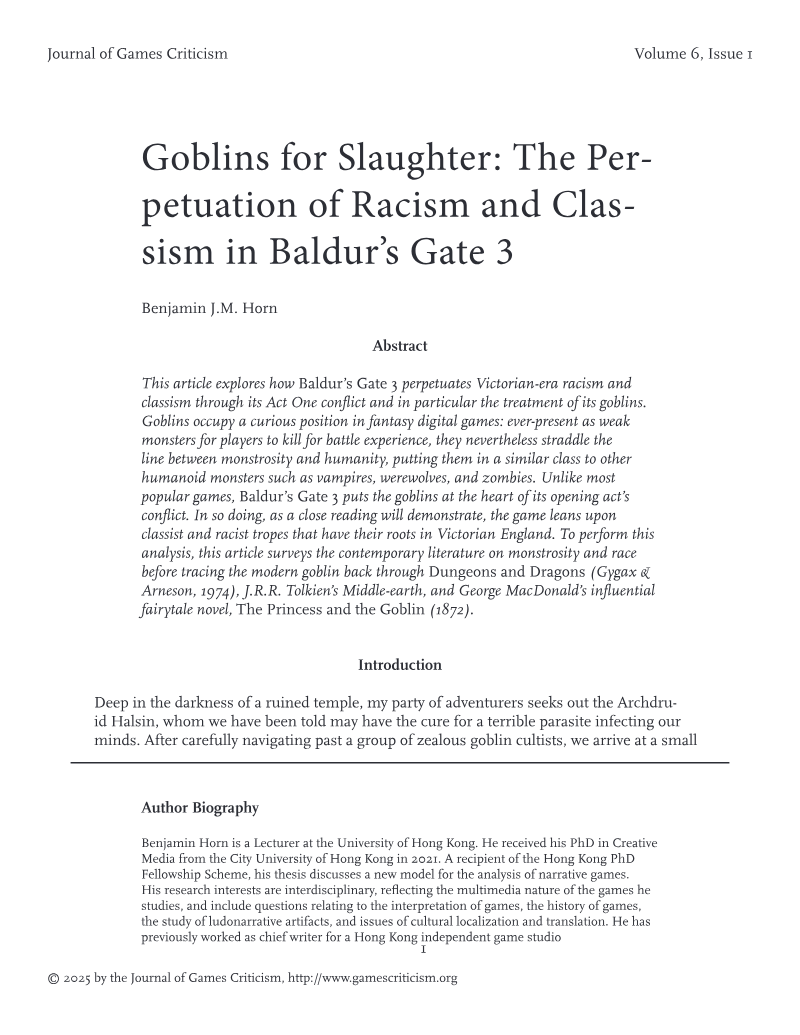
Journal of Games Criticism · 2025
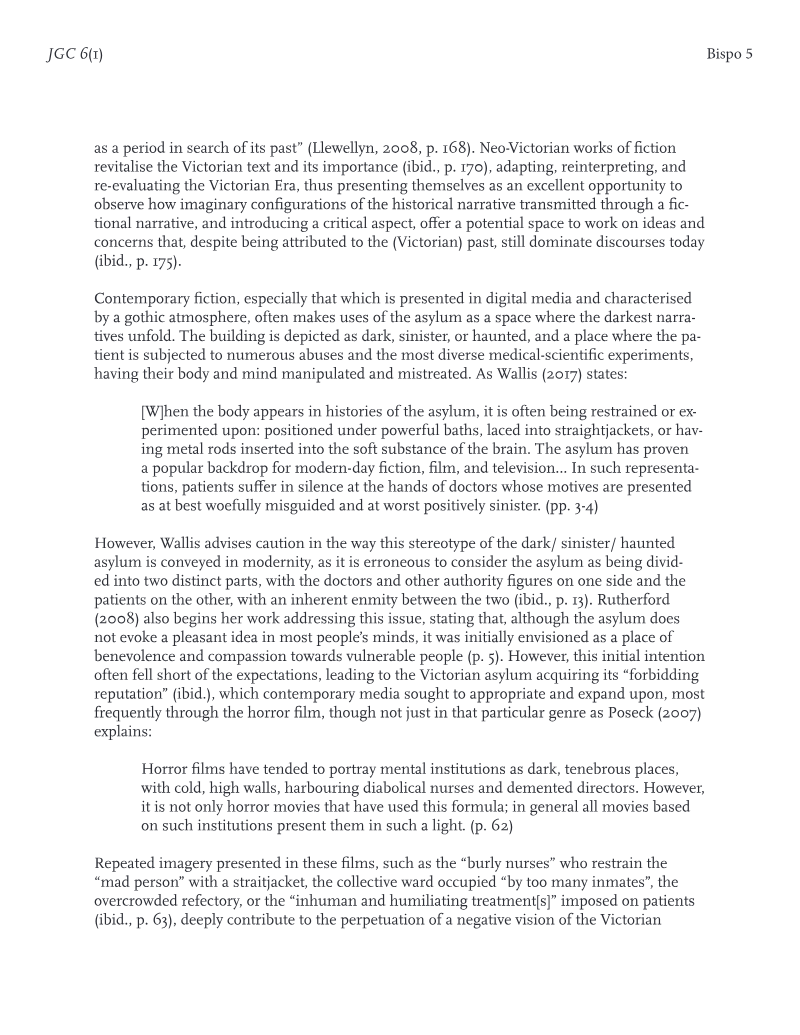
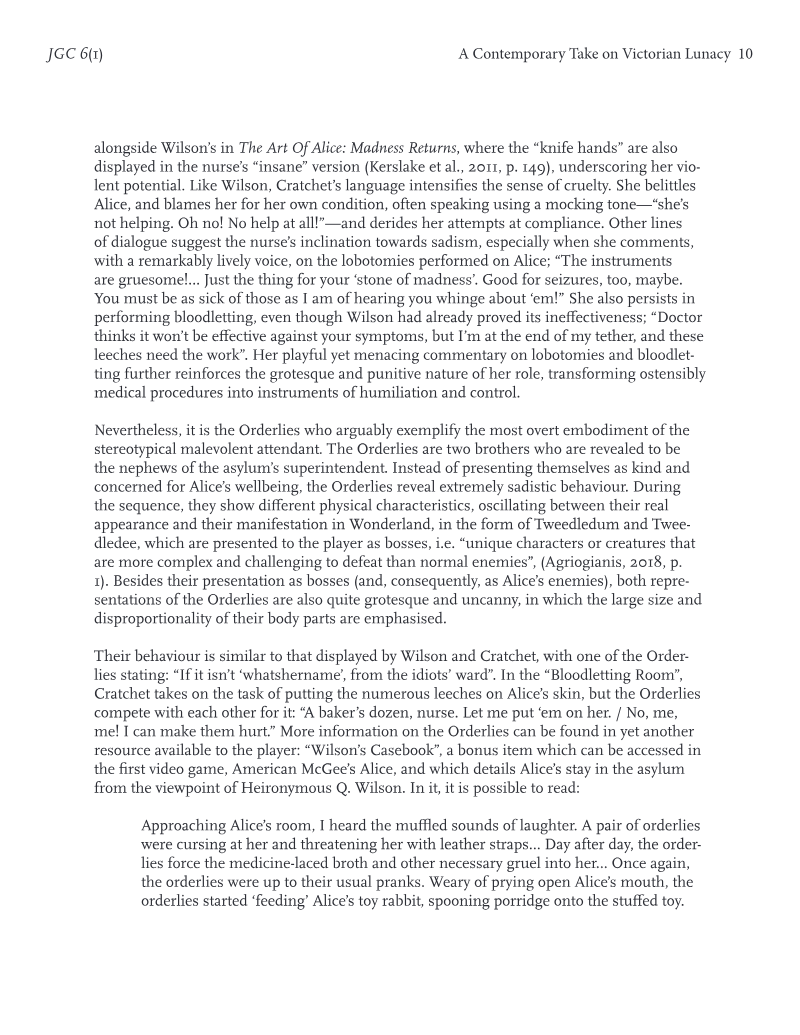
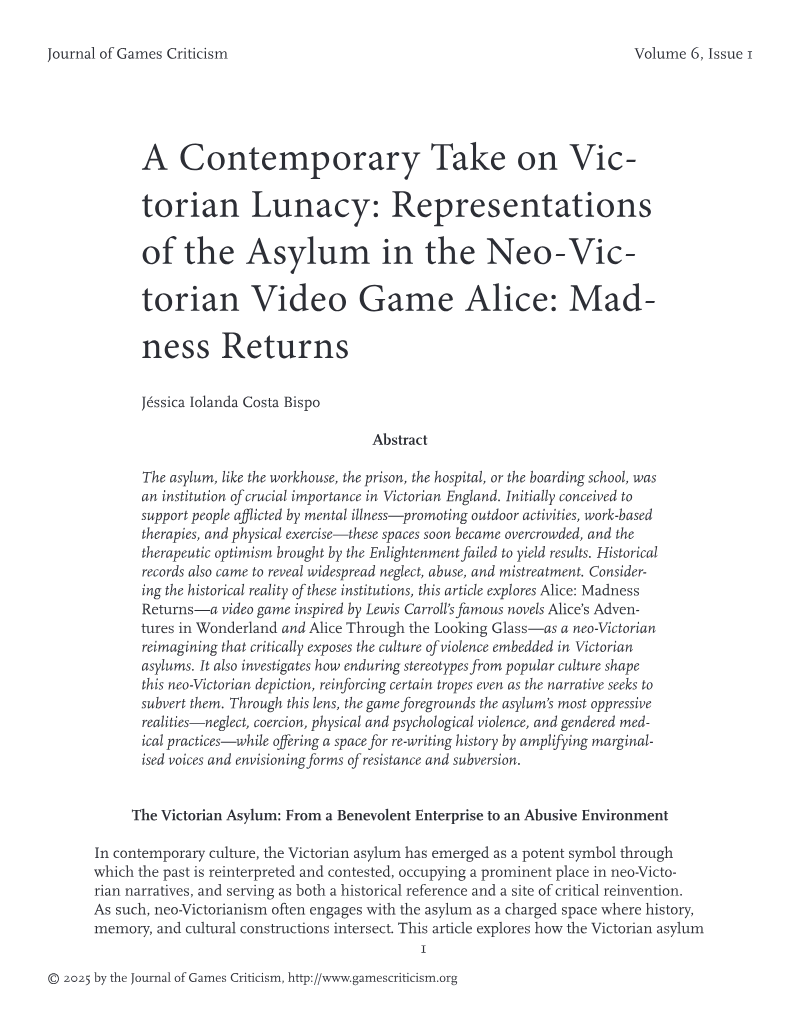
Journal of Games Criticism · 2025
Journal of Games Criticism · 2025
Journal of Games Criticism · 2025
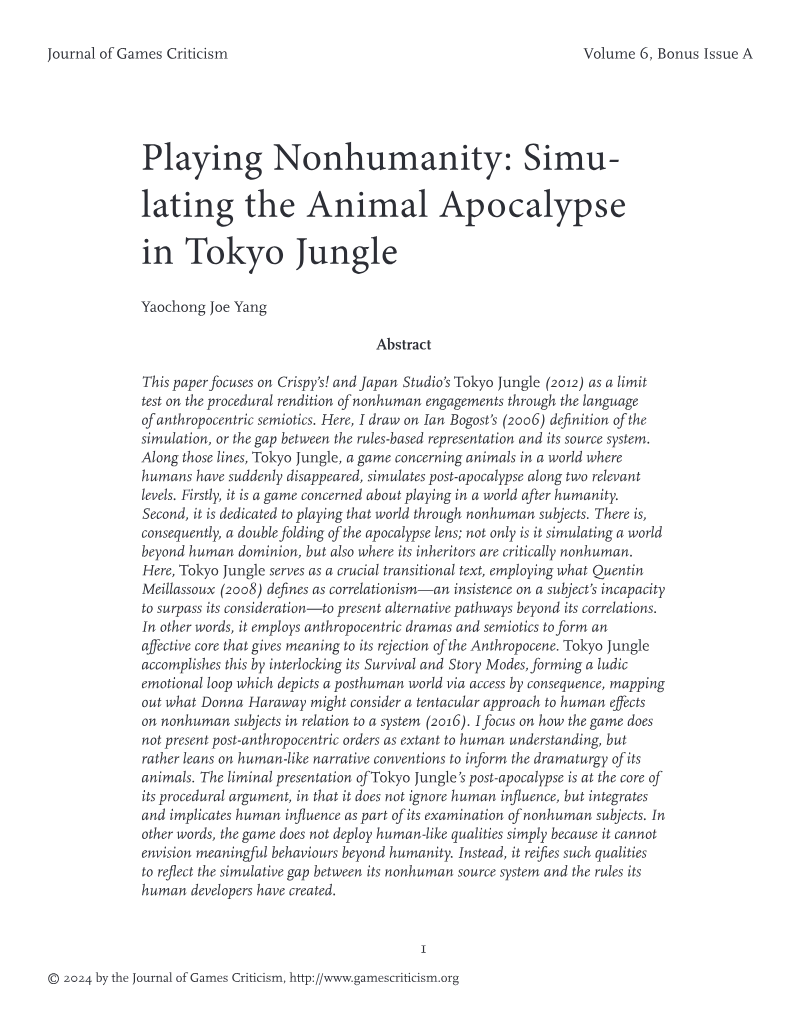
Journal of Games Criticism · 2024
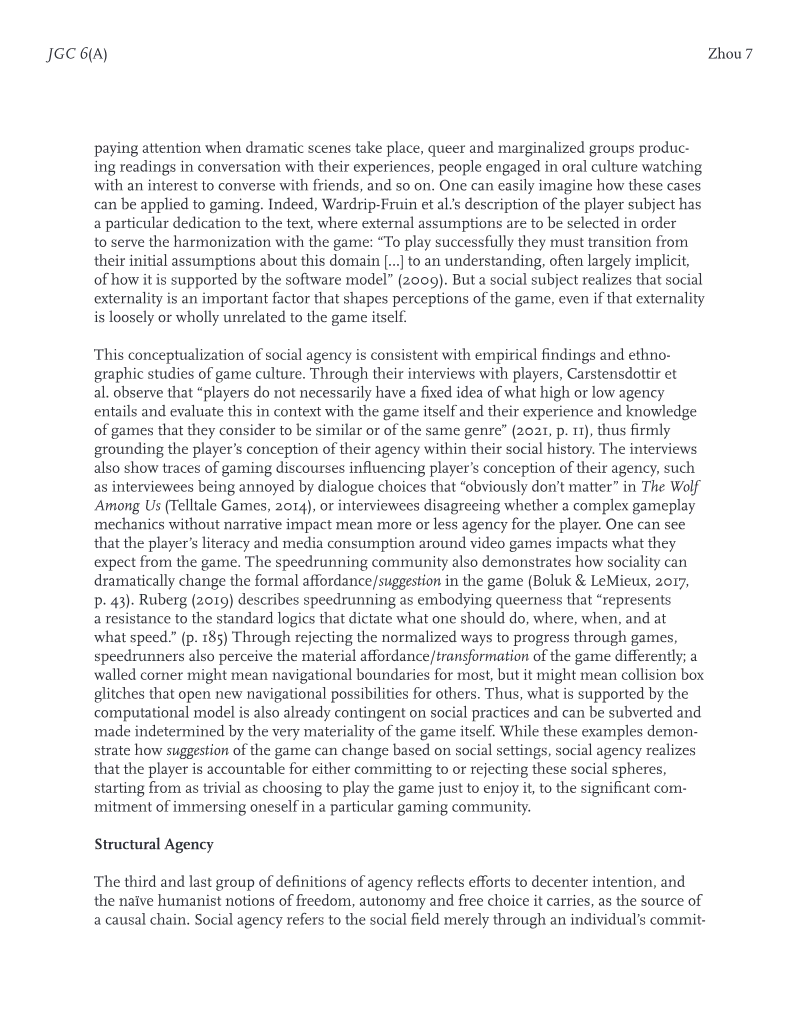
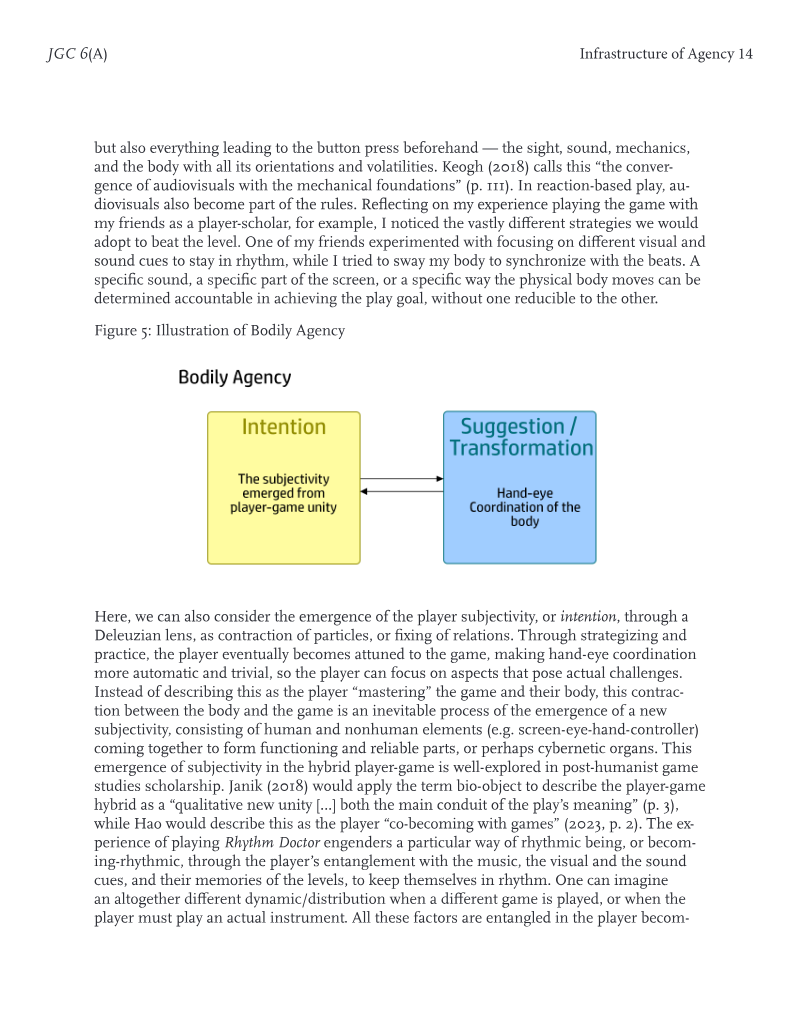
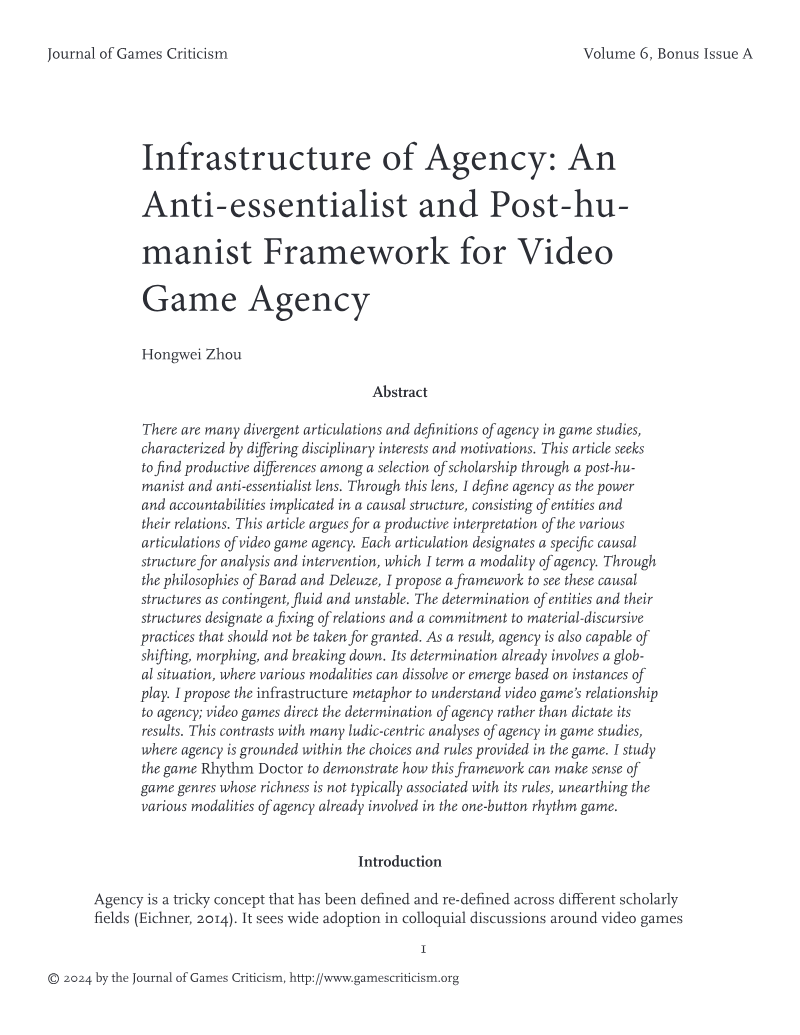
Journal of Games Criticism · 2024
Journal of Games Criticism · 2024
Journal of Games Criticism · 2024
Journal of Games Criticism · 2024
Journal of Games Criticism · 2024
DiGRA · 2026