Loading the document
1 free read left. Create a free account for unlimited reading + AI research.
Create free accountReport ESAC – Entertainment Software Association of Canada
1 free read left. Create a free account for unlimited reading + AI research.
Create free accountReportESAC – Entertainment Software Association of Canada
This study, prepared by Nordicity for the Association canadienne du logiciel de divertissement (ALD) and published in November 2019, examines the economic impact of Canada's video game sector. Nordicity collected data through an online survey of video game companies conducted in 2019. The company list was expanded to 692 companies, up from 596 in 2017, and 182 companies responded, 138 of them with detailed financial data.
The sector had 692 active companies in 2019, up 16% since 2017. Companies with fewer than five employees made up 55% of companies. Companies with more than 100 employees accounted for 5% of companies but employed 79% of sector full-time equivalents (FTEs). Direct employment reached 27,700 FTEs, up 28% since 2017. Total direct and derived employment reached an estimated 48,000 FTEs, up 18% over two years.
Total sector revenues were estimated at 3.6 billion dollars in 2019, up 15% since 2017, and 76% of revenues came from exports. Spending reached about 3.2 billion dollars, up 24% since 2017. Labour accounted for 66% of total spending.
The sector's direct contribution to GDP was estimated at about 2.6 billion dollars, and its total contribution at 4.5 billion dollars, up 20% since 2017. The document compares this with 5% growth in the Canadian economy over the same period. The average full-time salary was about 75,900 dollars in 2019, 2% lower than in 2017, which the document probably attributes to a larger share of entry-level and mid-level employees.
The workforce has an average age of 31. Women make up 19% of the sector's workforce, up from 16% in 2017.
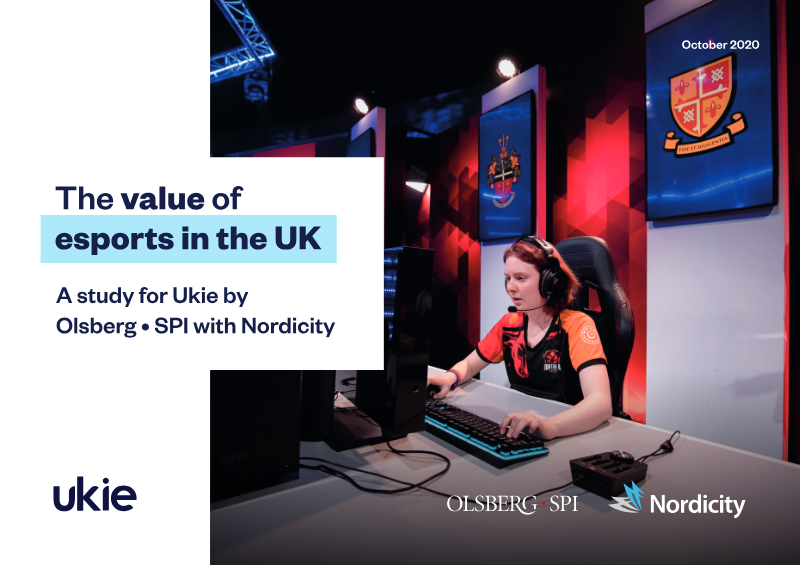
Ukie · 2025
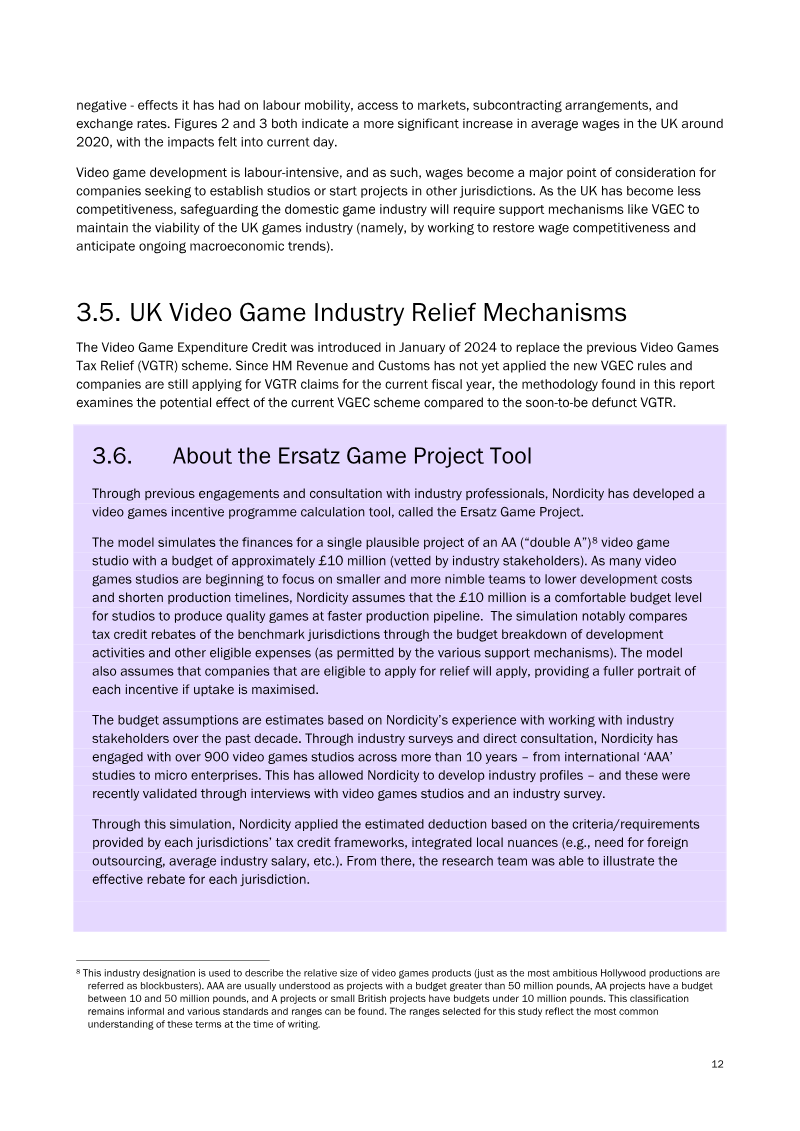
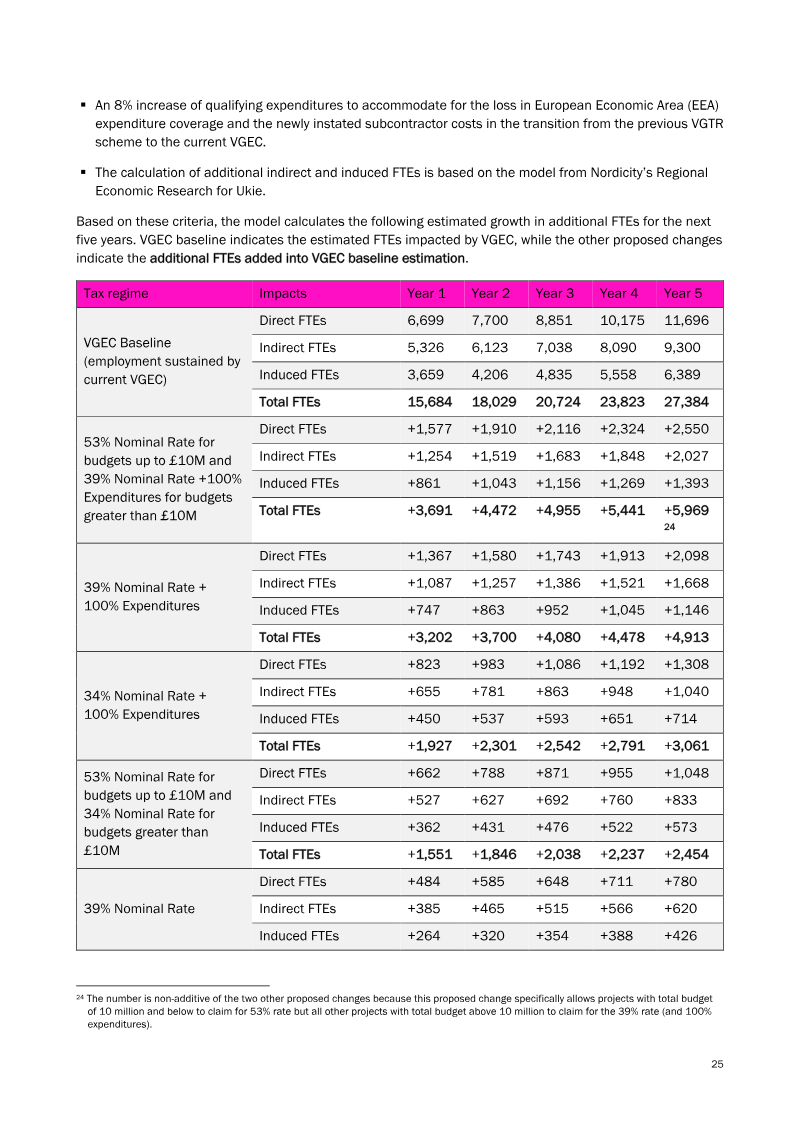

Ukie · 2025

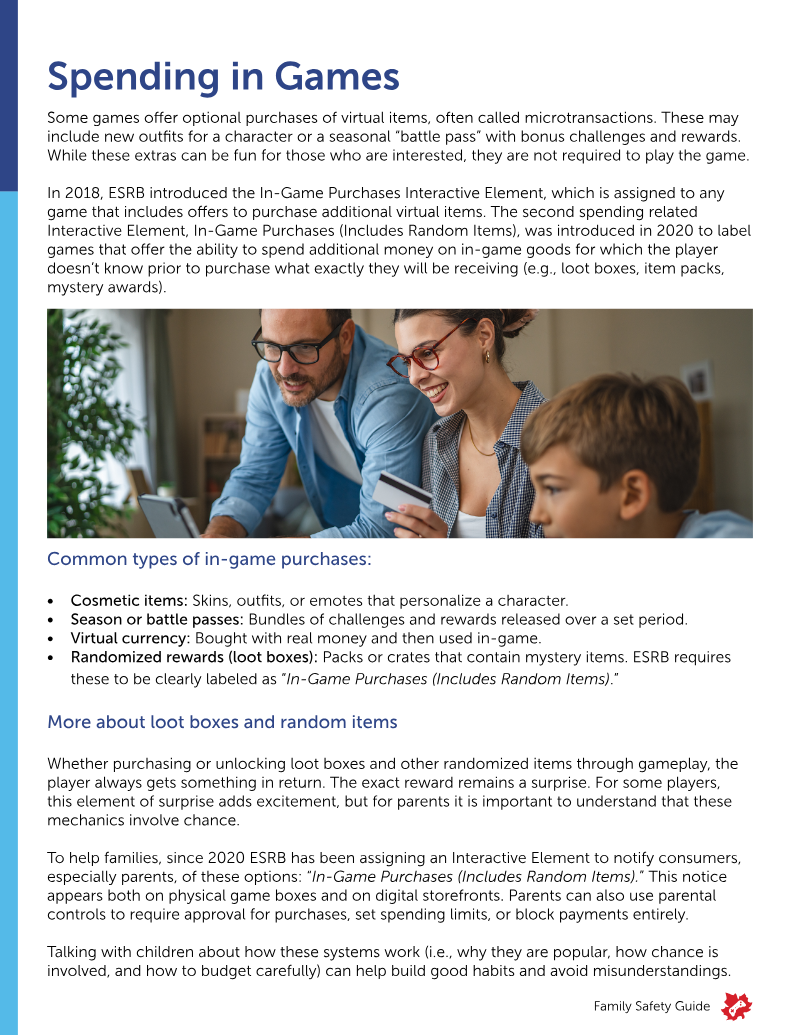

ESAC – Entertainment Software Association of Canada · 2025
ESAC – Entertainment Software Association of Canada · 2025
Nordicity · 2024
Nordicity · 2024

ESAC – Entertainment Software Association of Canada · 2024

ESAC – Entertainment Software Association of Canada · 2024
Nordicity · 2024


ESAC – Entertainment Software Association of Canada · 2024
ESAC – Entertainment Software Association of Canada · 2024
ESAC – Entertainment Software Association of Canada · 2024
ESAC – Entertainment Software Association of Canada · 2019