The Roblox Economic Impact and Social Benefits Study, conducted by Nordicity, evaluates the financial contributions of Roblox creators to the United States economy between 2017 and 2023. By analyzing over 70,000 transactions from the Developer Exchange Program and surveying hundreds of developers, the research establishes a comprehensive data set to measure direct, indirect, and induced economic effects. The findings reveal that during this seven-year period, creators added $1.2 billion to the U.S. GDP, supported 17,840 full-time equivalent jobs, and contributed $324 million in tax revenue.
The data highlights a period of rapid expansion, with the annual GDP contribution from creators growing by over 2,200% since 2017. While the 2023 annual figures of $344.5 million in GDP and approximately 5,000 jobs remain a small fraction of the broader $101 billion U.S. video game industry, the growth trajectory suggests a significant shift in the digital economy. Notably, the platform appears to democratize economic opportunity; 56% of surveyed creators work exclusively on Roblox, and half of all cash remittances go to developers in emerging tech hubs outside traditional coastal centers, such as Arizona, Utah, and Nevada.
The analysis concludes that the creator economy is poised for further professionalization and growth. Currently, 90% of supported jobs are in direct development, whereas the broader industry typically sees a higher percentage of indirect support roles. Furthermore, the study likely underestimates total impact by excluding ancillary revenue streams like branded experiences and merchandise. These findings suggest that policymakers should consider tailoring tax credits and development initiatives specifically toward user-generated content creators to foster continued equitable economic uplift.
8Bit · 2026
Values Value · 2026
FLEGA – Flemish Games Association · 2026

British Esports · 2025
Ukie · 2025
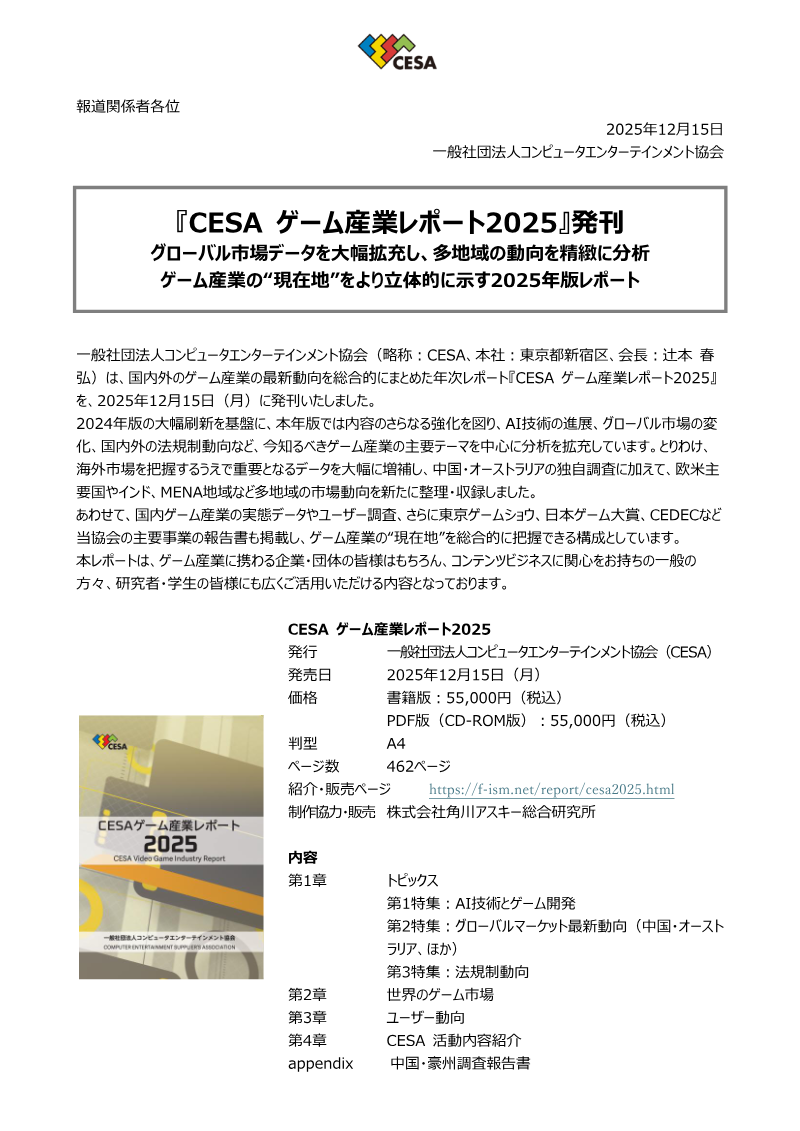
CESA – Computer Entertainment Supplier's Association · 2025
Flemish Games Association · 2025
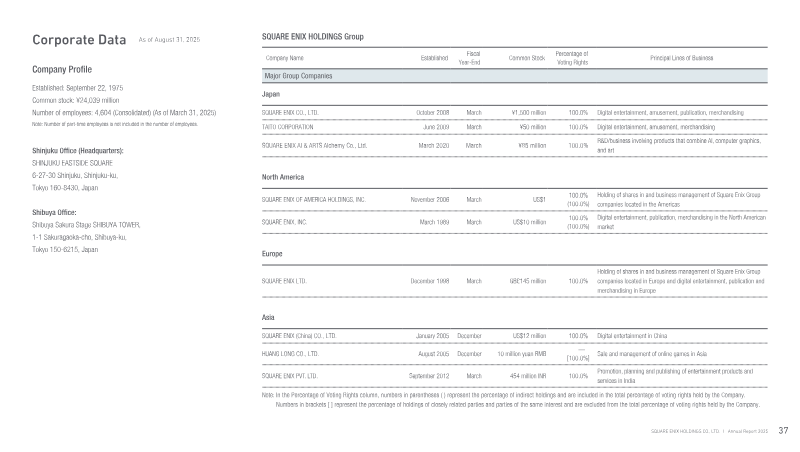
Square Enix · 2025

Direcció General d’Innovació i Cultura Digital · 2025
Game Developers Conference · 2025
Interactive Games & Entertainment Association · 2025
Duamentes Gaming · 2025