1 free read left. Create a free account for unlimited reading + AI research.
Create free accountReport Ukie
Ukie
1 free read left. Create a free account for unlimited reading + AI research.
Create free accountReportUkie
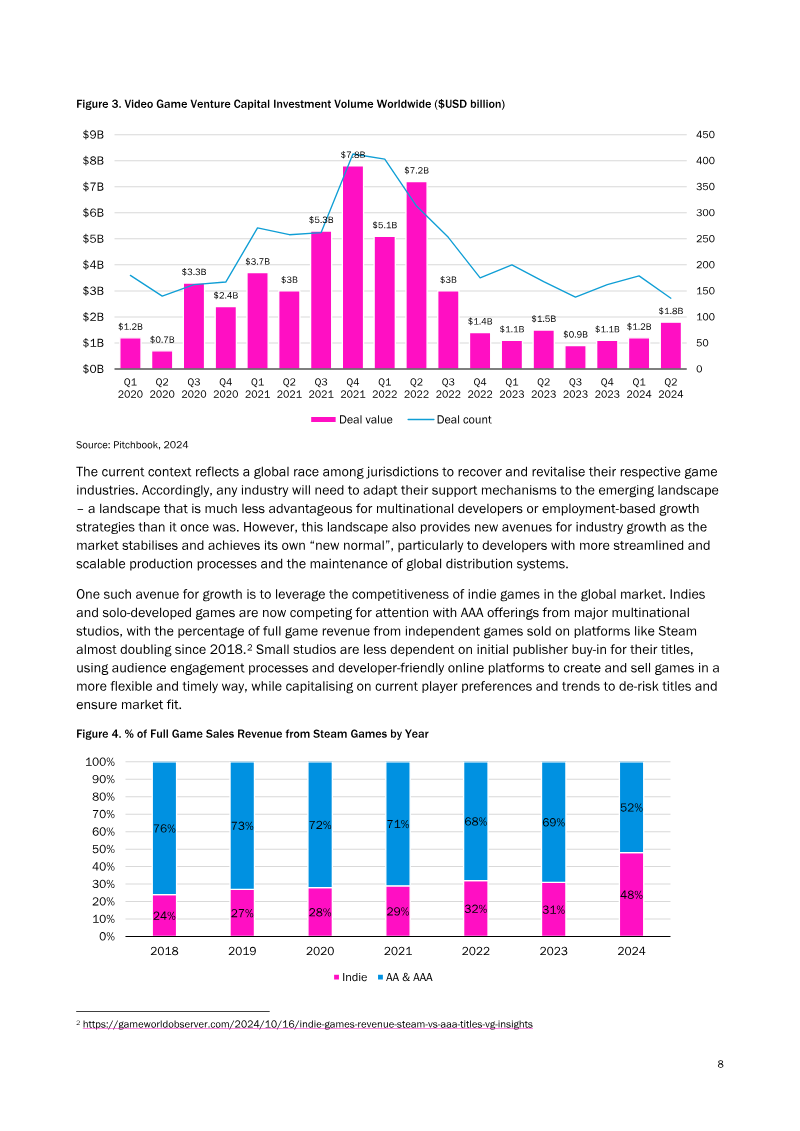
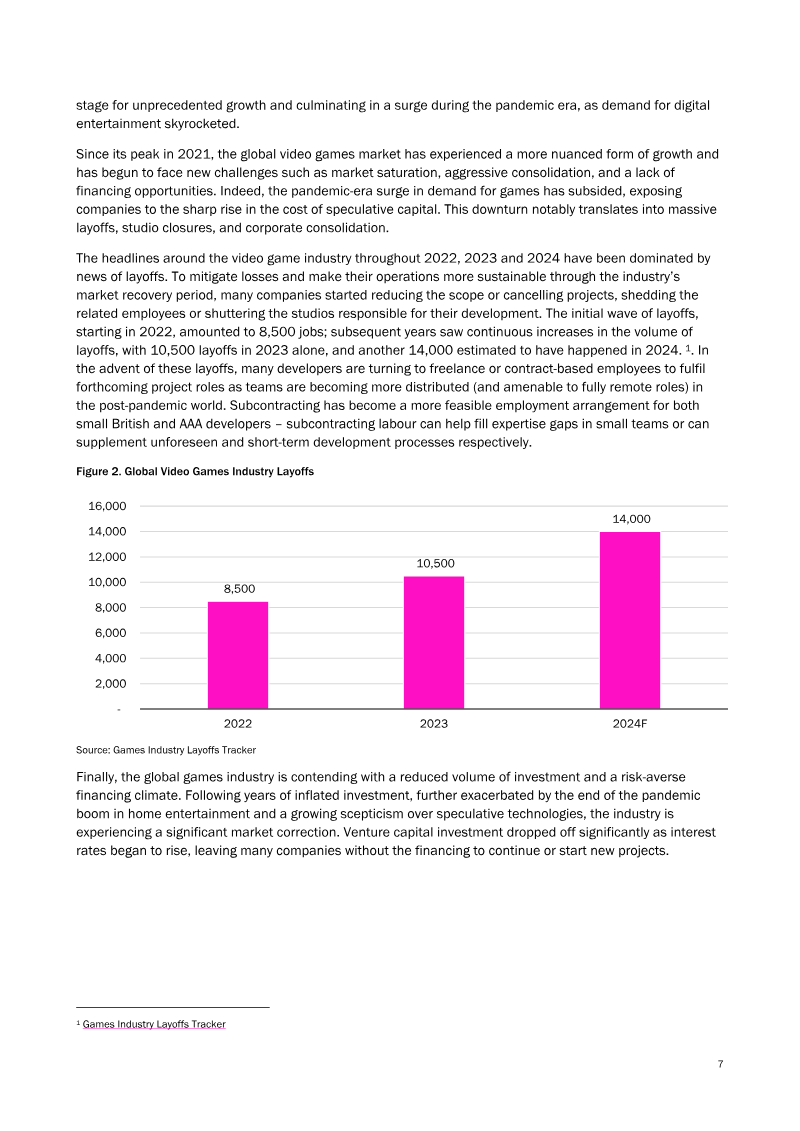
The report expects 30,000 layoffs between 2023 and 2024. Venture-capital funding has fallen sharply from $9 billion in 2020 to just over $3 billion by early 2024.
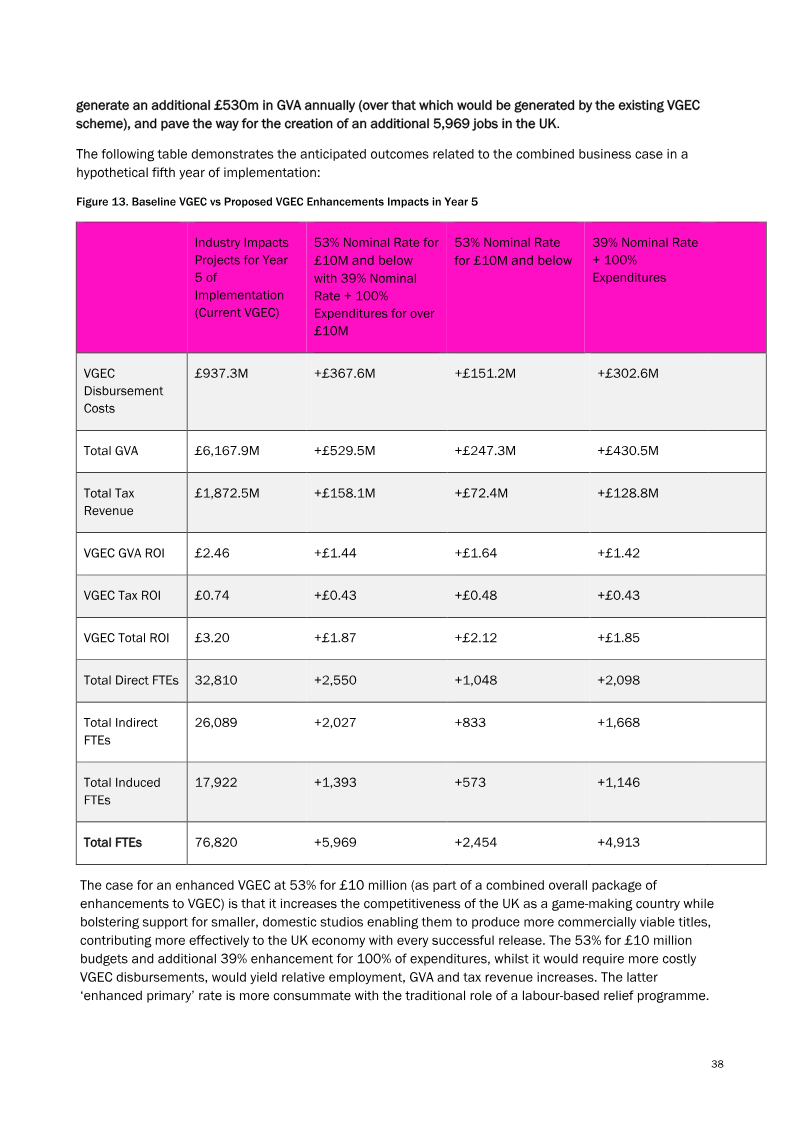
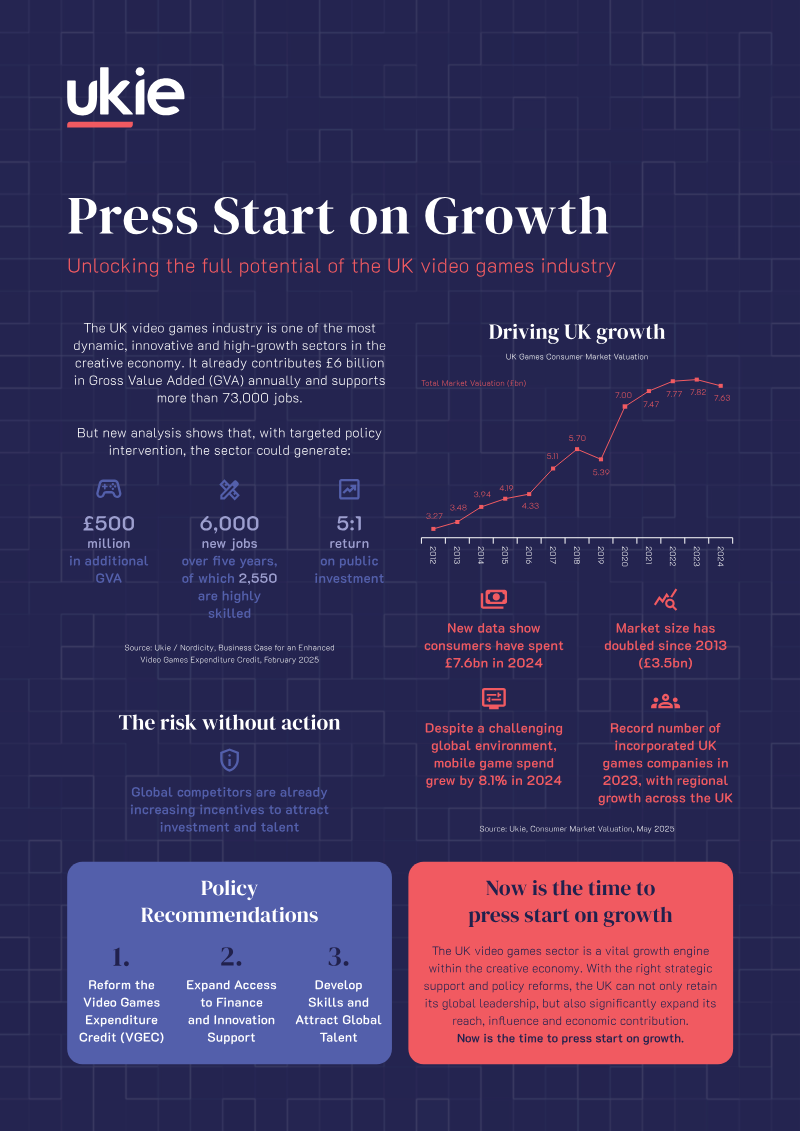
The analysis argues that a targeted increase in the Video Games Expenditure Credit (VGEC) would markedly strengthen the United Kingdom’s competitive position within the global video-games sector. By raising the nominal rate to 53% for projects up to £10 million and to 39% for larger productions, the model predicts an additional £530 million in gross value added (GVA) and roughly 6,000 new full-time jobs over five years. The return on investment is projected at £2.12 of GVA and tax revenue for every £1 spent, positioning the UK as one of the most attractive jurisdictions for game development.
Key findings highlight a worldwide contraction in employment, with 30 000 layoffs expected between 2023 and 2024, prompting a shift toward freelance and subcontracted talent. Venture-capital funding has fallen sharply from $9 billion in 2020 to just over $3 billion by early 2024, while indie sales on platforms such as Steam now account for nearly 70% of full-game revenue. These trends underscore the need for flexible, cost-efficient production models and a supportive fiscal environment.
Comparative analysis shows that the current UK VGEC effective rate of 14% is lower than those in France (20.2%) and Canada’s Quebec (18.2%). The proposed tiered scheme would raise the UK rate to 20.6%, matching or surpassing many international competitors and potentially adding an extra 5,000 full-time equivalents over five years. Across all scenarios, the cost-benefit profile remains favorable, with GVA returns of £1.3–£1.4 per £1 invested and tax returns of £0.4–£0.5 per £1.
In sum, the enhanced VGEC package delivers a superior economic return by stimulating export-driven intellectual property creation and supporting both small studios and multinational operations. The model demonstrates that a carefully calibrated incentive structure can offset macro-economic pressures, sustain employment growth, and secure the UK’s position as a global leader in video-game development.



Ukie · 2025

Ukie · 2025
Ukie · 2025


Ukie · 2025

Ukie · 2025

British Esports · 2025


Ukie · 2025
Ukie · 2025
Ukie · 2025
Ukie · 2025

Ukie · 2025

UKIE – UK Interactive Entertainment · 2025