Entertainment Software Association of Canada 2024 Annual Report
1 Mar 202415 pages~23 min full read
The 2024 Annual Report for the Entertainment Software Association of Canada (ESAC) outlines the organization’s strategic achievements in advocacy, regulatory affairs, and industry promotion during a period of significant legislative activity. The primary thesis emphasizes the industry’s resilience and its successful efforts to secure exemptions from restrictive Canadian regulations, specifically the Online Streaming Act and the Online Harms Act. By demonstrating the efficacy of existing self-regulatory tools like the ESRB rating system and parental controls, ESAC successfully argued that video games differ fundamentally from traditional broadcasting and require distinct policy considerations.
Geographically focused on Canada with a global collaborative scope, the report highlights the industry’s substantial economic footprint, contributing $5.5 billion to Canada’s GDP. Key data points from the "Power of Play" survey, which sampled 13,000 players across 12 countries, reveal the social and emotional drivers of gaming in Canada. Findings show that 74% of Canadians play for fun, while 76% use games to reduce stress and 63% to lower anxiety. Furthermore, 46% of Canadian respondents engage in online multiplayer experiences, with 66% reporting positive social interactions.
The report details ESAC’s expanded influence through the addition of major global members, including Epic Games, Roblox, and Tencent. It also reviews international engagement through the Global Video Game Coalition and the hosting of the Global Video Game Associations Policy Summit in Montreal. While celebrating these successes, the analysis notes ongoing challenges, such as amendments to the Invest in Canada Act that may restrict foreign investment. Methodologically, the report relies on member surveys, economic impact studies, and case studies to advocate for the "transformative power" of games in sectors like education, healthcare, and physical therapy. Financially, ESAC reports a strong position, benefiting from increased membership revenue and a virtual operating model.
ESAC – Entertainment Software Association of Canada · 2025
ESAC – Entertainment Software Association of Canada · 2024
ESAC – Entertainment Software Association of Canada · 2024
ESAC – Entertainment Software Association of Canada · 2024
ESAC – Entertainment Software Association of Canada · 2023
ESAC – Entertainment Software Association of Canada · 2022
ESAC – Entertainment Software Association of Canada · 2022
ESAC – Entertainment Software Association of Canada · 2022
ESAC – Entertainment Software Association of Canada · 2020
ESAC – Entertainment Software Association of Canada · 2019

ESAC – Entertainment Software Association of Canada · 2019
ESAC – Entertainment Software Association of Canada · 2014
Bandai Namco · 2023
Enthusiast Gaming Holdings · 2026
8Bit · 2026
Square Enix · 2026
Square Enix · 2026
Sega Sammy Holdings · 2026

Kadokawa Corporation · 2026

Stillfront Group · 2026
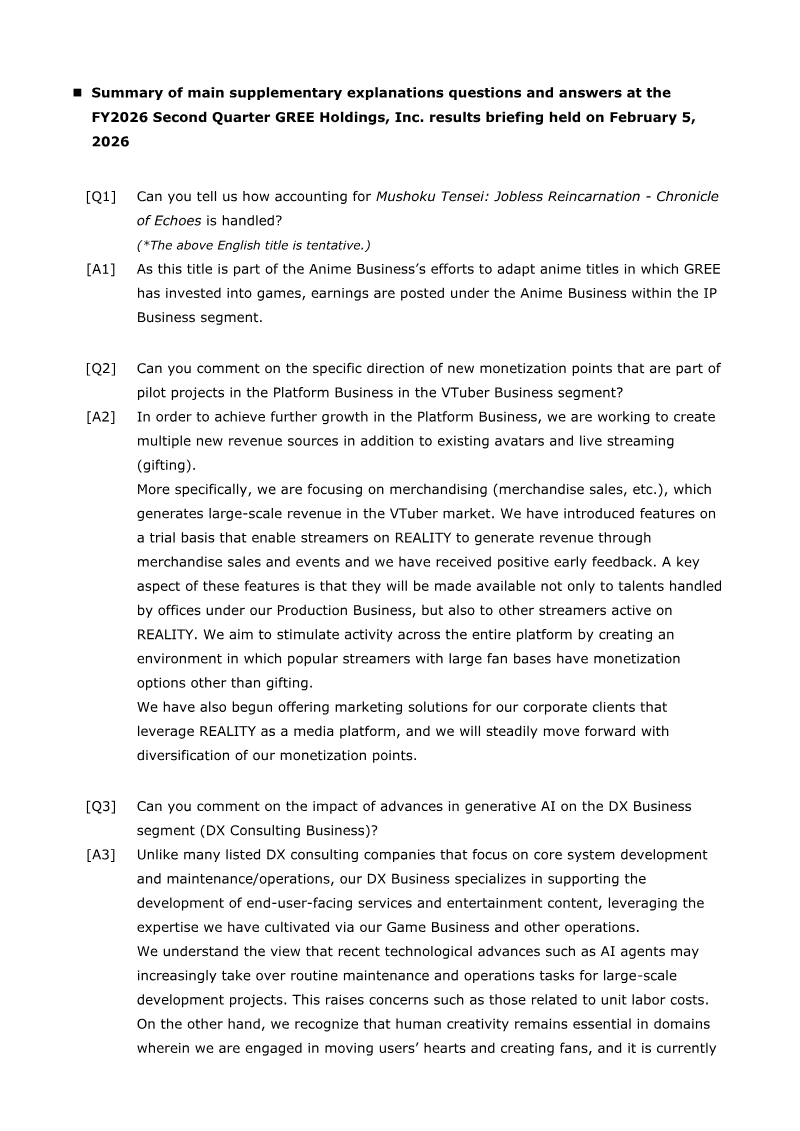
GREE · 2026
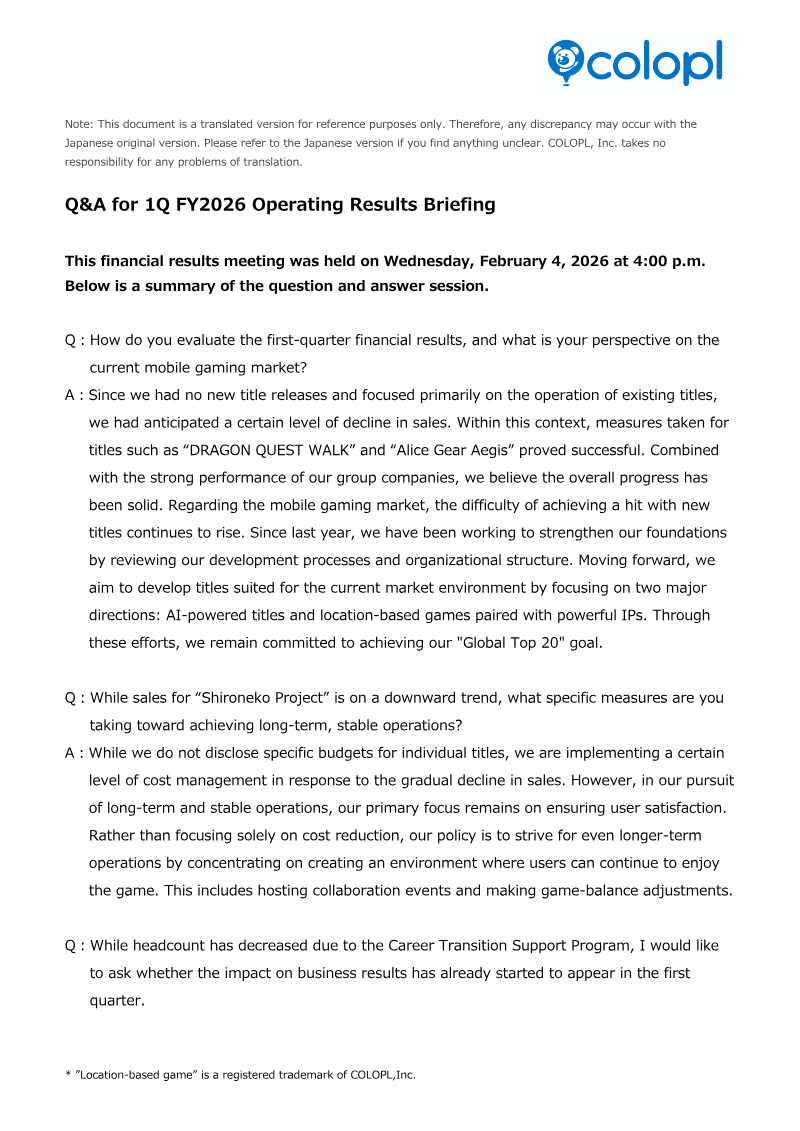
COLOPL · 2026
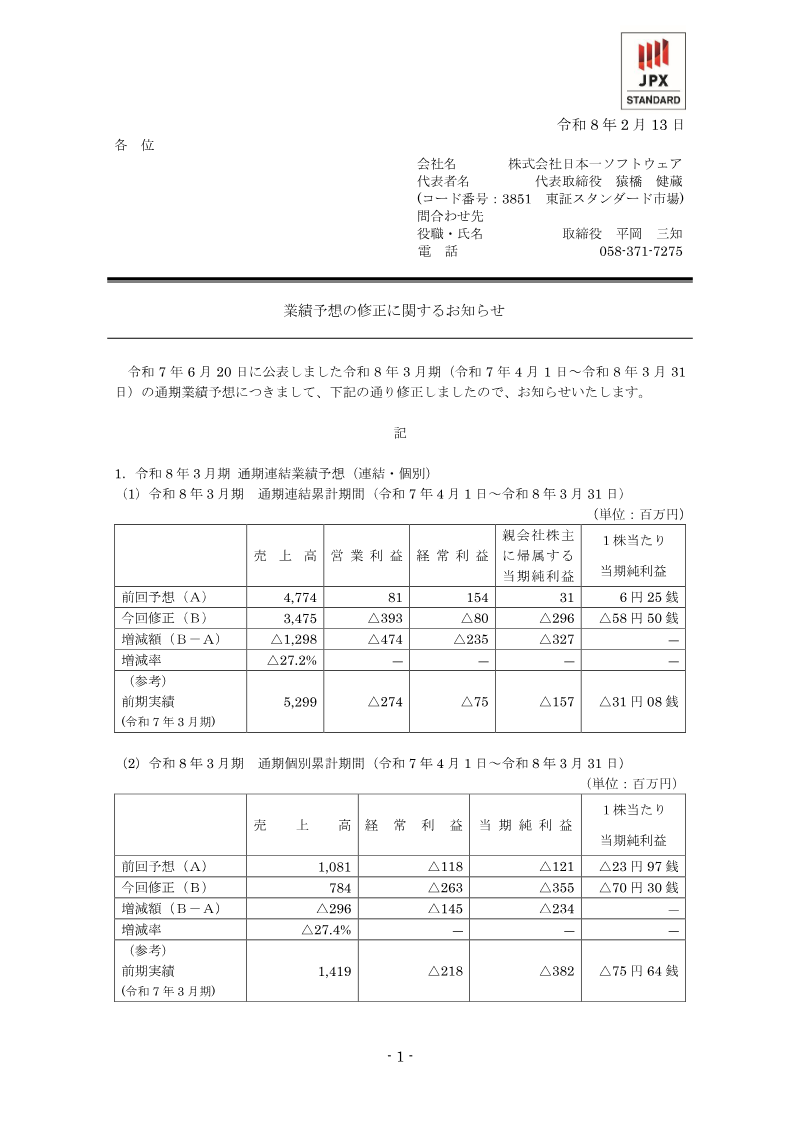
Nippon Ichi Software · 2026