1 free read left. Create a free account for unlimited reading + AI research.
Create free accountReport BelgianGames
1 free read left. Create a free account for unlimited reading + AI research.
Create free accountReportBelgianGames
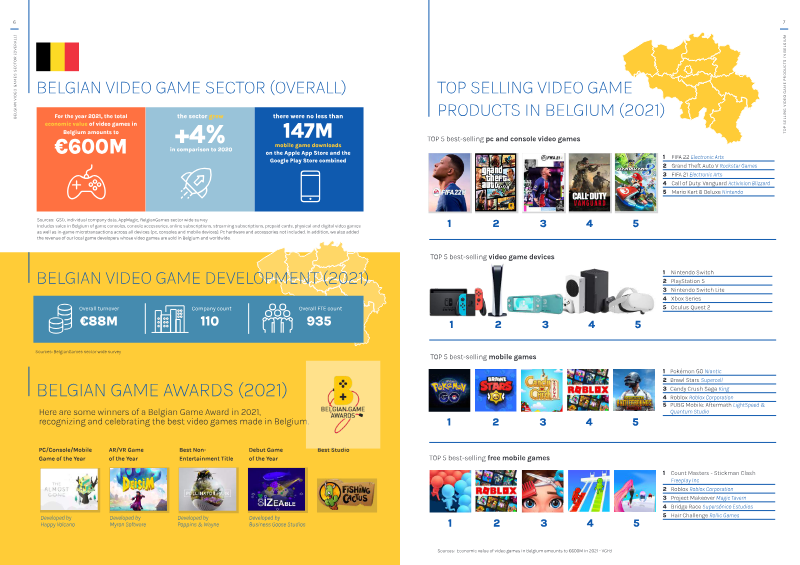
Belgian video game development generated €88 million in overall turnover across 110 companies employing 935 full-time equivalents.
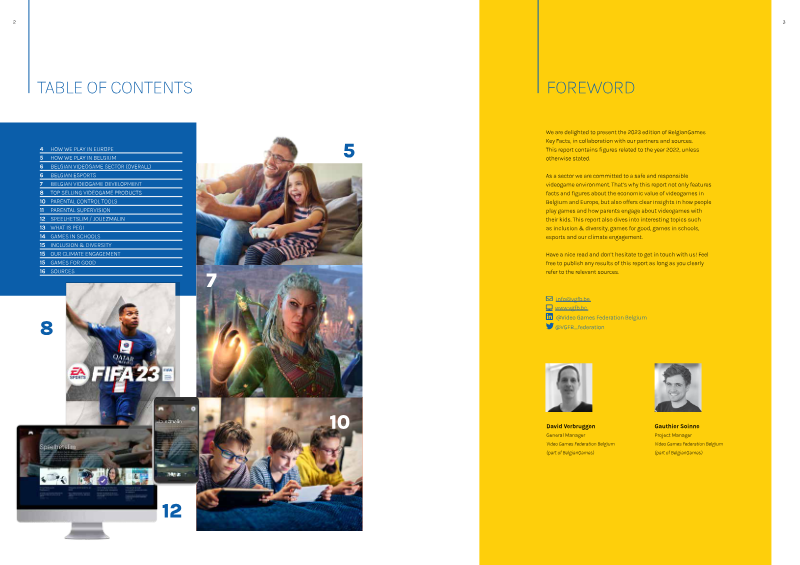
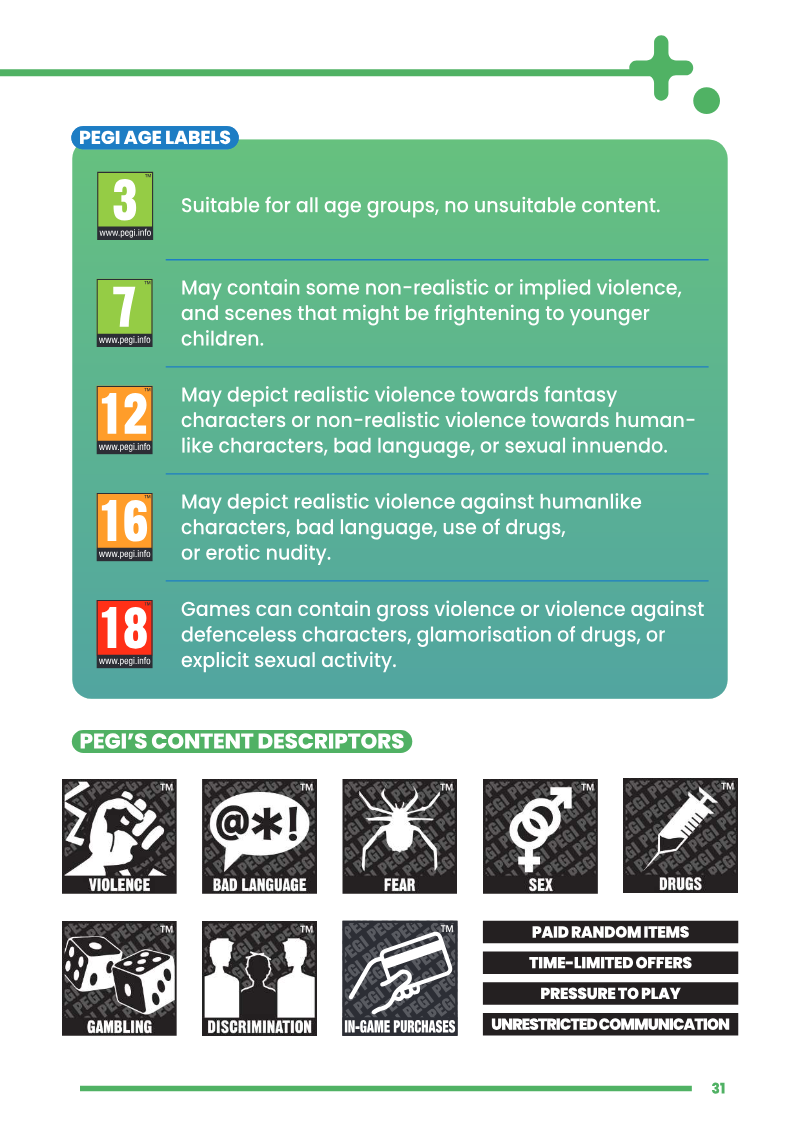
The Belgian Games Key Facts 2021 report, published by the Video Games Federation Belgium as part of BelgianGames, presents the first edition of a compiled overview of the video game sector in Belgium and Europe, covering primarily data from 2021. Its stated aim is to demonstrate the economic value of video games, describe how people play them, and outline how parents and schools engage with games, while promoting a safe and responsible play environment anchored in the PEGI age-rating system.
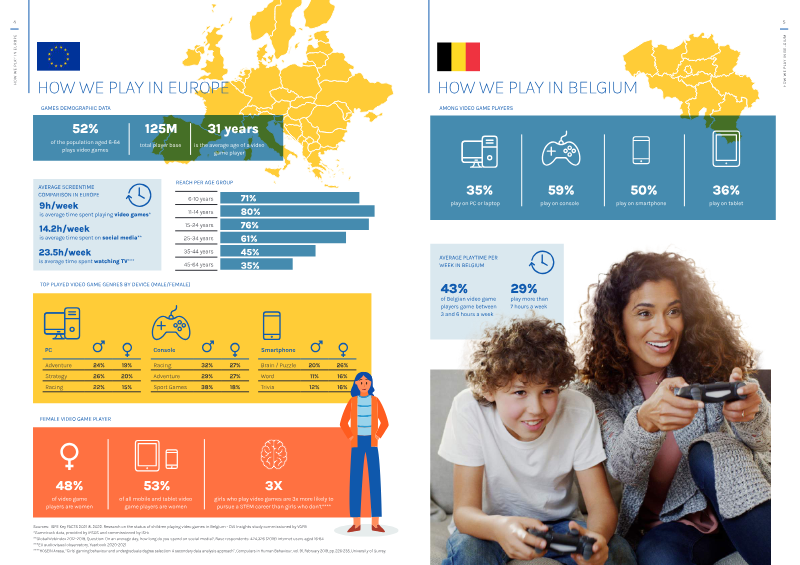
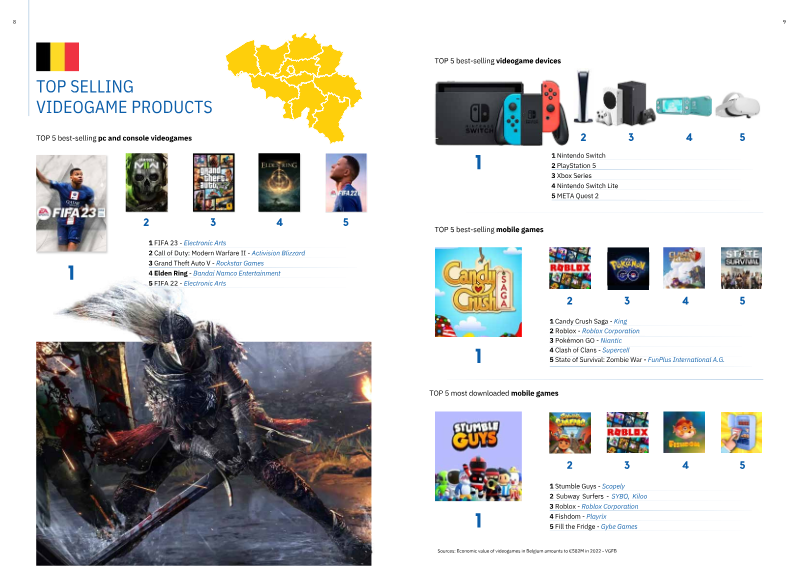
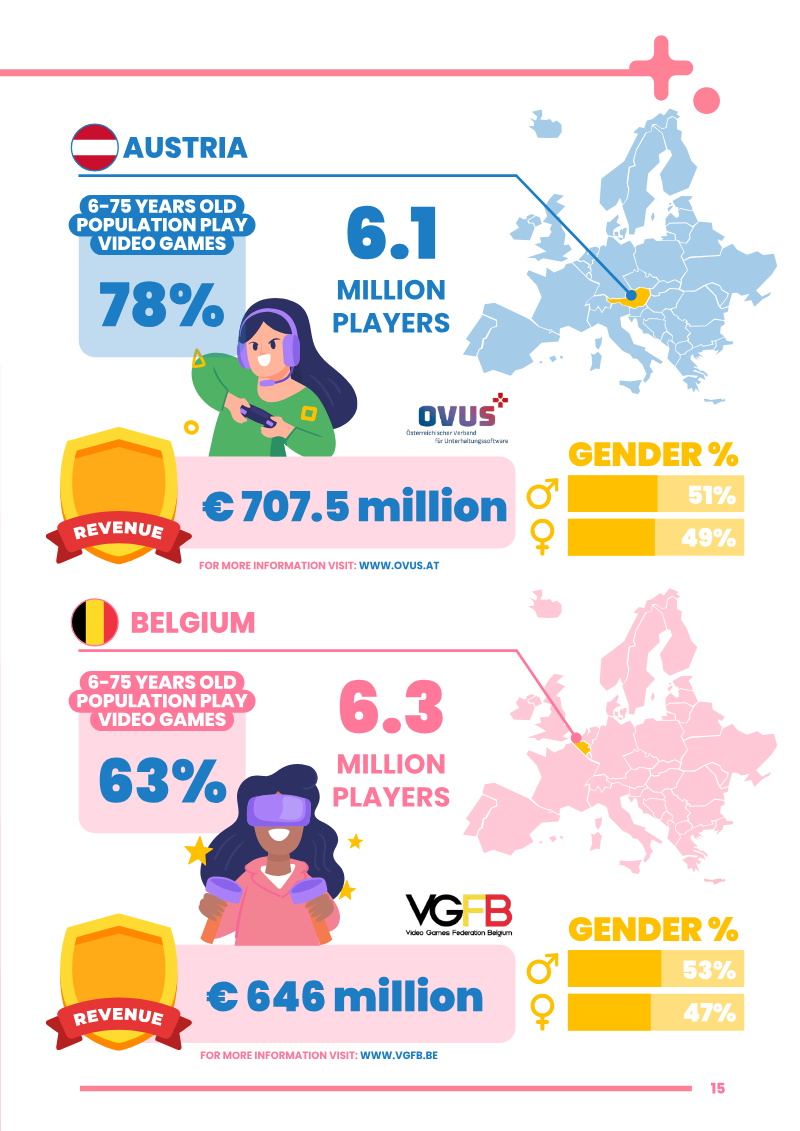
On the economic side, the sector's total value in Belgium reached an estimated €600 million in 2021, growing about 4% over 2020. Belgian video game development generated €88 million in overall turnover across 110 companies employing 935 full-time equivalents. The most-downloaded mobile games were Pokémon GO and Brawl Stars, with roughly 147 million mobile game downloads recorded in the country that year, while FIFA 22 and Grand Theft Auto V led pc and console sales. Player demographics show that around 52% of the Belgian population aged 6 to 64 play video games, with an average player age of 31 and a near-even gender split, women making up 48% of video game players overall.
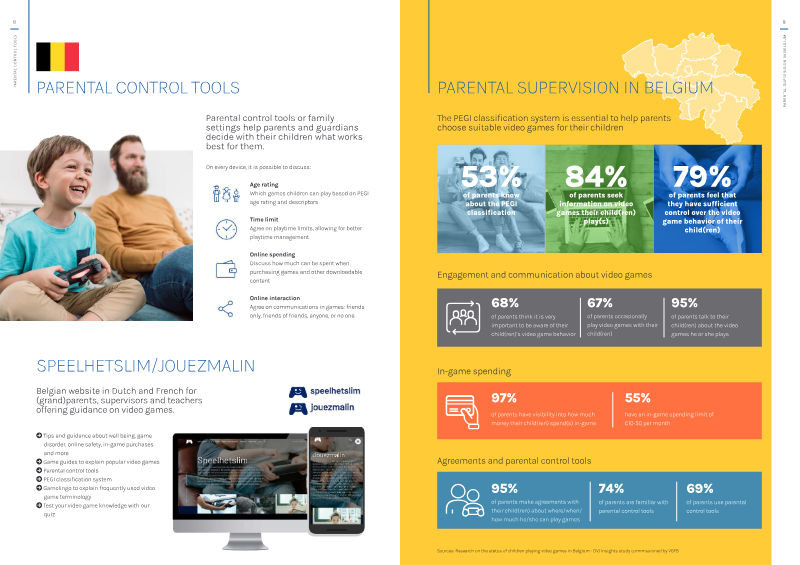
Playtime and platform data draw on GameTrack, GlobalWebIndex and a DVJ Insights study commissioned by the federation, with the report noting that Belgian players average around nine hours of gaming per week and that 43% play between three and six hours. Parental attitudes form a significant section: 84% of parents report knowing the PEGI age ratings, 95% talk with their children about the games they play, and 55% have set an in-game spending limit, though the sample size and survey methodology for these attitudinal figures are not detailed in the summary provided. The report is limited to Belgian and European market figures and offers no explicit cross-year trend analysis beyond the post-pandemic observation that play frequency rose sharply.
PocketGamer.biz · 2017