1 free read left. Create a free account for unlimited reading + AI research.
Create free accountWhitepaper Springer
1 free read left. Create a free account for unlimited reading + AI research.
Create free accountWhitepaperSpringer
Traditional game history has long been constrained by a narrow focus on the United States and Japan, fostering a misleading perception of a uniform, global evolution of the medium. This perspective overlooks the critical influence of geography, infrastructure, and cultural context on how games are developed, distributed, and experienced. By prioritizing these dominant narratives, the field has inadvertently marginalized diverse regional histories and obscured the complex, localized realities that define the broader gaming landscape.
A more robust approach requires shifting the analytical lens toward the local, treating specific geographic and cultural environments as essential variables rather than peripheral anomalies. Case studies ranging from Czechoslovakian homebrew scenes and Polish tape-based software to the unique industrial development in Sweden demonstrate that game history is not a monolithic progression but a collection of interconnected, place-specific trajectories. Integrating these micro-level histories with macro-level global trends is necessary to move beyond universalized assumptions and achieve a more mature, empirically grounded understanding of the medium.
Ultimately, the study of game history must embrace a nuanced framework that bridges the gap between local specificities and international industry movements. By examining how regional constraints and cultural identities shape technological adoption and creative output, scholars can fill significant gaps in the historical record. This transition toward a localized, connected history is vital for challenging established grand narratives and ensuring that the evolution of game culture is documented with the depth and diversity it demands.
Springer · 2026
Springer · 2026

Springer · 2025
Springer · 2024


Springer Science and Business Media LLC · 2024
Springer · 2023
Springer · 2021
Springer · 2021
Springer · 2020
Springer · 2020
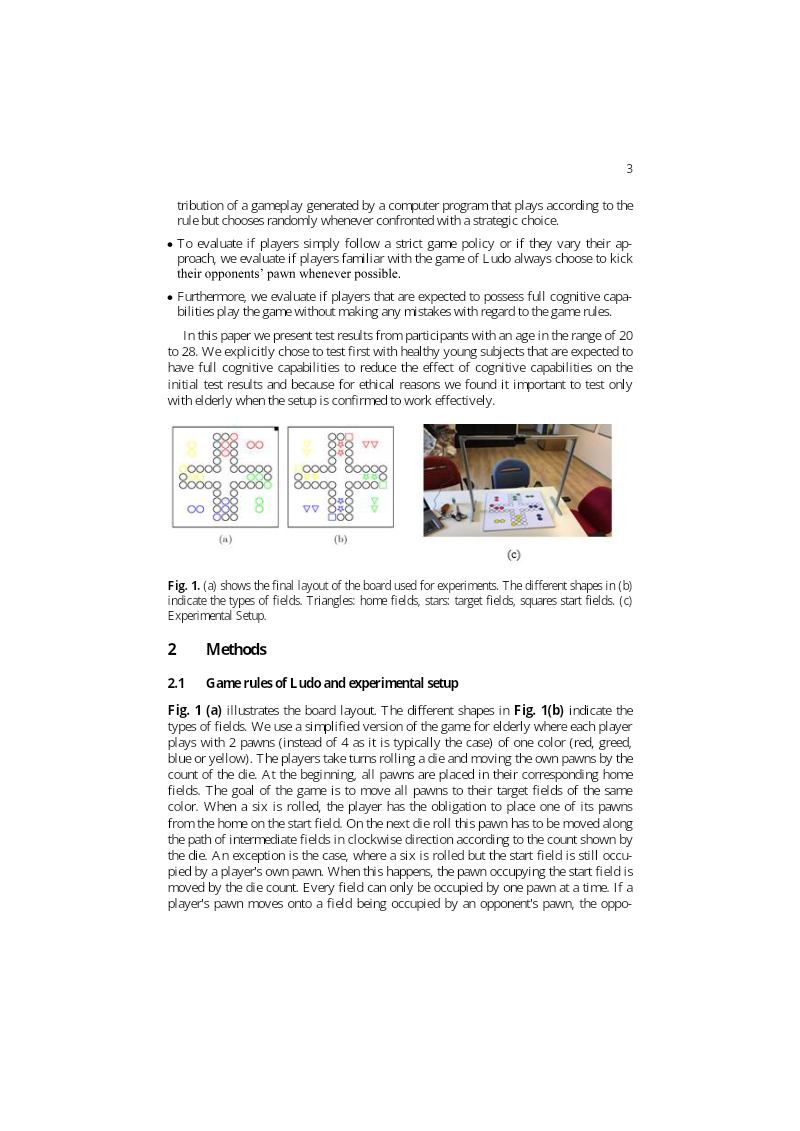
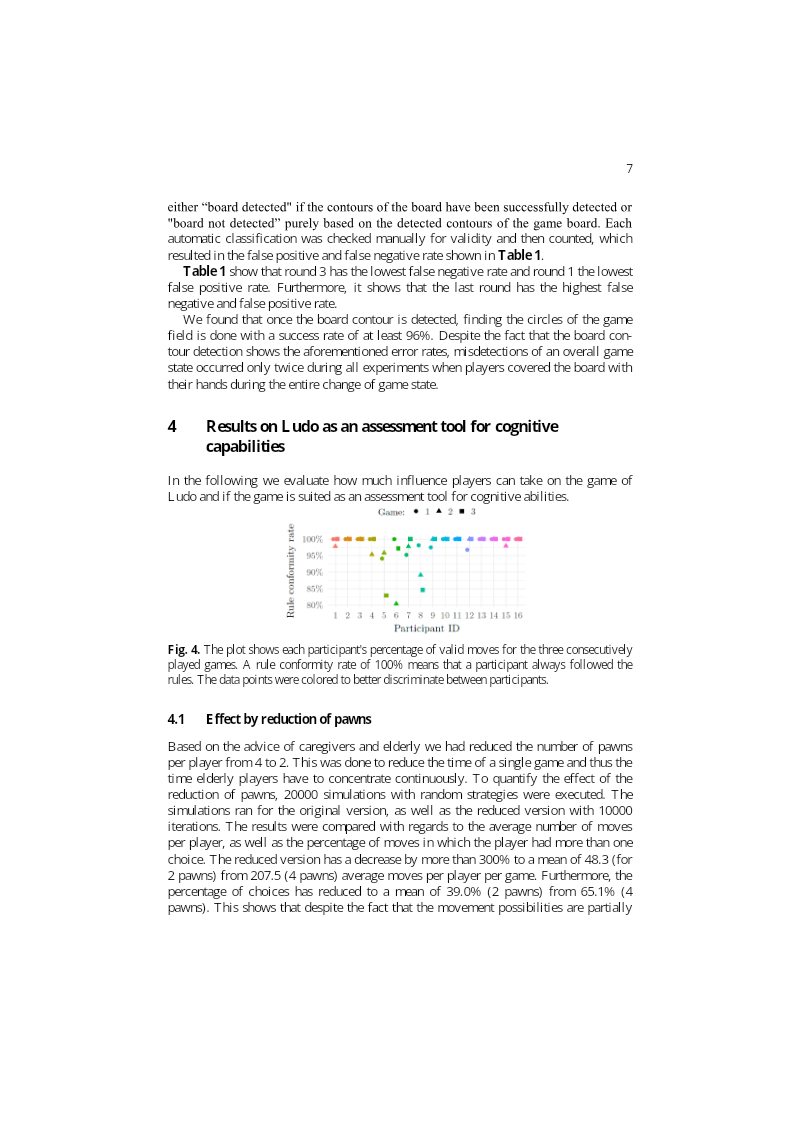
Springer · 2018
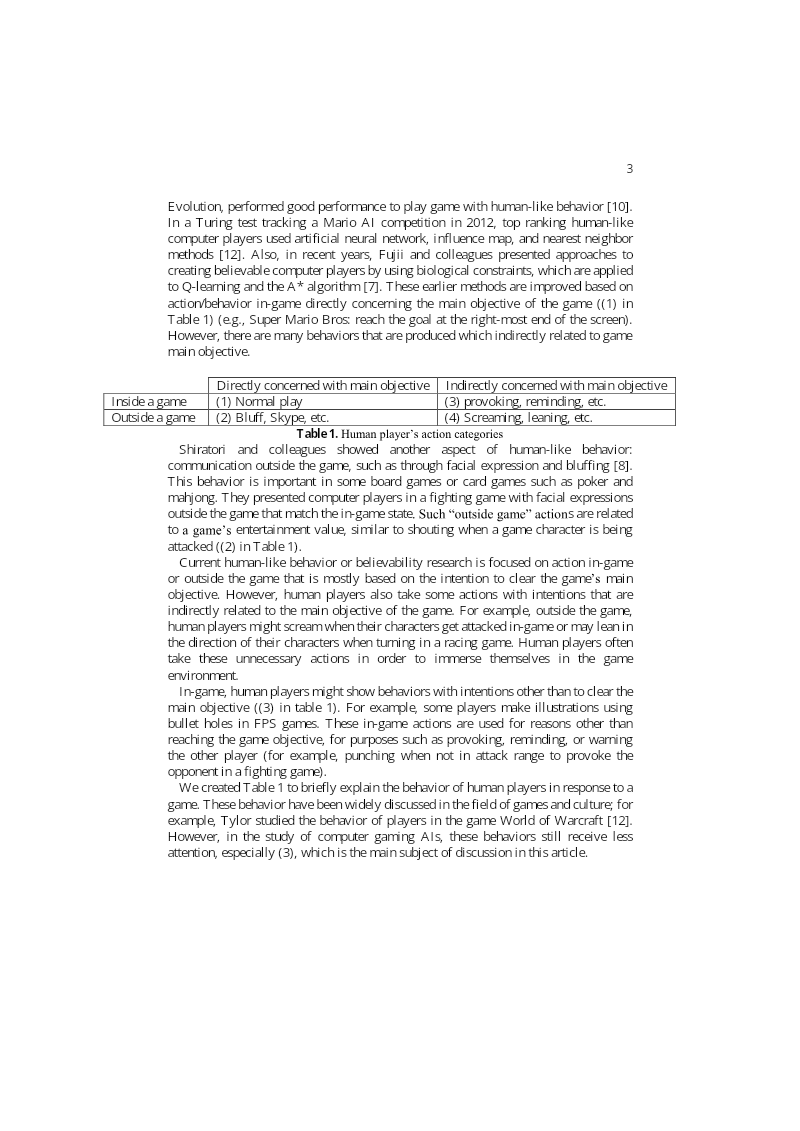

IFIP International Federation for Information Processing · 2017
Loading... The Journal of the Canadian Game Studies Association · 2022