1 free read left. Create a free account for unlimited reading + AI research.
Create free accountWhitepaper Springer
1 free read left. Create a free account for unlimited reading + AI research.
Create free accountWhitepaperSpringer
The educational game Welten der Werkstoffe serves as a viable alternative to traditional homework assignments within higher education materials science curricula. By bridging the gap between theoretical concepts and practical application, the game maintains academic standards while fostering higher levels of student engagement. Quantitative analysis reveals a notable performance advantage for participants, as students who completed the game achieved an average exam grade of 2.94, significantly outperforming the 4.32 average recorded by those who relied on conventional study methods.
Despite these positive outcomes, the implementation highlights a critical divide in user experience based on prior gaming proficiency. Experienced gamers consistently report higher levels of engagement and ease of use compared to non-gamers, who often struggle with the game’s mechanics. This disparity suggests that the current design inadvertently favors those already familiar with digital gaming environments, potentially creating an uneven playing field. To ensure equitable learning opportunities, future iterations must prioritize adaptive onboarding processes and more inclusive design strategies that accommodate students regardless of their prior gaming experience.
While the findings demonstrate that digital tools can effectively supplement or replace traditional pedagogical approaches, the scope of this research remains limited by a small sample size and the potential for self-selection bias among participants. Consequently, while the game proves successful in its current context, broader adoption requires further validation through larger, more diverse study groups. Future research should focus on refining accessibility to ensure that the benefits of gamified learning are accessible to the entire student body, rather than being restricted to those with existing digital literacy or gaming backgrounds.
Springer · 2026
Springer · 2024


Springer Science and Business Media LLC · 2024
Springer · 2023
University of Jyväskylä · 2021
Springer · 2021
Springer · 2020
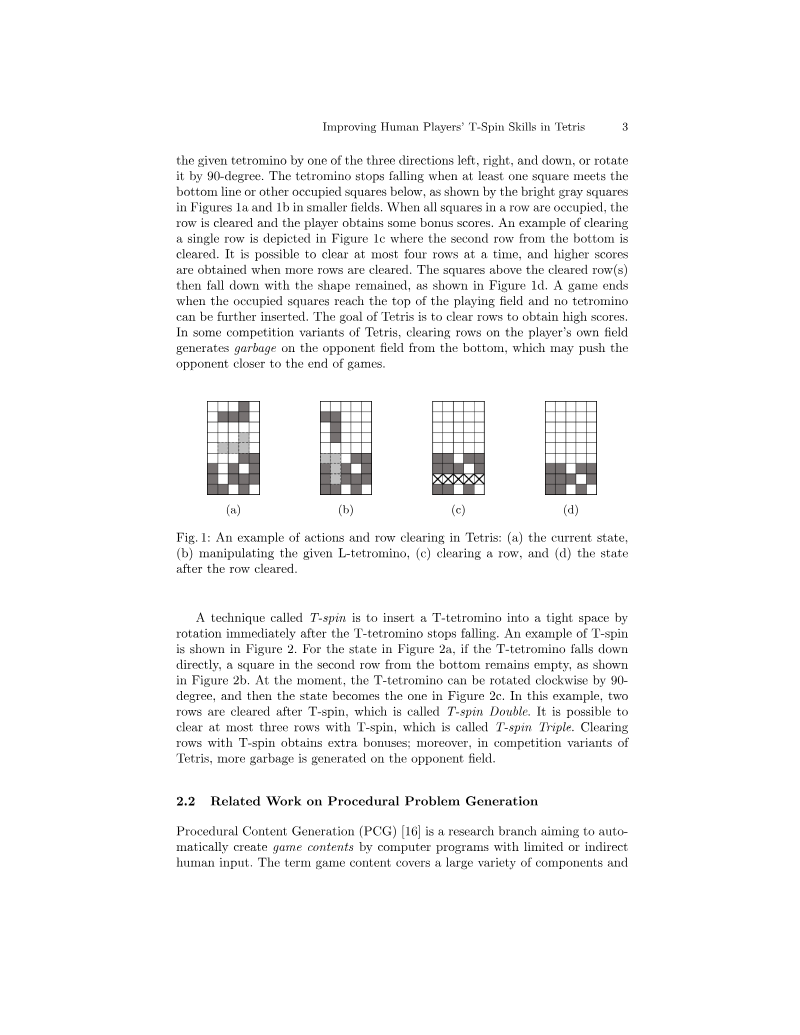
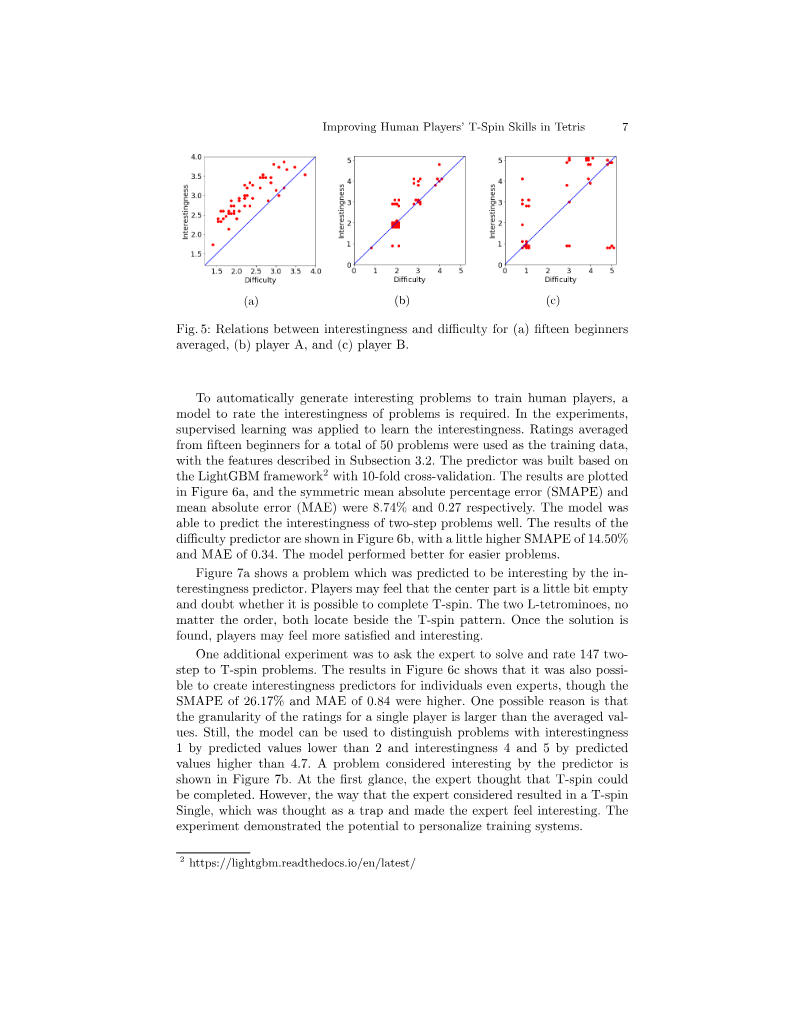
Springer · 2020
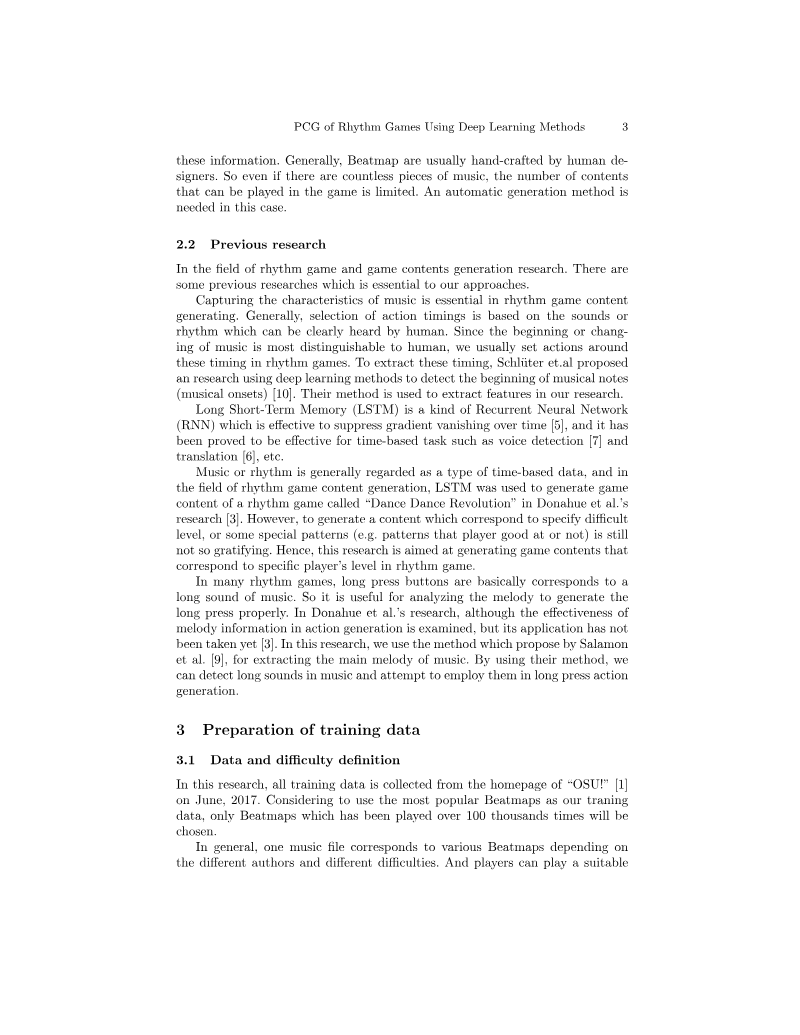
IFIP International Federation for Information Processing · 2019
Springer · 2018
IFIP International Federation for Information Processing · 2017
Springer · 2017
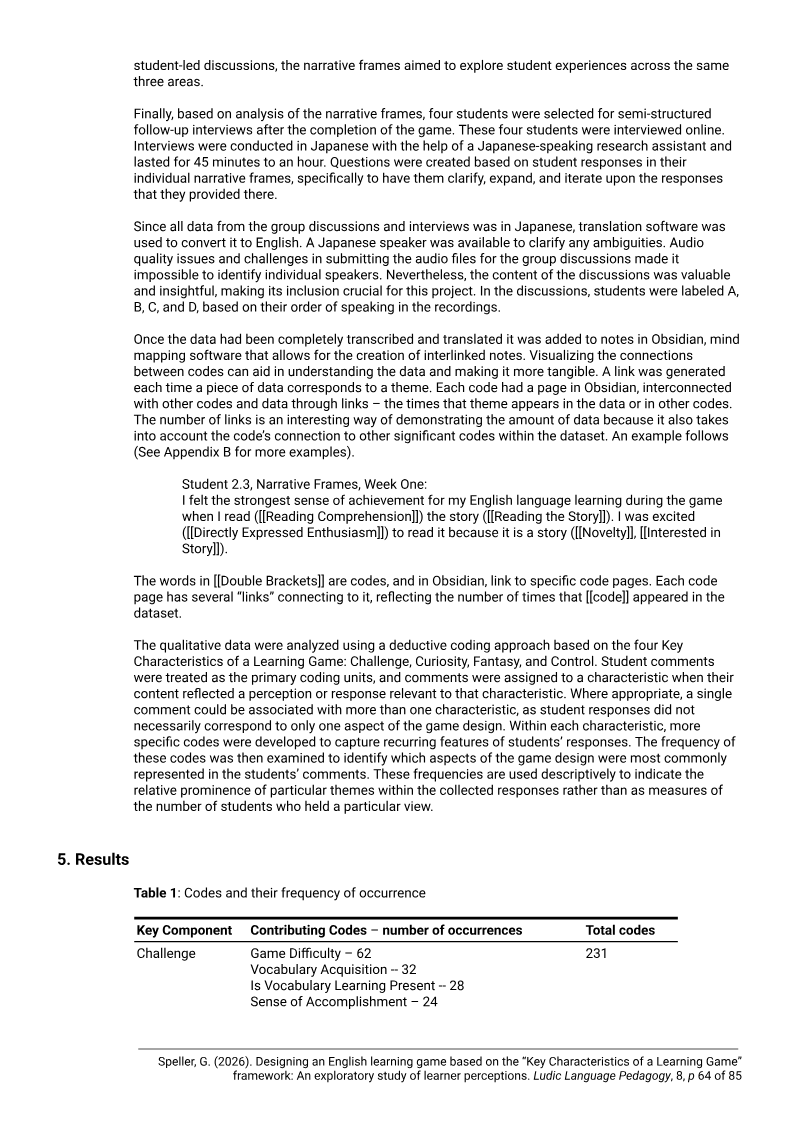
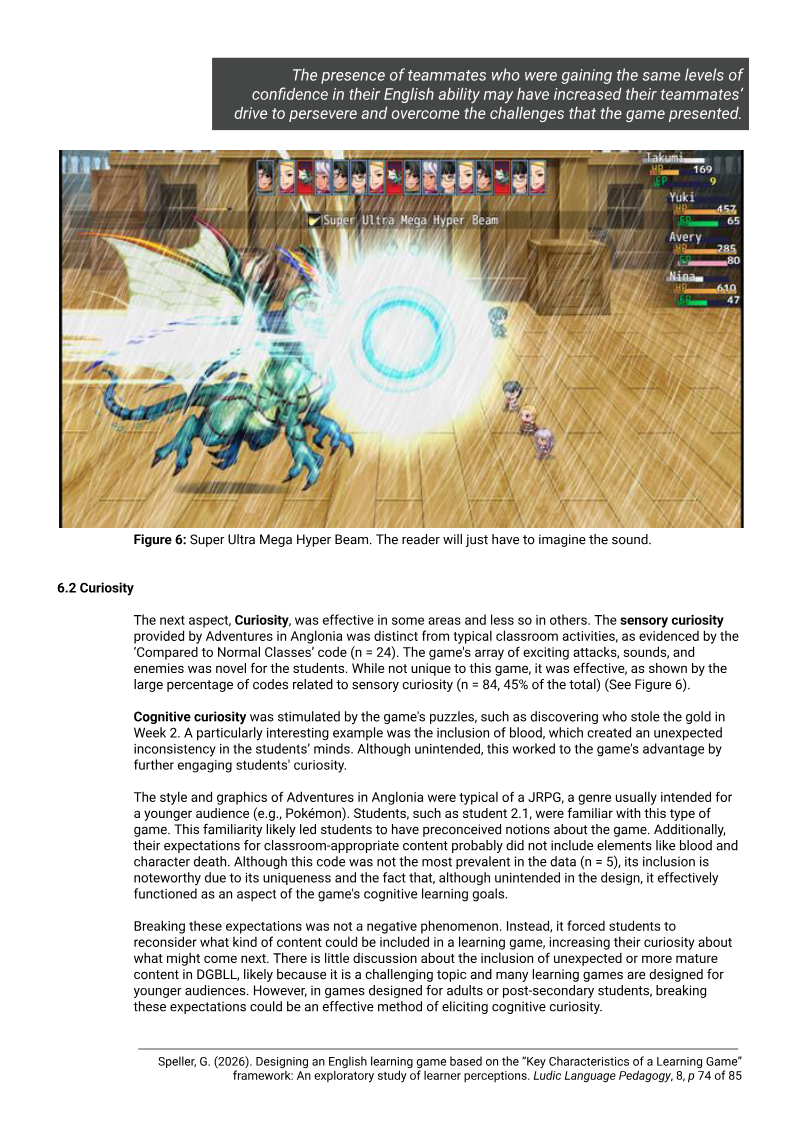
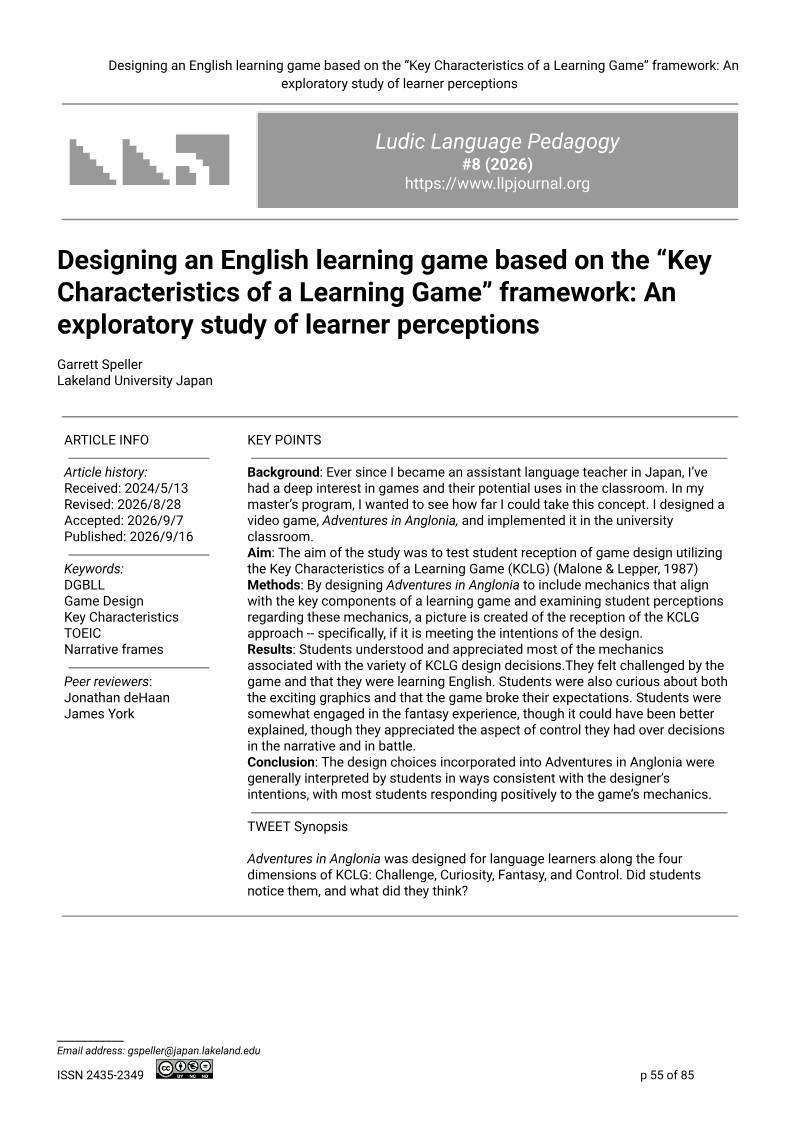
Ludic Language Pedagogy · 2026