1 free read left. Create a free account for unlimited reading + AI research.
Create free accountWhitepaper Springer
1 free read left. Create a free account for unlimited reading + AI research.
Create free accountWhitepaperSpringer
Distilling the key insights…
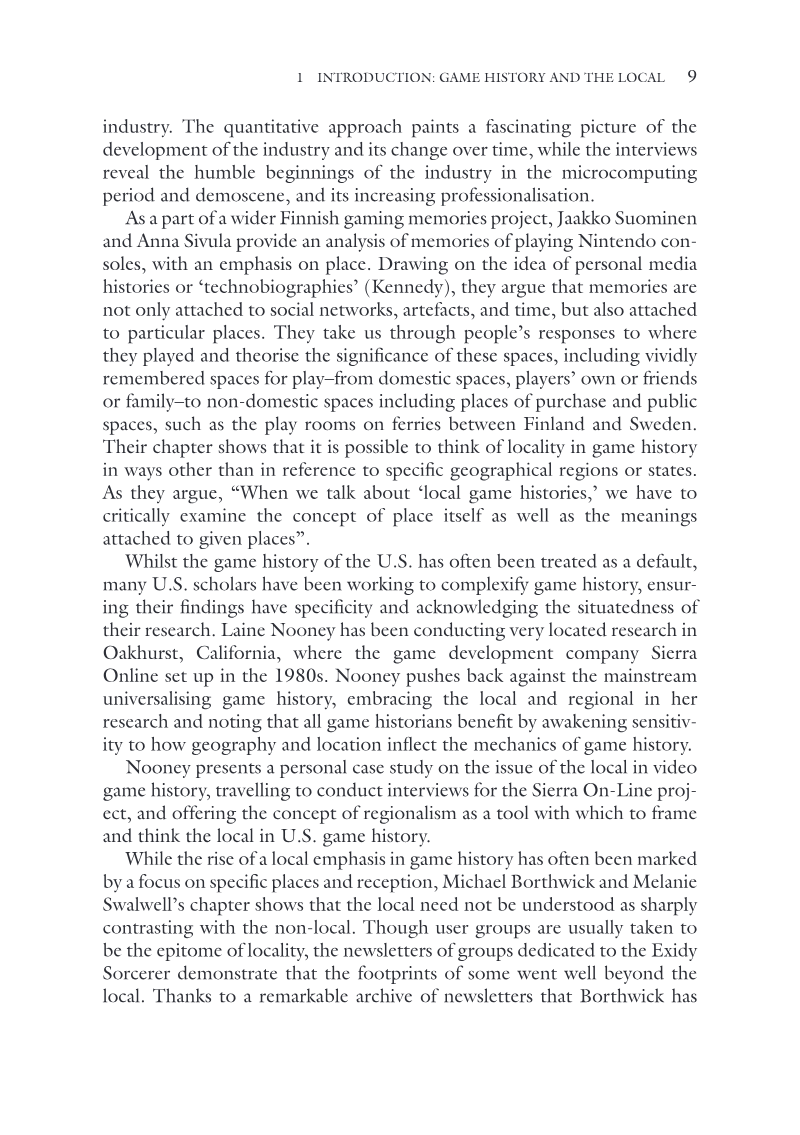
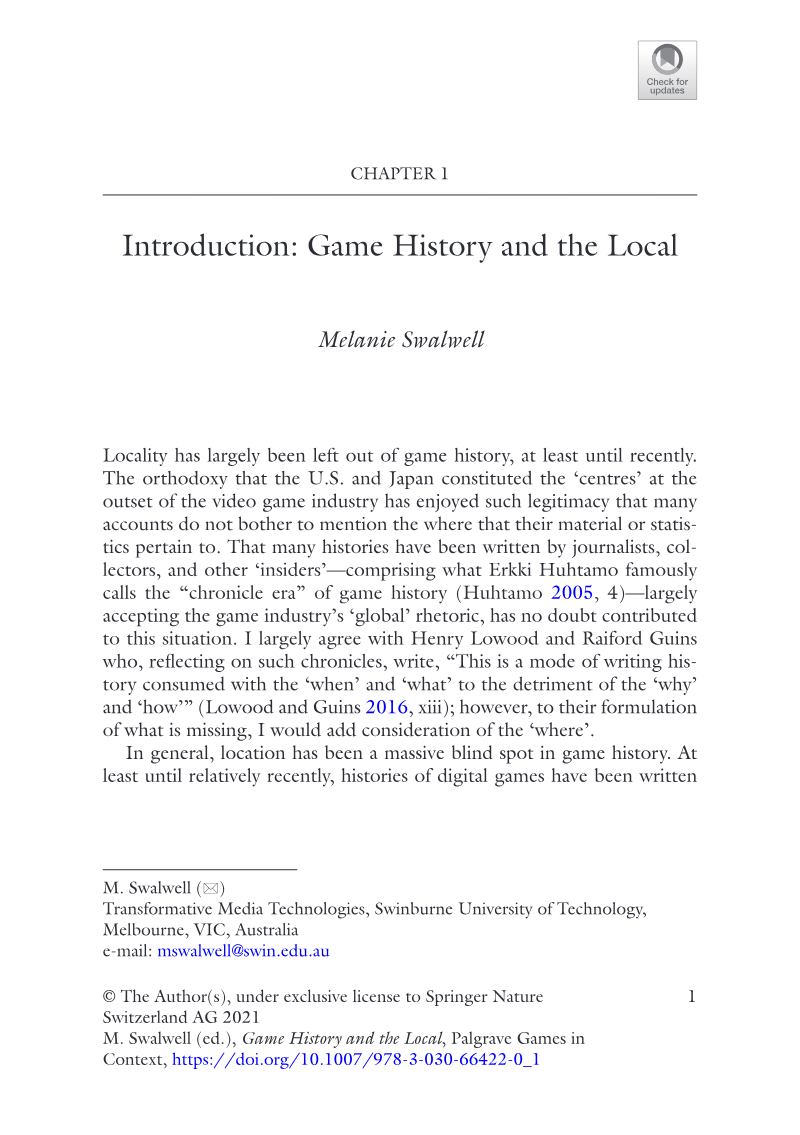
The primary purpose of this analysis is to advocate for a transition in game history scholarship from isolated, local case studies toward more integrated, connected histories. The central thesis posits that while early research into local game production successfully challenged the orthodoxy that prioritized North American and Japanese contributions, the field must now move beyond granular microhistories to address broader, transnational entanglements. By synthesizing local specificities with global contexts, historians can better understand the complex, hybrid nature of digital gaming development.
The research draws on historical debates regarding microhistory, specifically the tension between the detailed, localized focus of the truffle hunter and the broader, panoramic perspective of the global historian. Key findings suggest that local game history is inherently heterodox, as it frequently uncovers outlier examples from the periphery that undermine established grand narratives. By examining case studies from New Zealand, Australia, Brazil, and Eastern Europe, the analysis demonstrates that digital gaming was never a purely local phenomenon but rather a result of constant interaction between local structural factors, imported componentry, and international distribution networks.
Methodologically, the work emphasizes the necessity of comparative research and international collaboration to overcome barriers such as language differences and limited access to archival sources. The author highlights the effectiveness of collaborative projects, such as multisite research into software distribution and user group networks, as essential tools for mapping these transnational connections. Ultimately, the study concludes that the maturation of game history depends on the ability of scholars to move past single-site narratives, thereby revealing how local developments were always bound to global political and economic shifts.

Springer · 2026
Springer · 2026

Springer · 2025
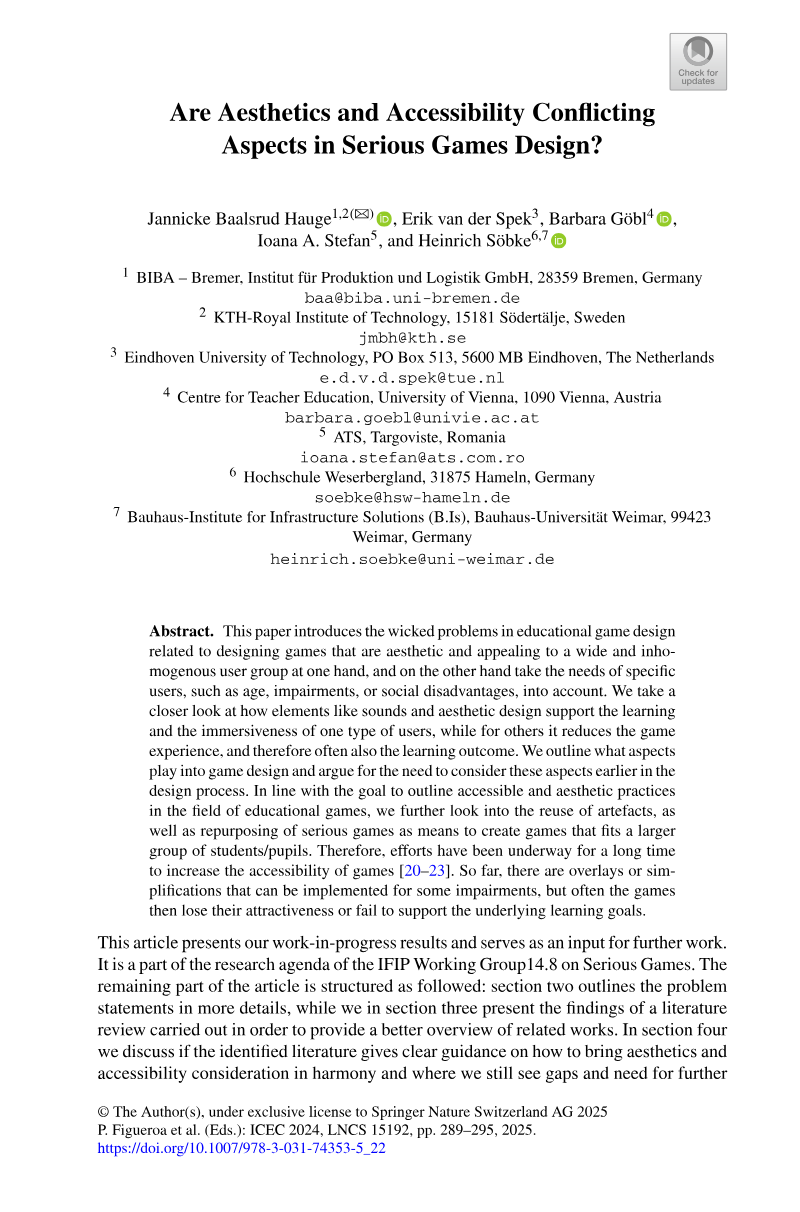
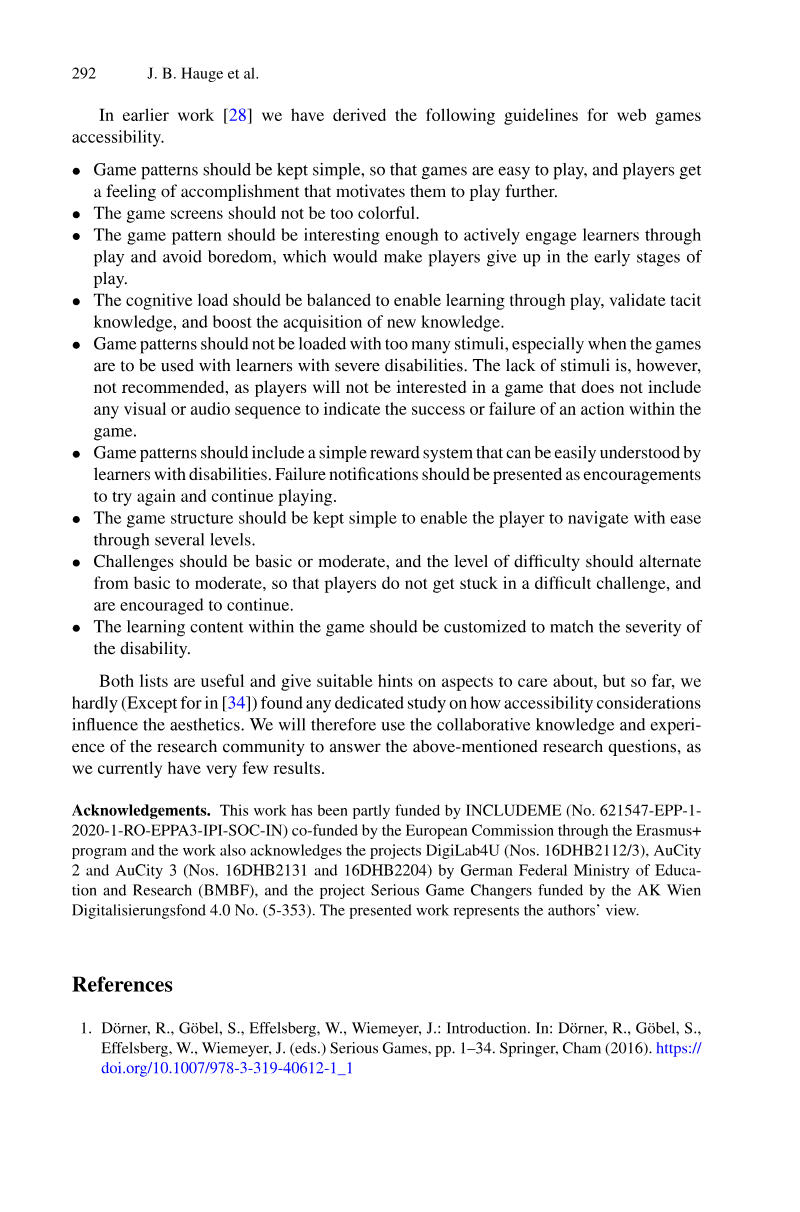
Springer · 2024


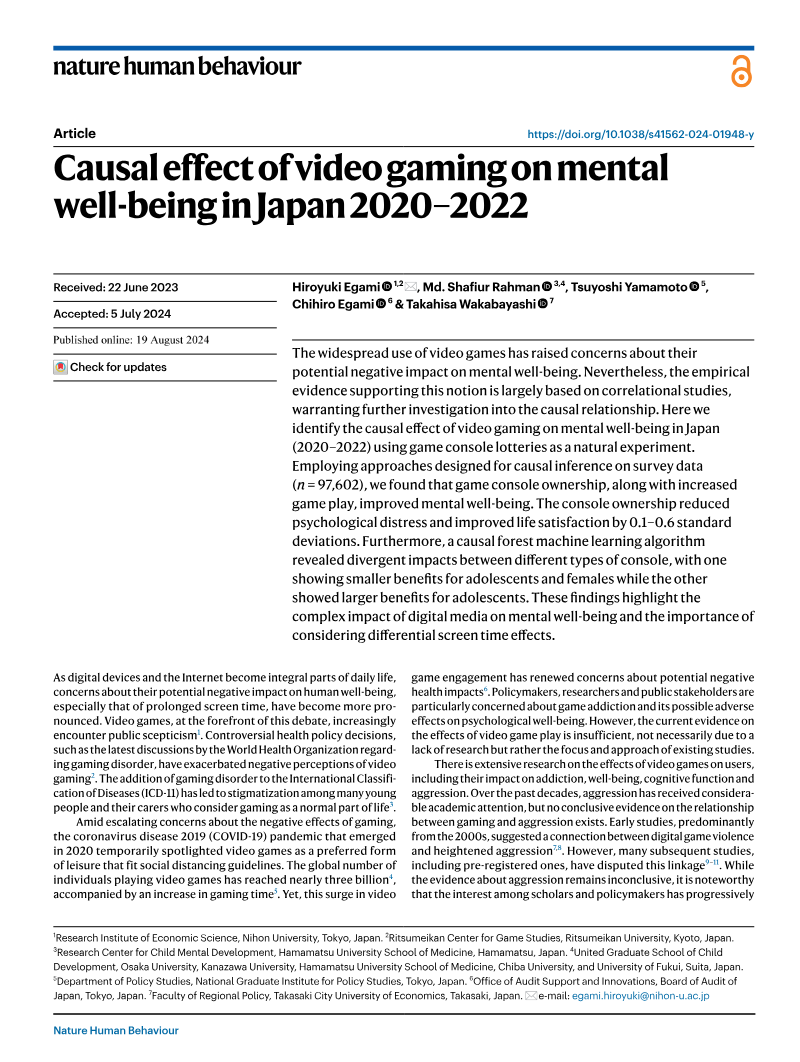
Springer Science and Business Media LLC · 2024
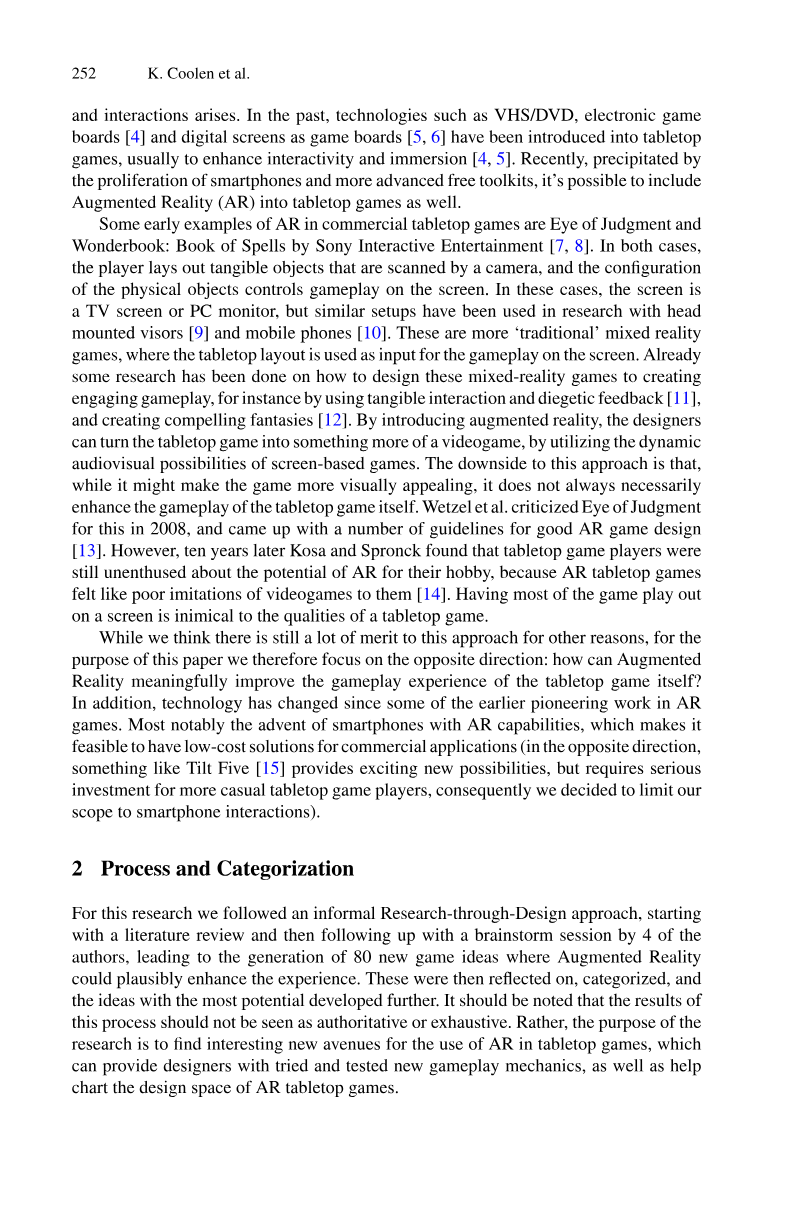
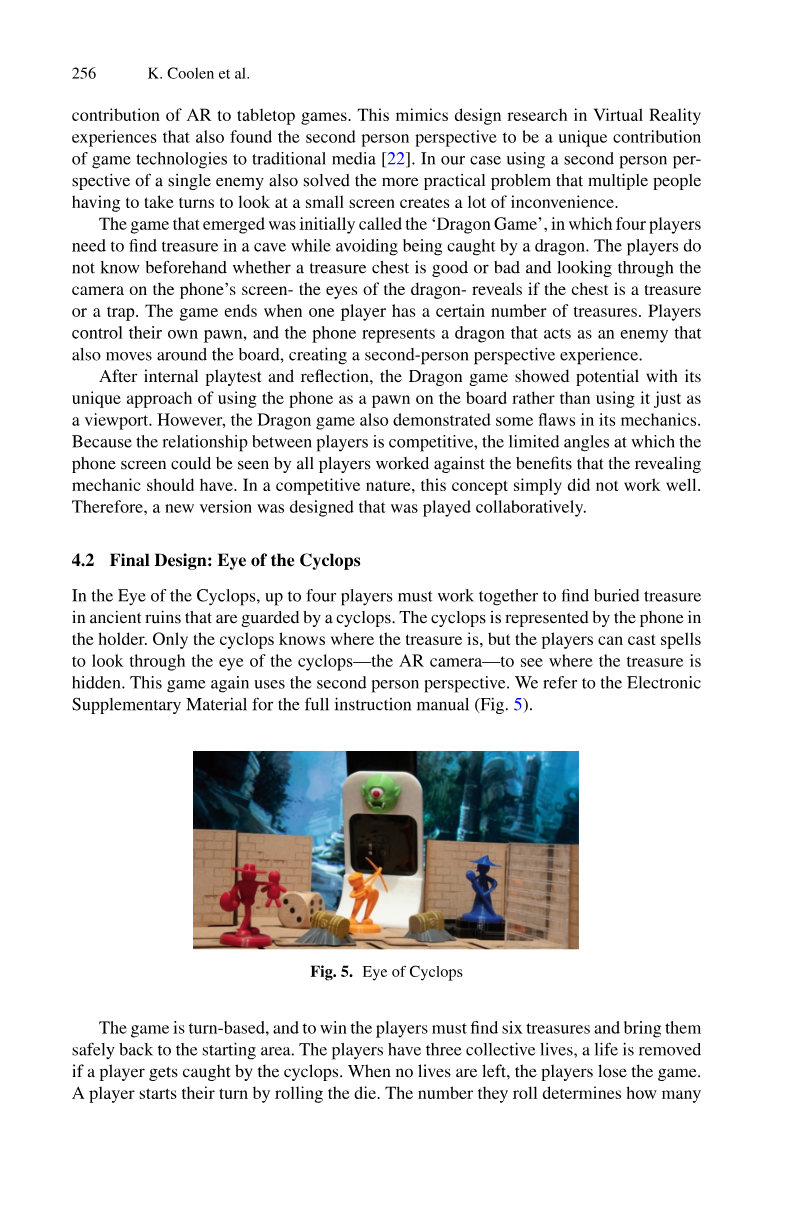
Springer · 2023
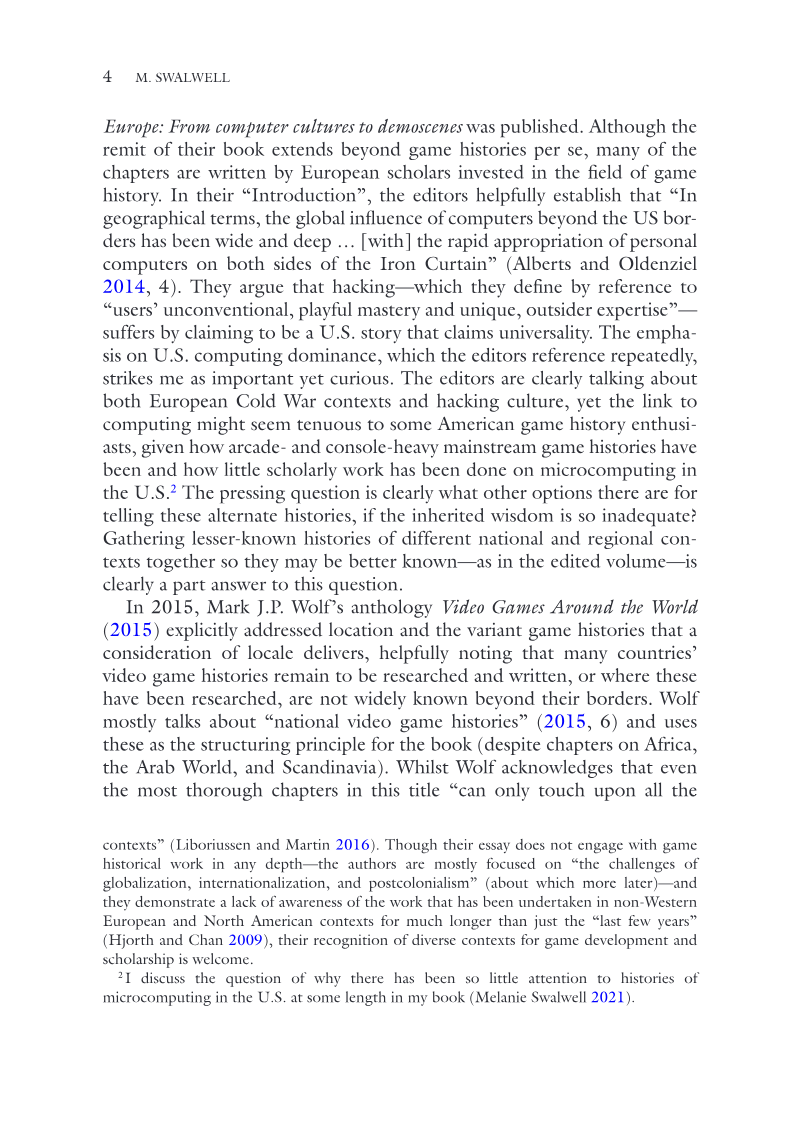
Springer · 2021
Springer · 2021
Springer · 2020
Springer · 2020
Springer · 2018

IFIP International Federation for Information Processing · 2017
Replay. The Polish Journal of Game Studies · 2026