1 free read left. Create a free account for unlimited reading + AI research.
Create free accountWhitepaper Springer
1 free read left. Create a free account for unlimited reading + AI research.
Create free accountWhitepaperSpringer
The 56th International Simulation and Gaming Association (ISAGA) Conference, held in Stuttgart in July 2025, served as a global forum for exploring the intersection of simulation, gaming, and complex societal challenges. The proceedings emphasize that simulation and gaming are not merely entertainment but are social constructions of reality that require rigorous, transparent design. The central thesis posits that these tools are most effective when they facilitate a "multilogue"—a process of collaborative inquiry and critical reflection among diverse stakeholders—rather than presenting game models as absolute truths. By prioritizing ethical design and intentional facilitation, practitioners can mitigate the risks of bias and misinformation, ensuring that simulations serve as accurate, evidence-informed frameworks for addressing real-world problems.
The research presented covers a broad spectrum of industry segments, including urban planning, public health, industrial training, and higher education. Key findings demonstrate that simulation-based learning consistently enhances understanding of complex systems, such as municipal care services, climate change mitigation, and health insurance economics. In educational contexts, specific game mechanics—such as those found in platformers or visual novels—directly correlate with the acquisition of computational thinking skills. Furthermore, the integration of haptic tools like LEGO® SERIOUS PLAY® and immersive technologies like Virtual Reality (VR) has proven effective in fostering deeper cognitive engagement and intercultural competence, provided these tools are supported by structured, reflective debriefing.
The conference also highlights the necessity of robust evaluation frameworks to validate the impact of serious games. Whether assessing Global Virtual Teams through Virtual Action Learning or measuring the efficacy of disaster response simulations, the consensus is that iterative, theory-based assessment is vital for organizational adoption. While technological advancements like AI and blockchain offer new avenues for realism and accessibility, particularly in resource-constrained environments, the human element remains paramount. Ultimately, the field is moving toward a more professionalized, ethical, and evidence-based approach that balances technological innovation with the critical need for participant safety and meaningful, long-term societal change.
Each row is a game or company this document names, each column a document, oldest first. A mark means that document names it. Select a row to see those documents.
Springer · 2026
Springer · 2025
Springer · 2024


Springer Science and Business Media LLC · 2024
Springer · 2023
Springer · 2021
Springer · 2021
Springer · 2021
Springer · 2020
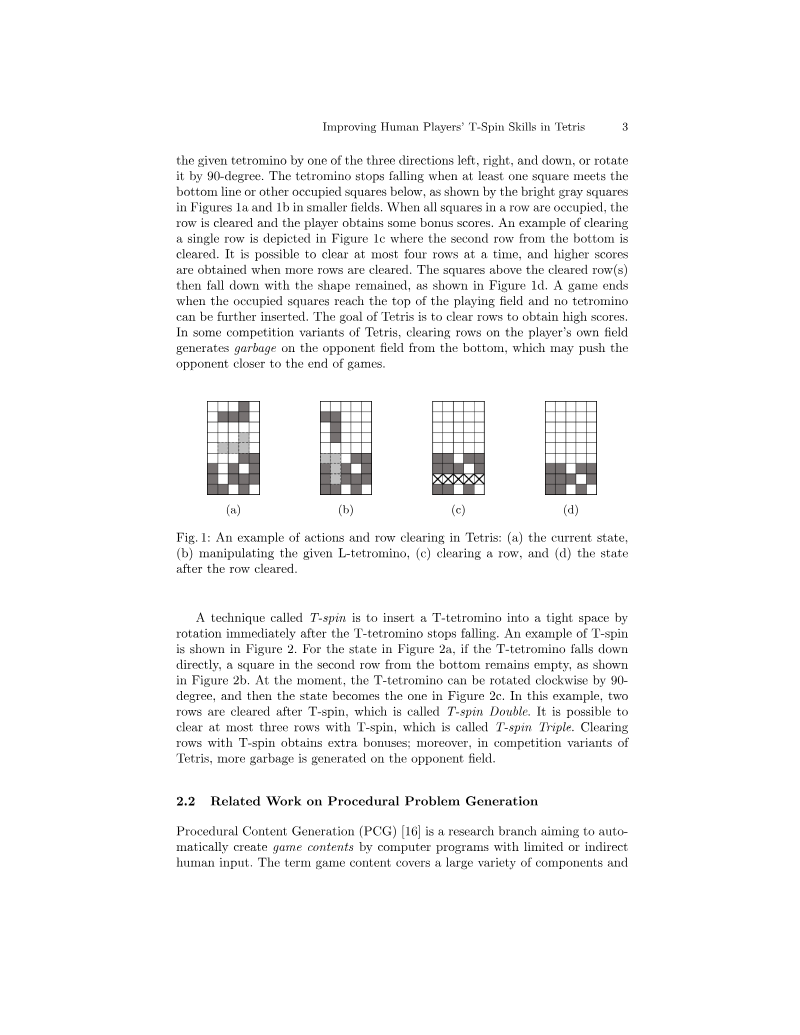
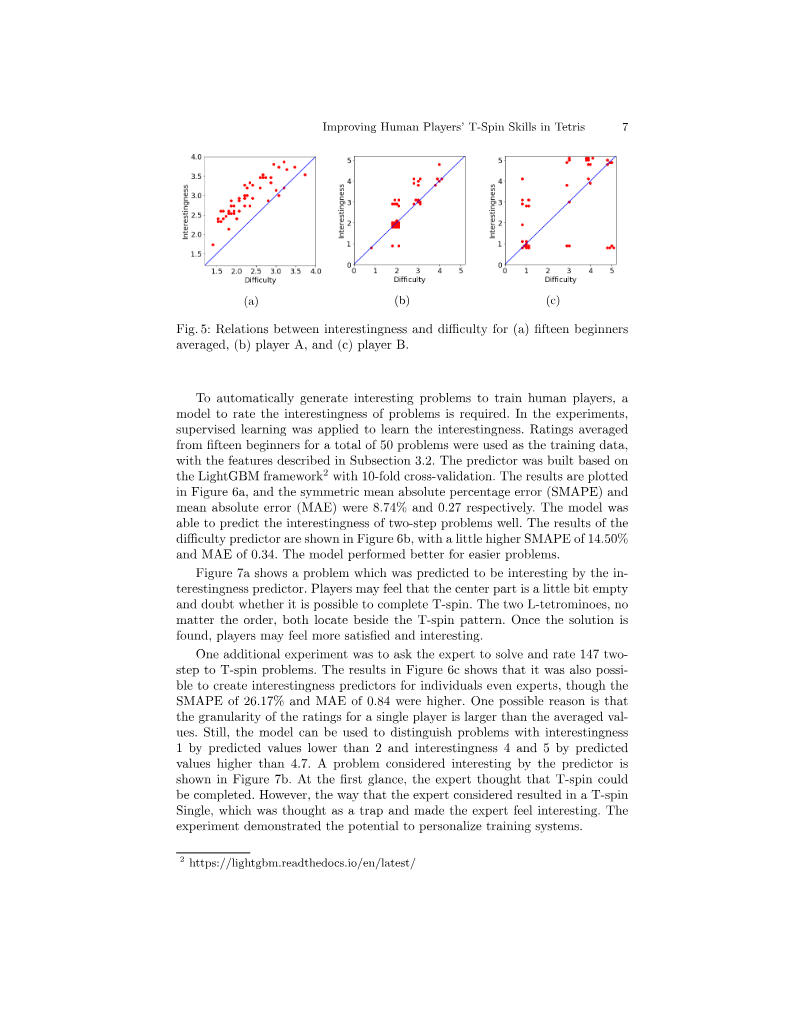
Springer · 2020
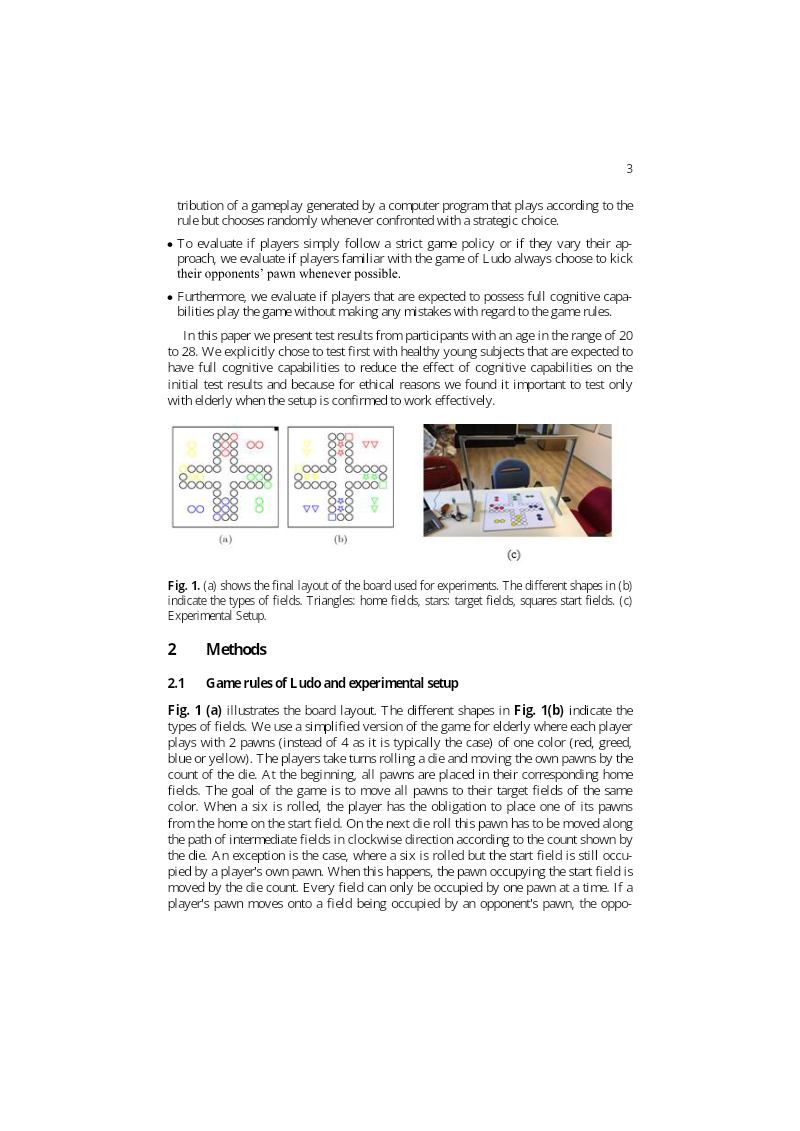
Springer · 2018
IFIP International Federation for Information Processing · 2017
Sage Publications · 2024