1 free read left. Create a free account for unlimited reading + AI research.
Create free accountWhitepaper Springer
1 free read left. Create a free account for unlimited reading + AI research.
Create free accountWhitepaperSpringer
This research explores the tension between aesthetic design and accessibility in the development of serious games. The primary thesis posits that while serious games are intended to be engaging and immersive for diverse user groups, the implementation of accessibility features—such as simplified visuals or audio adjustments—often conflicts with the game’s aesthetic appeal and, consequently, its learning efficacy. The authors argue that these design considerations must be integrated early in the development lifecycle rather than treated as secondary modifications.
The study utilizes a literature review to examine existing guidelines and identify gaps in current design practices. Key findings indicate that while numerous accessibility frameworks exist, they are often abstract, high-level, or focused on specific impairments rather than providing a holistic, generalizable approach. Furthermore, the research highlights a significant lack of empirical study regarding how accessibility modifications directly impact the aesthetic and immersive quality of games. Common barriers to implementation include limited project funding, a lack of developer understanding regarding accessibility, and concerns that such features may disrupt the intended design experience.
The scope of this work encompasses the broader serious games industry, with a focus on educational applications. The authors conclude that to foster inclusive and effective learning environments, developers must move beyond simple overlays and prioritize customizable game components—such as adjustable backgrounds, soundscapes, and difficulty levels—that allow for personalization without compromising the core game experience. The findings serve as a foundation for future research within the IFIP Working Group 14.8, emphasizing the need for practical, actionable design methodologies that harmonize aesthetic quality with universal accessibility.
Springer · 2026
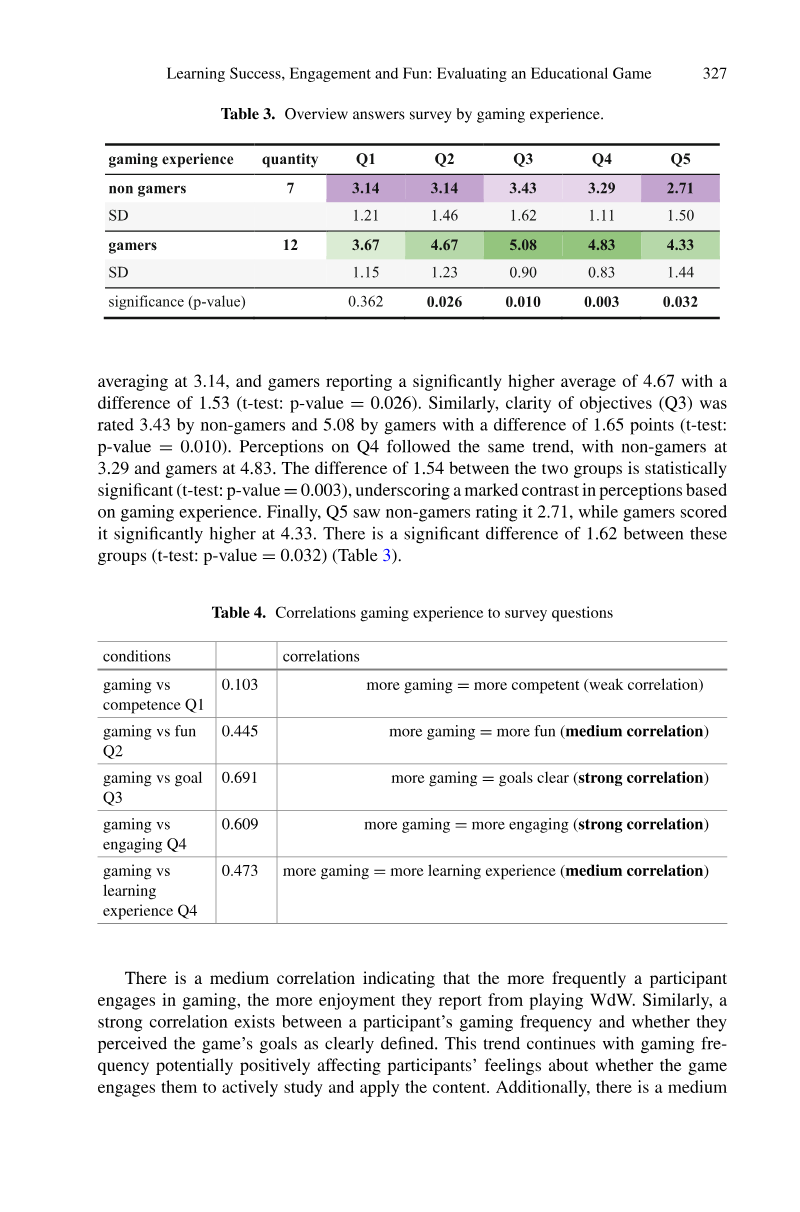
Springer · 2025


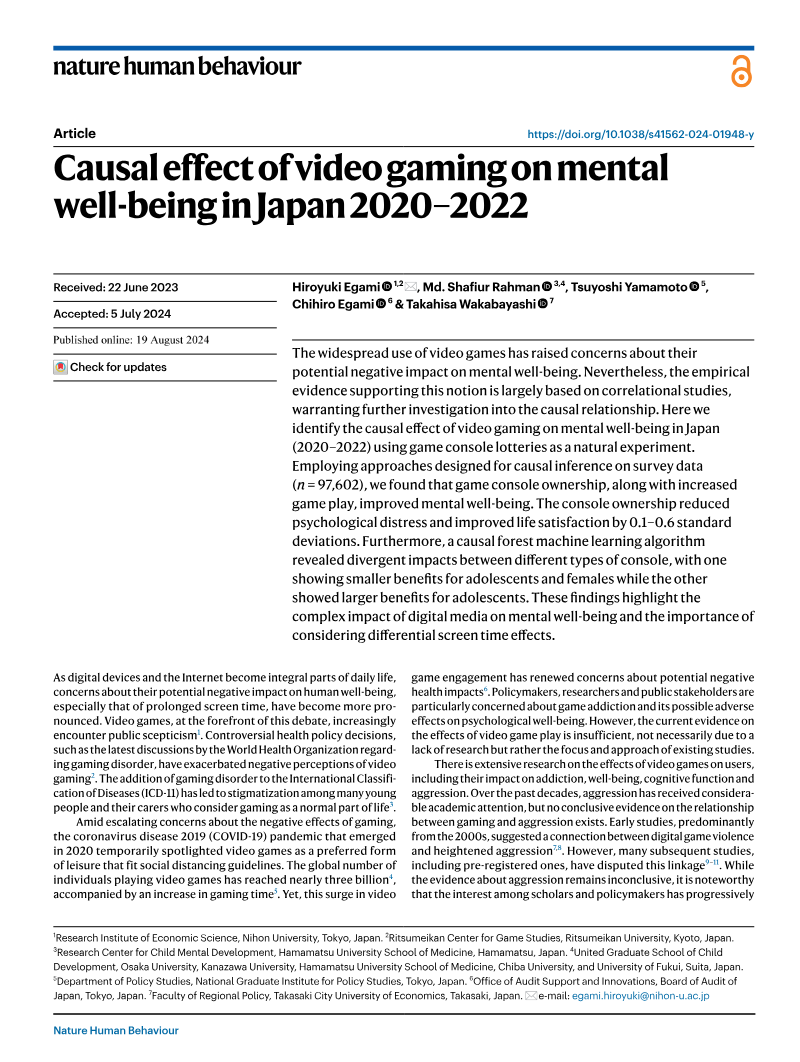
Springer Science and Business Media LLC · 2024
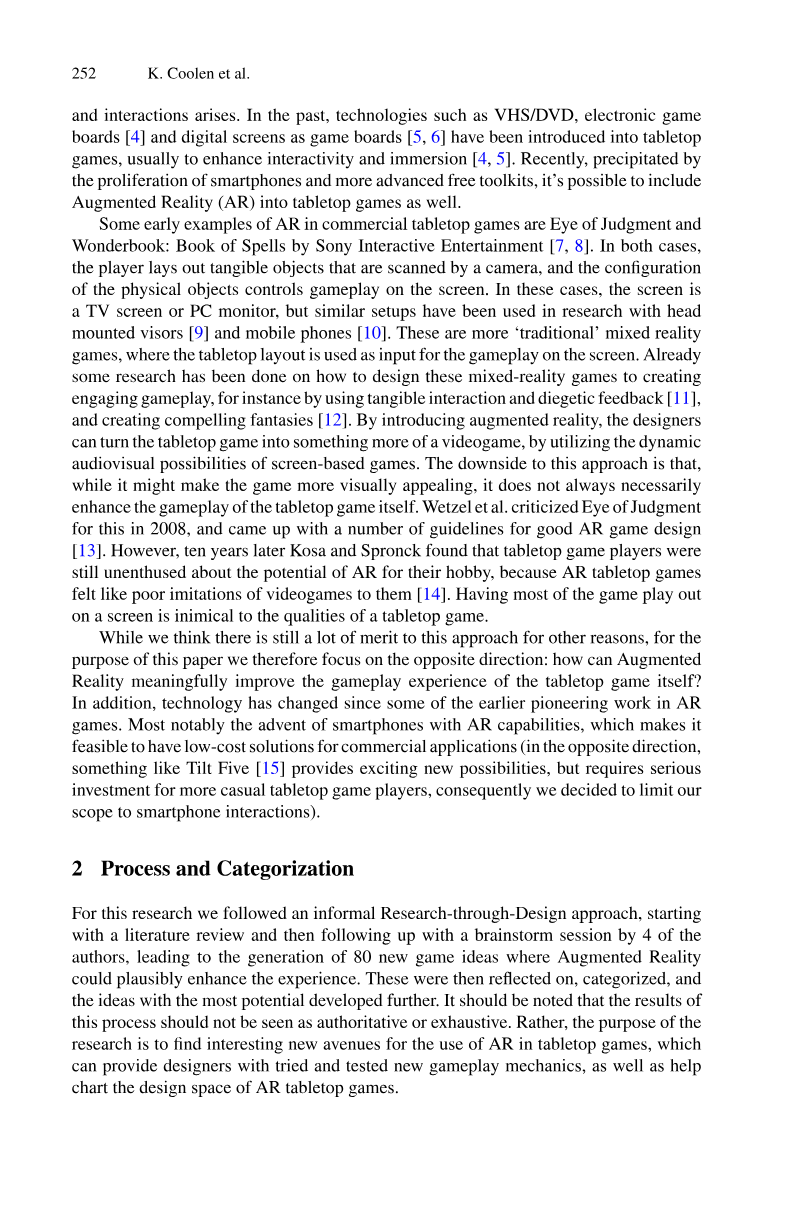
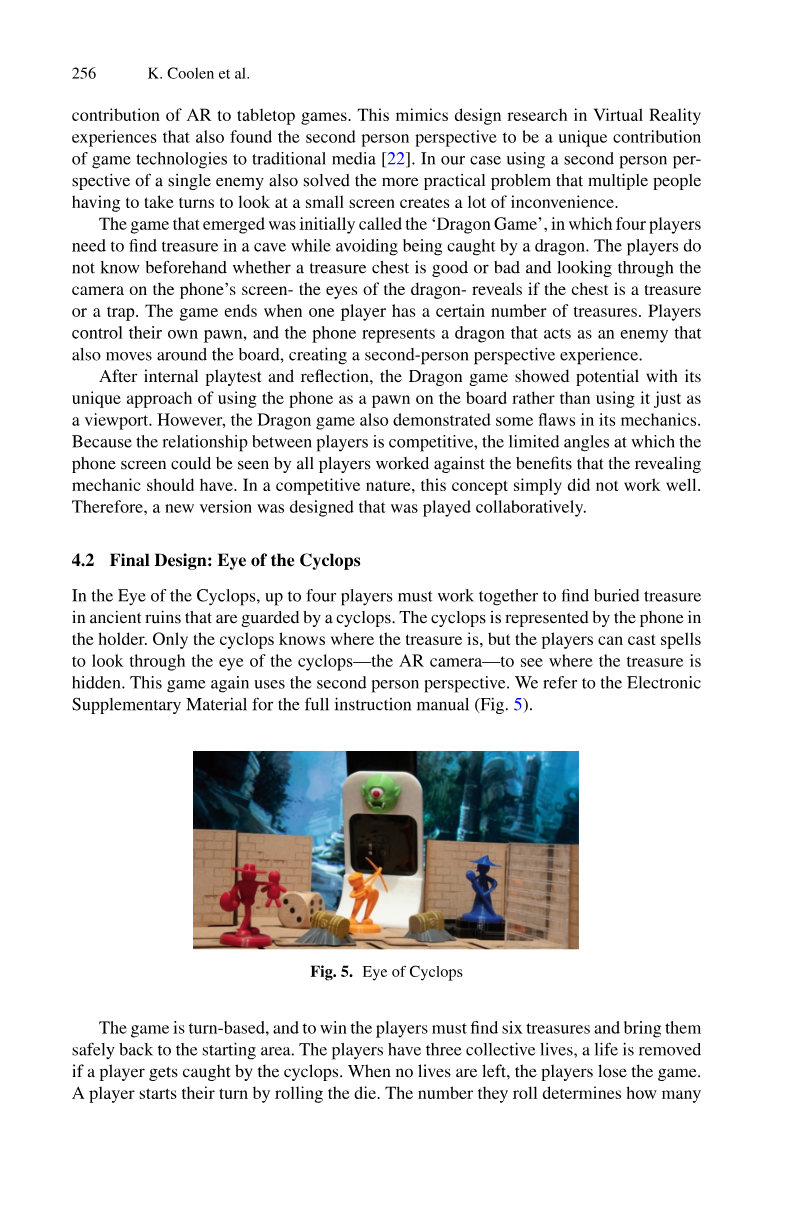
Springer · 2023
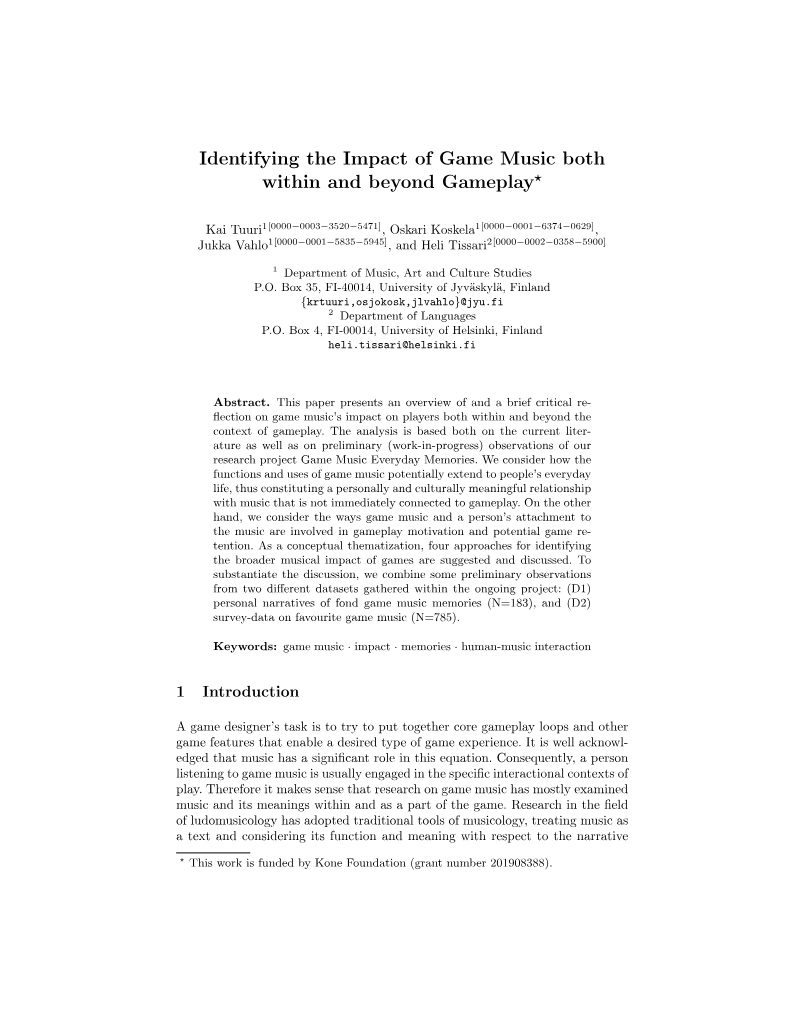
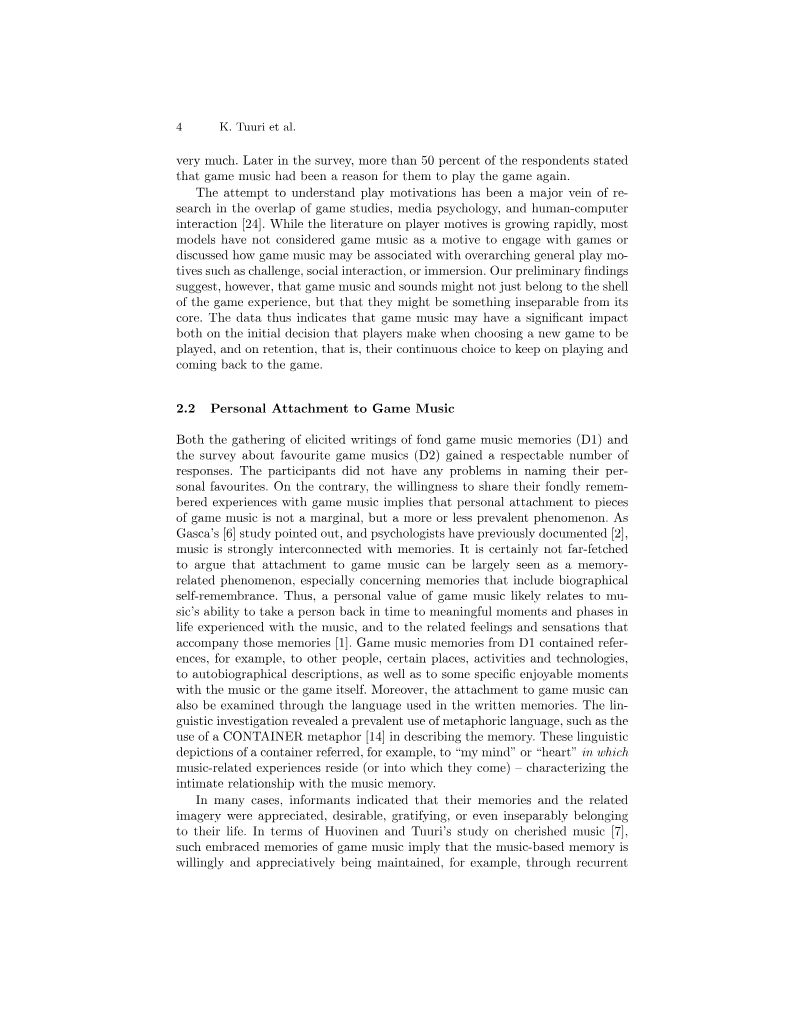
University of Jyväskylä · 2021
Springer · 2021
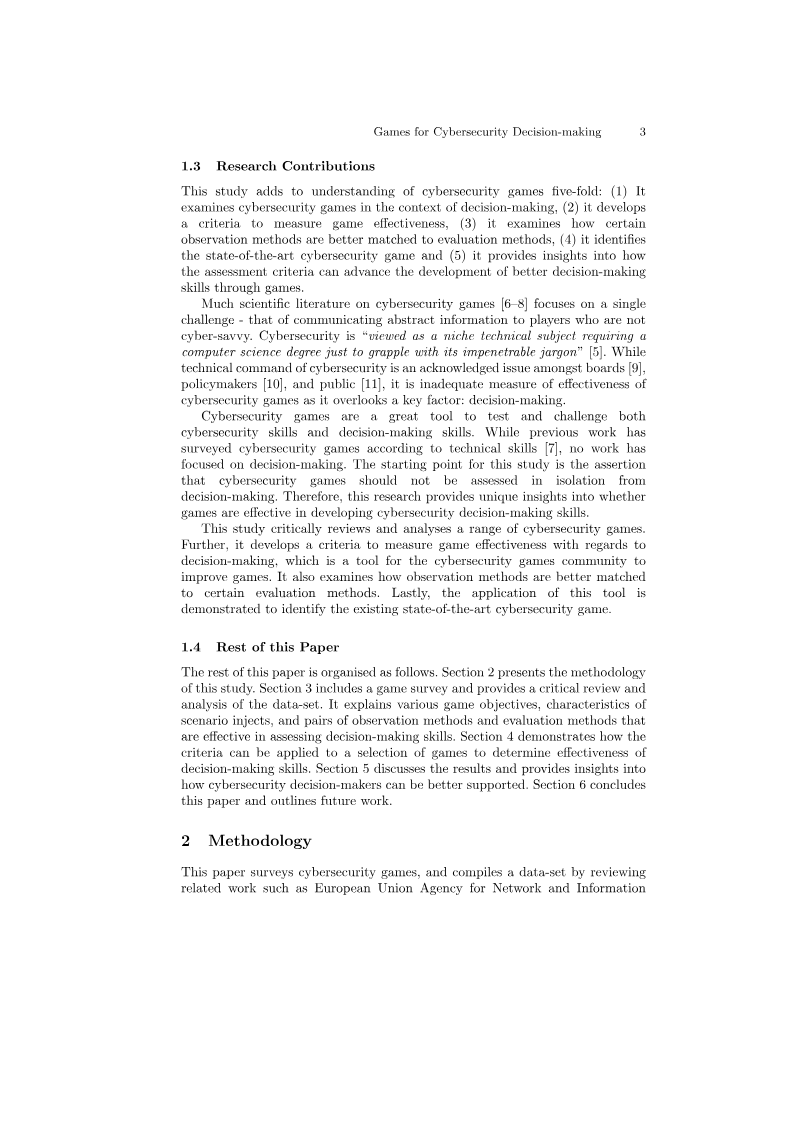
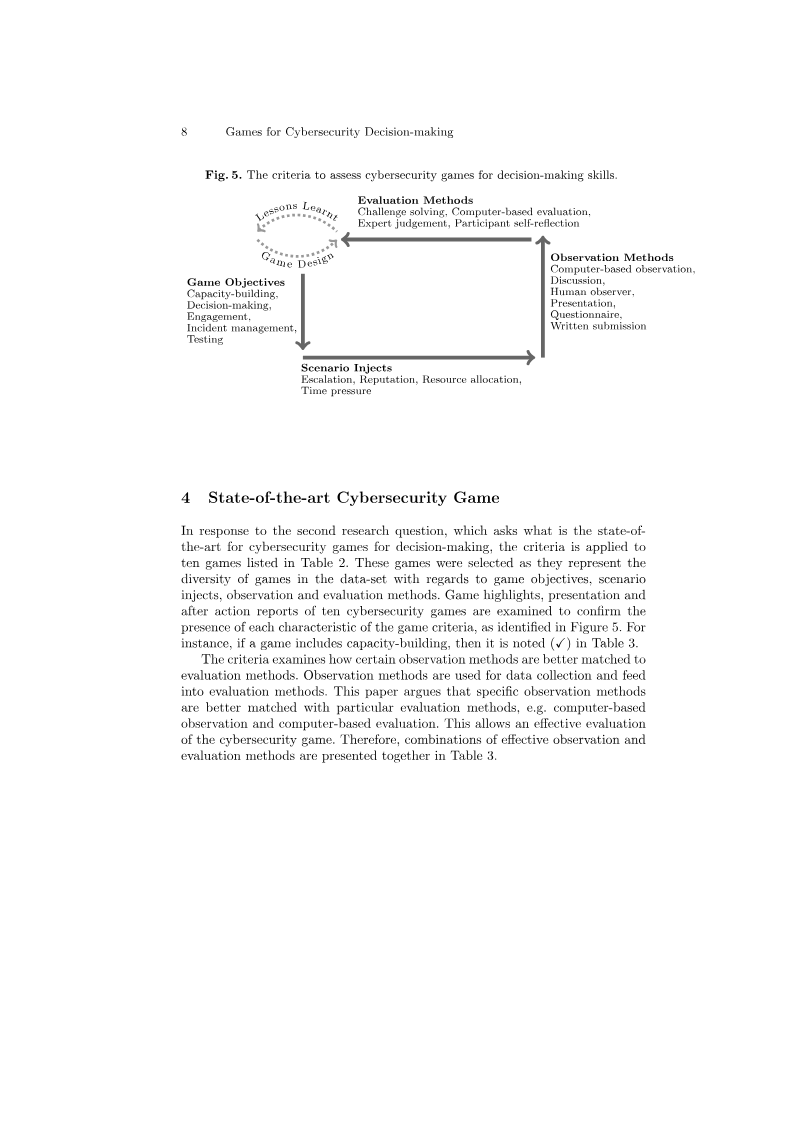
Springer · 2020
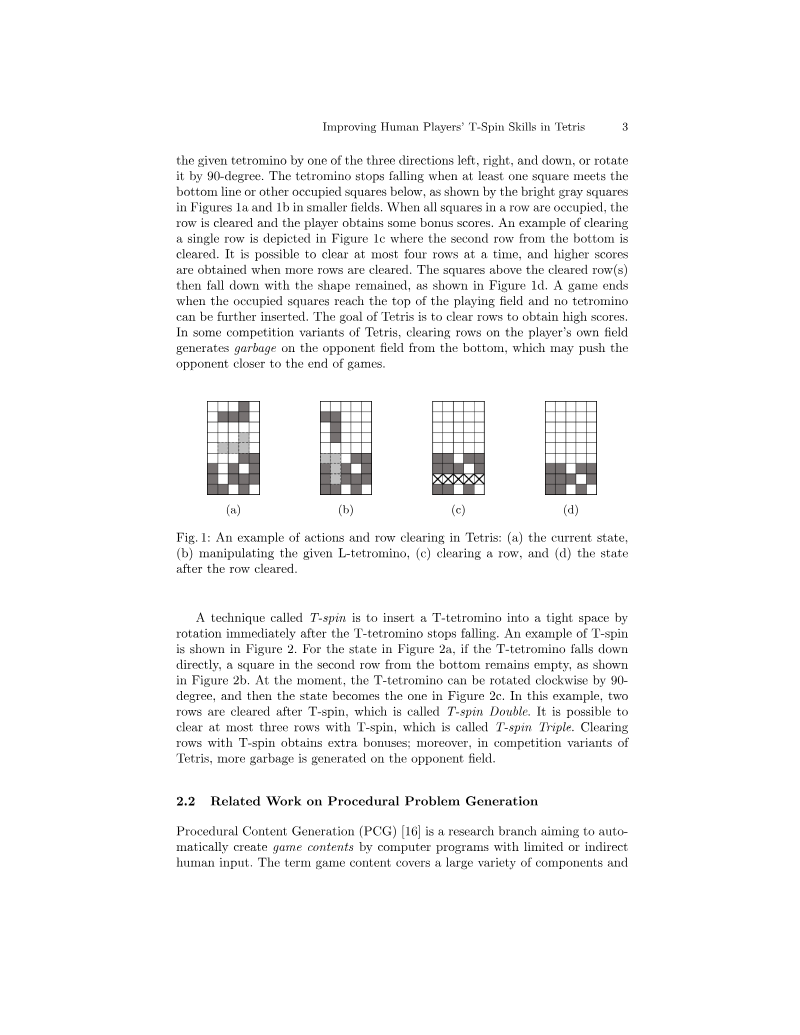
Springer · 2020
IFIP International Federation for Information Processing · 2019
Springer · 2018
IFIP International Federation for Information Processing · 2017
Springer · 2017
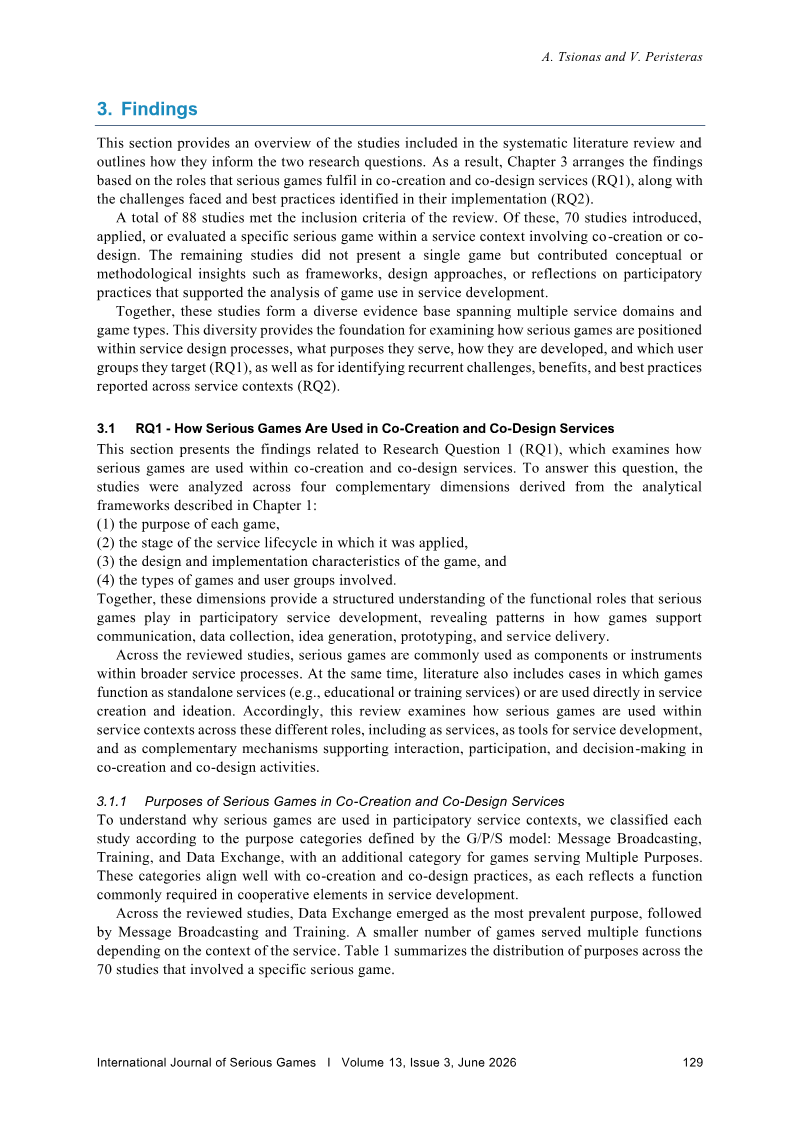
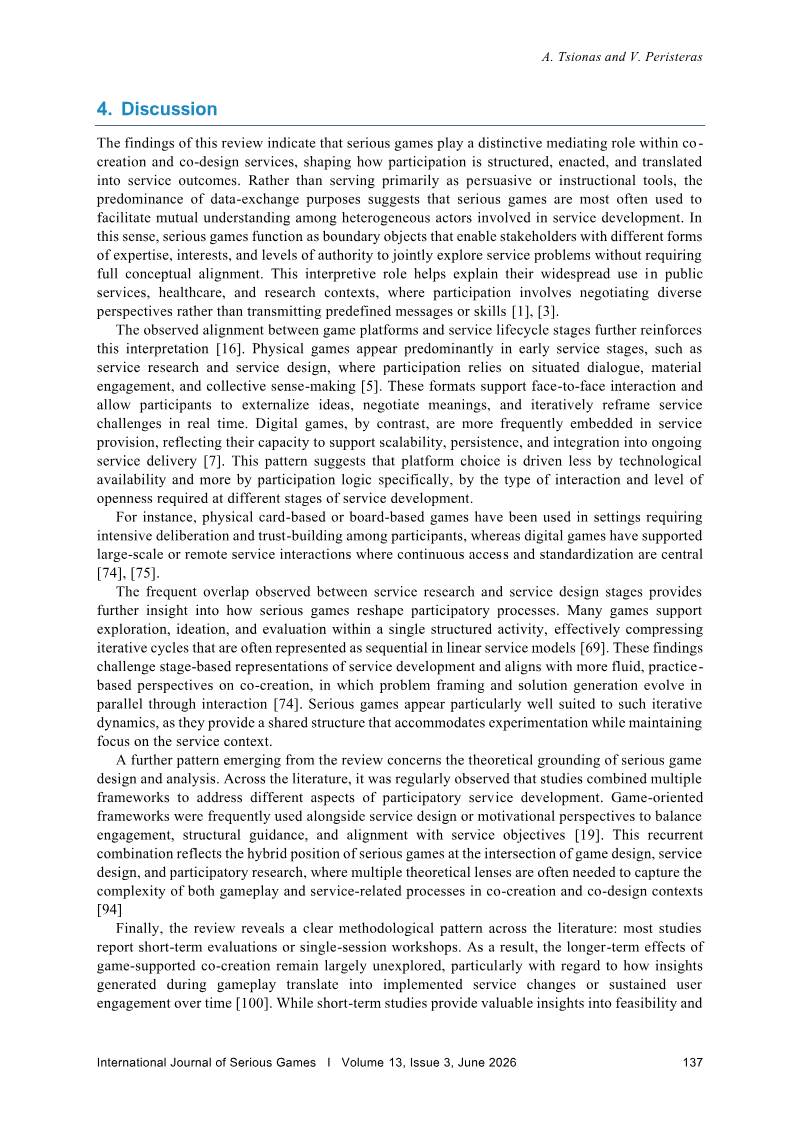
International Journal of Serious Games · 2026