1 free read left. Create a free account for unlimited reading + AI research.
Create free accountWhitepaper Springer
1 free read left. Create a free account for unlimited reading + AI research.
Create free accountWhitepaperSpringer
Distilling the key insights…
Cybersecurity training increasingly relies on simulation-based learning to bridge the gap between technical proficiency and high-level strategic judgment. By evaluating 46 distinct games through a standardized qualitative framework, it is evident that the most effective training tools prioritize complex decision-making over purely technical execution. The Cyber 9/12 Strategy Challenge currently represents the industry benchmark, as it successfully integrates multifaceted scenario injects that force participants to navigate the nuanced pressures of incident response and strategic crisis management.
The assessment framework developed for this analysis categorizes games based on their core objectives, the nature of their scenario injects, and the rigor of their observation methods. While simulation exercises are proven to be highly effective pedagogical tools, current industry offerings often lack the necessary diversity in scenario design to fully stress-test participant critical thinking. Future development efforts must focus on incorporating more dynamic and unpredictable injects to better prepare professionals for the complexities of real-world cybersecurity environments.
This analysis encompasses a broad scope of international cyber exercises, including major initiatives such as Cyber Storm and GridEx, to provide a comprehensive view of the current landscape. By synthesizing academic research, technical reports, and industry-standard simulation documentation, the findings establish a clear path for evolving cybersecurity training. Moving forward, the industry must shift toward evidence-based design principles that emphasize the development of cognitive resilience and strategic foresight, ensuring that personnel are equipped to handle the evolving threats inherent in modern digital infrastructure.

Springer · 2026

Springer · 2025

Springer · 2024


Springer Science and Business Media LLC · 2024

Springer · 2023


European Conference on Games Based Learning (ECGBL) · 2022
Springer · 2021

Springer · 2020
Springer · 2018
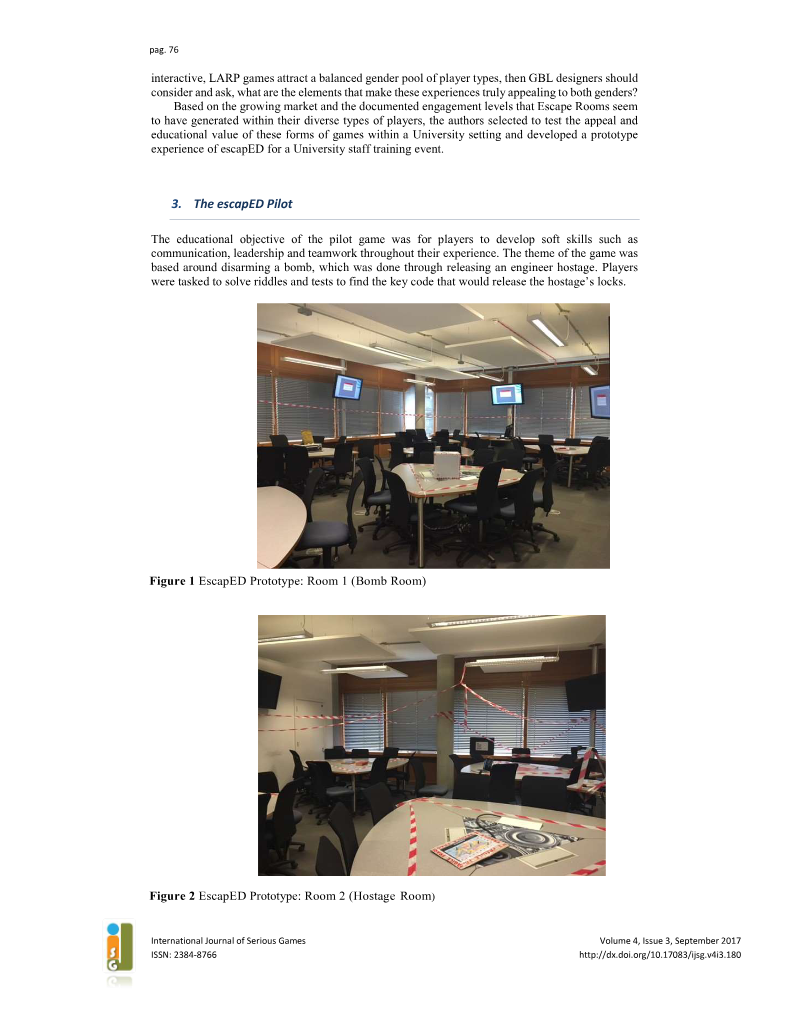
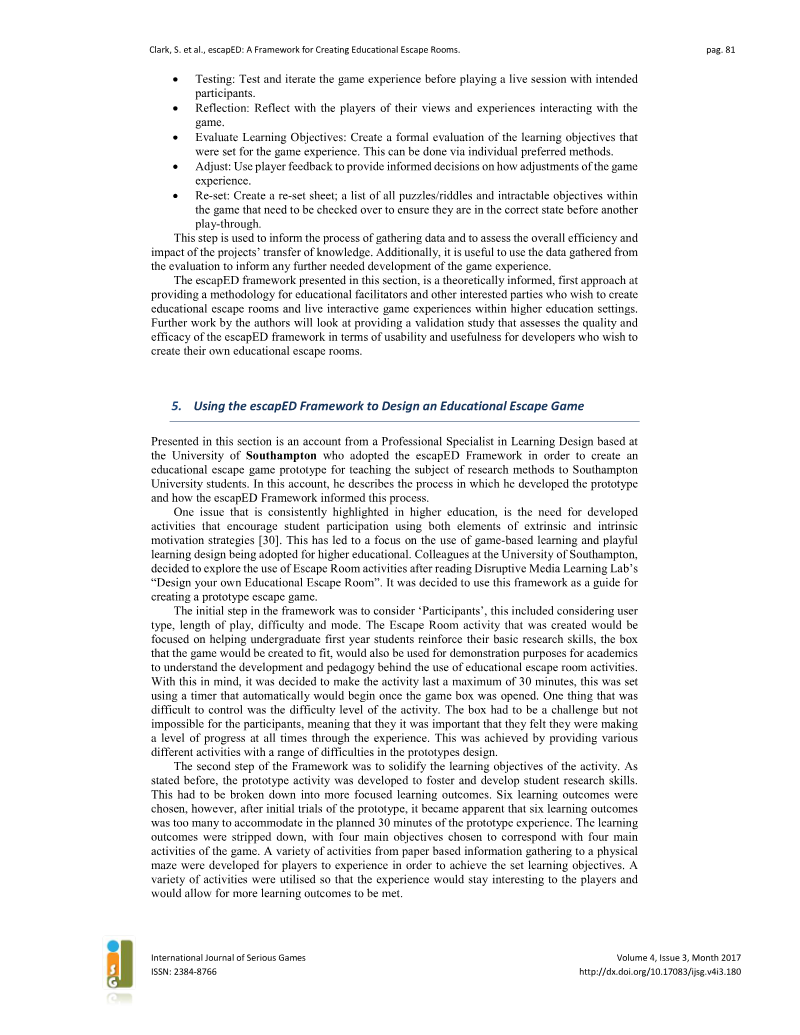

International Journal of Serious Games · 2017
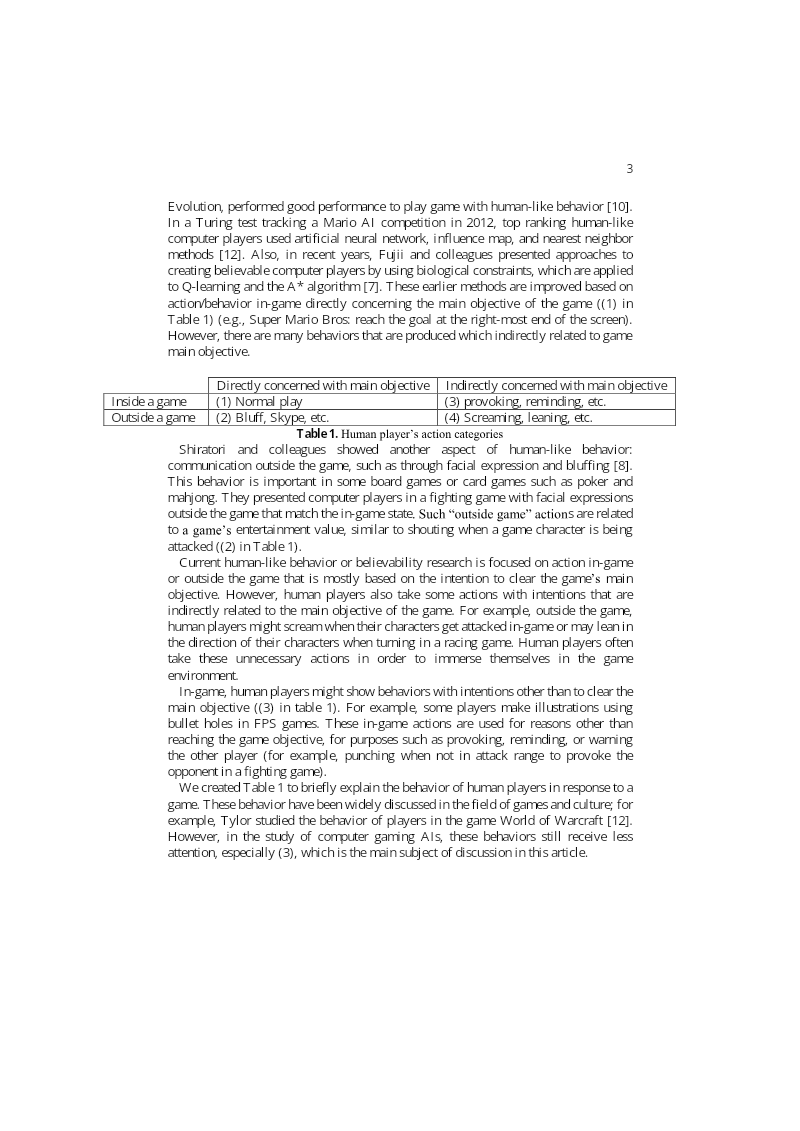

IFIP International Federation for Information Processing · 2017

Springer · 2017
International Journal of Serious Games · 2026