1 free read left. Create a free account for unlimited reading + AI research.
Create free accountWhitepaper Springer
1 free read left. Create a free account for unlimited reading + AI research.
Create free accountWhitepaperSpringer
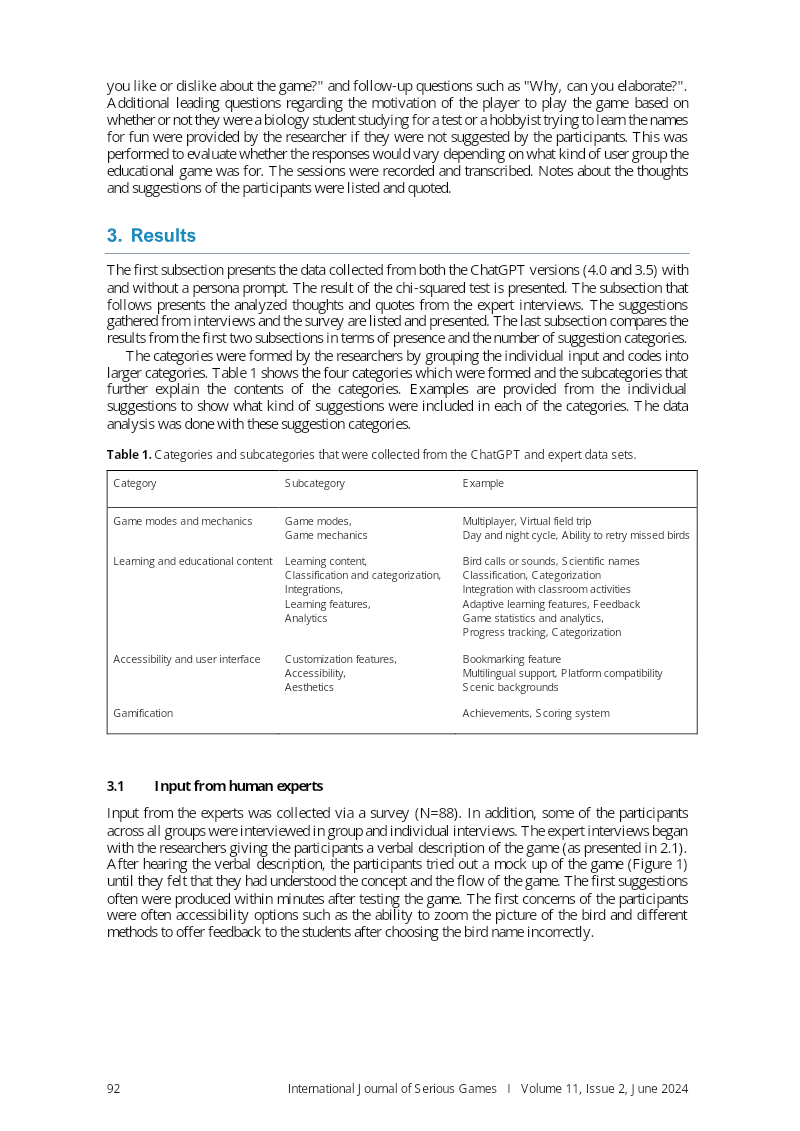
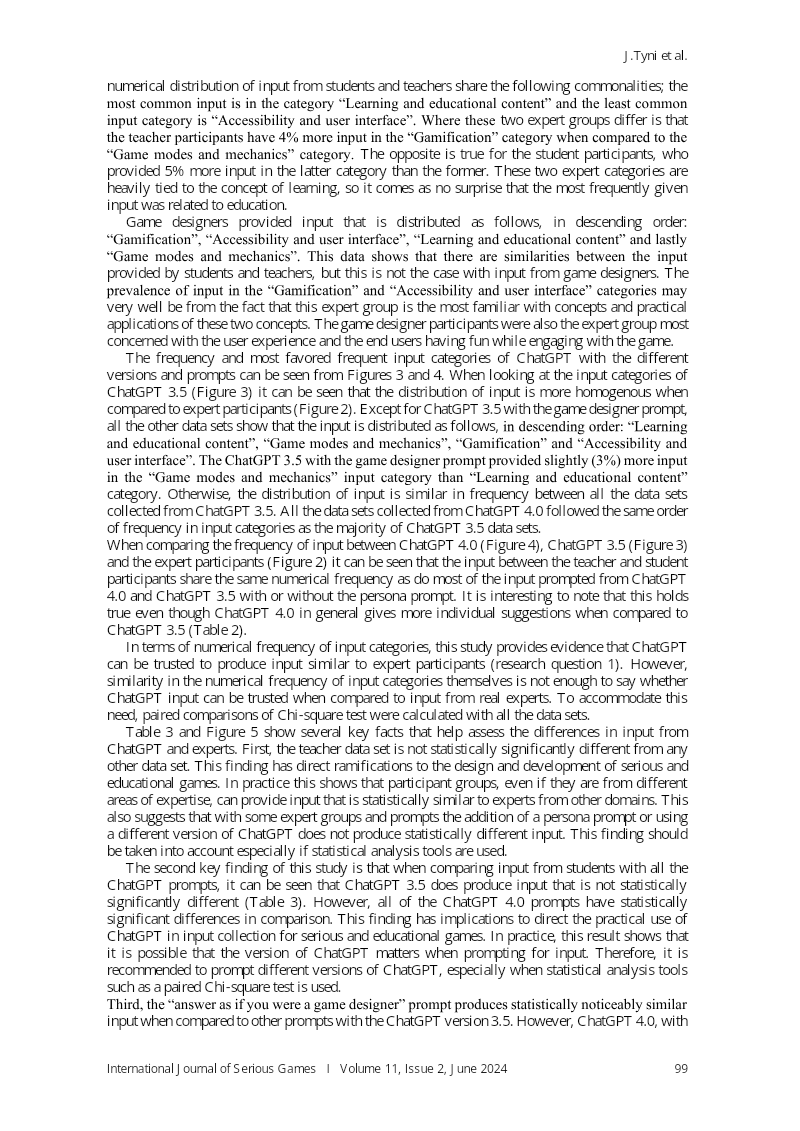
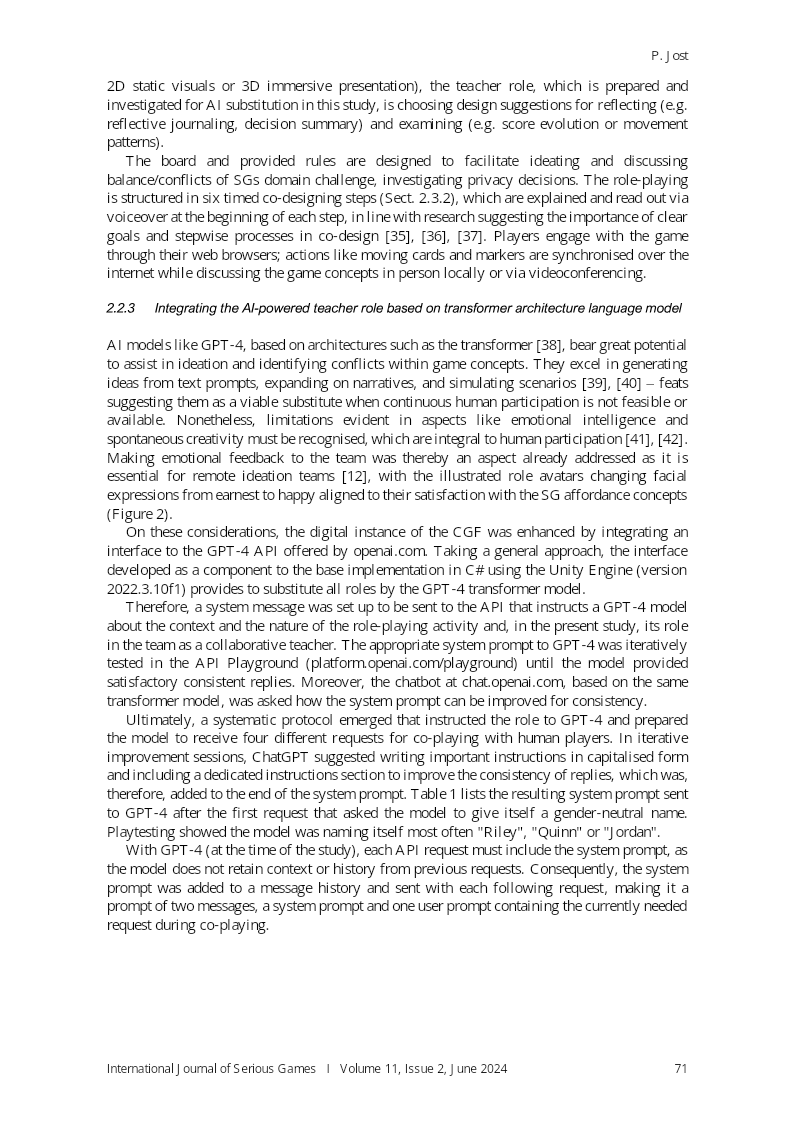
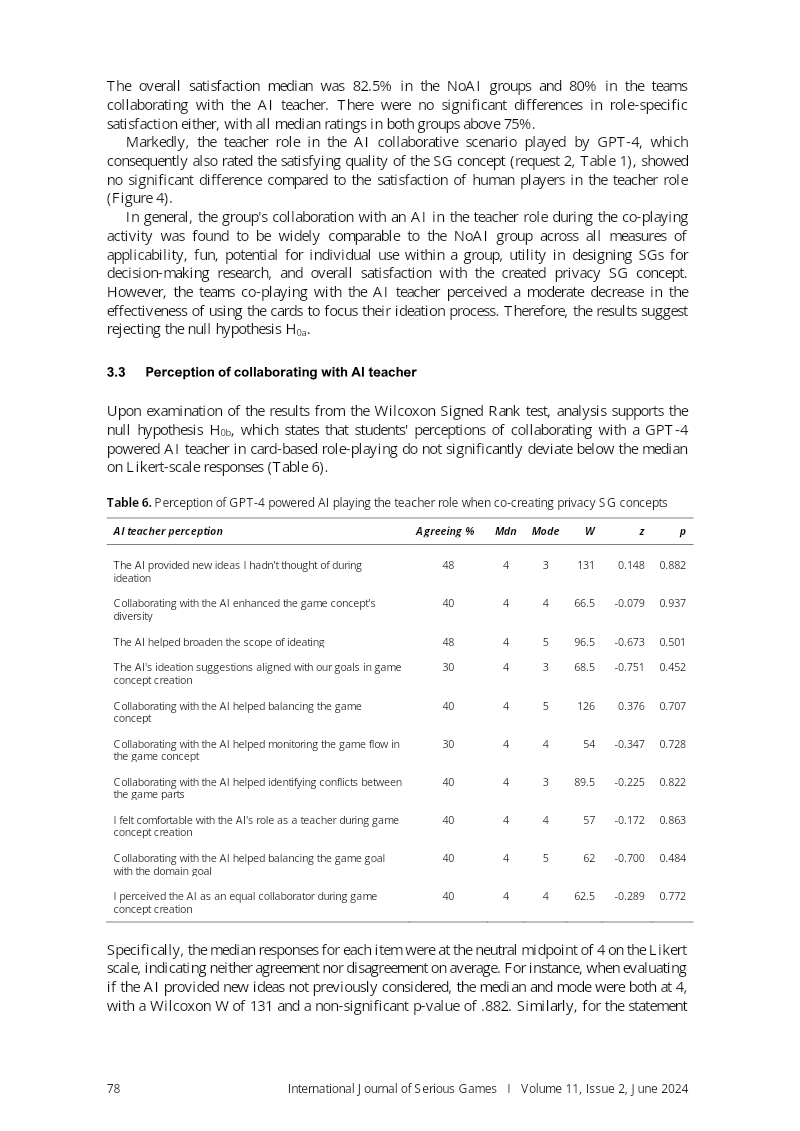
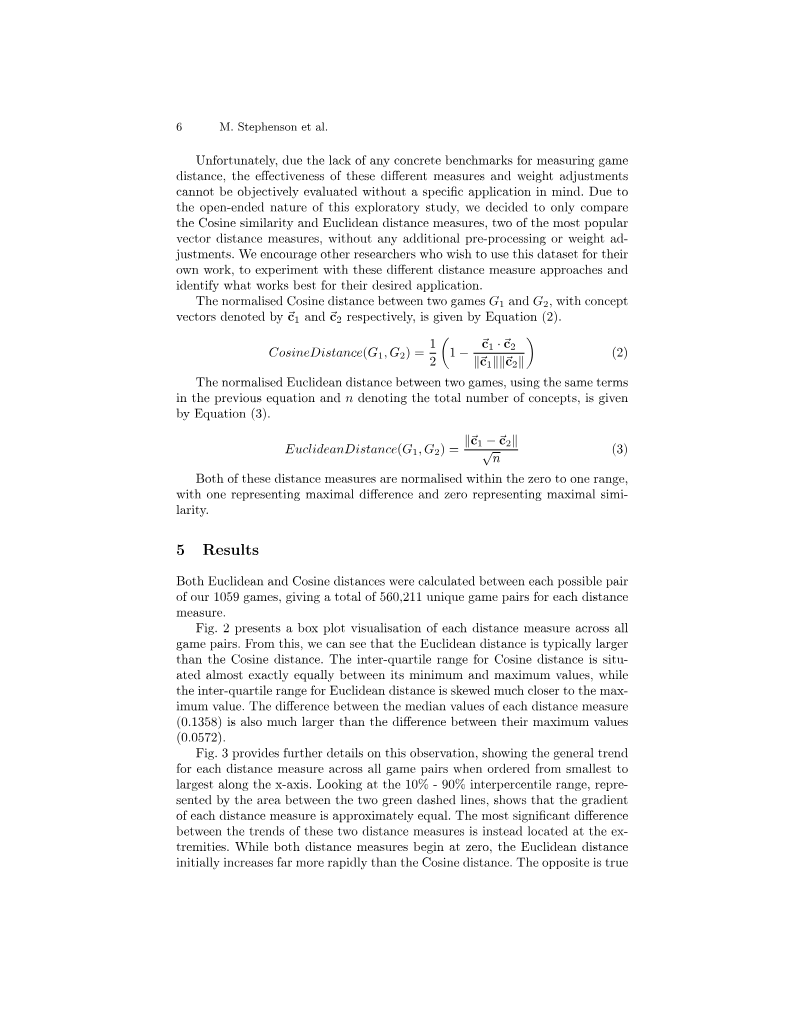
The integration of traditional board games into clinical diagnostics offers a promising, non-intrusive method for monitoring cognitive health in aging populations. By utilizing computer vision to digitize physical gameplay, researchers can bypass the technological barriers often associated with digital interfaces, allowing elderly users to engage with familiar, low-stress environments. This approach facilitates the continuous, automated observation of strategic decision-making and behavioral patterns, providing a scalable alternative to conventional, laboratory-based cognitive assessments.
Technical validation confirms that computer vision systems can reliably track physical Ludo games with high precision, maintaining consistent state detection even under fluctuating lighting conditions. The primary metric identified for evaluating cognitive function is rule conformity, which serves as a quantifiable indicator of executive performance during gameplay. By mapping physical moves to digital data in real-time, the system effectively bridges the gap between analog social interaction and objective clinical data collection.
This research, which draws upon foundational developments in pattern recognition and augmented reality, establishes a robust framework for future clinical applications. While initial testing involved a cohort of young, healthy participants to verify system accuracy, the methodology is specifically designed for deployment in geriatric care settings. By leveraging the inherent structure of board games, this technology provides a viable pathway for longitudinal cognitive monitoring, potentially enabling earlier detection of cognitive decline through naturalistic, unobtrusive observation.

Springer · 2026

Springer · 2025

Springer · 2024


Springer Science and Business Media LLC · 2024
Springer · 2023
Springer · 2021

Springer · 2020

Springer · 2020

IFIP International Federation for Information Processing · 2017

Springer · 2017
Springer · 2015

Springer · 2015
Serious Games Society · 2026