1 free read left. Create a free account for unlimited reading + AI research.
Create free accountArticle Game Studio Unlocked
1 free read left. Create a free account for unlimited reading + AI research.
Create free accountArticleGame Studio Unlocked
Accepting capital is a strategic decision that dictates a studio’s creative autonomy, operational structure, and ultimate trajectory. Founders must understand the obligations, return expectations, and risks of each funding source.
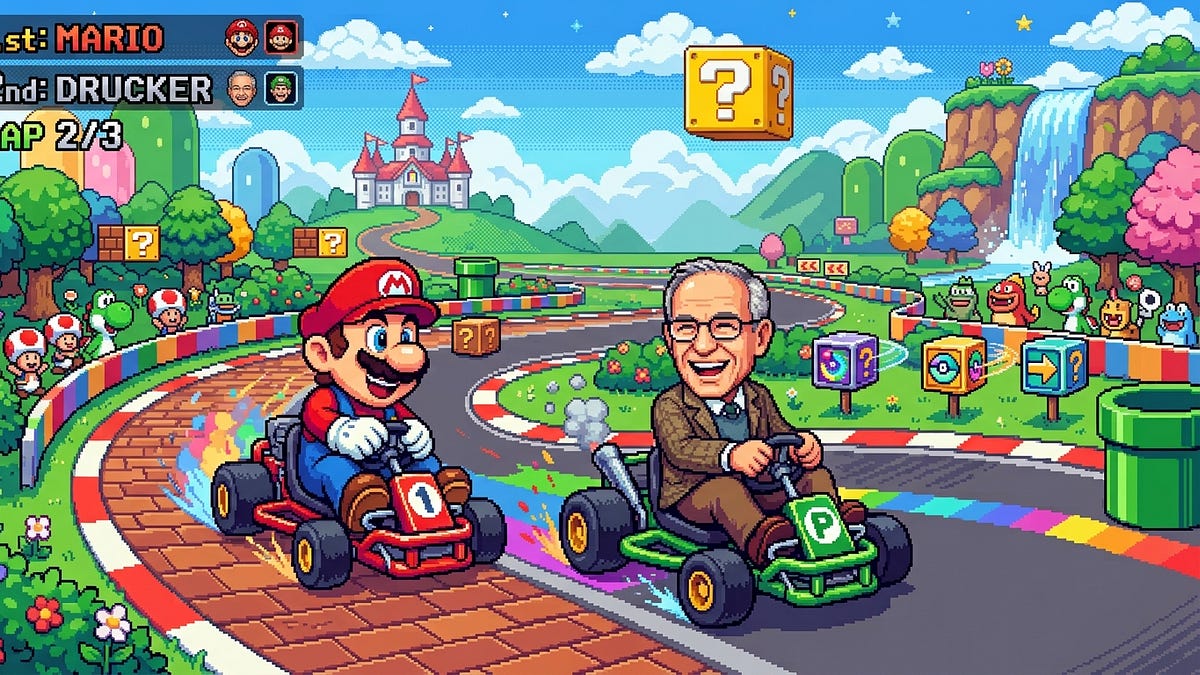
Choosing funding is like picking a co-pilot; their goals must align with yours, or the journey will be difficult.
Key Insight. Every funding source imposes specific obligations, return expectations, and risks that must align with the studio’s long-term business goals.
The primary purpose of this guide is to educate indie game studio founders on the long-term implications of various funding models. It argues that accepting capital is not merely a financial transaction but a strategic decision that dictates a studio’s creative autonomy, operational structure, and ultimate trajectory. Founders are cautioned against viewing capital as neutral, emphasizing that every funding source—from bootstrapping to venture capital—imposes specific obligations, return expectations, and risks that must align with the studio’s long-term business goals.
The analysis categorizes funding into several distinct paths, each with inherent trade-offs. Bootstrapping preserves full control but limits scale and increases personal financial risk. Crowdfunding serves as a marketing-heavy bridge that requires an existing audience to be effective. Grants offer non-dilutive capital but are often bureaucratic and unreliable as a primary funding source. Publishing deals provide essential resources like marketing and QA but frequently involve complex recoupment structures and potential loss of intellectual property rights. Angel investment and venture capital provide significant growth potential but require equity dilution and, in the case of venture capital, demand high-growth, exit-oriented business models that may conflict with the goals of smaller, boutique studios.
The analysis concludes that successful studios are those that accurately assess their current stage and ambition before seeking capital. Founders are urged to avoid "stage mismatch"—such as seeking venture capital for a project that lacks scalable economics—and to negotiate from a position of preparation rather than desperation. By modeling potential outcomes and understanding the specific return requirements of their partners, founders can ensure that their chosen funding path supports, rather than compromises, their creative vision.

Game Studio Unlocked · 2026
Game Studio Unlocked · 2026
Game Studio Unlocked · 2026

Game Studio Unlocked · 2026
Game Studio Unlocked · 2026
Game Studio Unlocked · 2026
Game Studio Unlocked · 2026
Game Studio Unlocked · 2026
Game Studio Unlocked · 2026
Game Studio Unlocked · 2026
Game Studio Unlocked · 2026
Game Studio Unlocked · 2026
The Game Business · 2025