1 free read left. Create a free account for unlimited reading + AI research.
Create free account
Navigating the funding jungle to finance your studio – Equity and project financing
Key insights
6 takeaways- 01Conduct a rigorous self-assessment of the studio’s business plan to ensure the chosen funding path does not compromise the core identity or creative direction of the company.
- 02Select a financing model—such as equity-based venture capital, project-specific funding, or publisher-led incubation—based on how it aligns with your studio’s long-term creative vision and need for operational independence.
- 03Prioritize funding partners who provide industry-specific expertise, mentorship, and professional networks rather than treating capital as a mere commodity.
- 04Use project-specific financing if the goal is to maintain the flexibility required for self-publishing, as opposed to equity partnerships which typically involve deeper strategic integration.
- 05Initiate relationships with potential investors well before capital is required to build trust and avoid the unfavorable terms often associated with reactive, urgent deal-making.
- 06Demonstrate a balance of creative innovation and business acumen to attract partners who offer value beyond simple liquidity.
Ask AI about this video
Transcript
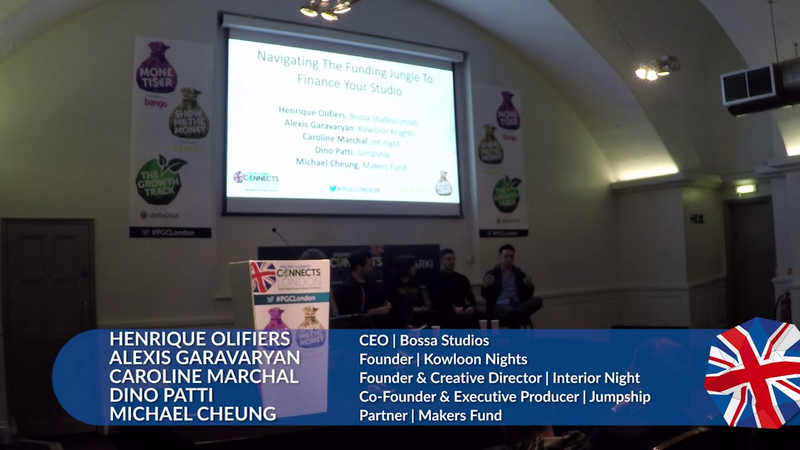
[Music] so we won't keep you long between now and your beer but before we start I wanted to measure what is the level of the audience so we can tune our answers to what you guys would like to take away so who here has raised money already who here is trying to raise money all right okay and who here are developers right majority developers split between people who have done it before and it's done for the first time helps right so we will start with a quick round of introductions acually fears I am the founder of bosses
Studios which is a PC games nearby and we made game such a surgeon simulator I am Brad which are very quirky and big MMORPGs like worlds adrift using technology such as improbable specialist in one but you have a wonderful panel here people who know much more than I do about raising money making games so let's go through them first Alexis hi so I run a phone called kowloon nights were doing project financing for developers we're currently working across 13 games all across the world in Japan in Europe in the US and yeah we started about a year and a half ago and we reviewed 560 games since we started which is a narrative game studio started over 15 months ago or something there's now 30 of us and we're doing our first game
with Sega in the past I was lead game designer at Quantic Dream's or worked on games like heavy rain and beyond two souls three times hey I'm Michaels I hope to run make his fund and so we're a gaming industry focused VC fund we invest globally and we invested in companies like playing games tinybuild Bossa studios amongst others yeah so my coach is also an investor in Boston if you were looking for investor that's a good one too right so the first
question I would ask the panel today is the people who here who have been successfully funded what are the things that they look at before taking that step what were the things that they were looking to get or the things that they were trying to avoid and how they went about achieving the goal of being successfully funded do you know you've done it three times is fair to assume that the first time wasn't play dead could you tell us a little bit of story there what was the things that you had in mind when you started the process and afterwards after you raised the second or third time how that was different um okay so the raise in play that was super classic we didn't know anything and we pitched to all the wrong and some of the right people we raised first from a small government Innovation Fund thingy where it was kind of I felt it was kind of easy to get the mic in raise for us from a more more traditional
venture funds but yeah I have to say both those races were really bad obviously we need the money and that's how I think most developers feel and we got those but it was like we had no idea of wow we knew we needed money but we didn't know anything about how to how to yeah what the exit game for us was that point and I feel that that was what hindered a lot of the good padding they could have been done at that point I could difficult more into details with that but the difference with the new one is like we were super super cautious about not so much who to to to to meet but what what type of end game we wanted with JumpShip so we were specifically looking for a certain type of investors obviously we talked with both publishers investors and we I think you have to do that to make just in finding out what
you want it's also important to talk with all of the options because when I race last time it was in 2009 and there's a lot have to happen and a lot of new funding schemes has has arrived since that time so essentially what you're saying is that the difference between the first time you did and the wiser version of yours when you raised you already had a game plan you knew from the start what you would do with the money and that enable you to choose the right investor rather than taking any investor all right there than I said it myself so yeah fair enough so Carolyn you didn't raise for your current company right you would strapped it and then you kept yourself independent by going a different route working with the publisher why did you make that decision so coming from always basically
consequence for Sony so for when you want to make a game you got your publisher so there was some some of that like I thought it was important to speak to people with good understanding of what development was so I spoke to a few investors and honestly didn't really click because they were looking for the business plan I was I just have a cool pitch actually and if it works well in warming money in and but there wasn't really a 10 X or business banding in really factored into the studio vision so it didn't really click with them whereas pitching to publishers well it's a matter of finding the right publisher for you and also someone that you can fit into their portfolio strategy but once you get that there's a good understanding of life is in so you make your ask for the game Brigit development and development budget and then that's it and they
didn't take any shares in the company so we're like 100% independent but because so the deal is good to say yeah what I would just want to add is that it's not completely traditional publishing deal in a sense that we're alike an incubation studio for them so they provide extra help or services like if you want finance and vice or legal advice or and you know they provide that more services than traditionally like they pay for software licenses when we need to so small I and they're interested in the long term relationship so they do sign this game but with the understanding of that they want us to see the studio grow and that hopefully will make another game together a couple of games more games together and maybe at some point we'll talk investment but at the moment it's like just 100% independent right my experience is different from Geno's and Coraline's in that I started with a game plan and work
it with the first investor who was a strategic investor it was called shine and they were a TV company they own IPs that you know of such as MasterChef and Merlyn and won right and the idea was that we'll make games on Facebook with IPS the problem is that halfway through Facebook is no became no longer a viable games platform and we had so when we pulled out of Facebook and ran into PC we bought back and we became independent and then we managed to raise two more times we raised a seed round with a lot of venture partners which is specializes in games it is good because they understand the business better than most and working with a lot of synergies with us and then we did around a with London Venture Partners make your studio sorry make it fun and making sweet with my friend Bernice make it fun and atomic Oh which is one of the biggest funds in in Europe right and at this time around we also had a game plan but as every player
who goes into the heat of battle proves itself it doesn't last very long but at least by having the game plan you know exactly how to filter the investors that you will like to bring to the table and why what are the synergies did they bring what are the strains that they bring the connections to the industry they bring and the portfolio they already have that might help you out to achieve what you want but we have here very two different representatives of the ecosystem of investors we have makers fund represented by Michael which is a brand new type of fund that only invest in games and we have Colo Knights represented by Alexis who is not really a traditional VC and is not really a publisher but they fund games so I will leave Michael to start and explain how : I'd sorry and then we tail with Alexis yeah so the genesis of makers fund is that you know after so many years of looking at the industry and seeing some
of the struggles and the kind of the lack of dedicated funding in in a lot of studios but also companies who are working you know if there's platforms or technologies or you know as really supporting roles middleware for example throughout the industry you know dedicated funding was difficult and I think it came from really a either a lack of understanding or people who were not very kind of strategic in nature so in 2017 myself and Jason Qi who I've known it for about 10 years now we kind of decided you know what let's put together a fund and that's dedicated purely towards the gaming industry and this kind of very quickly came into fruition and we were very fortunate to be able to raise this large fund and we said look I mean there's two big things that need to be solved one is the the funding in the general sort of interactive entertainment industry and to also recognition of the fact that it's becoming more more global in nature right so I think you need to be able to
be thinking about North America Europe Asia we put together this this you know kind of traditional venture capital vehicle but with the one kind of shift of being able to write much larger checks of couple moving million dollars supporting studios and companies through multiple rounds of funding but with the kind of all the people in the industry having having come from gaming and basically spending all our time in industry and thinking really long term about it and so as we've kind of put this together we we've kind of realized that actually there isn't enough people funding in the industry who focus all their time thinking about the long term trends right and and a good example of this is last year who would have predicted you know what's happening now between epic and unity and discord learn own the people that you know the companies that people aren't even talking about they're also trying to make their own individual plays in distribution and we haven't even talked
about you know game streaming yet or subscription methods and I think you know as we work together with not just Enrique but also you know other familes in the industry we see more and more I guess I guess benefits of having this kind of longer-term view in the industry so the the funding vehicle itself is quite traditional where you know we're equity investors and we you know we look to invest a couple of million dollars each time but I think we look to really differentiate by our experience or knowledge and and really our outlook on the industry itself Michael is not making a good representation of how much knowledge that Michael and J have together I know these guys for a long time and I know a lot of people in the industry they are regarded some of the most wise and the most creative people in the games industry in general and this is something that you should always consider when raising funds if this energy and what comes along with the package is not just
the money but will they be there with you when things get tough would they be there with you when the things get good and open doors that you didn't see were available and that leads me to Alexis who : ATS is completely different because we have seen a few doors there that no no one else have seen so far a very different I think the genesis for Carolyn started quite a few years ago I was one of the cofounders of idea Xbox and you know we had open up the platform for independent devs and created a fund that was supporting development one thing was apparent to us that developers always needed funding and sometimes it materials through a publishing deal but there wasn't any vehicle to go and say I want to self publish or I don't really know what's my route to market but I need money and so we kept thinking that there was we need to create an entity that was able to provide capital to fund project specifically and let developers decide have a flexibility to go with the publisher self publisher just decided
much later on what they wanted to do and so this took a little bit of time to figuring out what the exact model would be and in Kowloon was designed to be able to fund projects very big and very small to support developer give them the flexibility that they need to take their project as far as they want and either who want the market by themselves or engage with someone later on that could help to publish when I look ahead and Michael mentions of the changes happening in our industry subscription arriving and new platforms opening up and you companies entering there's an increased amount of capital coming in available to developers which means that you don't necessary want to make a choice early on you want to give yourself time and I think that the the function of a publisher is going to change if you look back you know 15 20 years the publishing contracts and publishing deals that are being offered are quite similar to what is being offered today because you need
a publisher to get access to a deficit to an engine and to simply have the ability to build your game that has changed quite a bit because now you can release the game yourself you have access to engines by yourself we can give deaf kids by yourself and so we felt coupling the publishing function and the financing function made a lot of sense and then we wanted to look ahead and say well if five or ten years from now a significant amount of their premium games are going through a subscription model well what is the function of a publisher right and so we want to give developers the ability and flexibility to have the project funded to get as far as they want up to release and then decide which route they want to take so here we have a mix of people who have raised before and people who are looking to raise for the first time but they all share the same challenge which is what are the things that I have to look forward when thinking about who is the person are going to choose to work with and it's like a marriage right if
you're doing it right you were thinking about an investor they're gonna be with you for five maybe longer so you need to understand what are the synergies that I'm looking for in an investor so do you know can you can you share the light on that well what are a very simple kind of tip that people can start with yeah I can also start by saying something a bit controversial you say synergy and that's actually as well it was a call it's it's almost like that every there's a partner for everyone but like there's really bad investors and good investors out there just like there's also bad projects and good projects we develop us have a good share of the plane yes yeah yeah nobody waits maybe more developers I don't know but and so finding good sylheti is like you have to look at yourself are you a world file project to invest in I own vegetable do you have value to have a team what we have before you can find synergy in an
investor so it's just like everything else in life like I seen it you have to look at yourself I forgot the question this is a tip for how to raise right is that there is a good tip there you're saying that you have to understand your what is the value in yourself for the investor yes a good tip for that is their line up a few investors that you're not necessarily interested win and try your pitch and try your ideas with them first rather than going for the guys that you actually want investment from right there's a lot of investors out there you can't afford to do that so find what people see and don't see on your proposal and that might be a good way for you to prepare for the next step right I mean our position is a little different because we evaluate projects and so we have less concerns around the founders but what we find is that the a lot of people that we that we meet our creatives they have an idea that again might be a concept prototype but they're not CEOs they've
not been trained or prepared to run company and it's a completely different job than creating games and so we're in a very fortunate position to pick projects or people that we believe in help them through that phase where they build their game but also take some time to help them learn about what it means to run a company what it means to raise funding what it means to bring an investor when you need to and so there are avenues today like makers were great for capital investment into your company but we try to spend a little bit of time also giving them how long learning what it means to run a business do raises etc there are there are studios the investors today who have even the infrastructure to coach and mentor the teams that they invest on right this is something that you should bear in mind Carol your experience with the publisher so far hasn't been positive are you happy with that and in any particular thing you have to do to break through to them I'm happy with the
relationship so far it's nice because we get the creative control they're trying to help us like look at the pitfalls in advance like help us with user Jessica president but that's classic stuff and I mean before we did sign the deal which they go like we had another permit and then he went on to how would you consider that same game with a different IP and this is where I realized like okay we're not we're not a good fit because they don't get what the game vision is like they try and retrofit it or like shoehorn it into another business model for them because they're interested in that cash machine here so we just I just said I'm just making sure that the people probably sure you pick which you you might not have ten publishers interested right but then the
publisher you pitch to you make sure that they understand what this is and they're not gonna be trying to like she I used a game into something that you don't like because then afterwards it's like too late to change that and you'll be you'll end up doing something you don't really believe in and Michael you have seen hundreds of pitches I imagine right from these beaches what was the element of the best beach you have seen that is worth people knowing I think that it's a couple of things right the the best teachers I've ever seen they've always had a very very kind of vision of where they want the studio or the company to go and you know I think this kind of goes to Dino's point on having an exit your long-term strategy because easy to focus on just you know your project that you're trying to do and it's a they're going to be the
best MMO ever you know and this is why all these other MMOs suck but also I think it's really important to think okay so once you've delivered once you've built that are you going to continue to build that are you just working on kind of this mystical game - or where do you see your studio or company in three to five to seven years and and there's no right or wrong answer there but it's it's very important to have that kind of long term vision right that's one really important thing and I think the other second really important thing is this is kind of a different answering not directly the question that you asked me but I think an important point for who you consider or what to look forward and think about who to work with and you know I think it's really really important to have try your best have a long-term relationship even at distance before you choose who to work with so just because you're choosing you need the money Mesa's not necessary today but you need to raise say 12 months from now I feel
like it's very important to start talking to the people that you think will matter 12 months or 18 months even 24 months down the line and that's because you know you also want to understand is this kind of this person that I'm choosing to work with are they the right person for me who can I talk to around their ecosystem that can tell me more about them but also it helps the the counterparty the investor also understand you more right and the longer you have that relationship the easier to create the trust and the user is to understand one another and the kind of Caroline's point is it you know do this does this person really understand my vision and when you've known someone you've major the once every three months for the last 12 18 months it's far easier to articulate that than to do it when you're rushing because you need to find your studio in two months or three months and it becomes a kind of a a desperation or you'll take any investor right it's very suboptimal and so I think the key message here with is plan really as far down the line as you
can right then they camp nothing that kind of counts for for not dissolve funding but also partnerships in general that's completely true that if you don't need help you don't need money it's always very powerful to say oh you know we're comfortable right now you know but we're happy to just keep this this kind of platonic relationship going on and you know that's that that's great right the pact you don't lose any of the kind of empowerment that you need to make that deal when you need to
specific question anyway so it's just we already have your an AR games video and we have an adventure which is very good I mean my I won't bring it to PC and Mobile non-new Yorkers they're looking for publishers for them how do you see such model differ so how do you see episodic adventure games general in mobile and PC and this is generally good idea Ian we get a lot of pictures of people one coming from the RDR things did not work out the way we were hoping so
that's very calm right now I think that's interesting there is a sort of benchmark with what we expect to be interesting there's the whole few years without going on that we now have we'd know what works and what doesn't so we see something different and so I think for us if I look at us as partners is this innovative is this different is this is creative and fortunately we do see a lot of things that are trying to do it on Africa's and that's something that we try to stay away from this
briefly is that it has been proven track record usually it easy to demean fire truck successful game in its own right is usually doesn't care doesn't carry a lot of weight anymore because the others have been burned what's the best way for reaching one of the biggest problems is to be listen I mean to be able to because again you can send the day but the day is dissipated and I think the investors to invest invest in India so
what's the best way for raising investors be the best best best possible way is through through someone that really has a relationship that with always the second thing that is you know the forum like kind of event I think I'm ranging and meeting either through the system is also very that people try frequently and I think you know University of everything one is out just emailing there are a lot of you
know just to share a bit of an insight from perspective right it's almost like a lot of people contacting you every day and so if there really is someone who is very distinctive very very strong it's almost like you're 100 isn't one of them is genuine oh the nine of them are people who are not even games videos but they're still in the same box so therefore just you know the emboss statistically looking through that it's just it's just mind-boggling so that's why I carried a personal discussion this you know in the industry and so anything about people obviously the teaching market in the old days I went between a coin and found out of an assistant you
know if you could read it quickly with a few words like through to the receiver to cumbersome value [Music] you
Summary
Securing sustainable financing for game studios requires a strategic approach that prioritizes long-term alignment between creative vision and business objectives. Rather than viewing capital as a simple commodity, successful developers treat funding as a partnership, seeking investors who offer industry-specific expertise, mentorship, and professional networks. This collaborative model ensures that studios remain resilient against market volatility while maintaining the operational independence necessary to execute their long-term goals.
The current landscape offers a diverse array of financial instruments, ranging from traditional equity-based venture capital to project-specific financing and publisher-led incubation. Each model carries distinct implications for studio autonomy and growth trajectory. Project-specific funding, for instance, provides developers with the flexibility to pursue self-publishing, whereas equity partnerships often involve deeper strategic integration. Founders must conduct rigorous self-assessments to determine which model best supports their specific business plan, ensuring that the chosen path does not compromise the studio’s core identity or creative direction.
Effective engagement with the investment community relies on proactive relationship building and clear, concise communication. Developers are encouraged to initiate these connections well before capital becomes an immediate necessity, fostering trust and avoiding the pitfalls of reactive, unfavorable deal-making. By demonstrating both creative innovation and robust business acumen, studio leaders can better position themselves to attract partners who provide value beyond mere liquidity. Ultimately, the ability to articulate a clear, professional financial proposal is essential for navigating the complexities of the modern gaming industry and securing the resources required for sustained growth.















Comments