1 free read left. Create a free account for unlimited reading + AI research.
Create free accountReport New Zealand Game Developers Association
1 free read left. Create a free account for unlimited reading + AI research.
Create free accountReportNew Zealand Game Developers Association
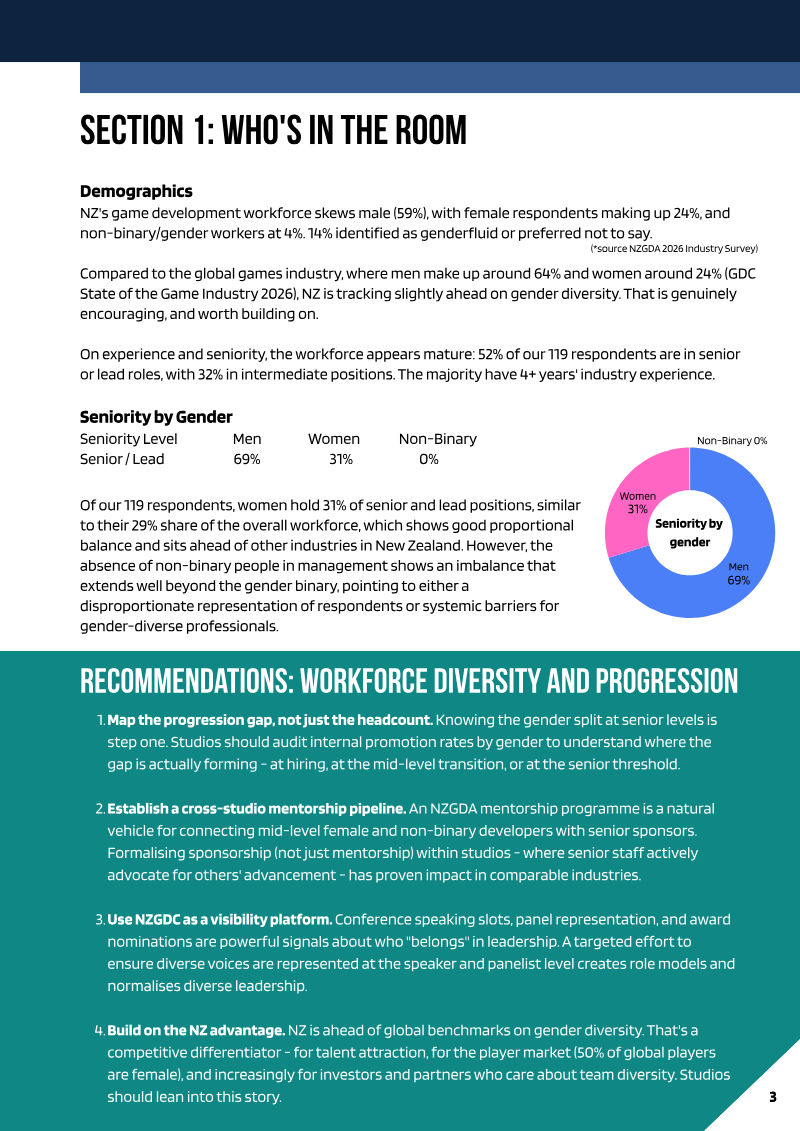
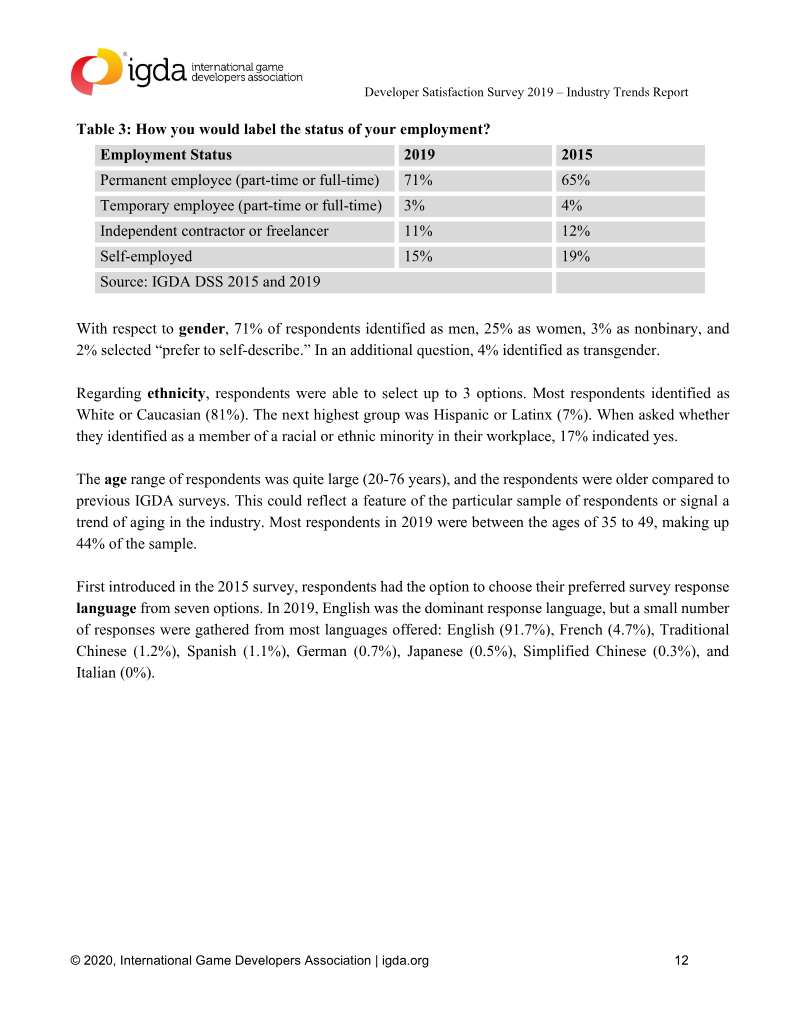
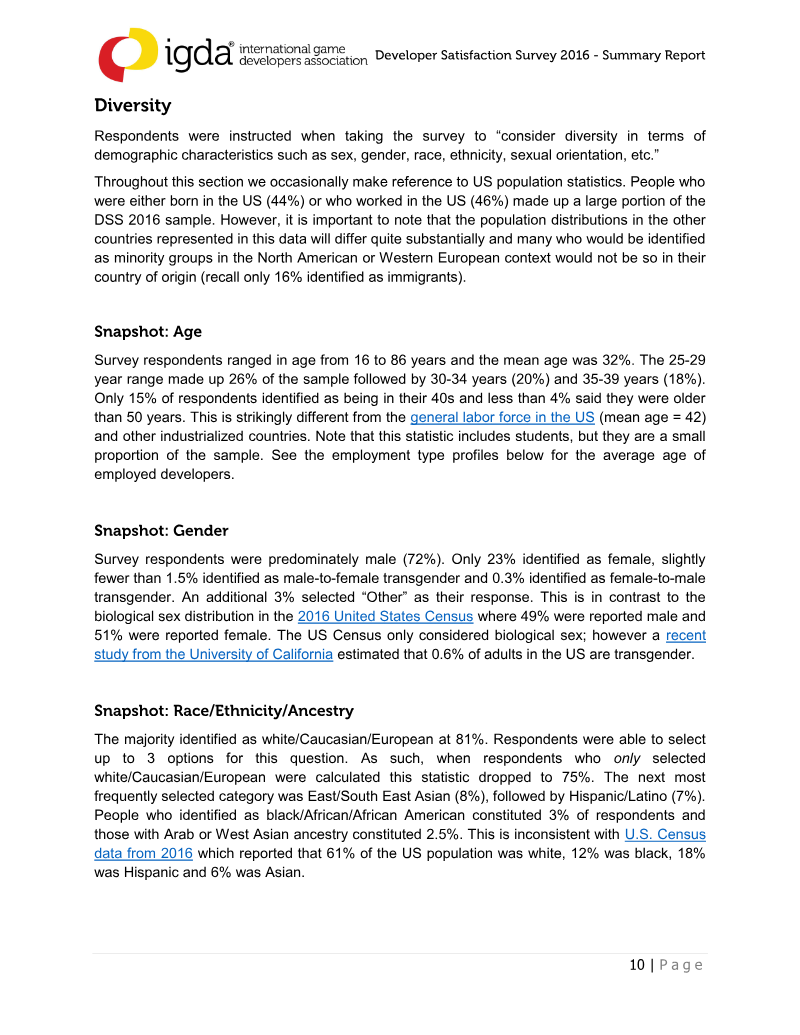
The workforce is composed of 59% male, 24% female, and 4% non-binary employees. There is a high concentration of senior and lead-level roles within the industry.
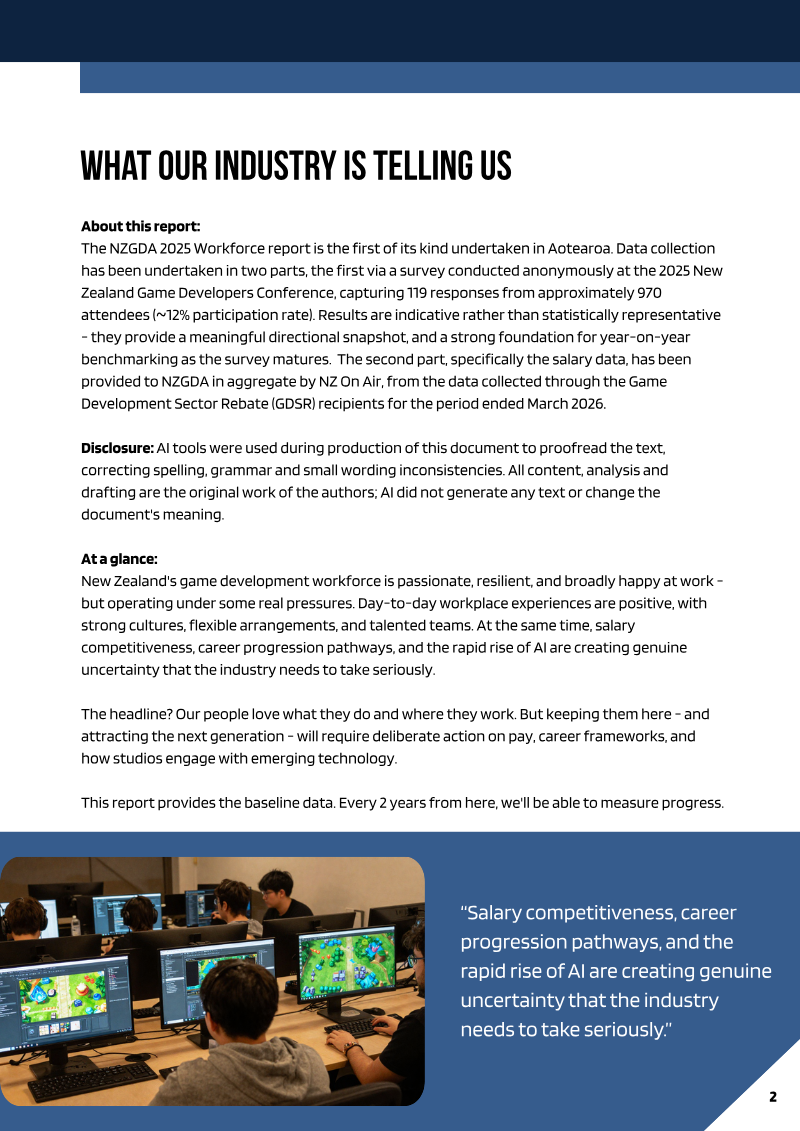
The 2026 New Zealand Game Development Workforce Report provides a comprehensive baseline analysis of the nation’s gaming sector, focusing on workforce demographics, compensation, workplace culture, and the impact of artificial intelligence. The report serves as a strategic roadmap for the industry, highlighting that while the sector is resilient and culturally strong, it faces critical challenges regarding salary competitiveness, career progression, and technological adaptation.
The findings are derived from two primary sources: an anonymous survey of 119 attendees at the 2025 New Zealand Game Developers Conference and aggregated salary data from the 2026 Game Development Sector Rebate (GDSR) recipients. While the survey data is indicative rather than statistically representative, it offers a directional snapshot of a workforce that is 59% male, 24% female, and 4% non-binary, with a high concentration of senior and lead roles.
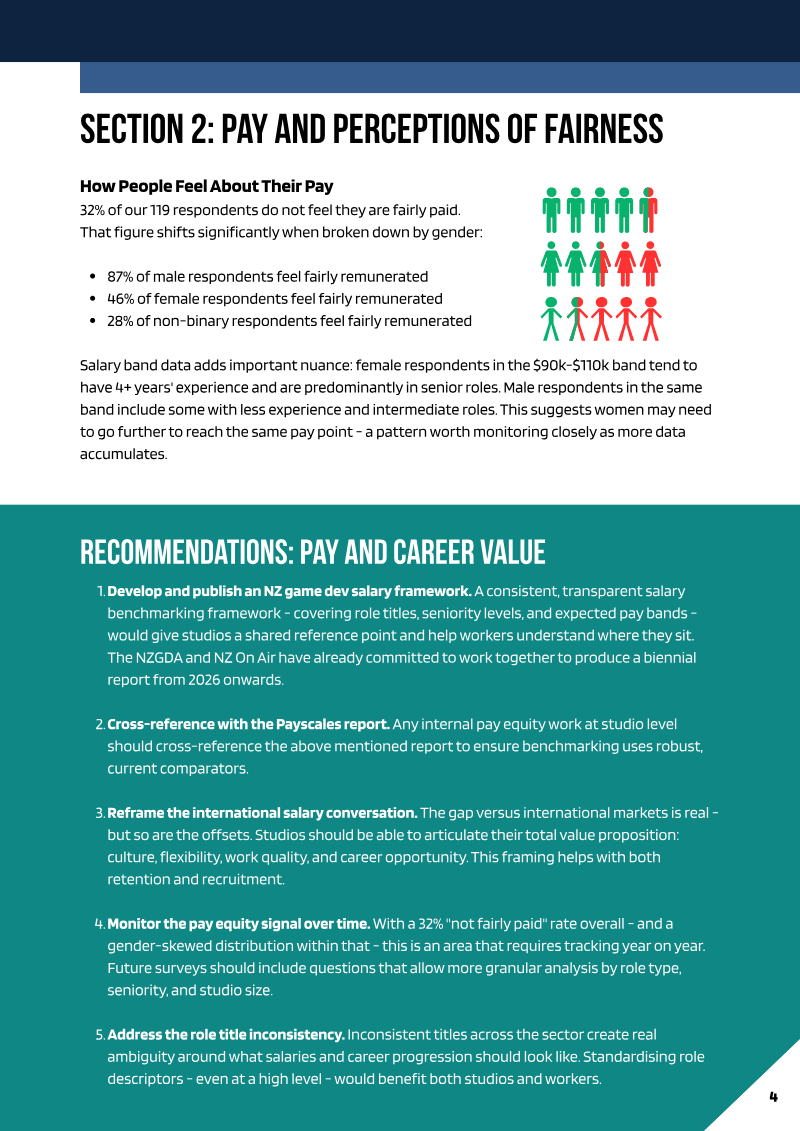
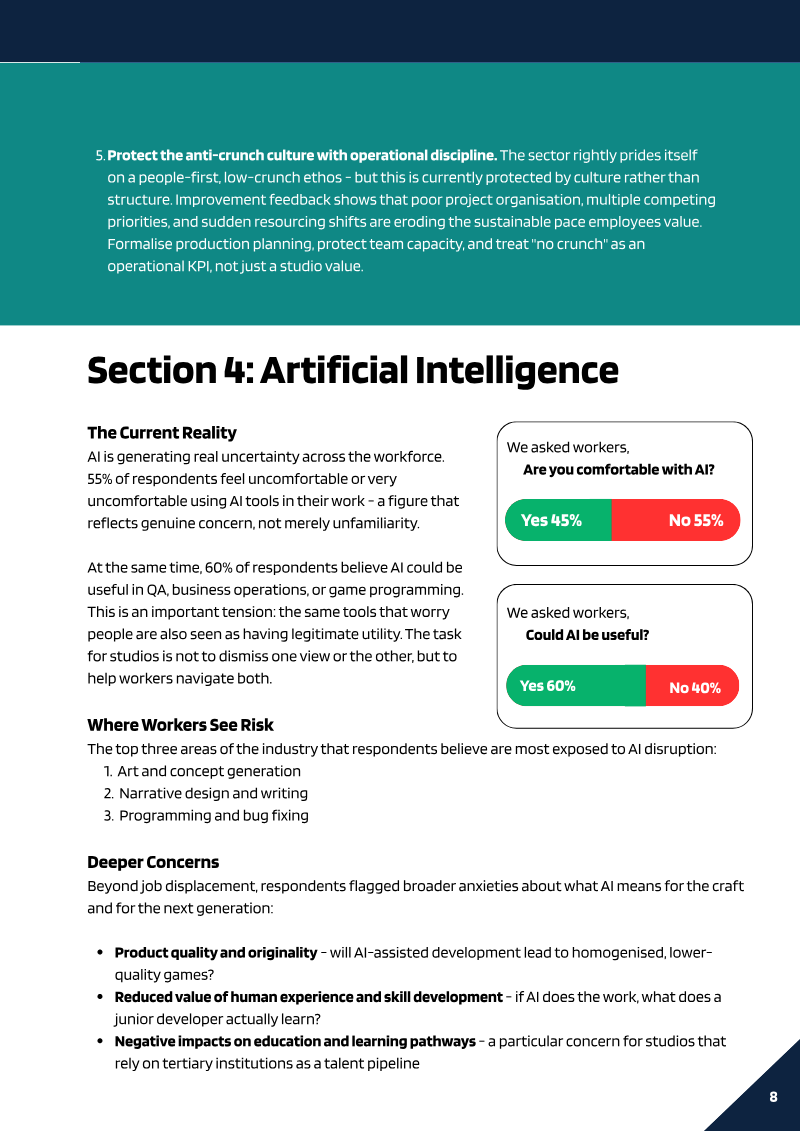
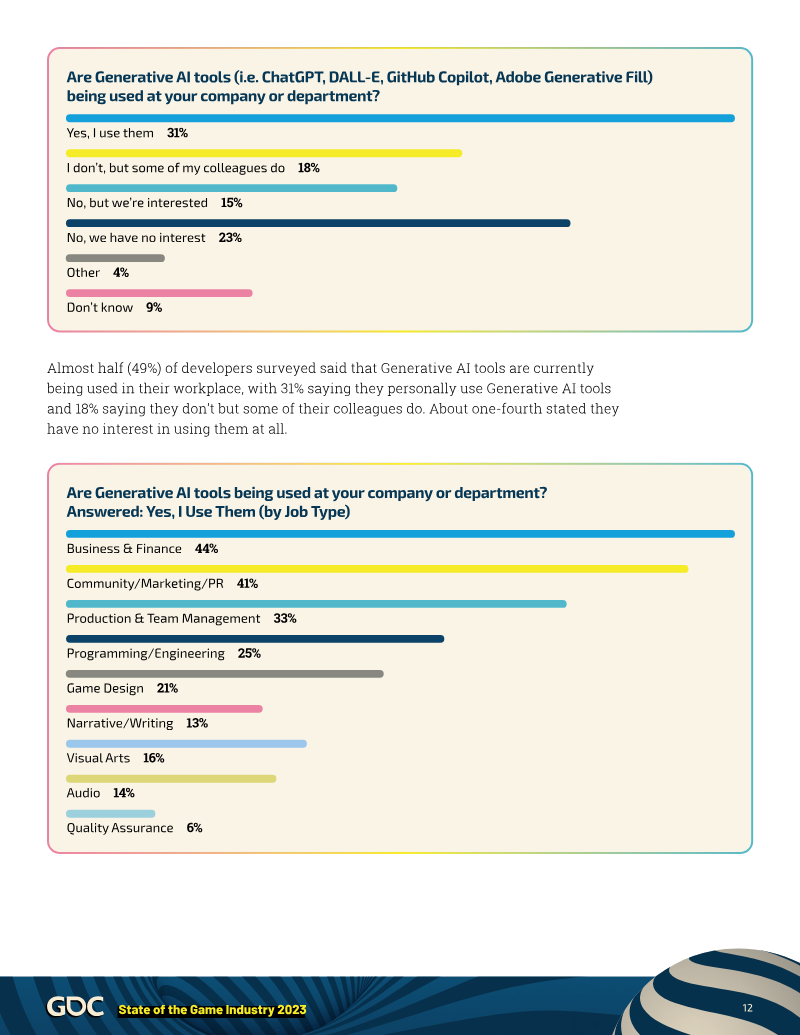
Key findings reveal a significant pay equity concern, with 32% of respondents reporting dissatisfaction with their remuneration, a sentiment that varies sharply by gender. Although New Zealand studios are praised for their "people-first" culture, flexibility, and rejection of crunch, employees expressed frustration over stagnant wages and inconsistent role titles. Furthermore, the rise of artificial intelligence has created widespread uncertainty; while 60% of workers acknowledge the utility of AI in technical tasks, 55% remain uncomfortable with its integration, fearing potential impacts on job security, creative quality, and junior-level skill development.
To address these issues, the industry is urged to standardize salary frameworks, formalize career progression pathways, and establish ethical guidelines for AI adoption. The report concludes that the sector’s future success depends on transitioning from a culture-reliant model to one supported by robust operational structures and transparent, industry-wide benchmarks.
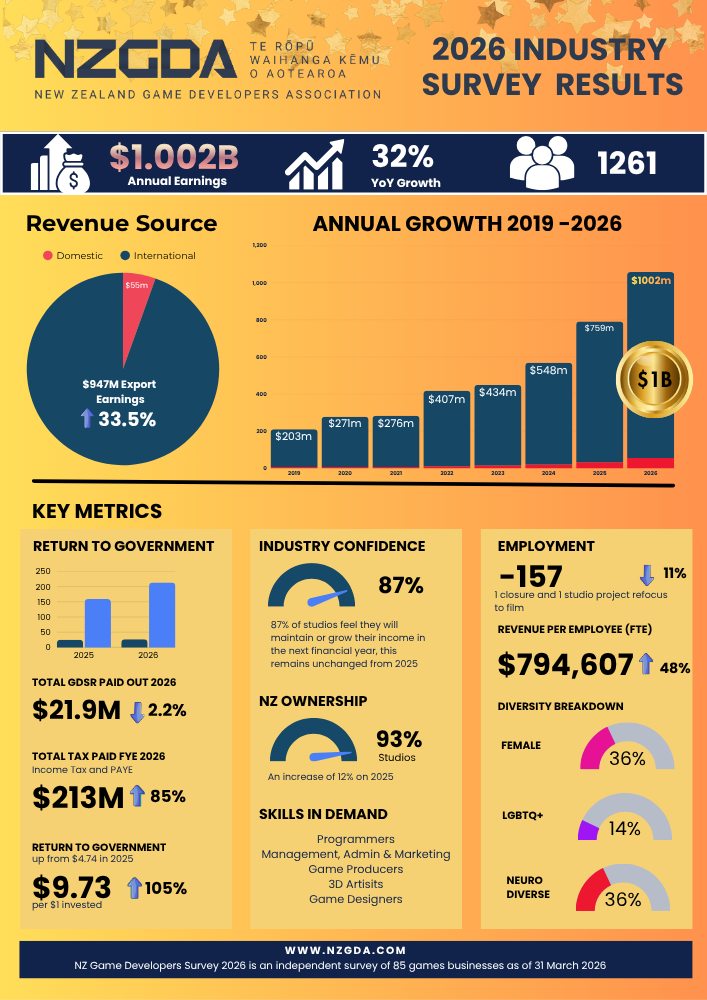
New Zealand Game Developers Association · 2026
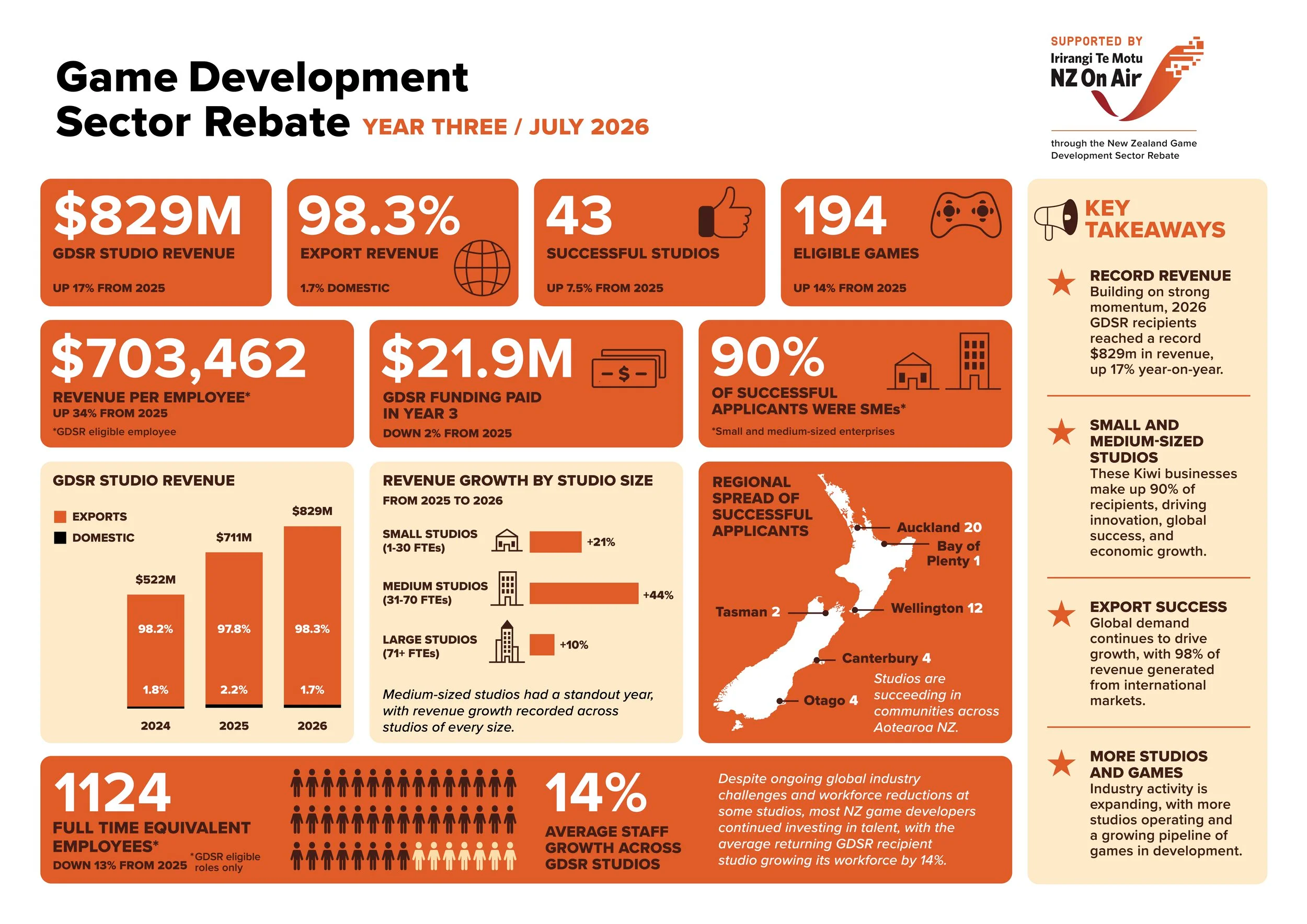
New Zealand Game Developers Association · 2026

New Zealand Game Developers Association · 2026

New Zealand Game Developers Association · 2026

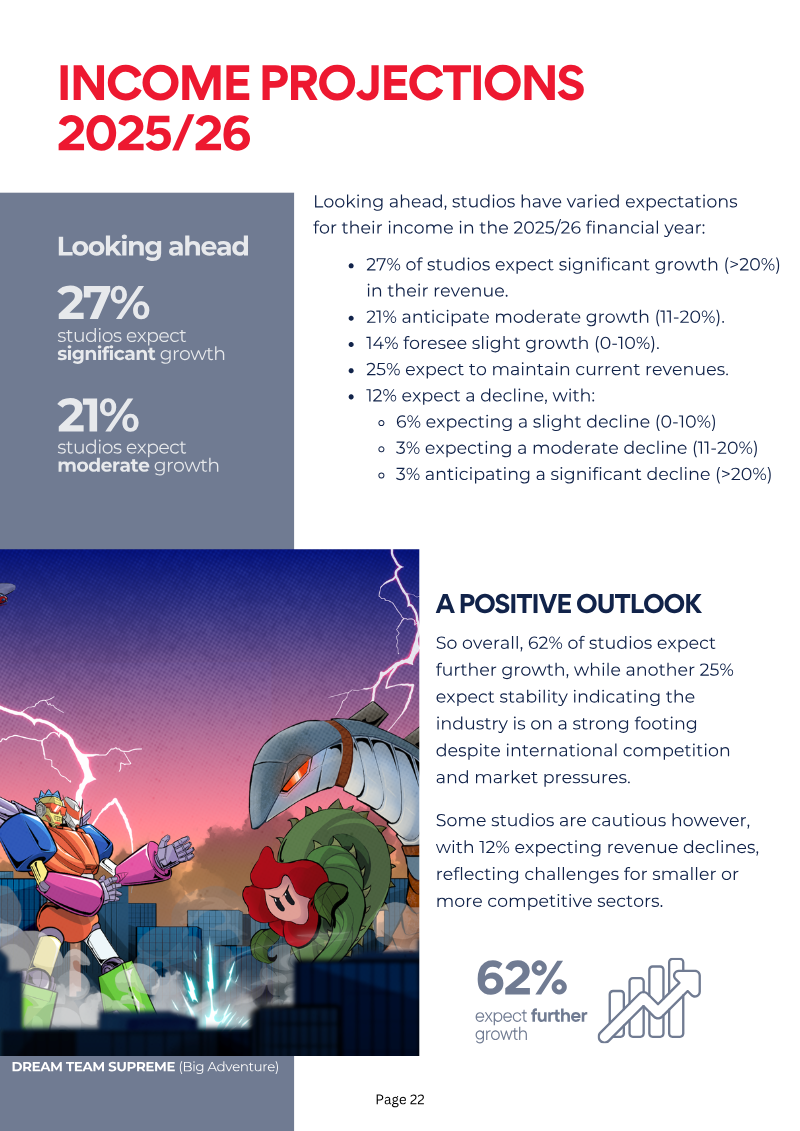
New Zealand Game Developers Association · 2026
New Zealand Game Developers Association · 2025

New Zealand Game Developers Association · 2025

New Zealand Game Developers Association · 2024

New Zealand Game Developers Association · 2023
New Zealand Game Developers Association · 2021
New Zealand Game Developers Association · 2021

New Zealand Game Developers Association · 2020
InvestGame · 2026