1 free read left. Create a free account for unlimited reading + AI research.
Create free accountReport International Game Developers’ Association
1 free read left. Create a free account for unlimited reading + AI research.
Create free accountReportInternational Game Developers’ Association
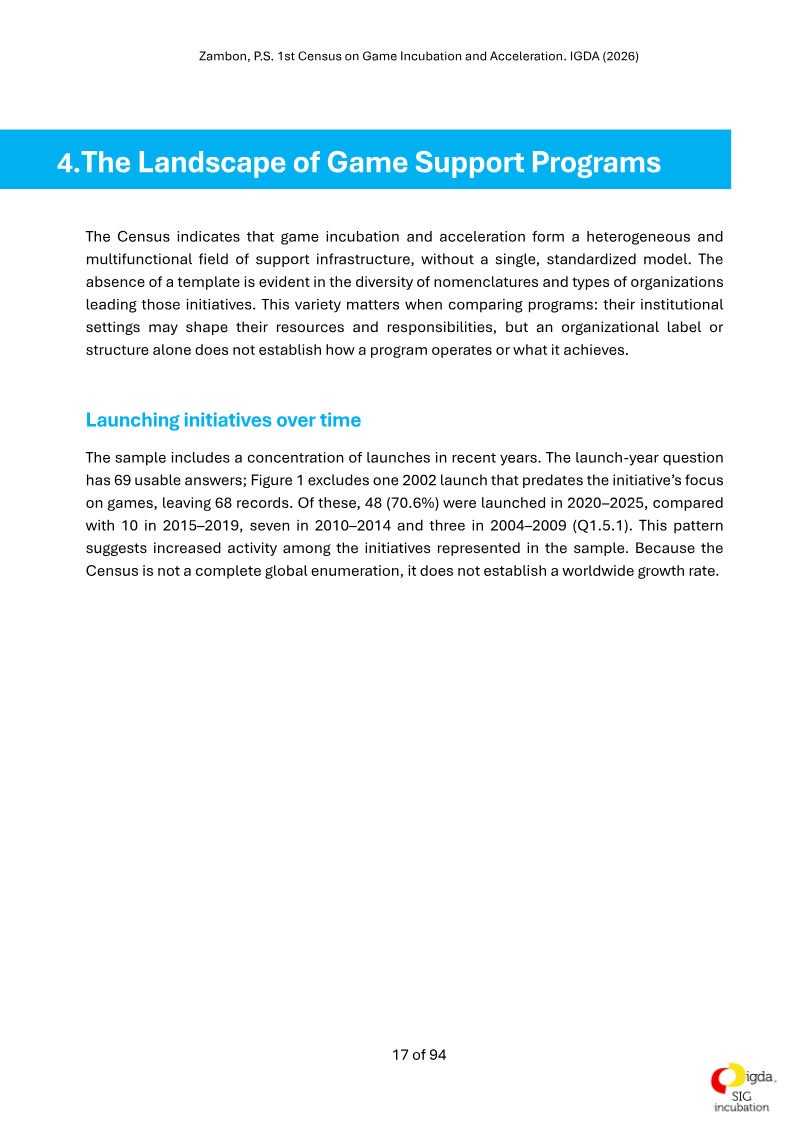
Over 70% of the 82 identified global programs were established between 2020 and 2025.
The global landscape of game incubation and acceleration is characterized by rapid expansion and high participant satisfaction, yet it remains structurally fragile. Spanning 82 support programs across 45 countries, the sector has seen over 70% of its initiatives emerge between 2020 and 2025. While these programs effectively foster early-stage talent through mentorship, networking, and business training, they operate within a volatile environment. A primary disconnect exists between the financial needs of game studios and the resources provided; although 92% of programs identify project funding as a critical challenge, only 40% offer direct financial support, which typically remains under $50,000 per team.
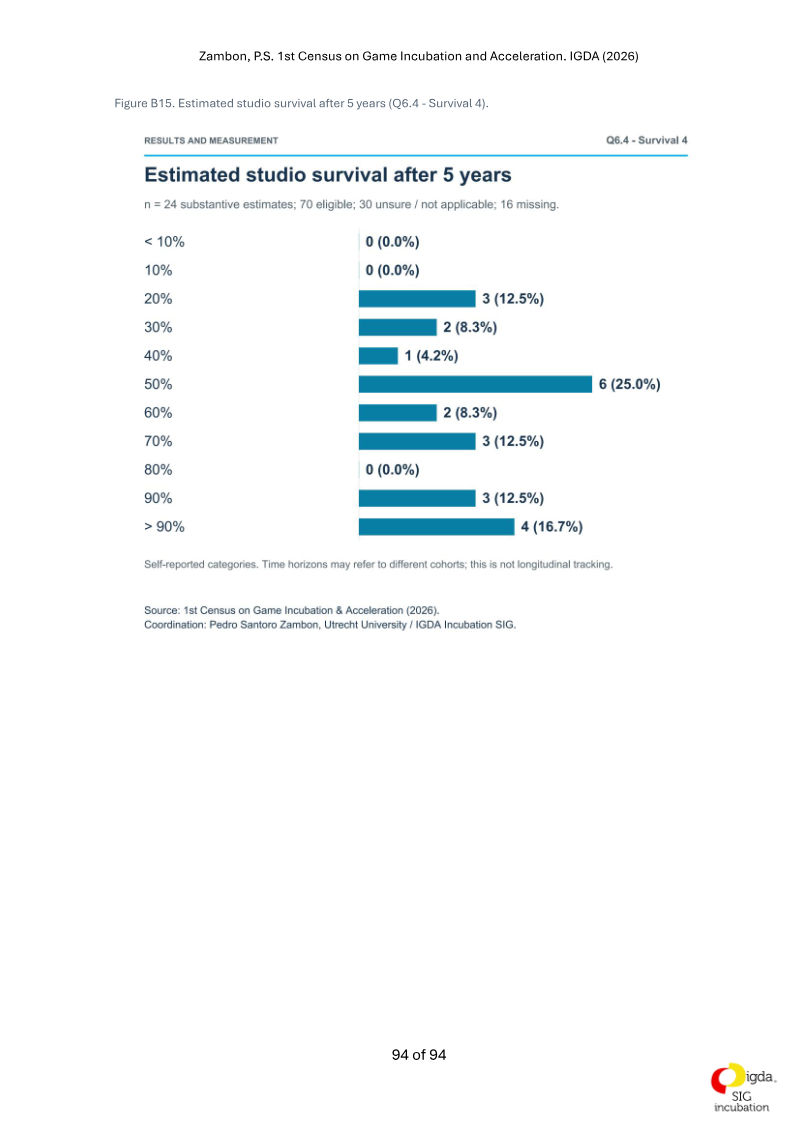
Operational sustainability for these support programs is equally precarious. Nearly 70% of initiatives rely on public grants rather than self-sustaining revenue models, forcing leadership to navigate constant funding instability. Despite these hurdles, program managers report high success in meeting objectives, such as facilitating publisher deals and studio formation. However, this success is tempered by long-term outcomes: while graduation rates exceed 90% for the majority of programs, alumni studio survival rates decline significantly over time, dropping from over 70% at six months to 50% or lower by the five-year mark.
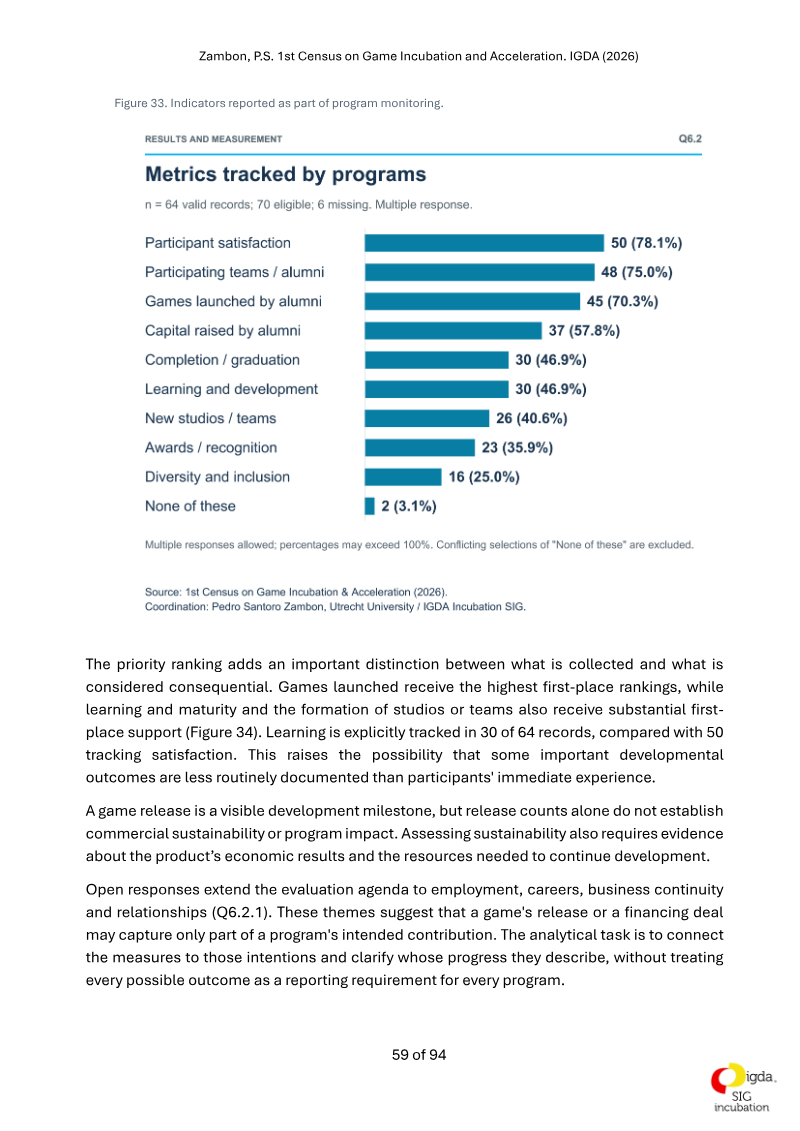
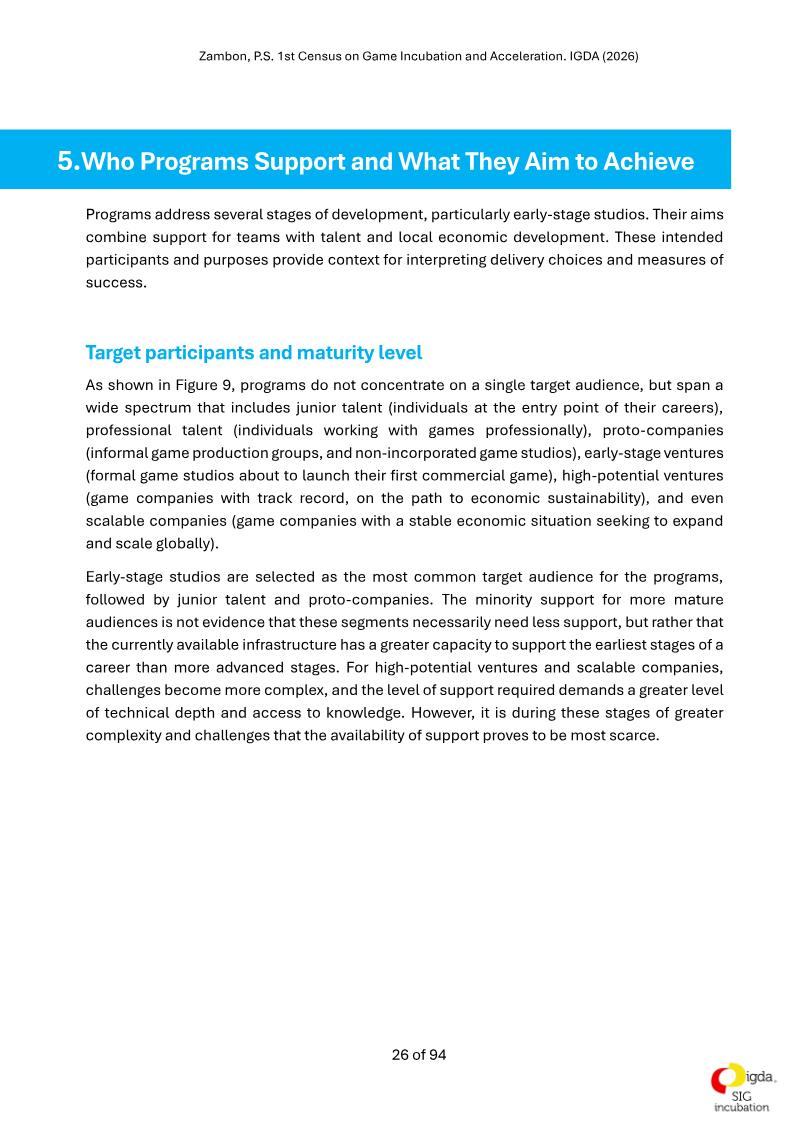
The industry currently lacks a standardized framework for measuring success, leading to inconsistent tracking of commercial impact and studio longevity. Current evaluation methods often prioritize short-term metrics like game releases over long-term business viability. Furthermore, a notable gap exists in support infrastructure for mature, scalable ventures, as most programs remain hyper-focused on junior talent and early-stage development. To improve the ecosystem, stakeholders must move toward more nuanced, context-specific evaluation strategies and better-coordinated institutional support to bridge the gap between initial incubation and long-term commercial sustainability.


International Game Developers' Association · 2024
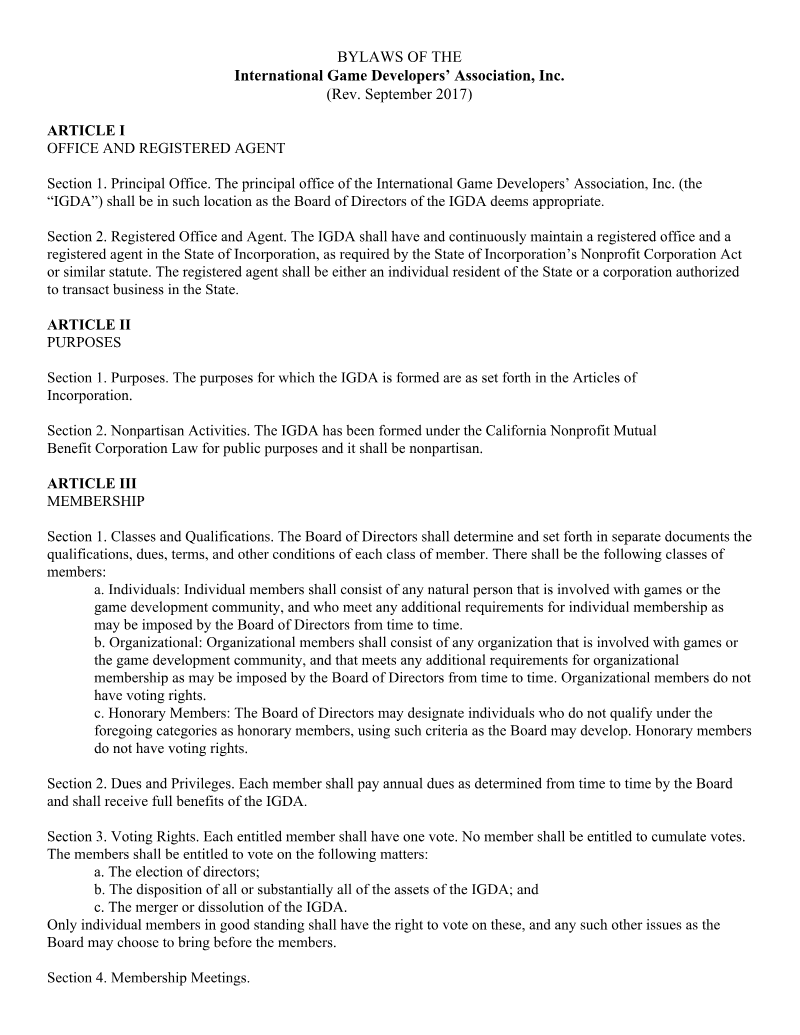
International Game Developers’ Association · 2023
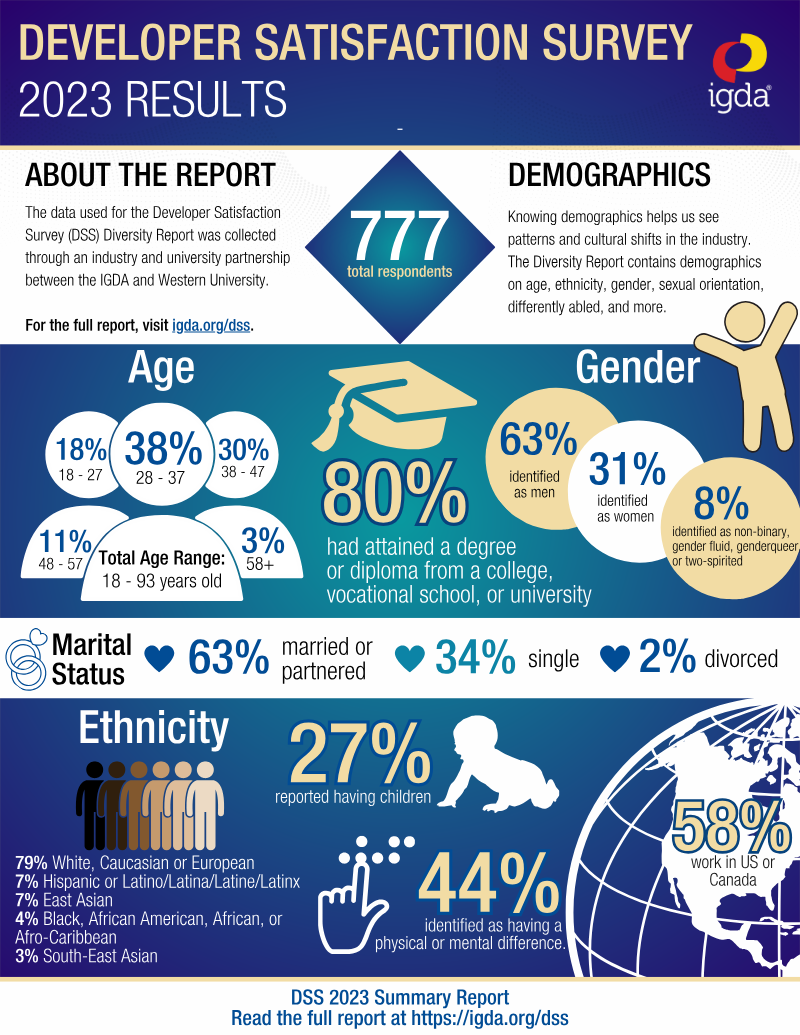
International Game Developers’ Association · 2023
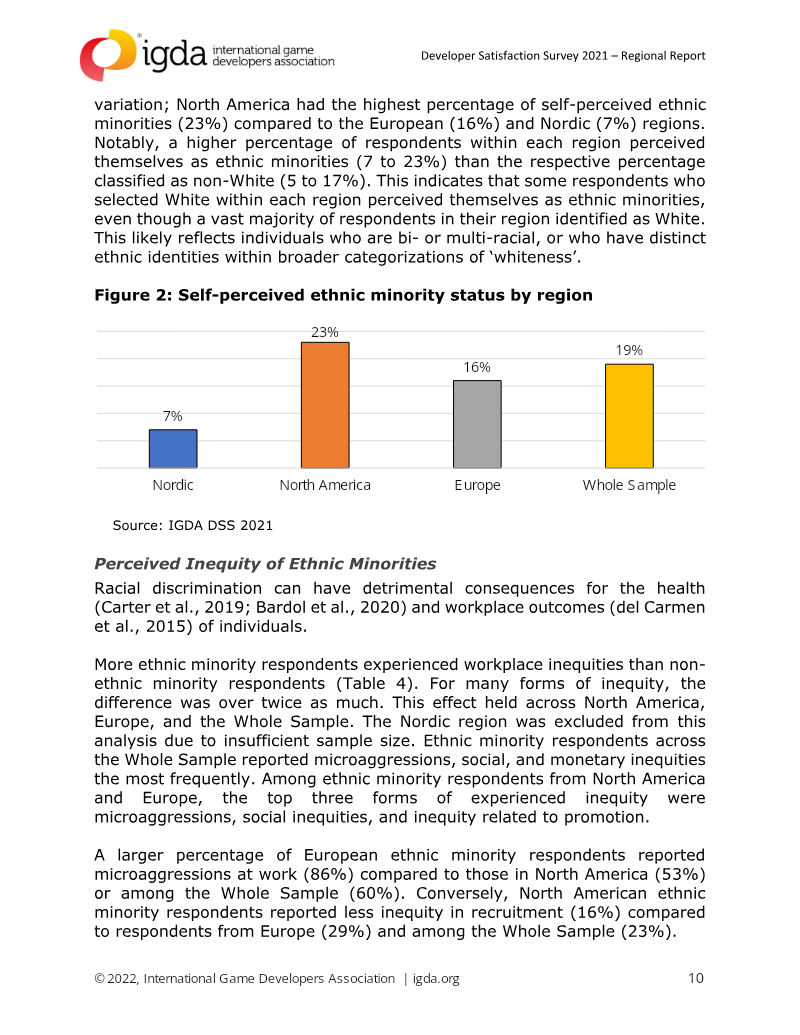
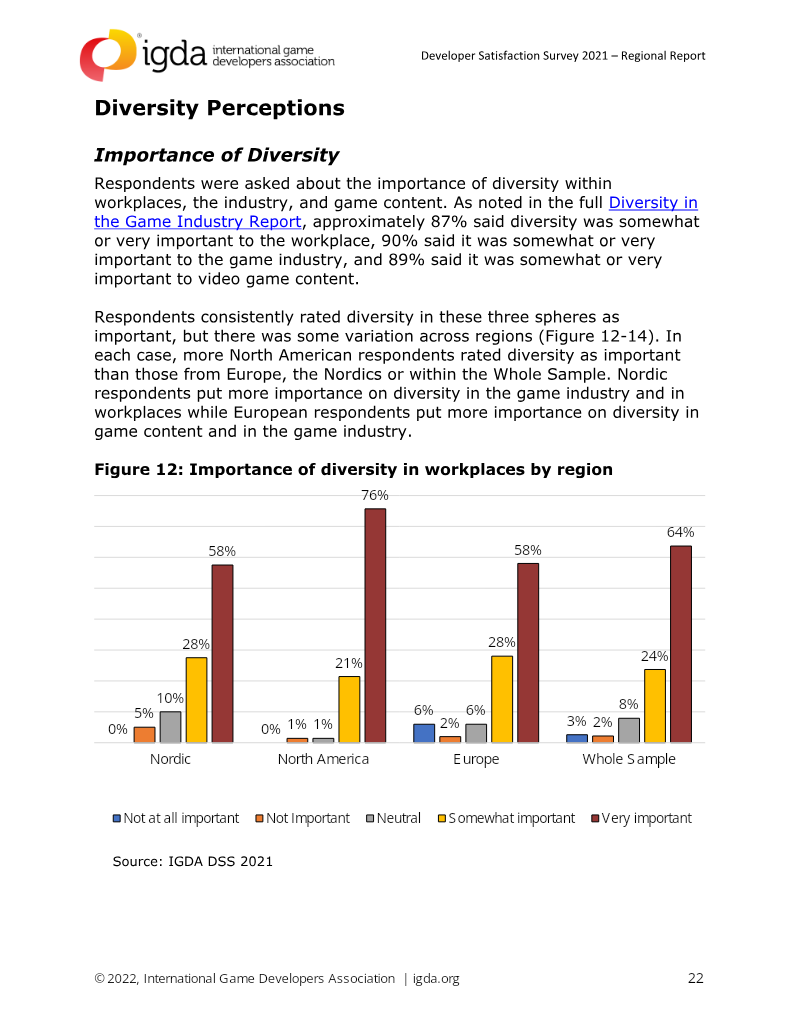
International Game Developers’ Association · 2022
International Game Developers’ Association · 2022
International Game Developers’ Association · 2021
International Game Developers’ Association · 2021
International Game Developers’ Association · 2020
International Game Developers’ Association · 2020
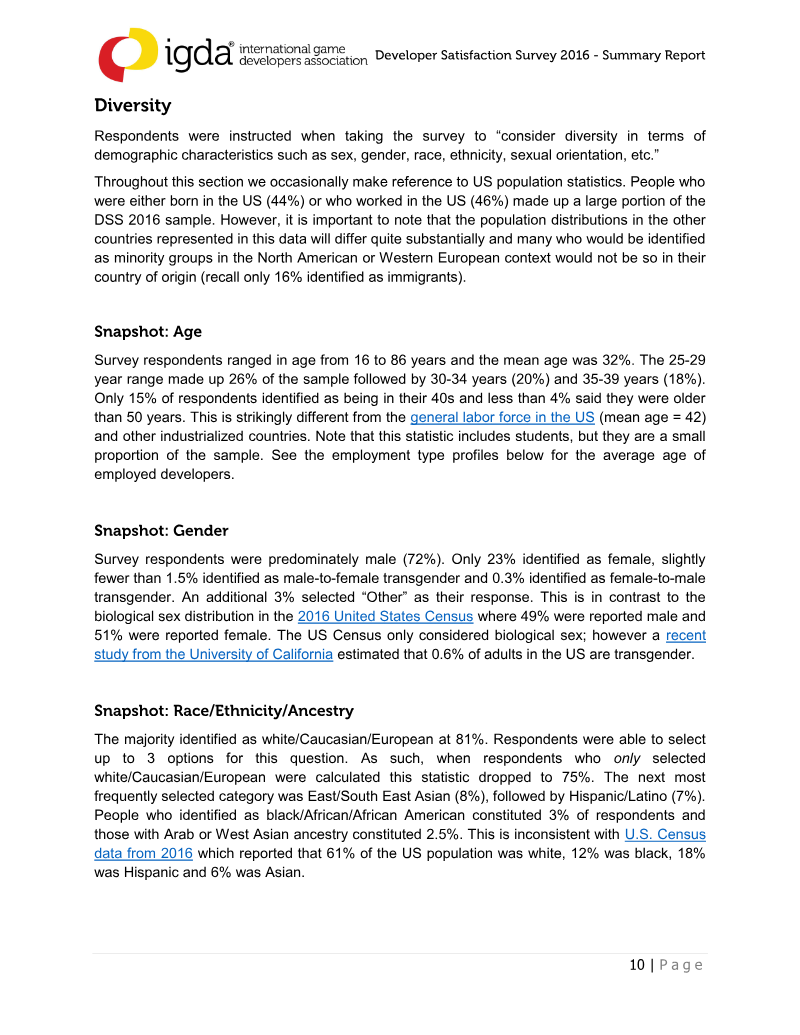

International Game Developers’ Association · 2016
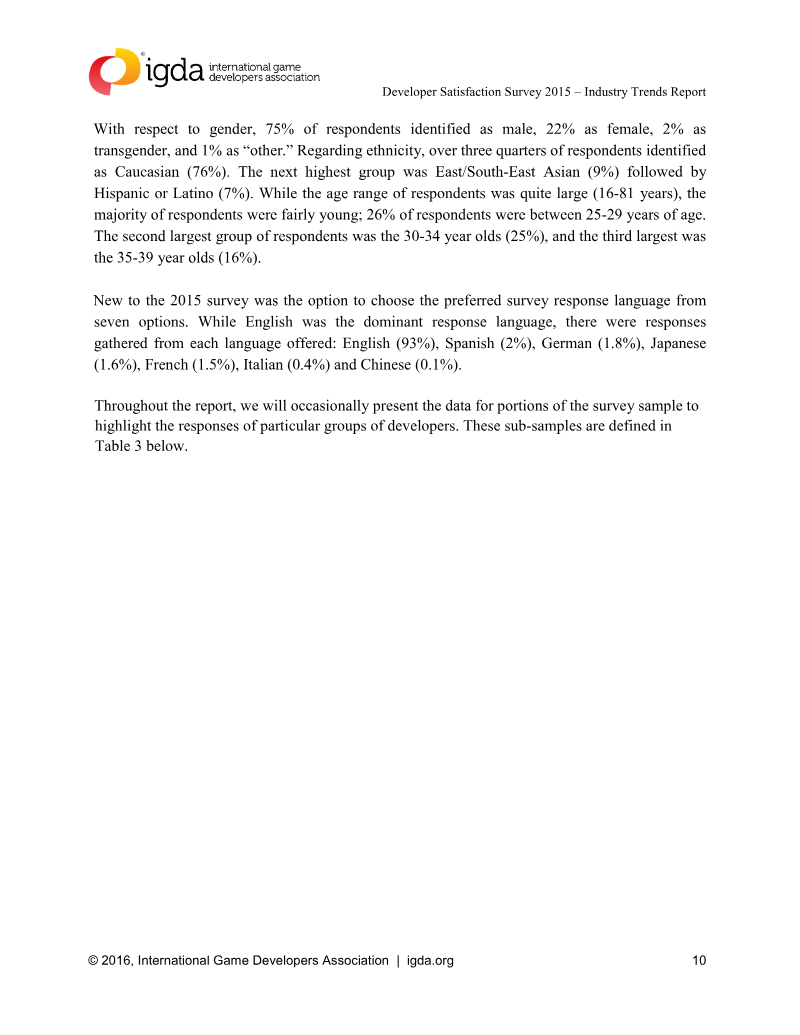
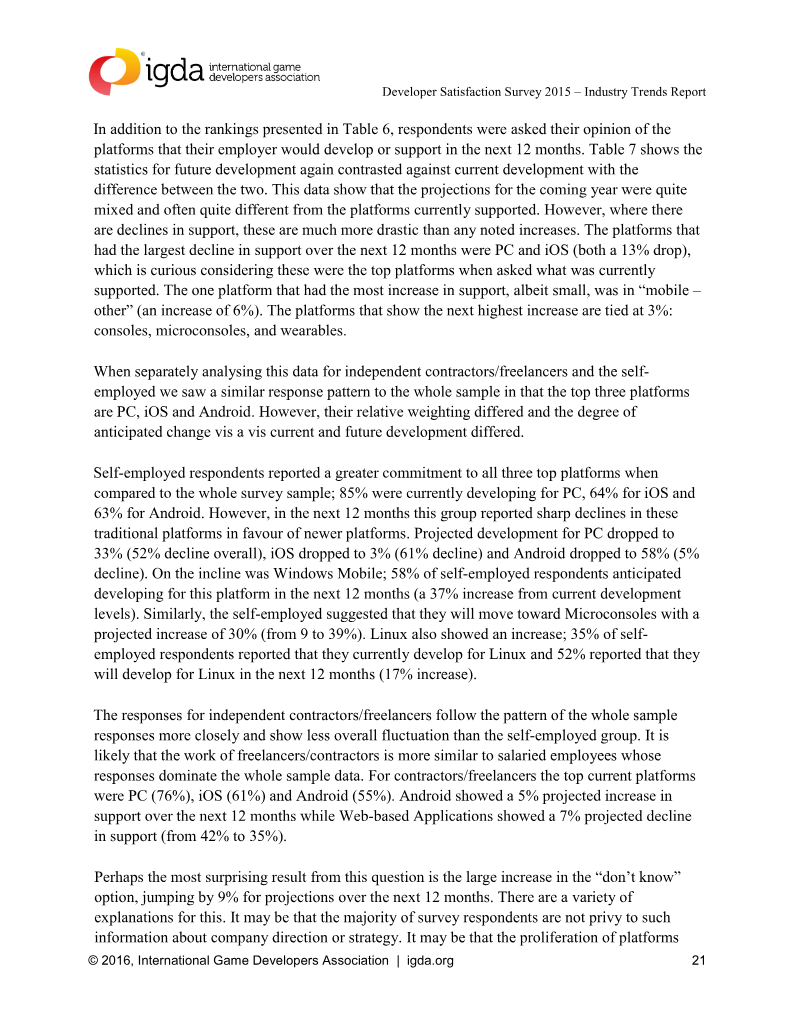
International Game Developers’ Association · 2016
International Game Developers’ Association · 2015