1 free read left. Create a free account for unlimited reading + AI research.
Create free accountReport InvestGame
1 free read left. Create a free account for unlimited reading + AI research.
Create free accountReportInvestGame
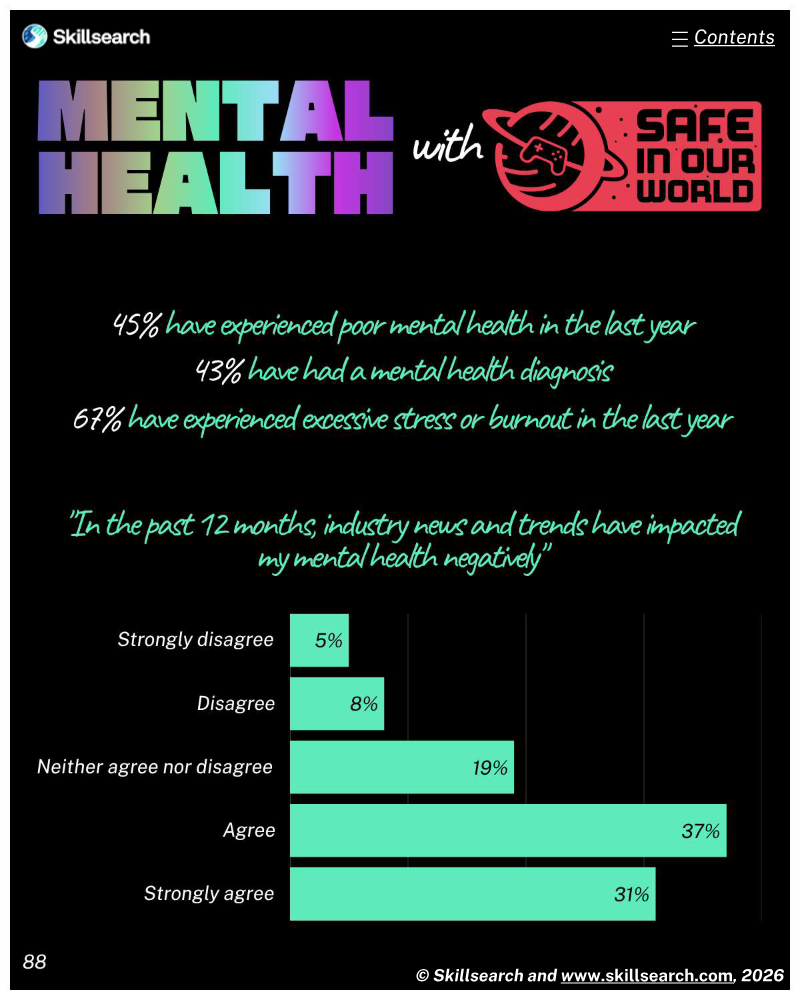
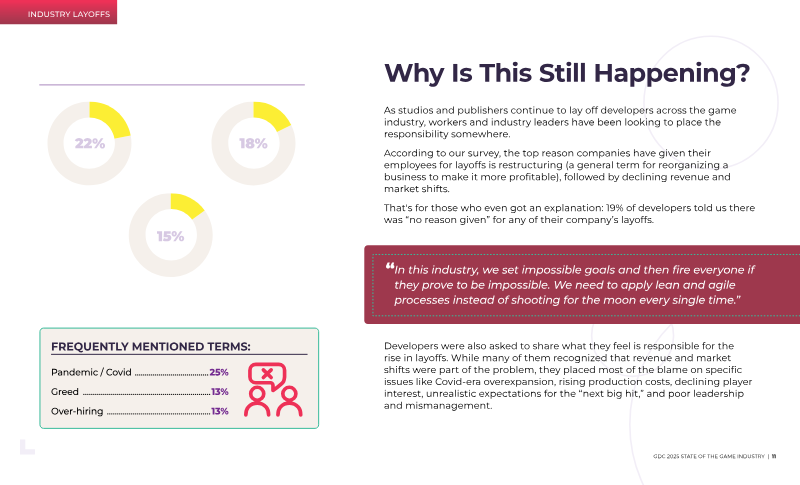
67% of employees report burnout, and nearly 50% have experienced poor mental health over the past year.
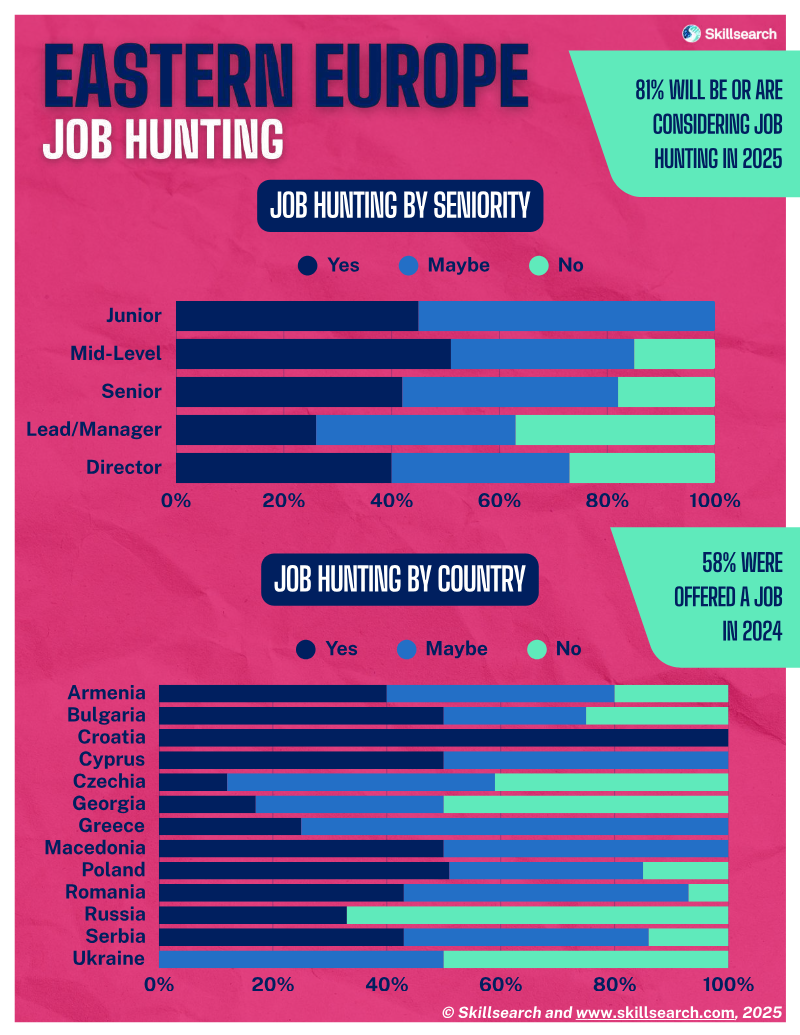
The global games and immersive technology industry is currently navigating a period of profound instability characterized by widespread redundancies, economic uncertainty, and a pervasive sense of professional dissatisfaction. As of 2026, the sector faces a significant retention crisis, with between 69% and 84% of professionals across art, design, programming, and business operations actively considering new employment. This high turnover intent is primarily driven by concerns regarding job security, inadequate compensation, and a growing mental health crisis, as evidenced by 67% of the workforce reporting burnout and nearly half experiencing poor mental health over the past year.
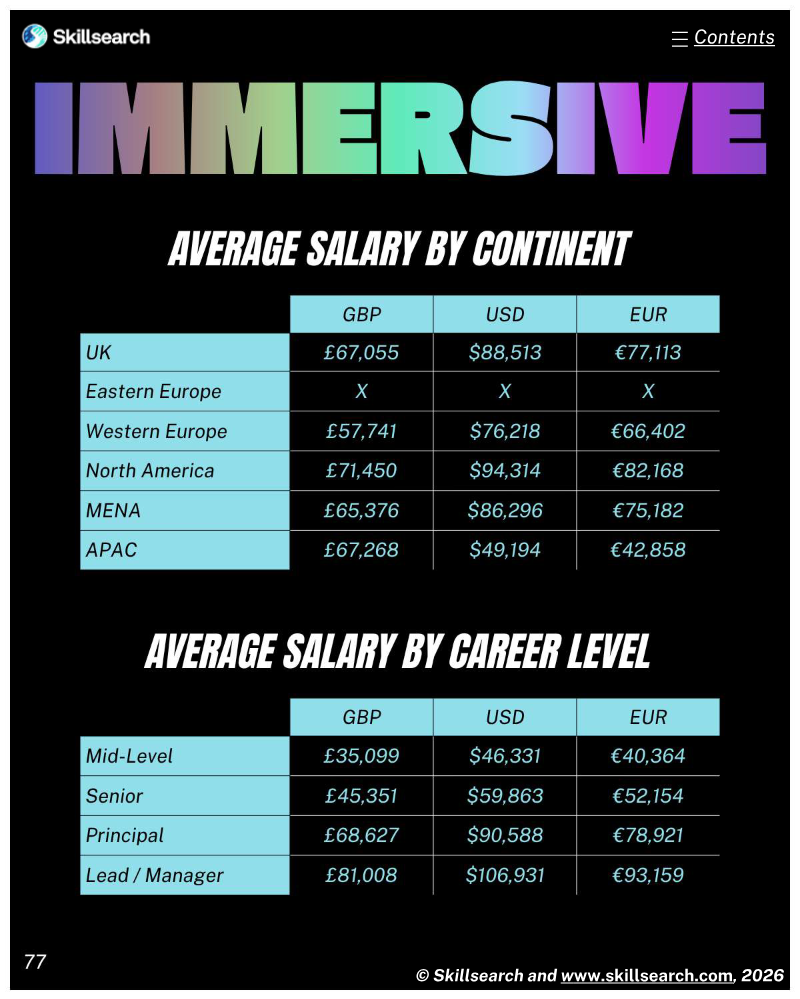
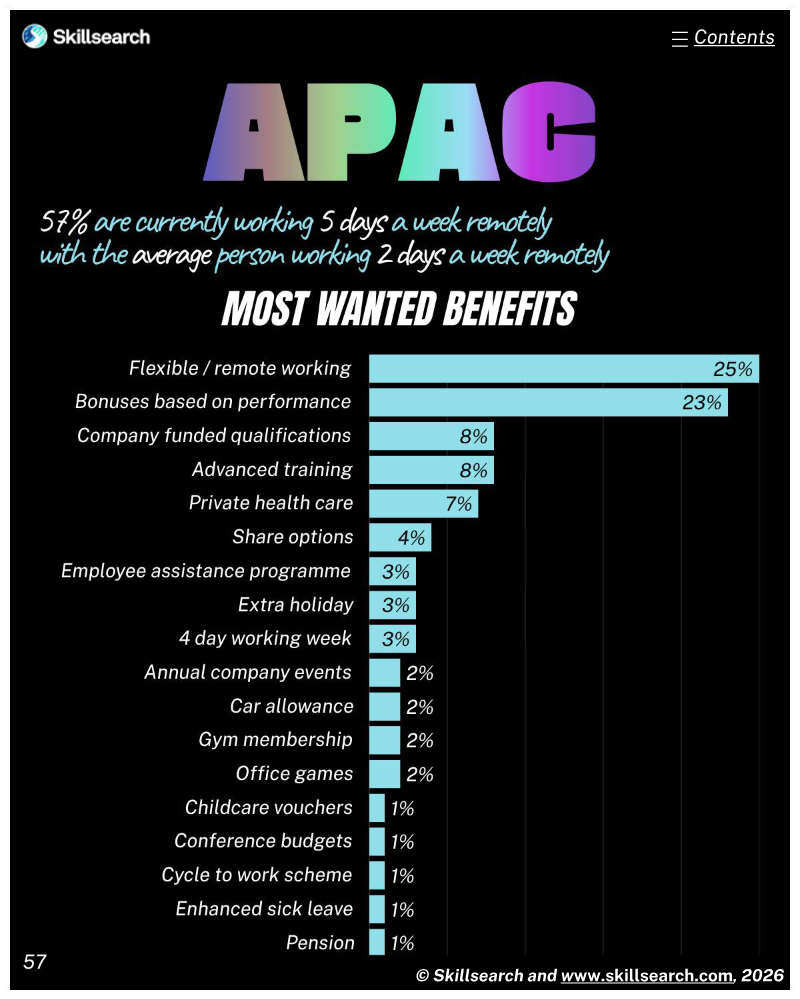
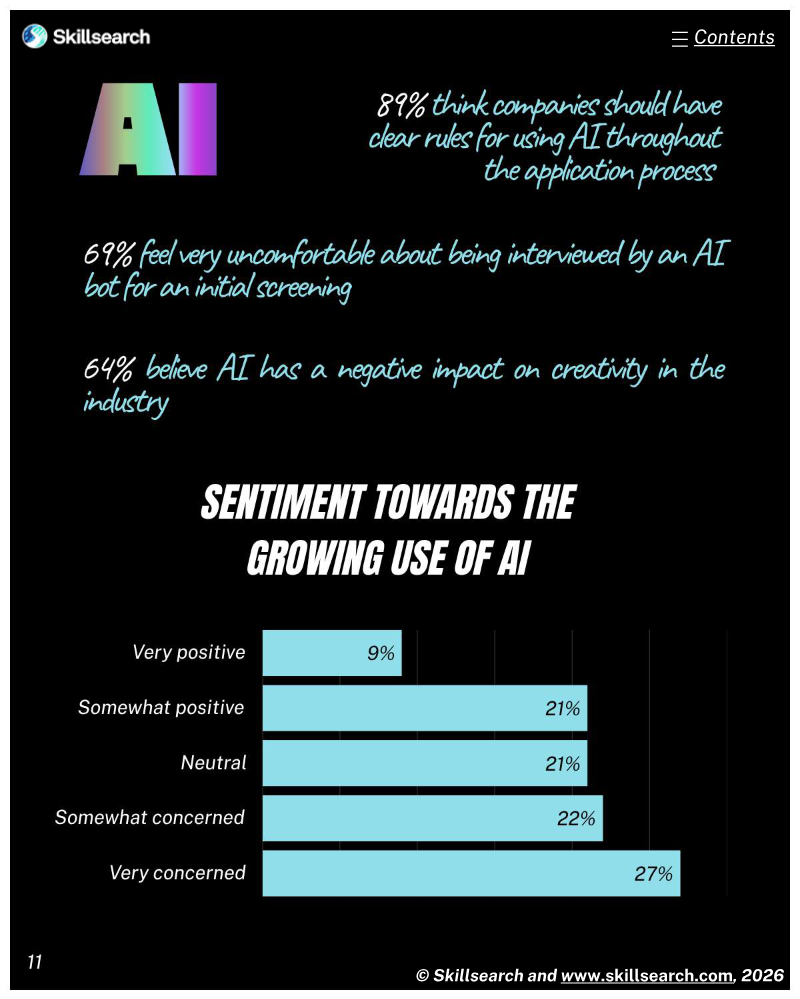
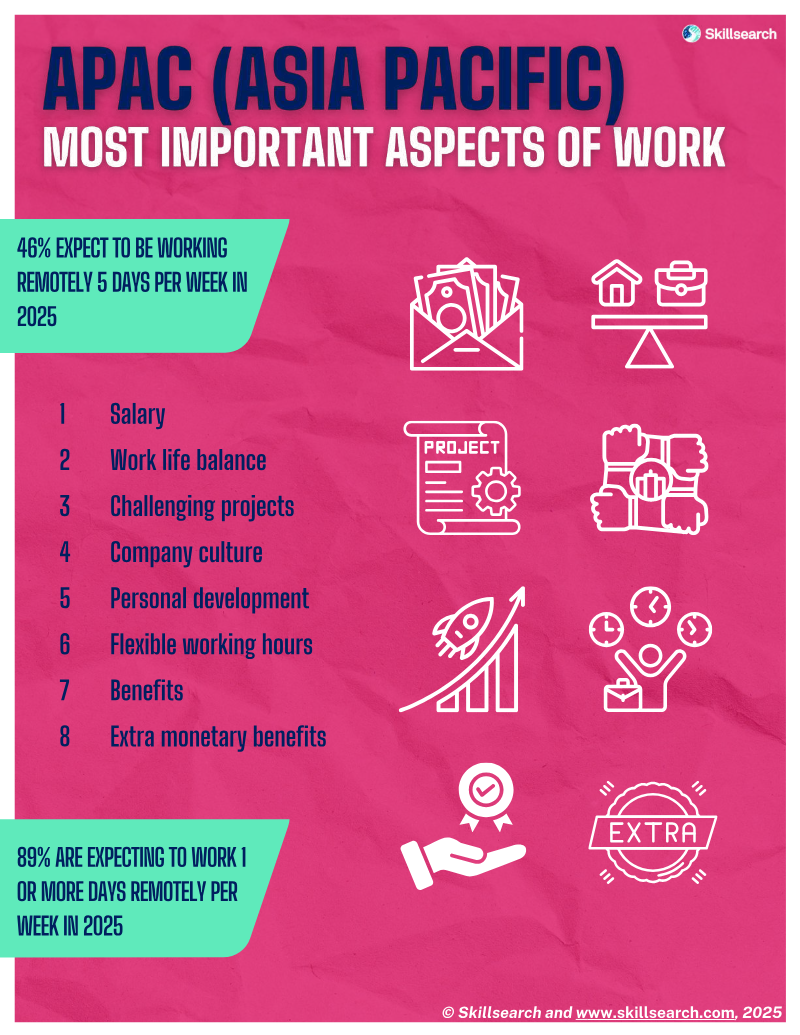
Geographically, the industry exhibits substantial salary disparities, with North America consistently maintaining the highest compensation levels compared to Europe, the Middle East, and the Asia-Pacific region. Despite these regional variations, the demand for flexible and remote work remains a universal priority for employees globally. While the workforce remains technically proficient and largely satisfied with core development tools like Unreal and Unity, the integration of artificial intelligence has introduced new friction. Although over half of professionals have adopted AI tools, the industry remains deeply divided, with many expressing significant apprehension regarding creative authenticity, ethical standards, and the potential for further job displacement.
Employers are currently struggling to balance these workforce demands against tightening budgets and a limited diversity pool. The industry continues to rely heavily on traditional academic pathways for talent acquisition, yet it faces mounting pressure to improve workplace culture and provide more robust support systems. Ultimately, the sector is at a critical juncture where the desire for professional stability and improved well-being is outpacing the current organizational capacity to provide it. Addressing these systemic issues, particularly regarding mental health and equitable compensation, is essential for maintaining a sustainable and innovative workforce in the coming years.
InvestGame · 2026
InvestGame · 2026
InvestGame · 2026
InvestGame · 2026
InvestGame · 2026
InvestGame · 2026
InvestGame · 2026
InvestGame · 2026
InvestGame · 2026
InvestGame · 2026
InvestGame · 2026
InvestGame · 2026
Mobile Dev Memo · 2026