1 free read left. Create a free account for unlimited reading + AI research.
Create free accountReport Skillsearch
1 free read left. Create a free account for unlimited reading + AI research.
Create free accountReportSkillsearch
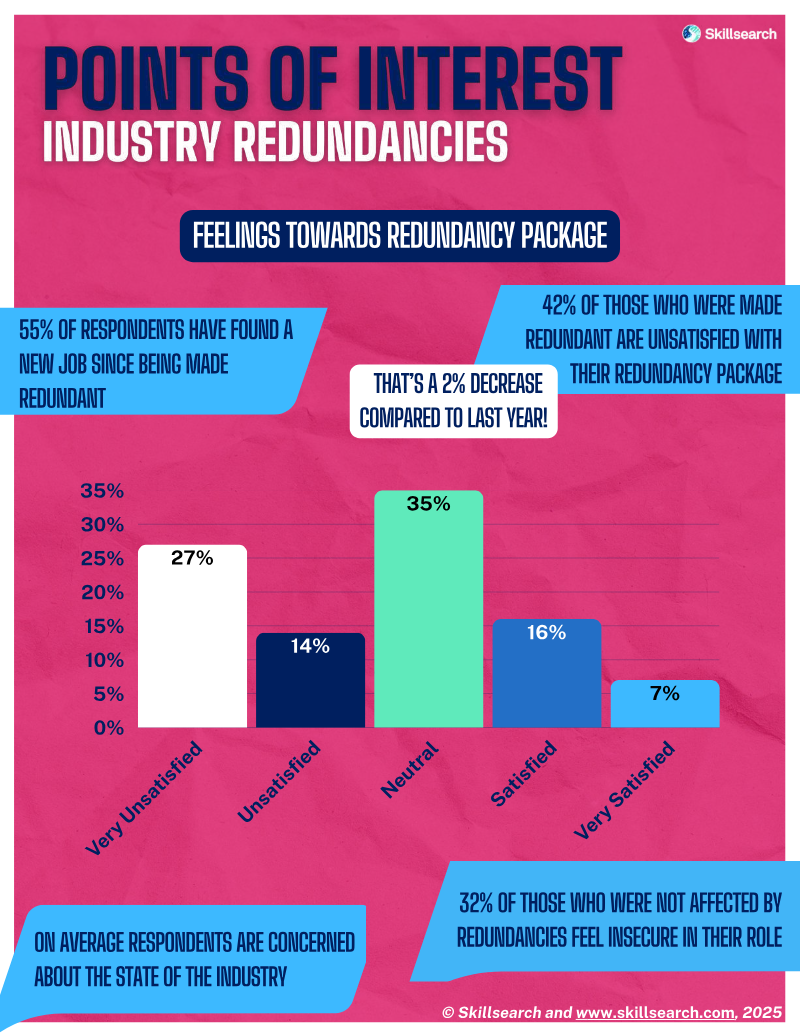
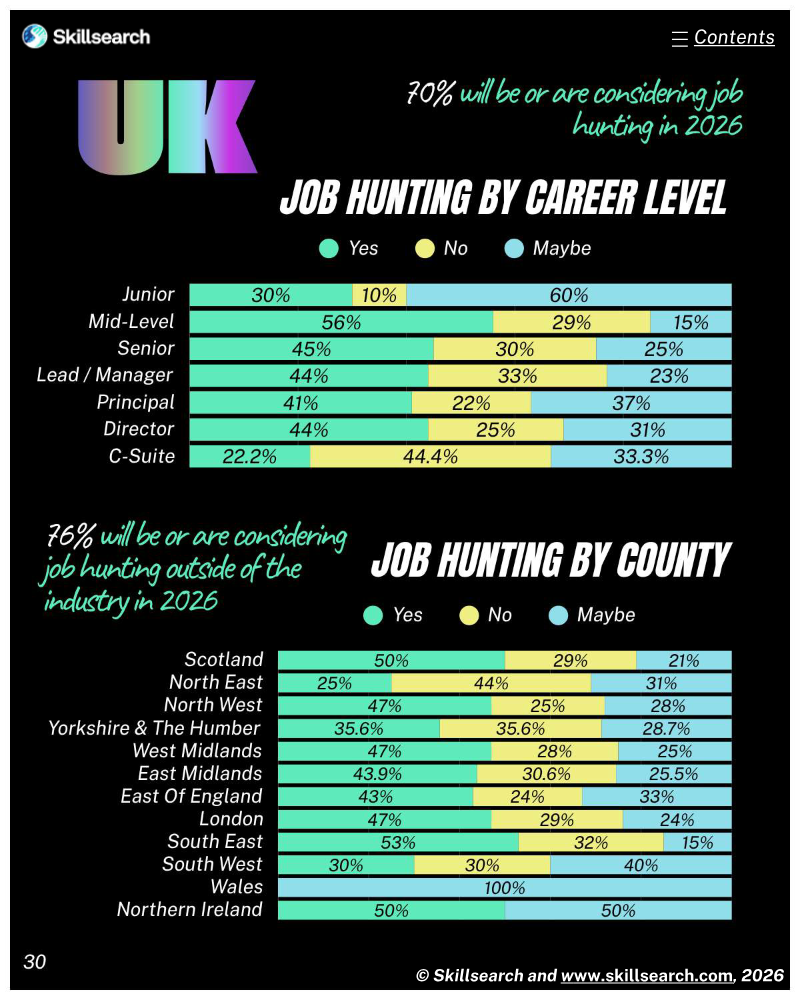
28% of professionals report recent redundancies. Between 68% and 83% of the workforce is actively seeking new employment.
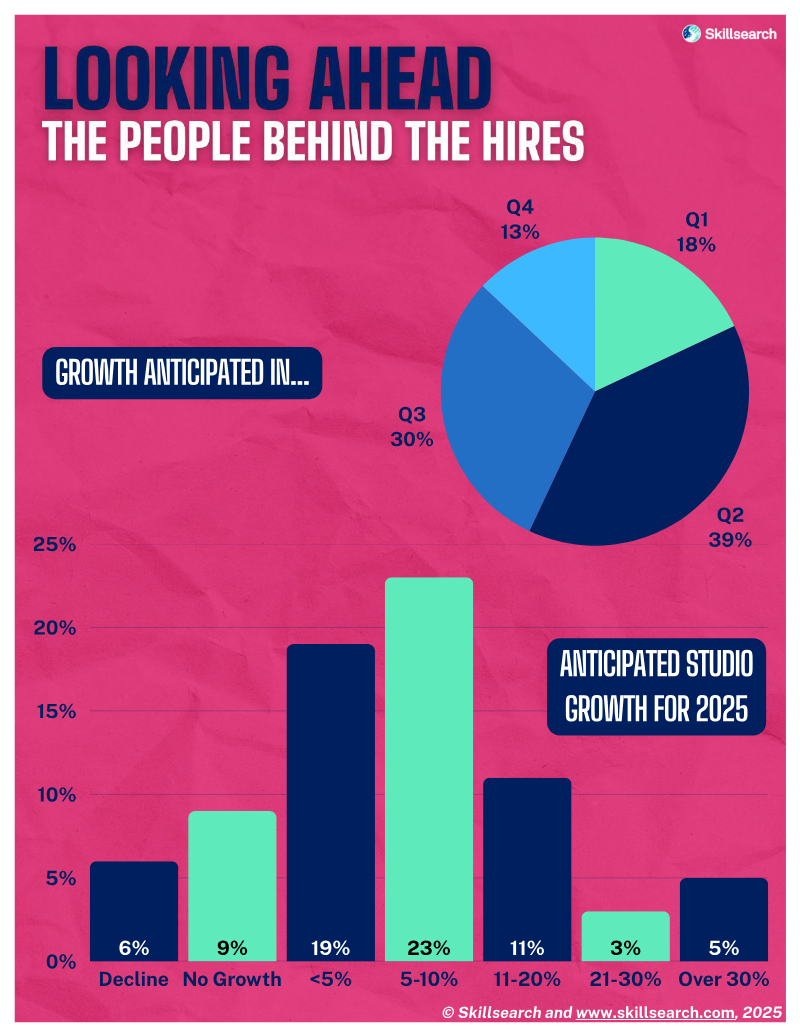
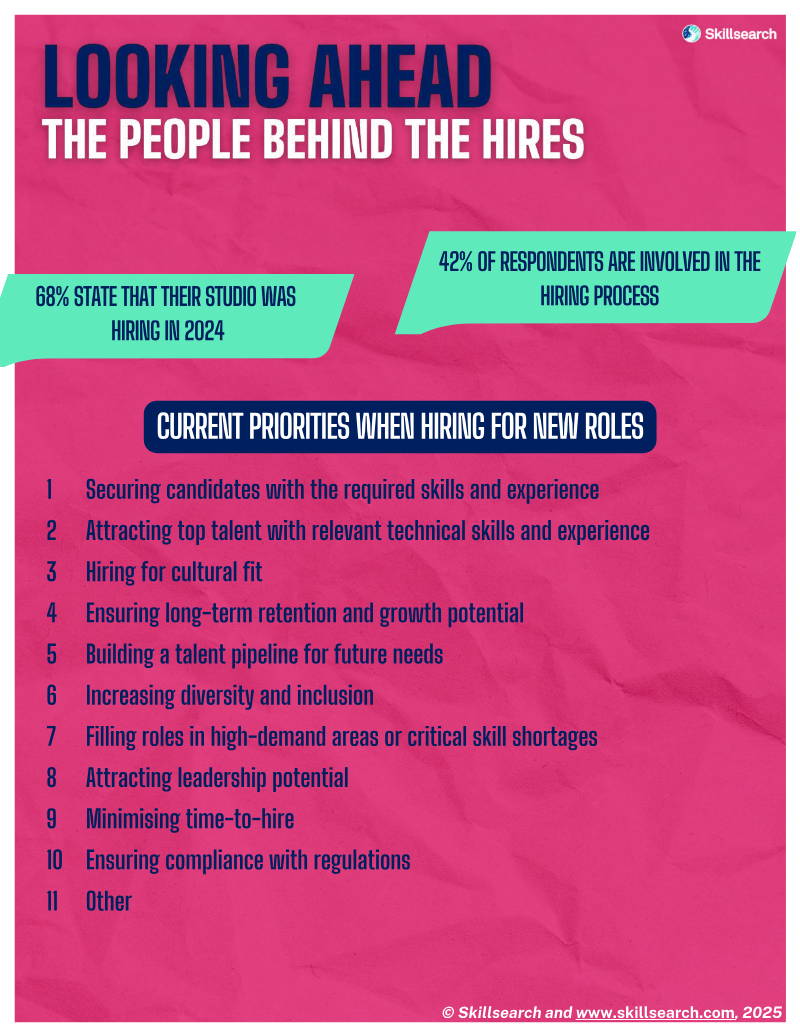
The global games and interactive industry is currently navigating a period of significant instability characterized by widespread redundancies and a pervasive cost-of-living crisis. With 28% of professionals reporting recent job losses and 35% contemplating an exit from the sector, the workforce is increasingly prioritizing financial security and company stability. Despite these challenges, the industry maintains a cautiously optimistic outlook, as 62% of studios project growth of at least 5% in 2025. However, recruitment remains hampered by inefficient hiring processes, persistent skill shortages, and difficulties in meeting diversity and inclusion benchmarks.
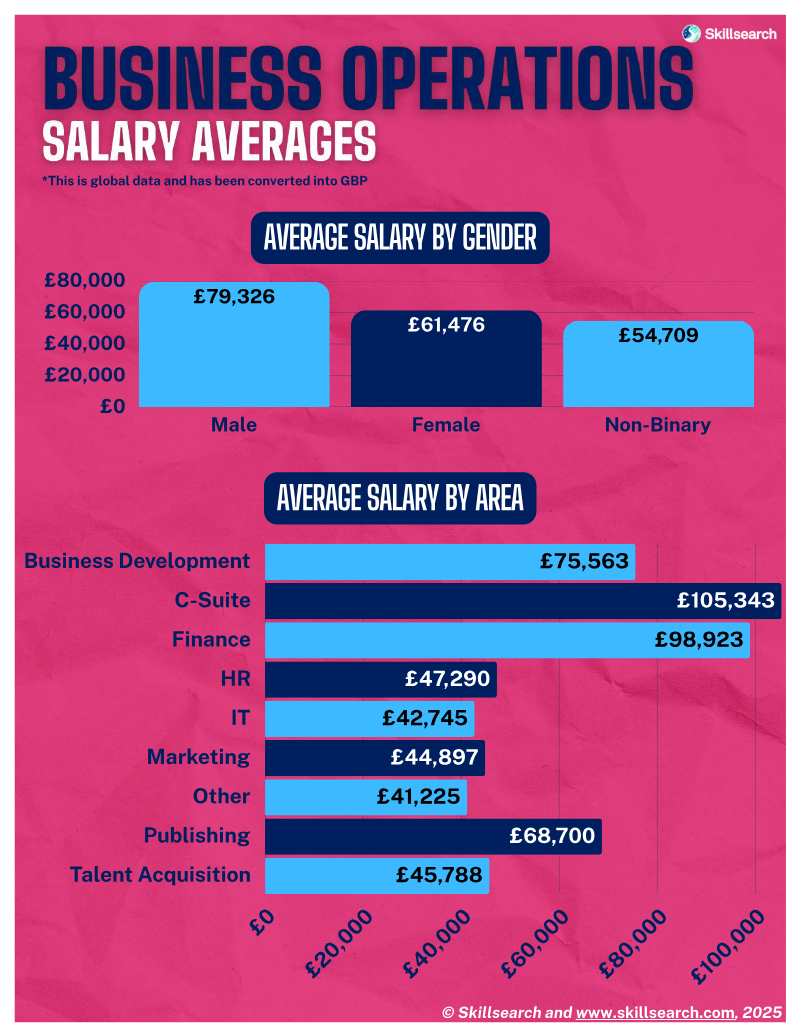
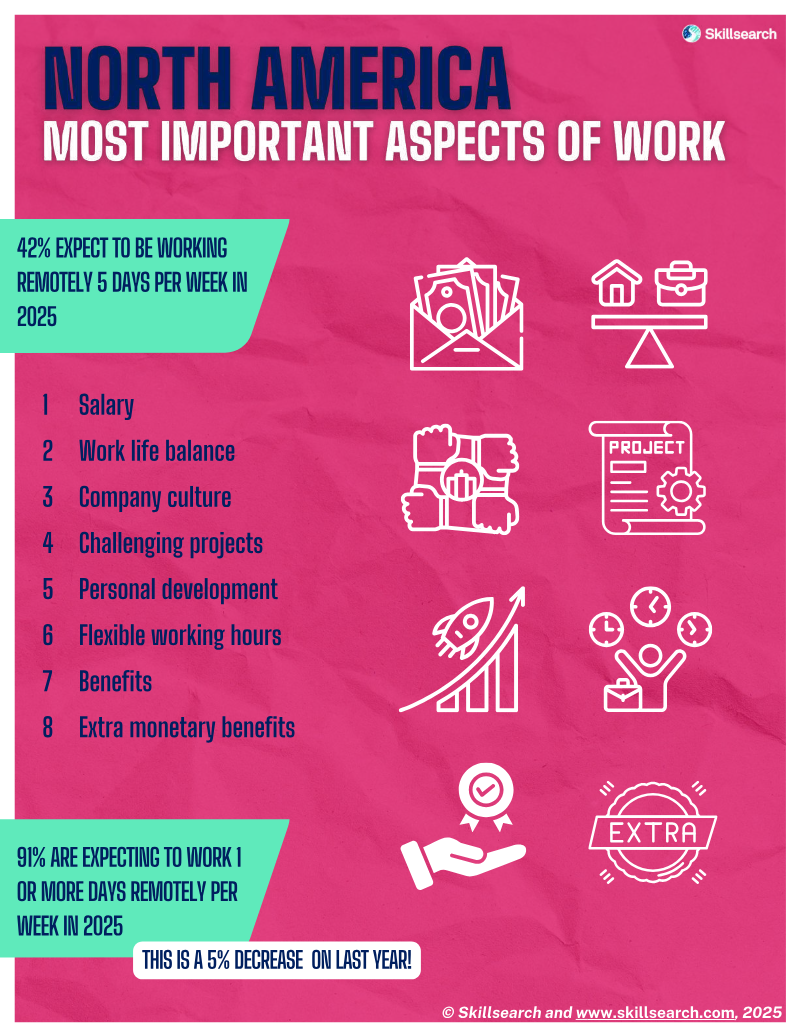
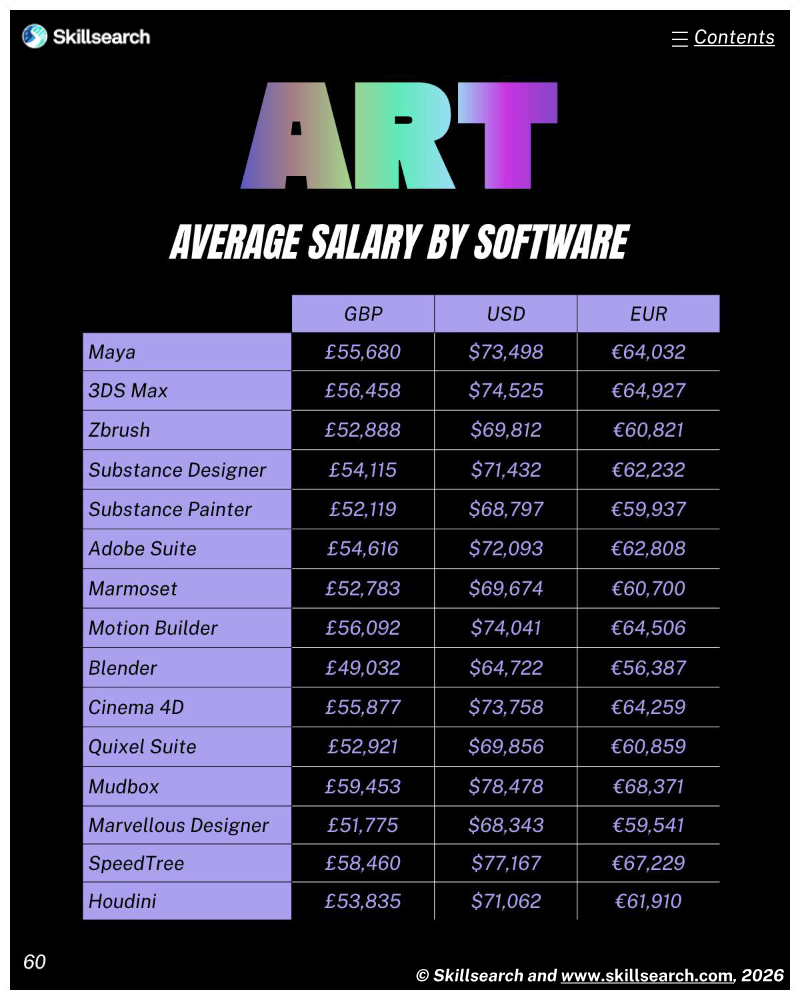
Compensation remains the primary driver for career mobility, with a global average salary of £74,091 masking significant disparities across seniority, discipline, geography, and gender. Beyond base pay, employees place a premium on work-life balance and flexible working arrangements. While there is a slight cooling in remote work expectations compared to previous years, over 90% of the workforce still expects at least one day of remote work per week in 2025. Furthermore, 82% of the industry continues to grapple with the impact of crunch, underscoring a critical need for improved mental health support and sustainable labor practices.
Ultimately, the sector faces a disconnect between studio priorities and employee needs. While companies focus on technical innovation and new development, the workforce is actively seeking roles that offer better remuneration, private healthcare, and genuine flexibility. The high propensity for job hunting—with figures ranging from 68% to 83% across various segments—highlights a volatile labor market. To retain talent, studios must address these systemic frustrations, bridge the gender-based pay gap, and move beyond superficial diversity initiatives to foster a more secure and supportive professional environment.
InvestGame · 2026
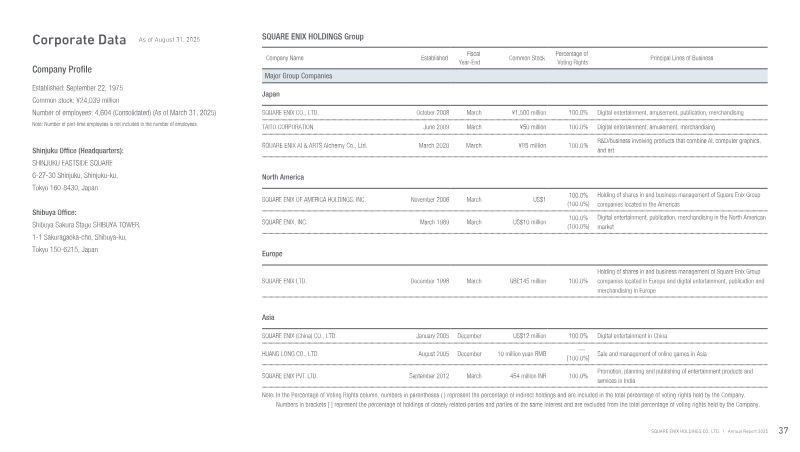
Square Enix · 2025
Deconstructor of Fun · 2025

Deconstructor of Fun · 2024


International Game Developers' Association · 2024
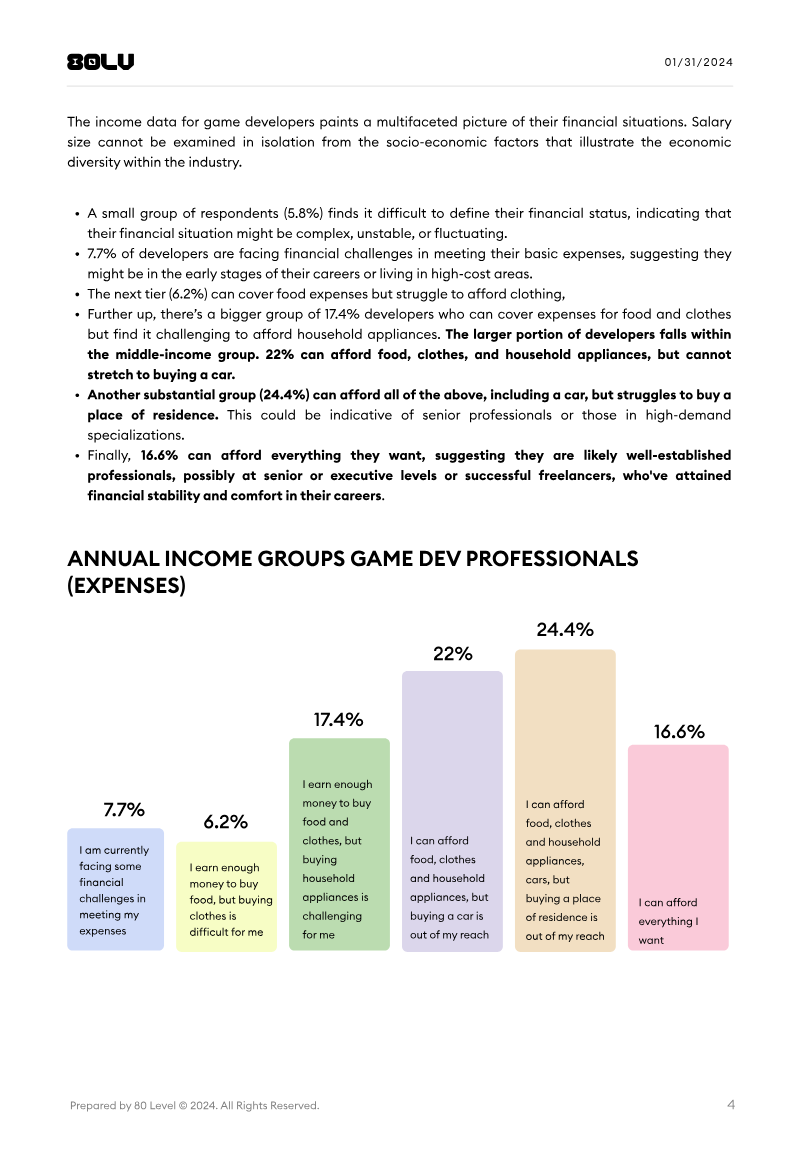
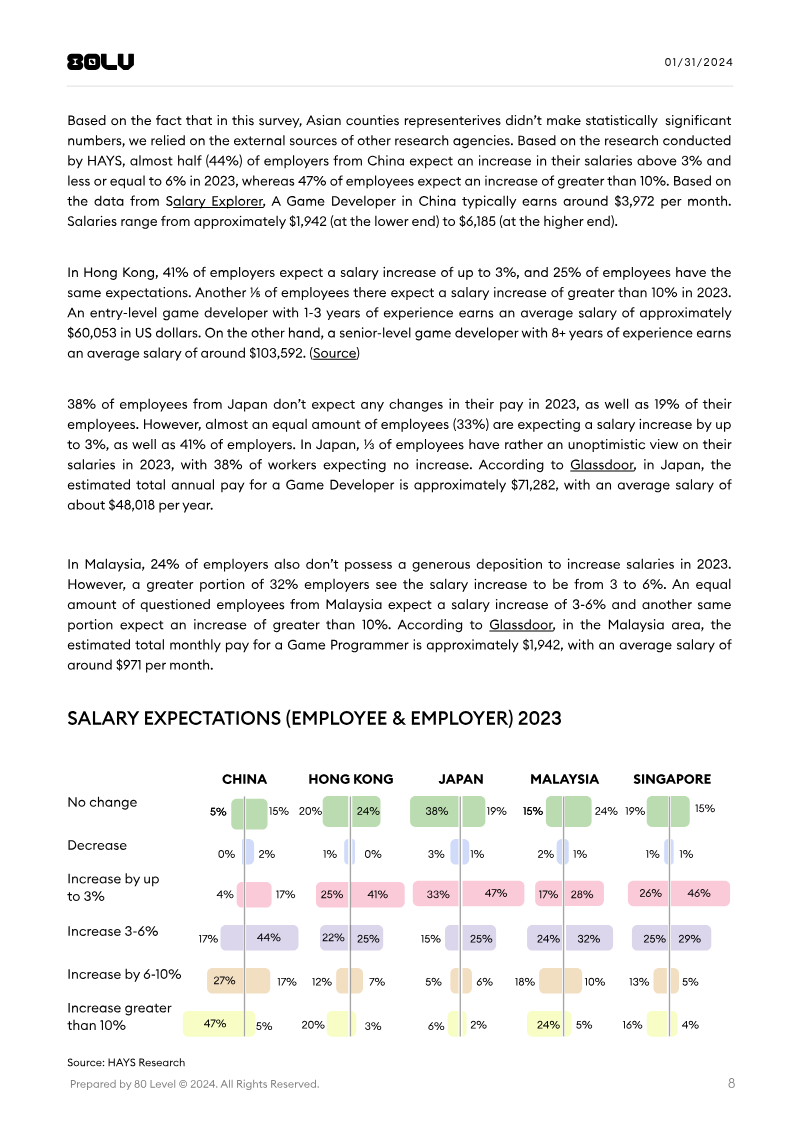
80 Level · 2024
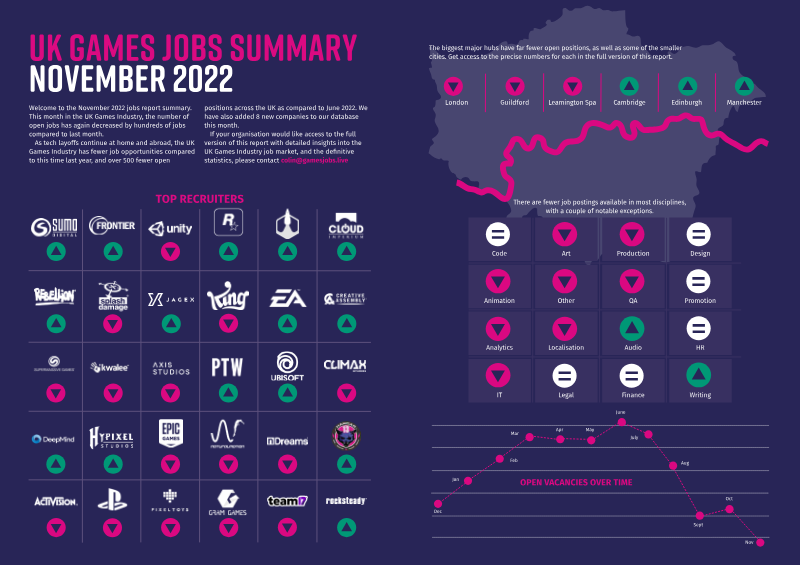
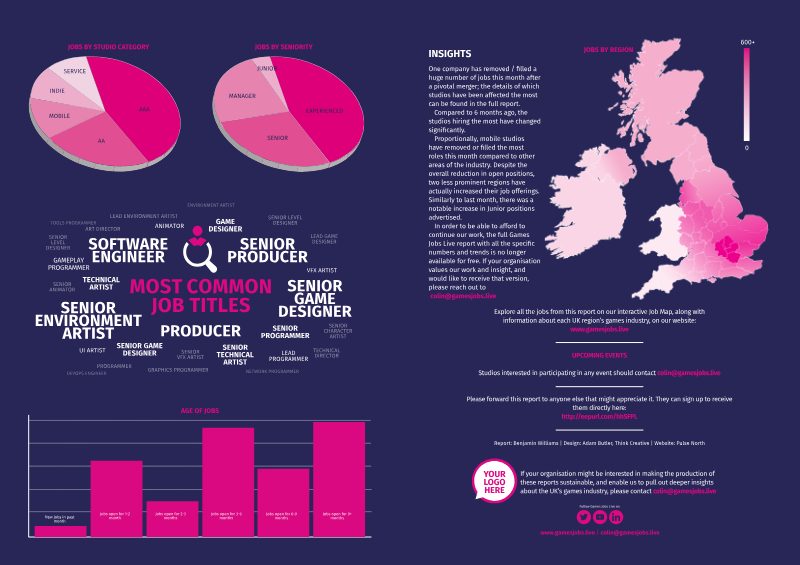
Games Jobs Live · 2022


PCF Group · 2021
International Game Developers’ Association · 2016
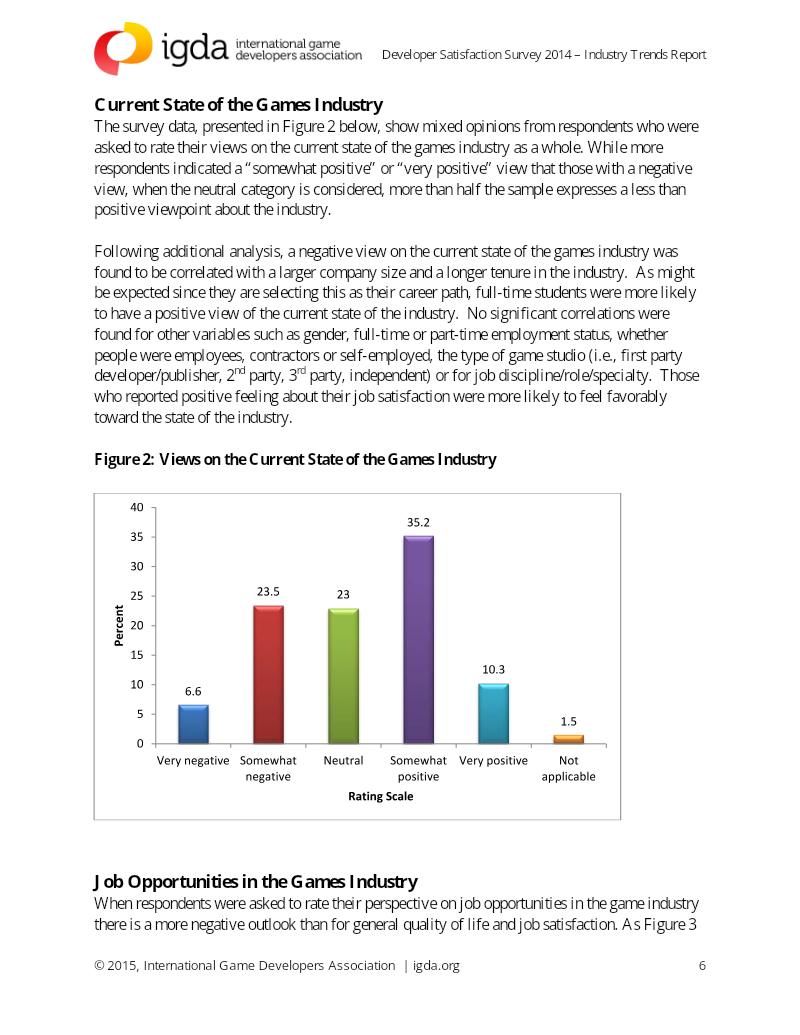
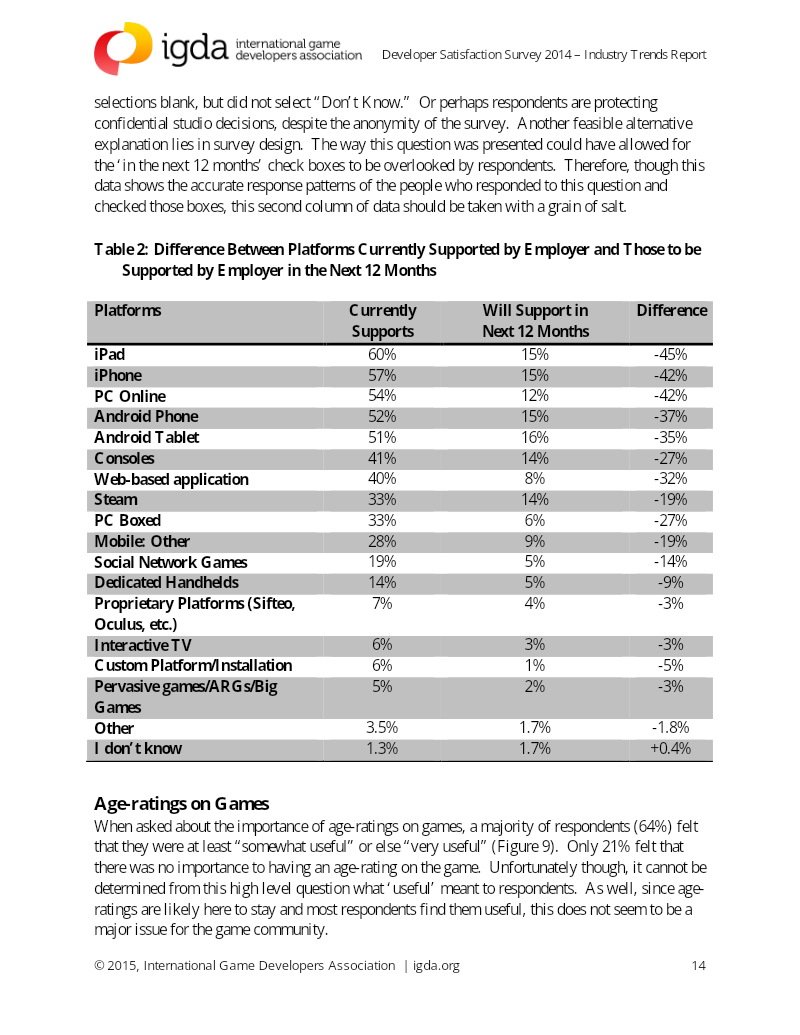
International Game Developers’ Association · 2015

Jason Schreier · 2026

The Game Business · 2026