1 free read left. Create a free account for unlimited reading + AI research.
Create free accountReport International Game Developers’ Association
1 free read left. Create a free account for unlimited reading + AI research.
Create free accountReportInternational Game Developers’ Association
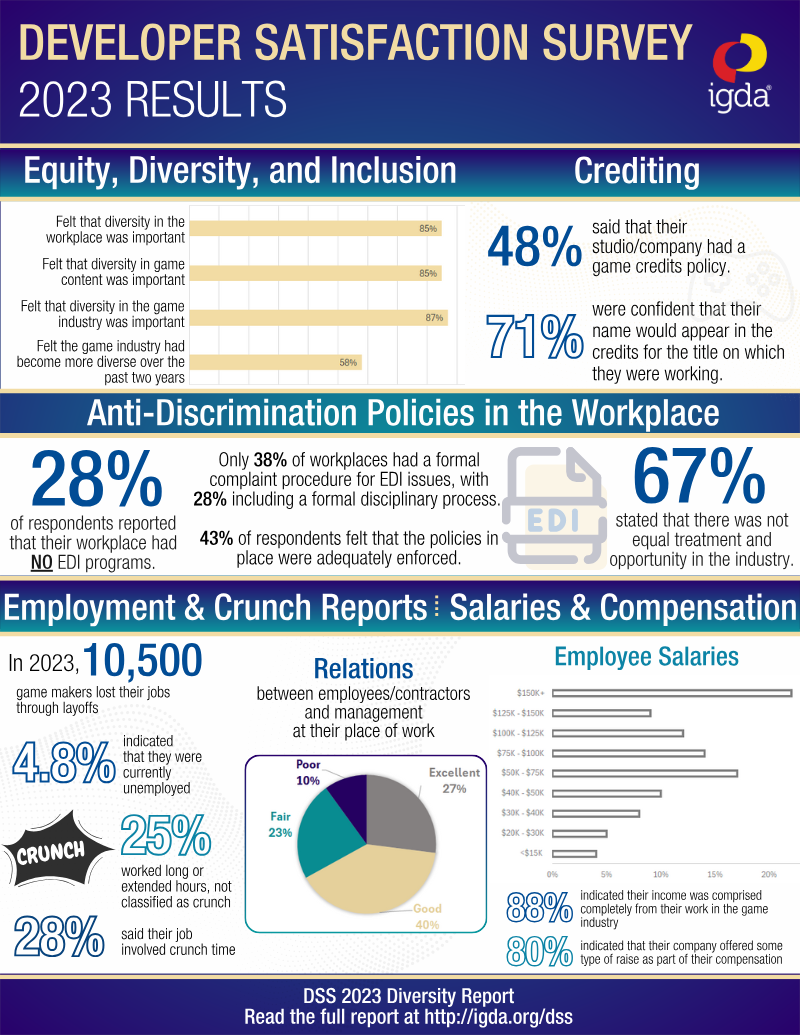
10,500 game makers lost their jobs due to layoffs. This occurred despite 88% of developers relying on the sector for their total income.
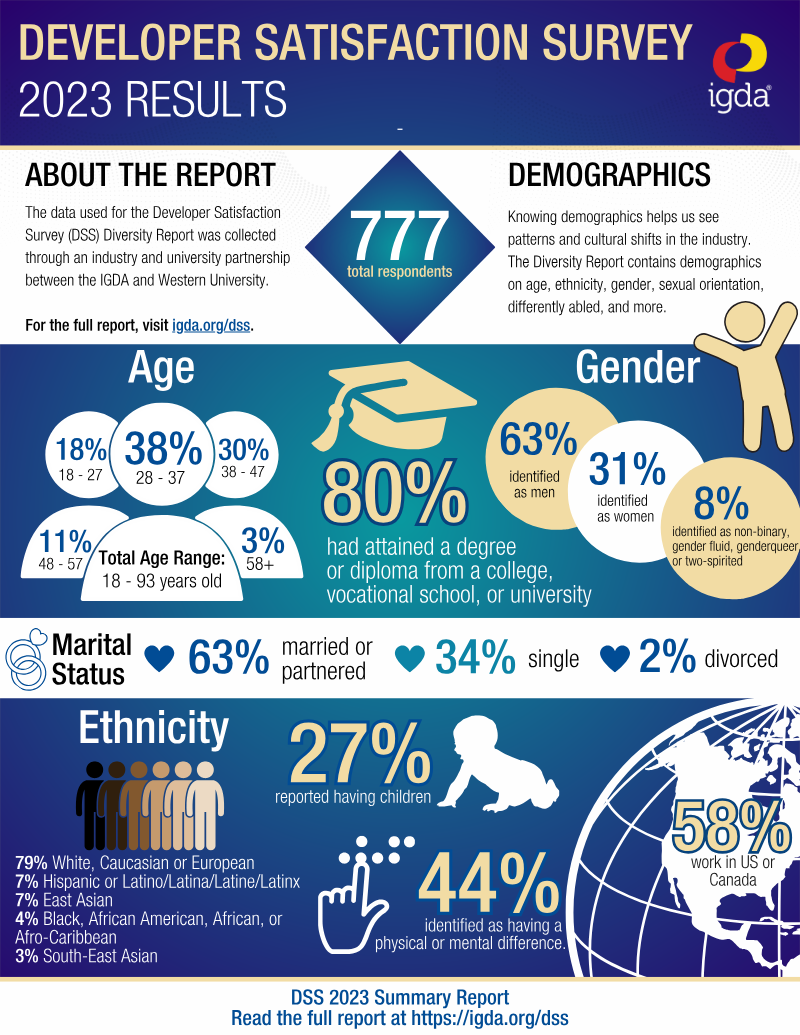
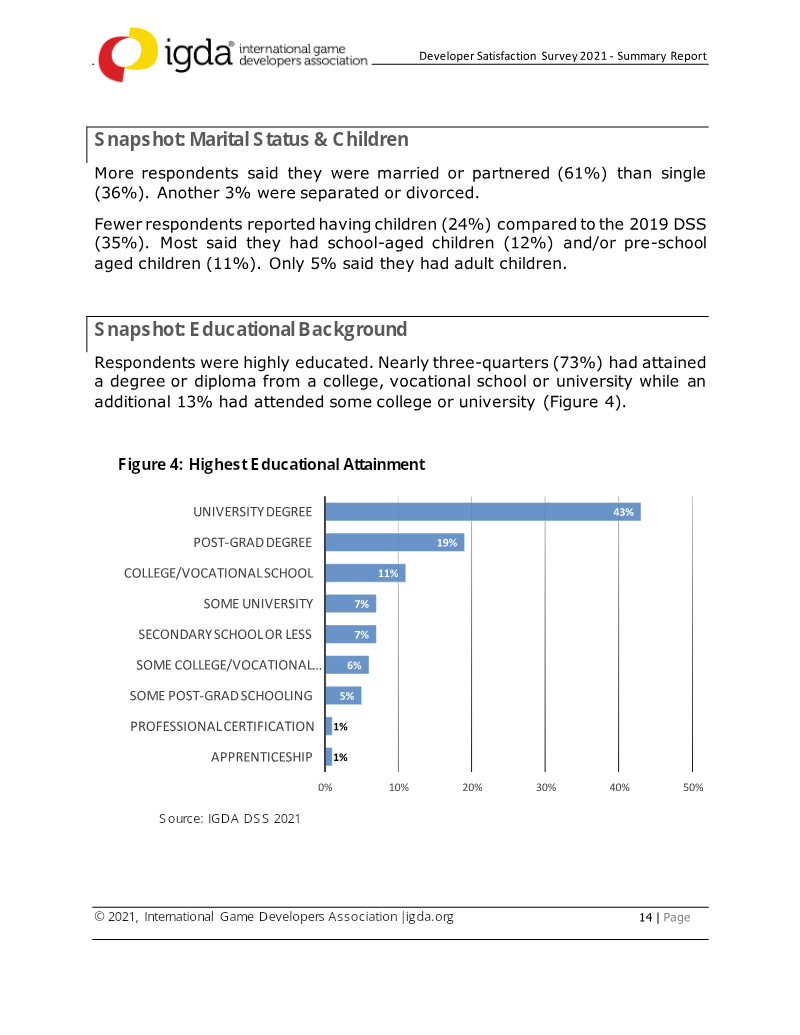
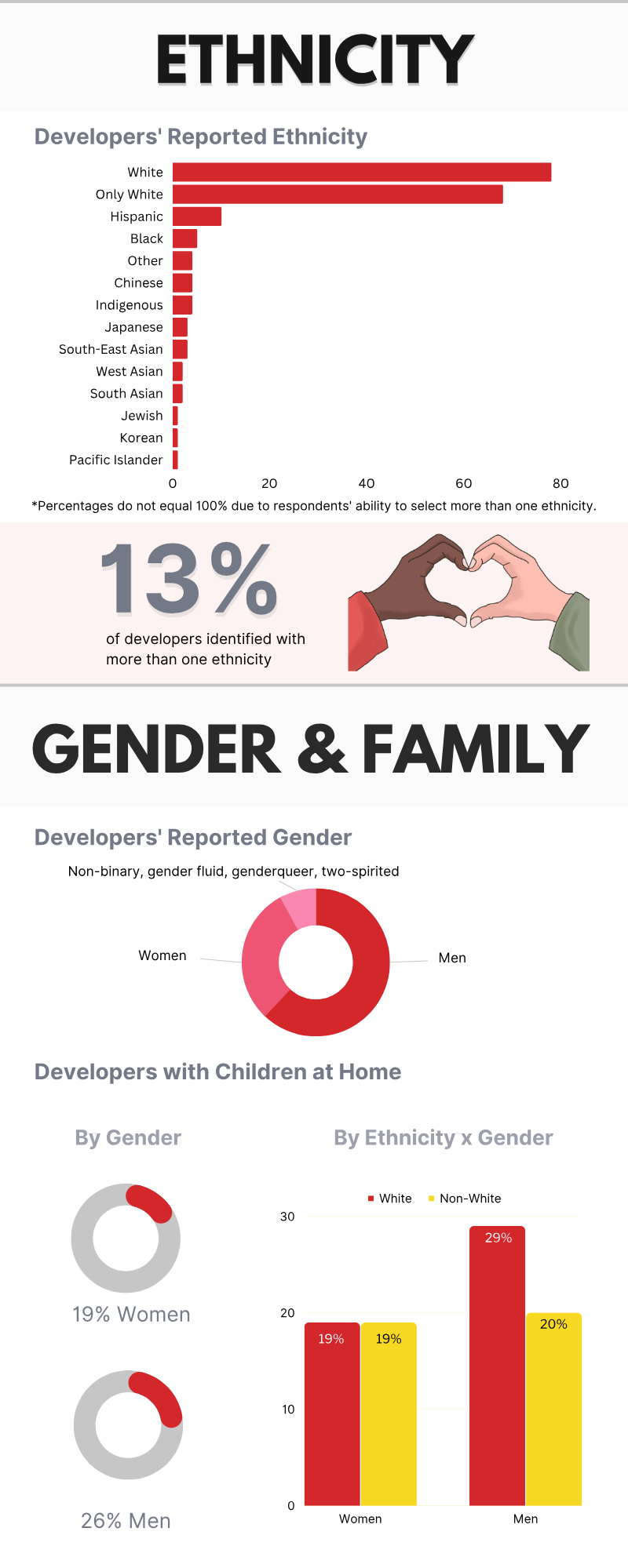
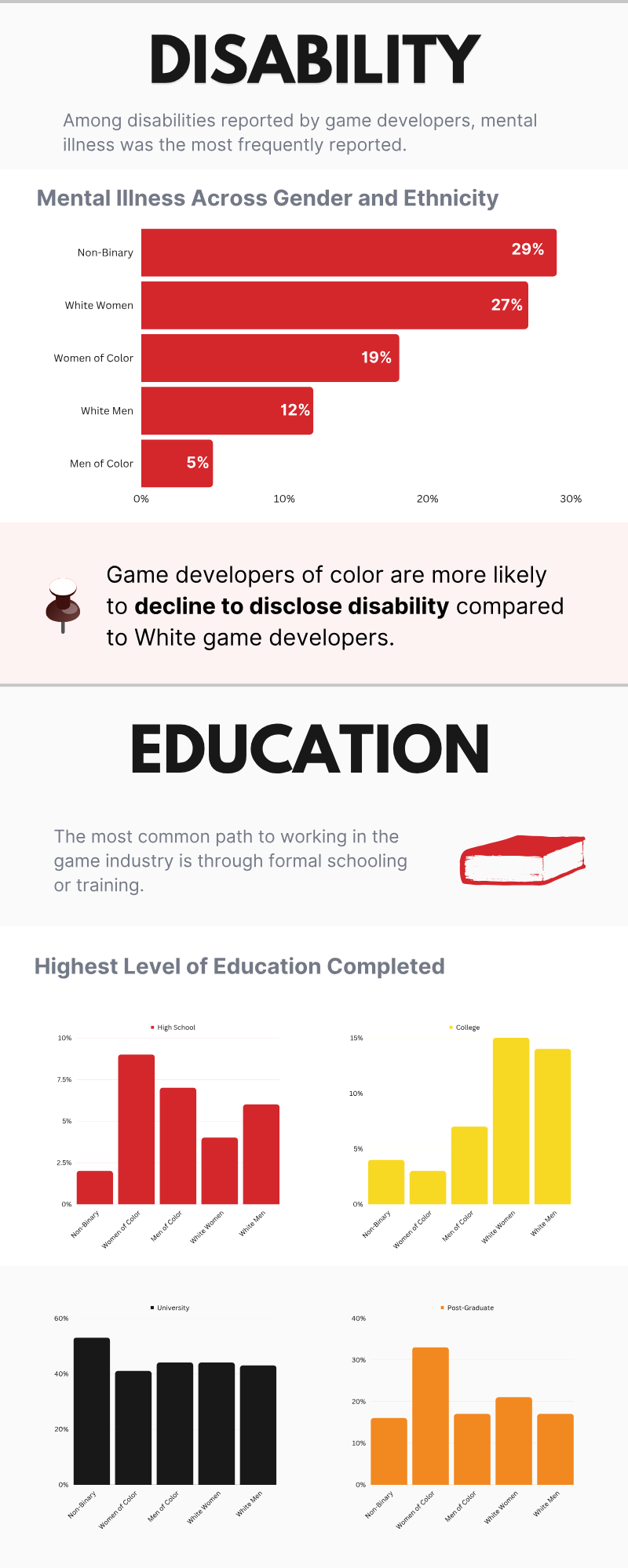
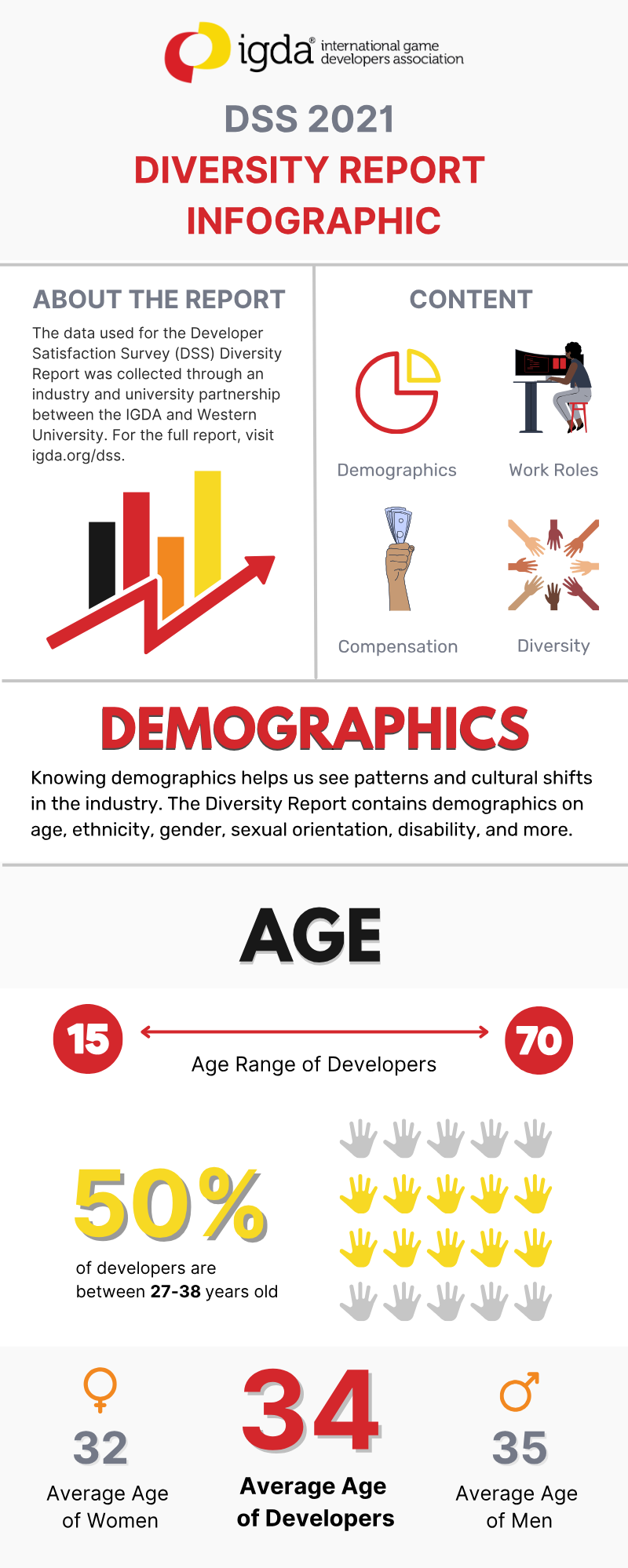
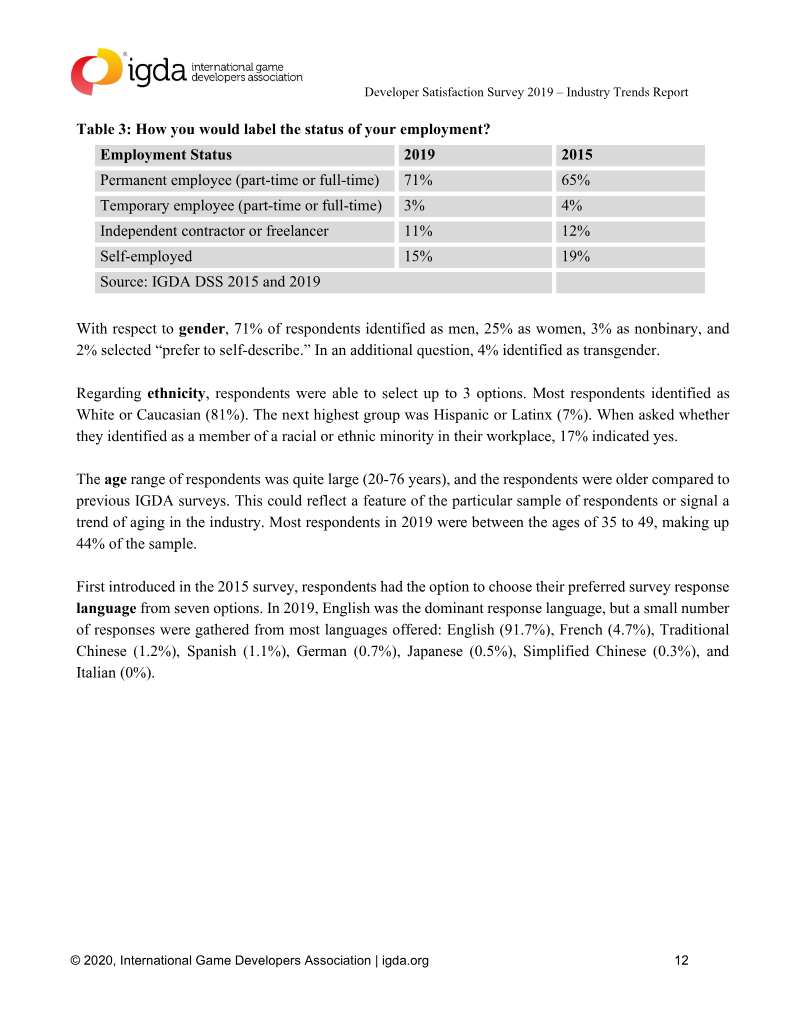
The 2023 Developer Satisfaction Survey provides a comprehensive demographic and professional profile of the global game development workforce. The data, gathered through a partnership between the International Game Developers Association and Western University, captures a broad age range from 18 to 93. The industry remains predominantly male, with 63 percent of respondents identifying as men, 31 percent as women, and 8 percent as non-binary or two-spirited. Ethnically, the workforce is largely white at 79 percent, with smaller representations from Hispanic, East Asian, Black, and South-East Asian communities. A significant majority of the workforce, 80 percent, holds a degree from a college, university, or vocational school.
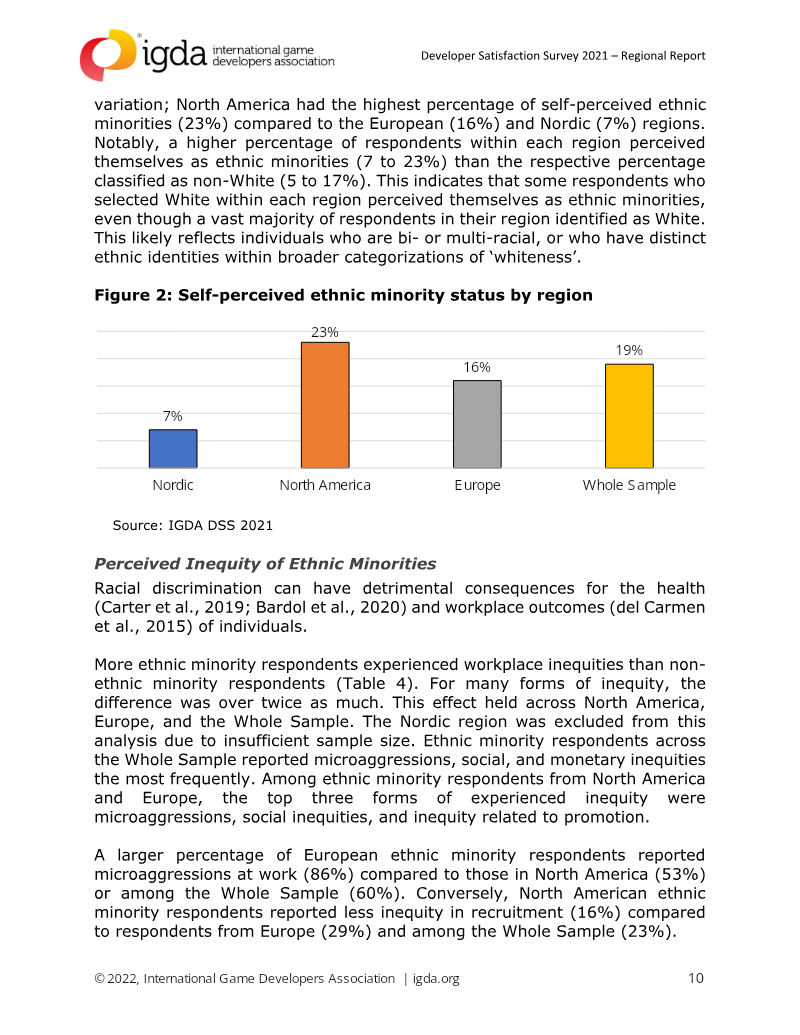
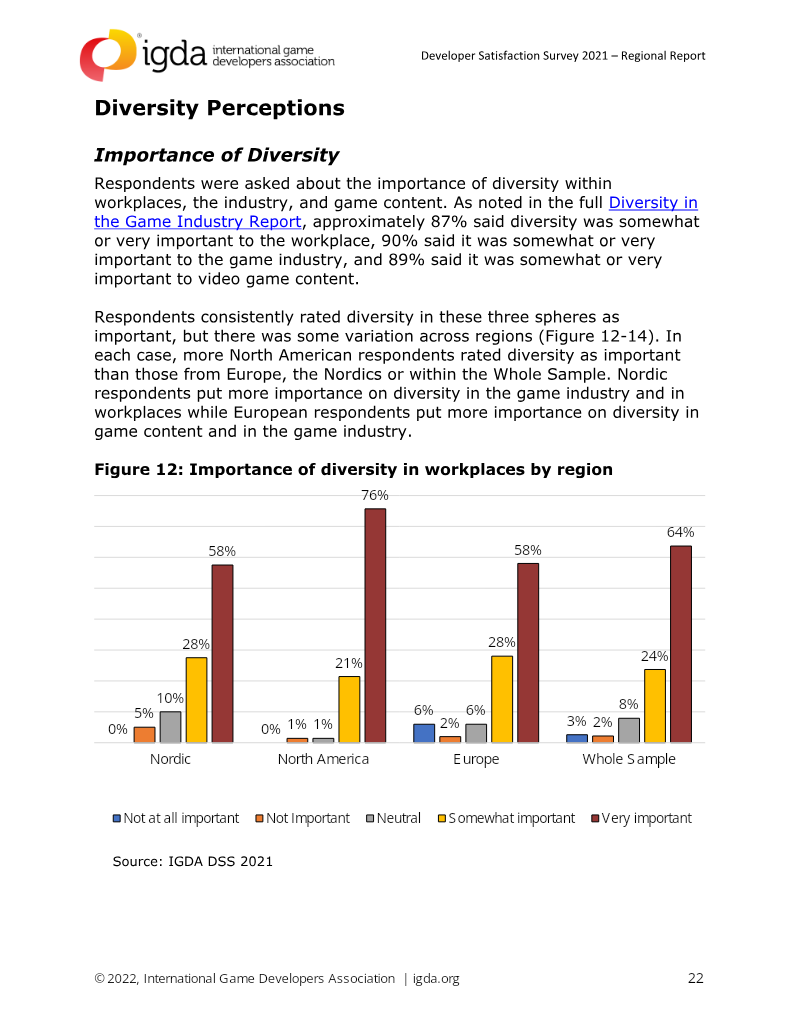
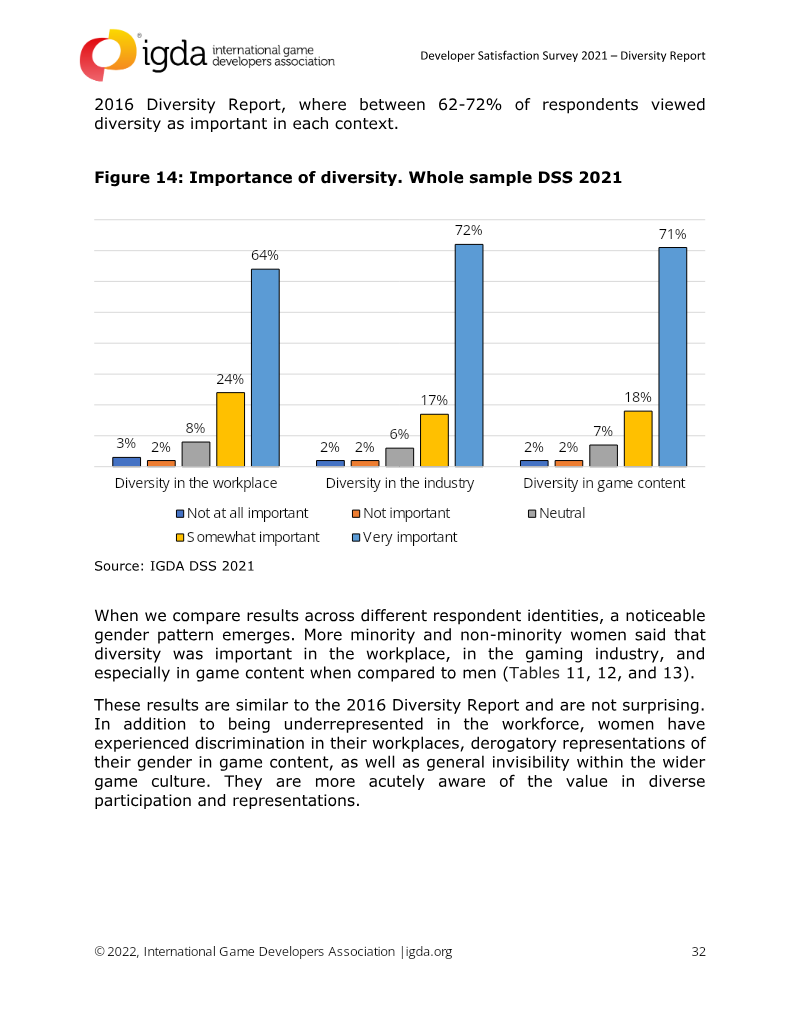
Professional sentiment regarding equity, diversity, and inclusion remains mixed. While a strong majority of developers believe that diversity within the industry, company culture, and game content is important, only 28 percent feel that the industry has become more diverse over the past two years. Furthermore, workplace infrastructure for these initiatives is inconsistent; 28 percent of respondents report that their employers have no formal equity, diversity, and inclusion programs. Even where policies exist, only 43 percent of employees believe they are adequately enforced, and just 38 percent of workplaces maintain a formal complaint procedure.
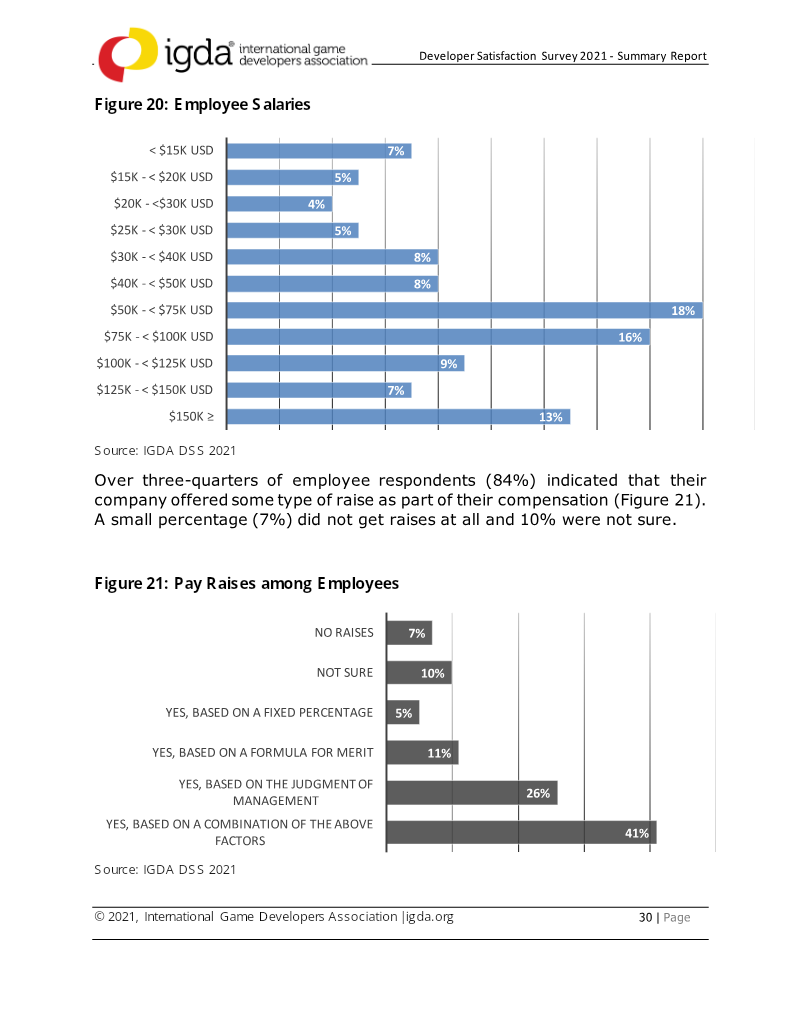
Economic stability and labor practices present significant challenges for the sector. The industry experienced substantial volatility in 2023, with 10,500 game makers losing their jobs due to layoffs. While 88 percent of respondents rely on the game industry for their total income, job security is tempered by persistent labor demands, as 28 percent of developers report experiencing crunch time. Despite these pressures, 80 percent of employees indicate that their companies offer some form of salary increase as part of their compensation packages, and 71 percent express confidence that their contributions will be formally recognized in game credits.
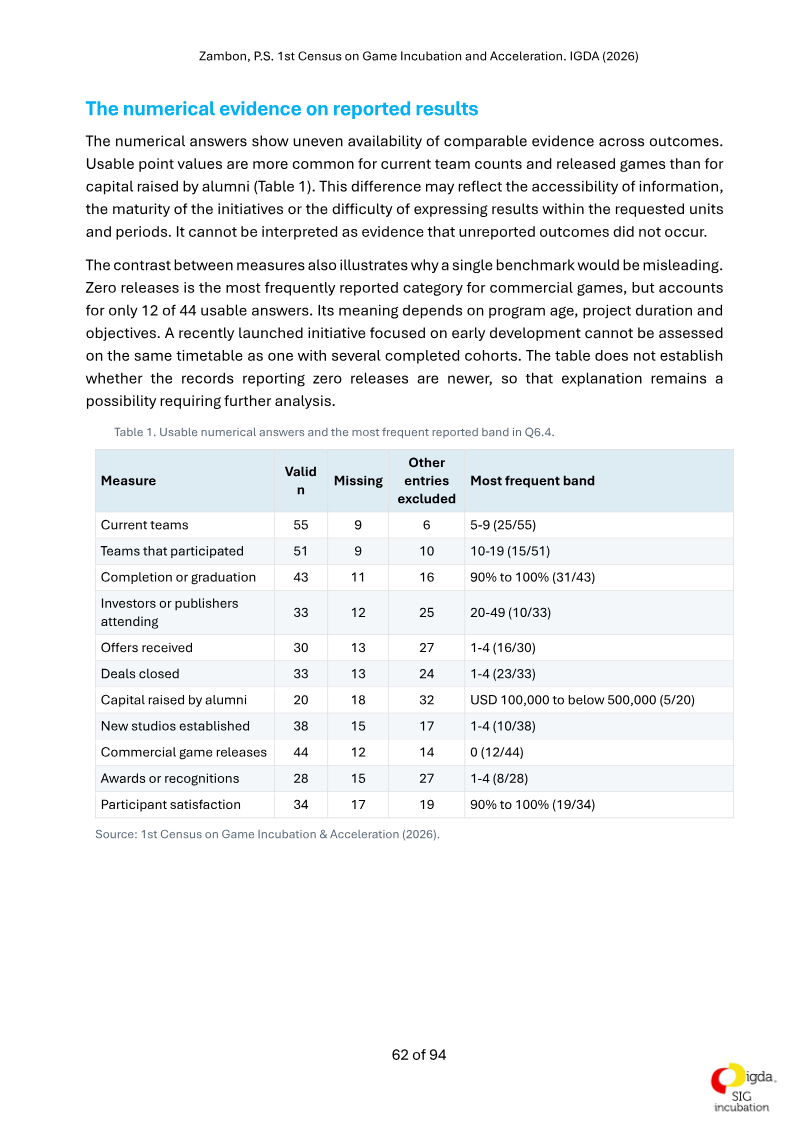
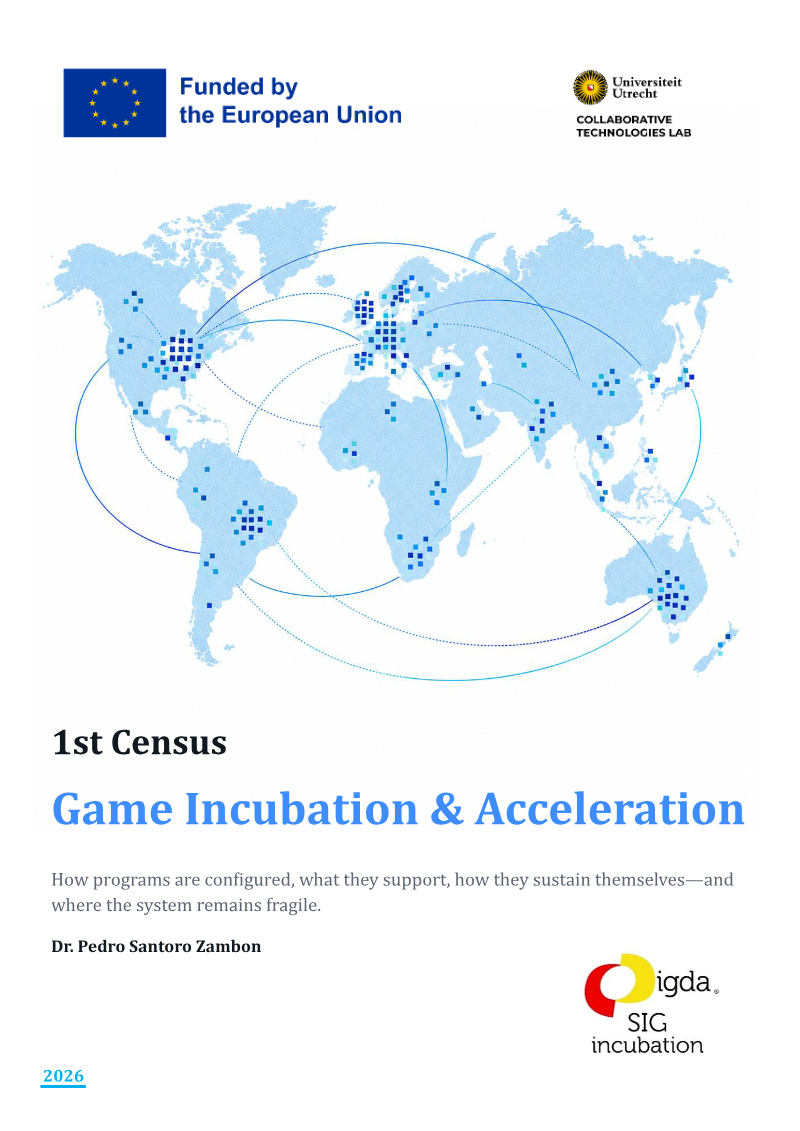
International Game Developers’ Association · 2026


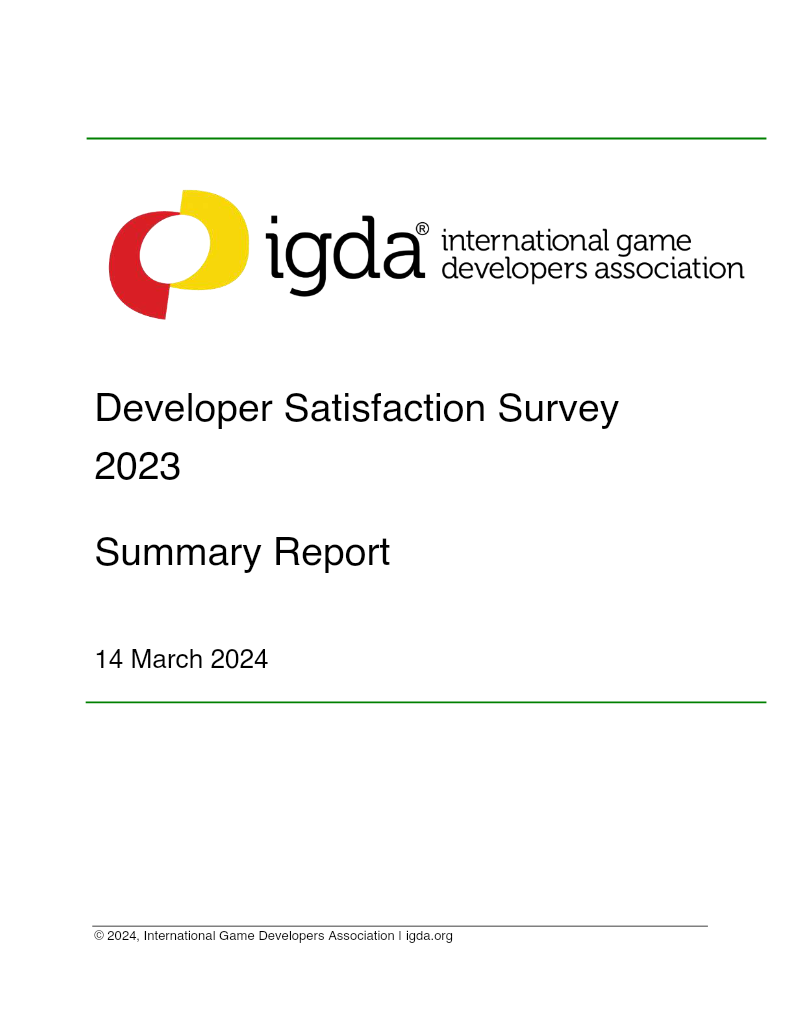
International Game Developers' Association · 2024
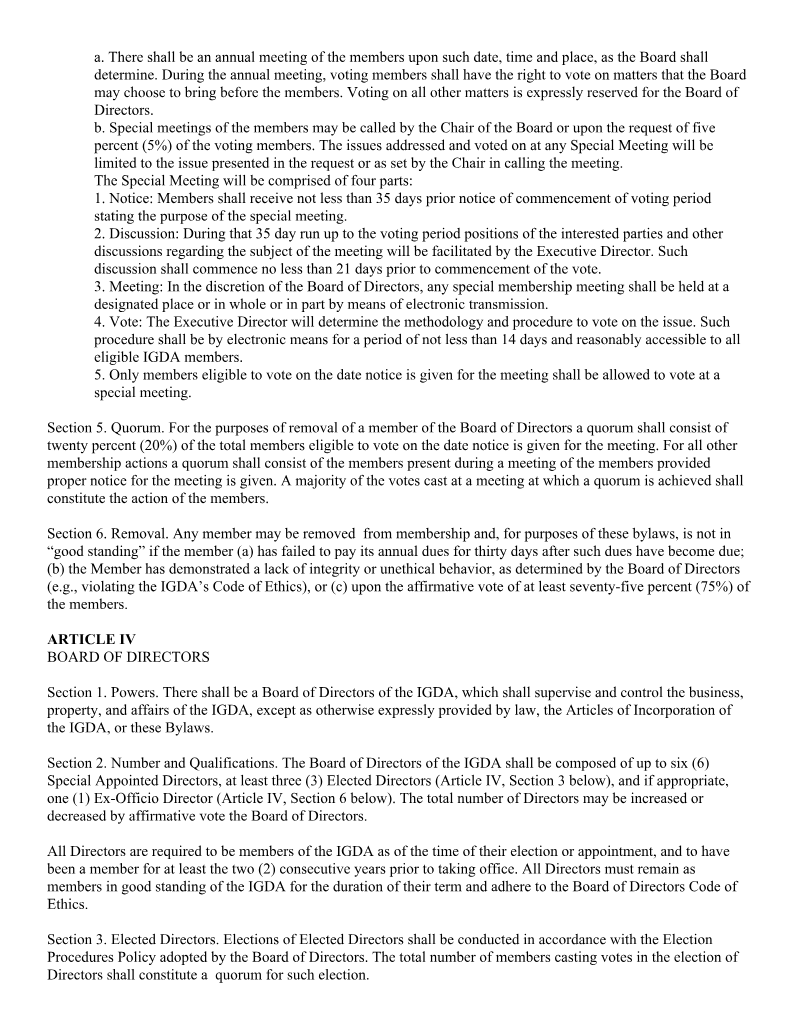
International Game Developers’ Association · 2023
International Game Developers’ Association · 2022
International Game Developers’ Association · 2022
International Game Developers’ Association · 2021
International Game Developers’ Association · 2021
International Game Developers’ Association · 2020

International Game Developers’ Association · 2020

International Game Developers’ Association · 2016

International Game Developers’ Association · 2016
International Game Developers’ Association · 2015
Develop:Brighton · 2025