1 free read left. Create a free account for unlimited reading + AI research.
Create free accountWhitepaper Bina Nusantara University
1 free read left. Create a free account for unlimited reading + AI research.
Create free accountWhitepaperBina Nusantara University
The PC game Boma Naraka Sura raised over $28,000 by combining traditional Indonesian wayang folklore with manga-inspired visuals.
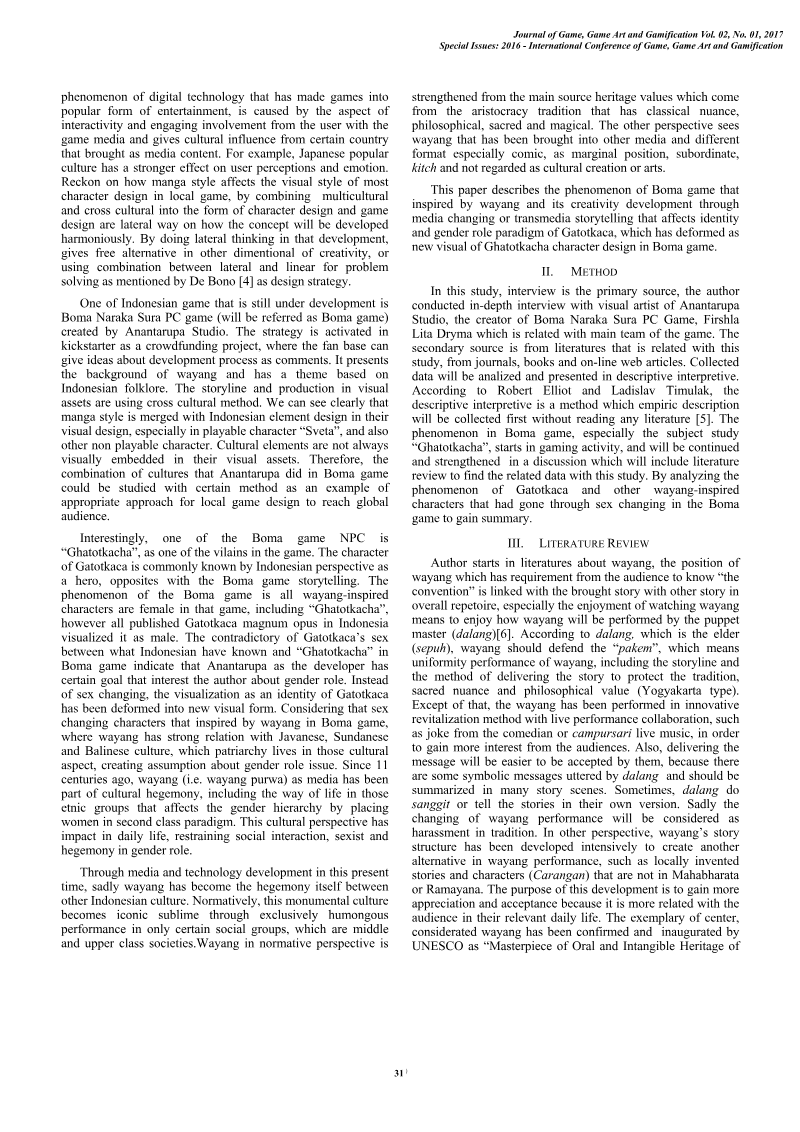
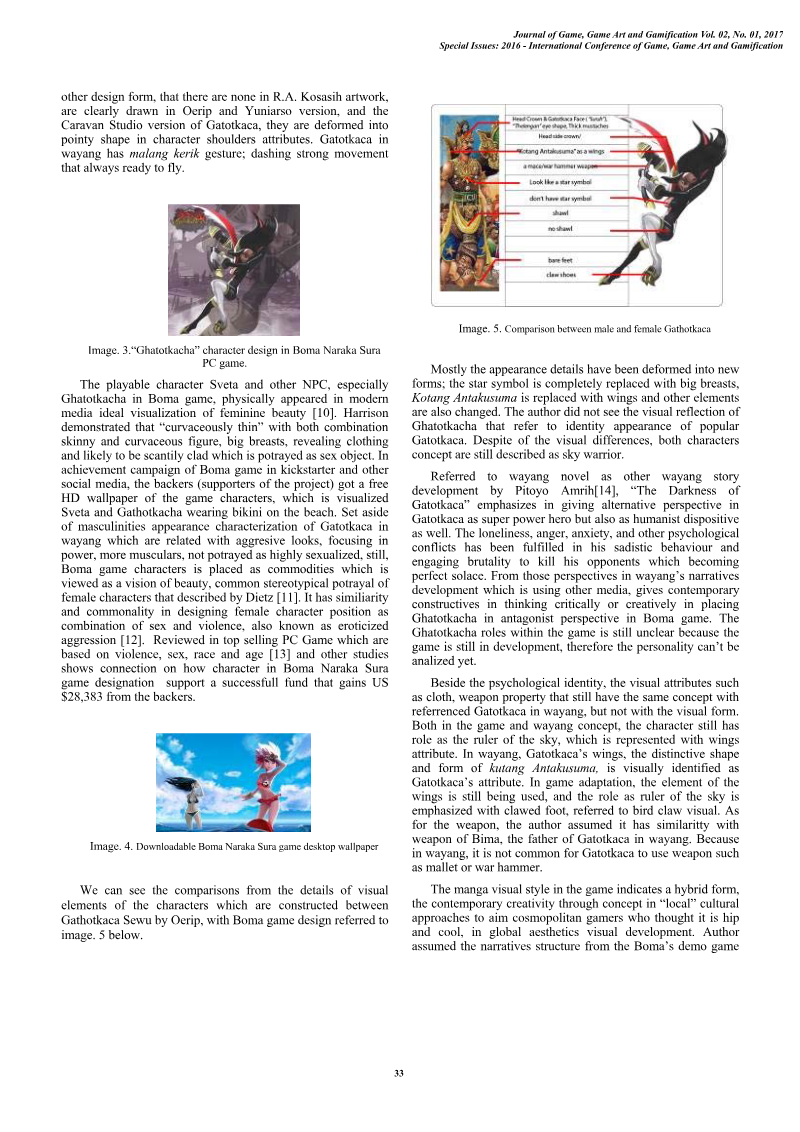
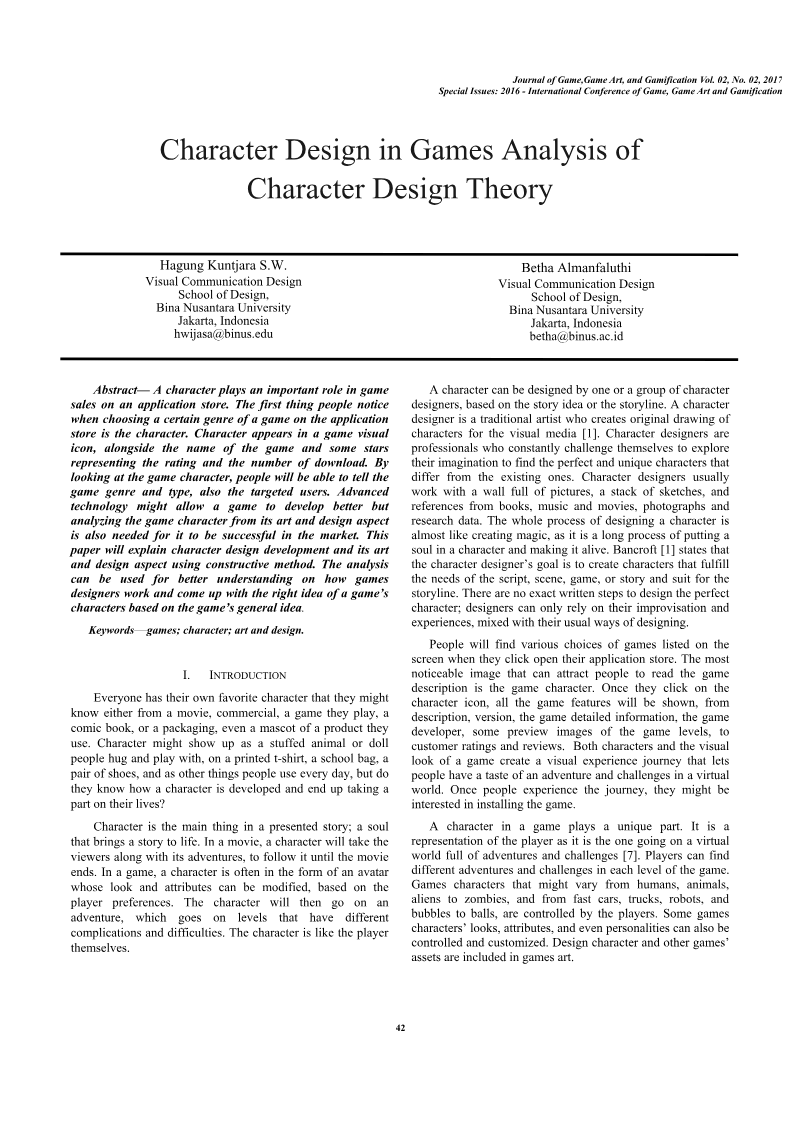
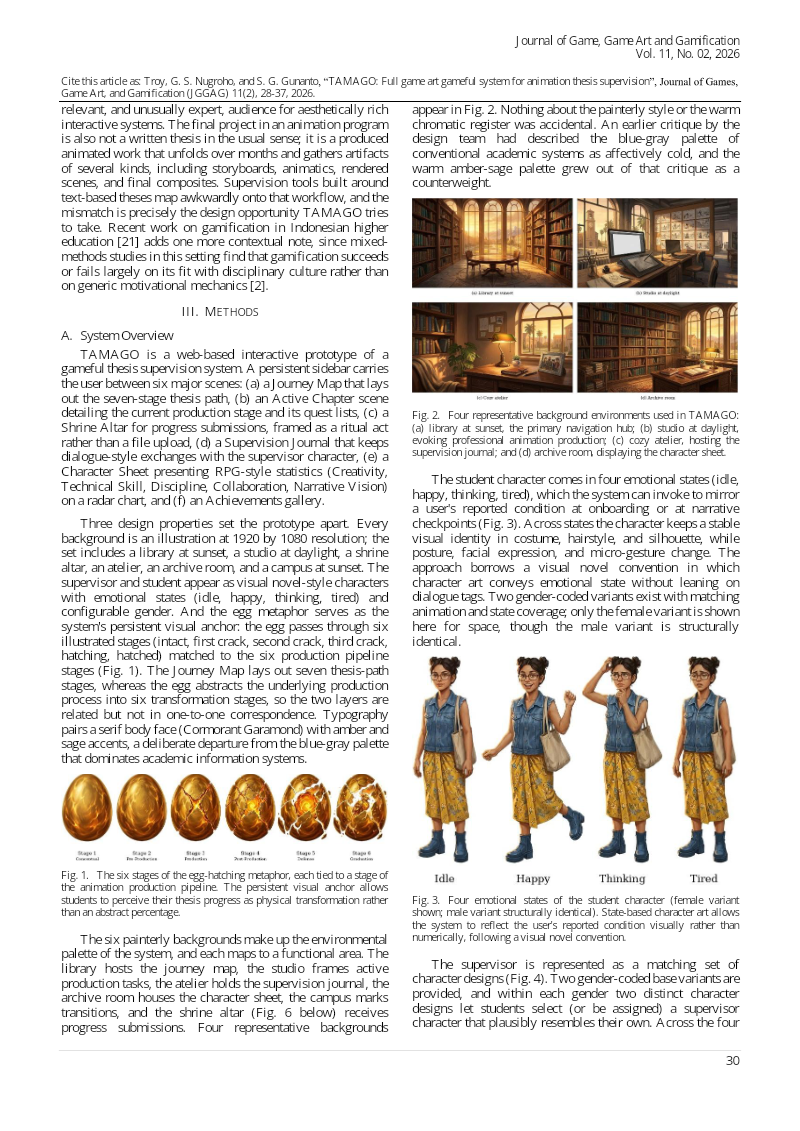
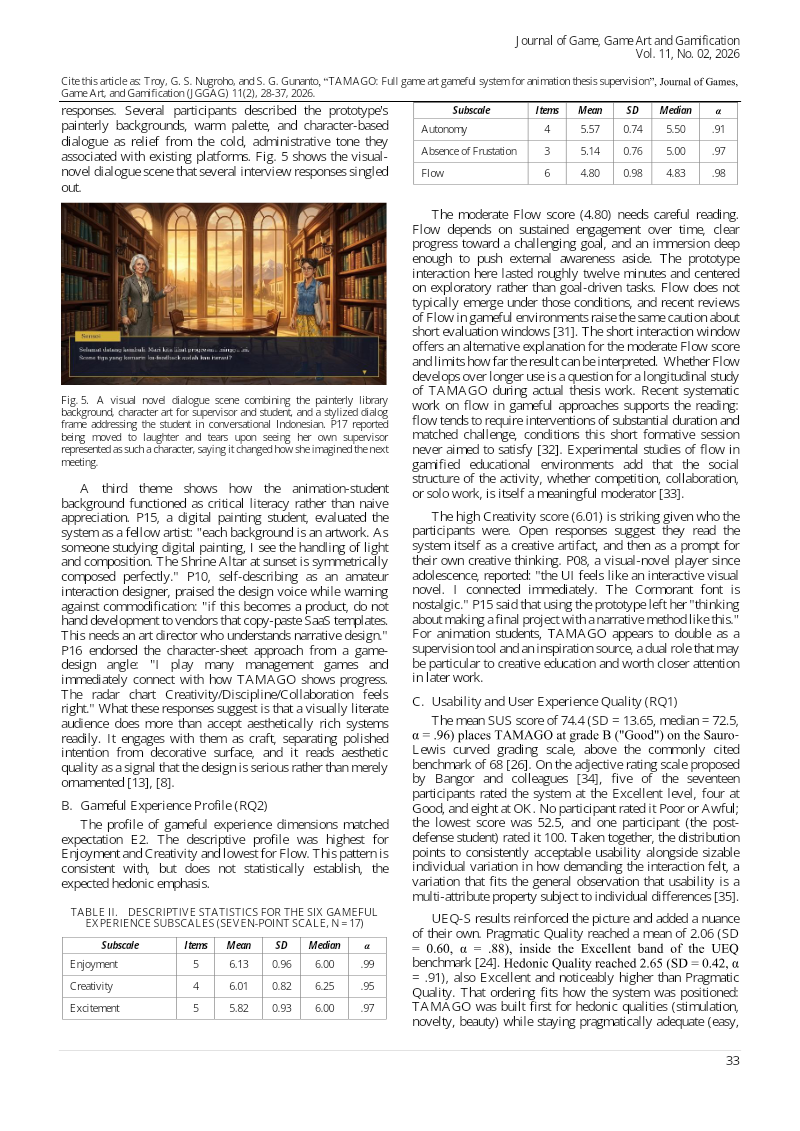
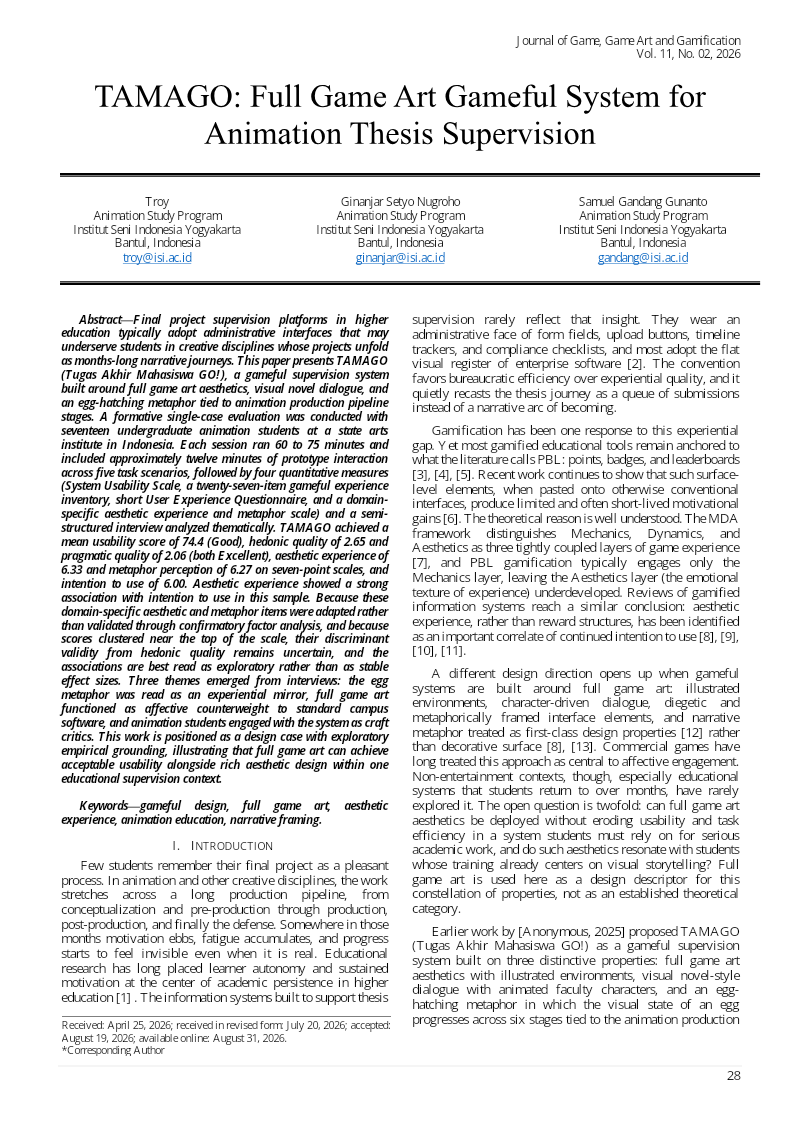
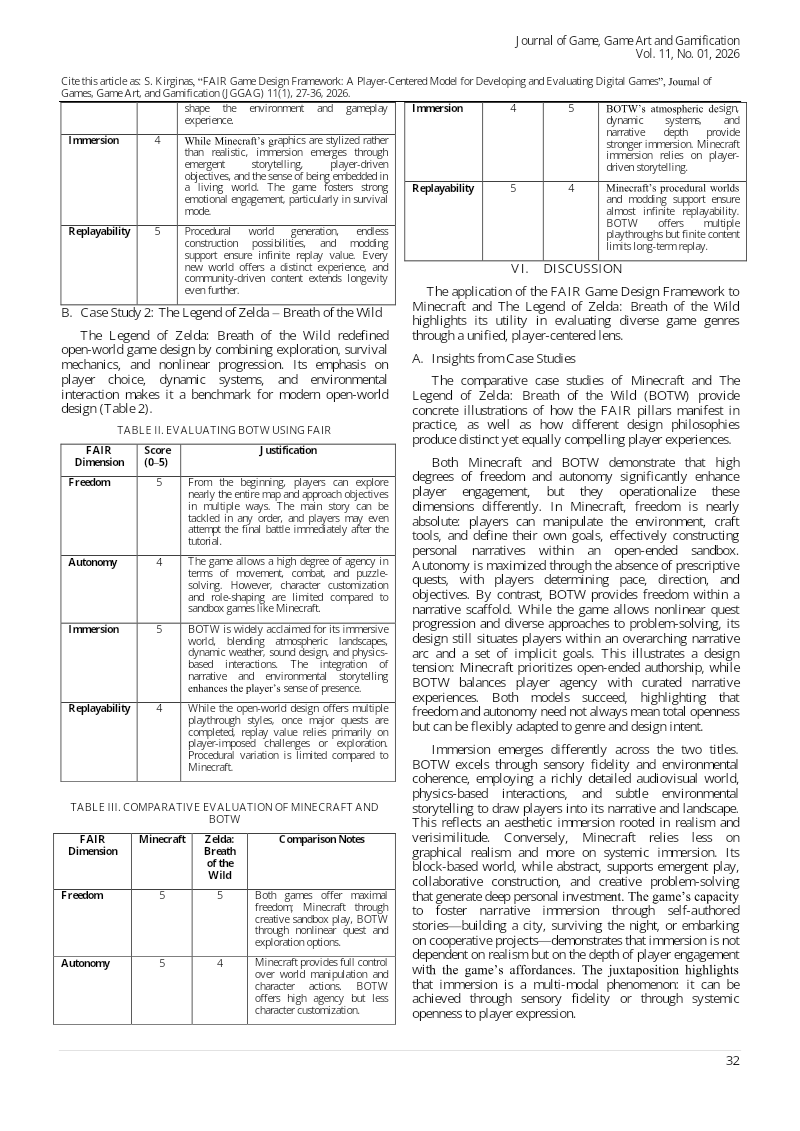
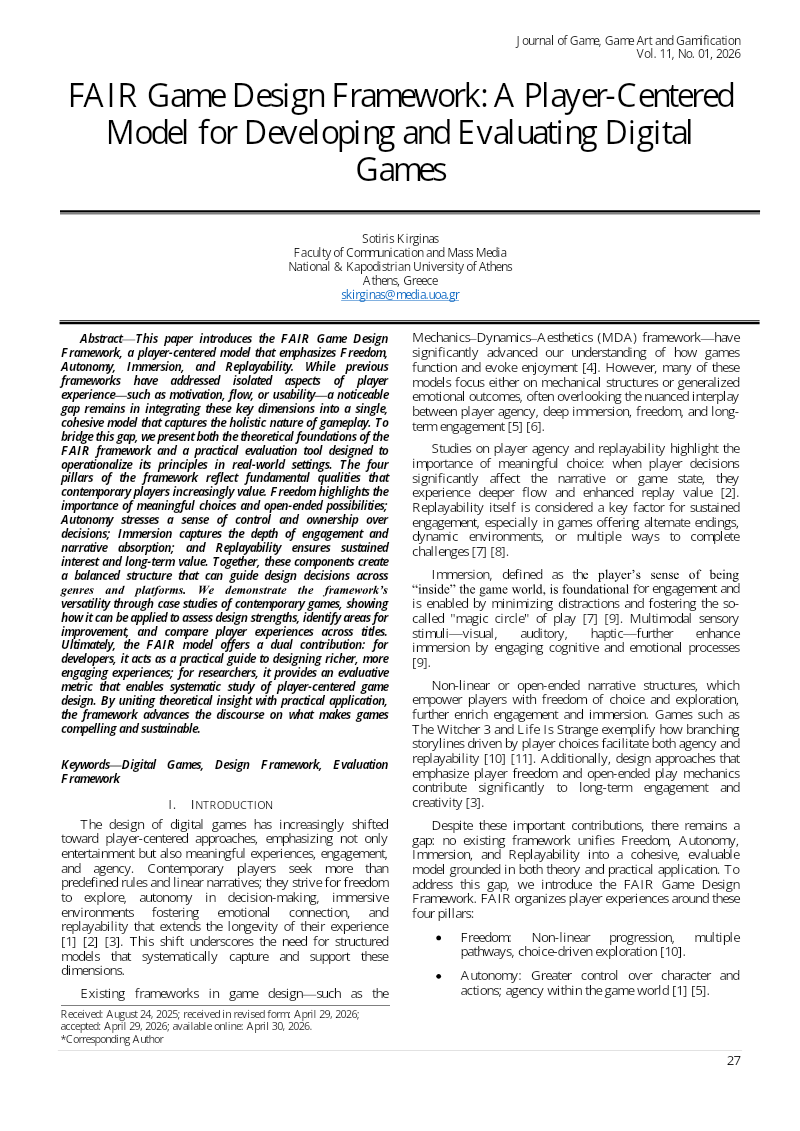
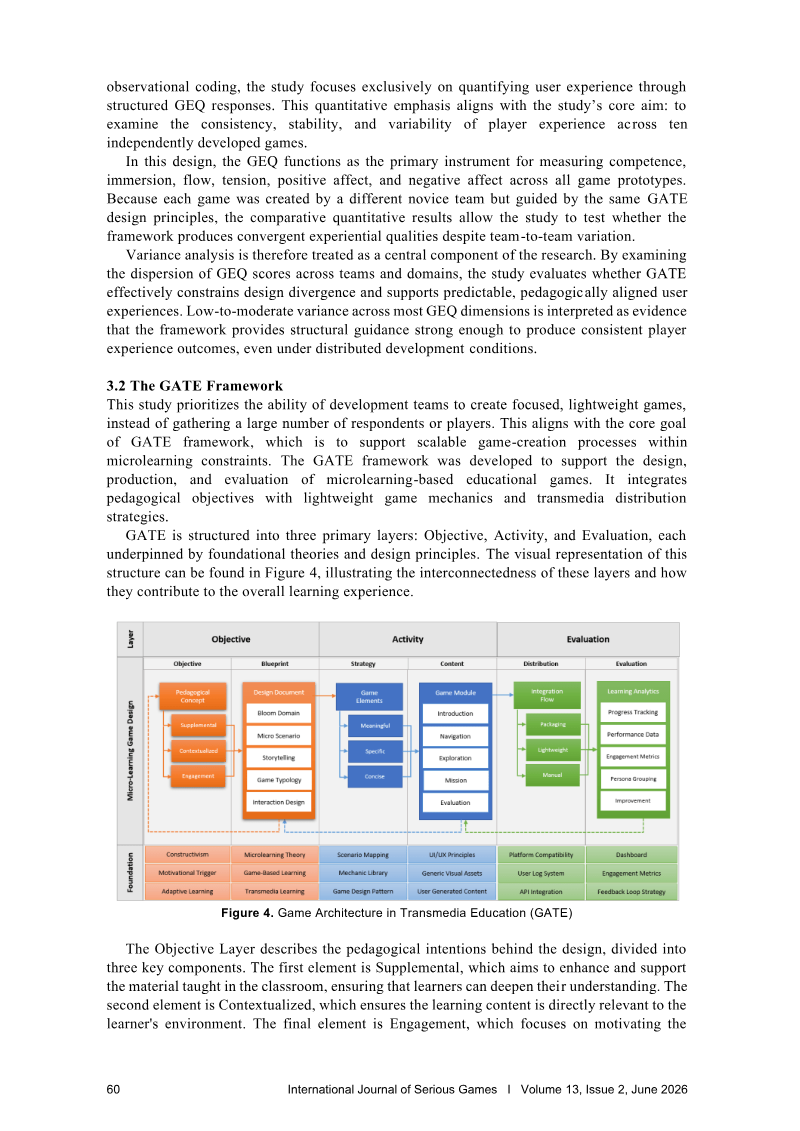
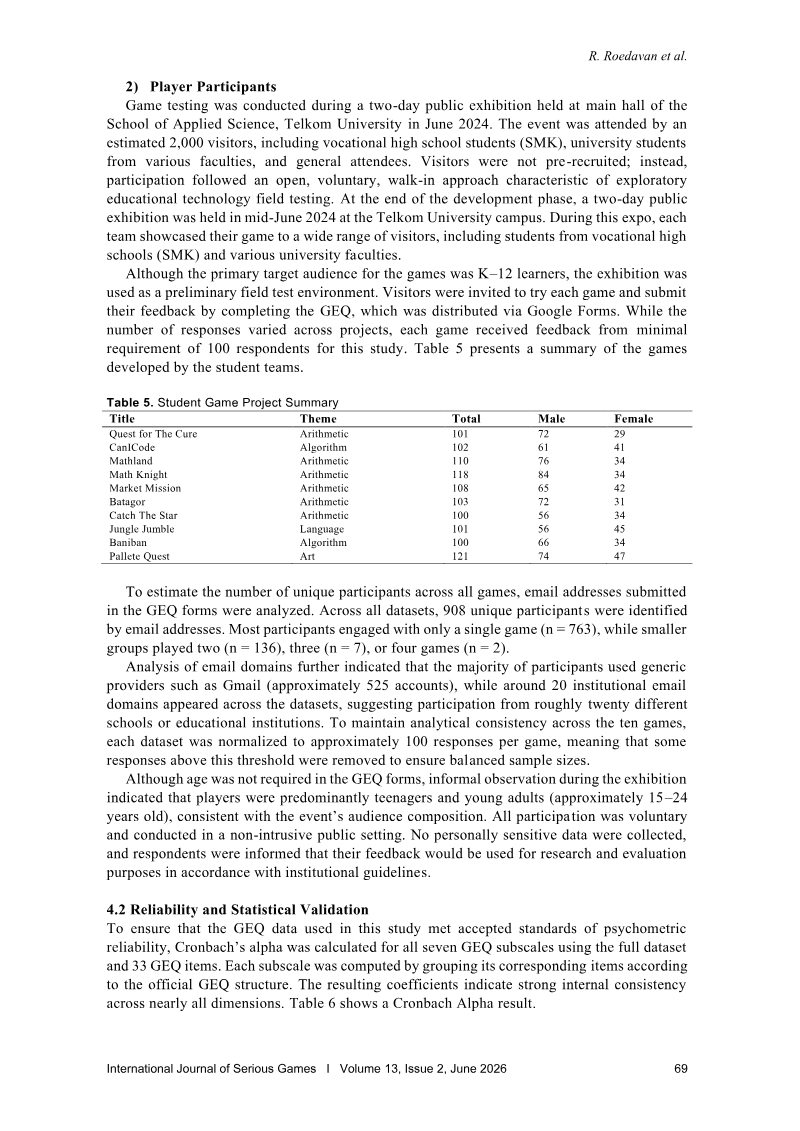
This research examines the evolution of the legendary Indonesian wayang character Gatotkaca within the context of contemporary game design, specifically focusing on the PC game Boma Naraka Sura developed by Anantarupa Studio. The study explores how traditional cultural icons are adapted through transmedia storytelling and how these adaptations influence perceptions of identity, gender roles, and national representation in the Indonesian game industry. By analyzing the character’s transition from a sacred, masculine figure in traditional wayang to a reimagined, female-coded character in a digital gaming environment, the research highlights the tension between preserving cultural heritage and adopting global aesthetic trends.
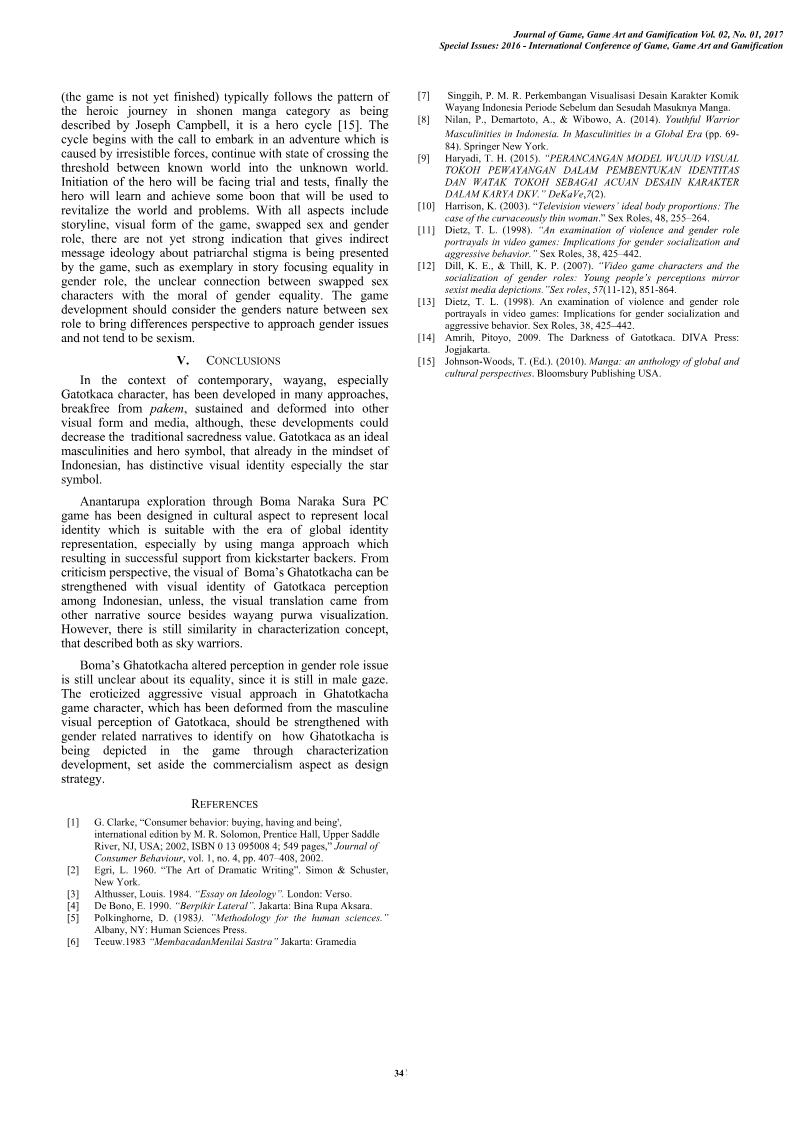
The methodology employs a descriptive interpretive approach, utilizing in-depth interviews with the game’s visual artists alongside a review of relevant literature on wayang, character design, and gender representation. The study notes that the game successfully utilized a crowdfunding model, raising over $28,000, which suggests that blending local folklore with manga-inspired visual styles appeals to a cosmopolitan audience. However, the findings indicate that the character’s redesign—which features highly sexualized, "curvaceously thin" feminine traits—often relies on stereotypical tropes rather than meaningful subversions of patriarchal norms.
The analysis concludes that while the developer’s attempt to break free from traditional constraints is a creative strategy for global marketability, the current implementation lacks a clear narrative justification for its gender-swapped characterization. The study suggests that for local game developers to effectively represent Indonesian identity, they must balance commercial design strategies with a deeper, more critical engagement with gender-related narratives. Ultimately, the research emphasizes that while visual deformation of traditional icons is inevitable in modern media, such changes should be grounded in thoughtful characterization to avoid reducing cultural symbols to mere commodities.
Bina Nusantara University · 2026
Bina Nusantara University · 2025
Bina Nusantara University · 2024
Bina Nusantara University · 2023
Bina Nusantara University · 2023
Bina Nusantara University · 2021
Bina Nusantara University · 2021
Bina Nusantara University · 2021
Bina Nusantara University · 2021
Bina Nusantara University · 2021
Bina Nusantara University · 2021
Journal of Games, Game Art, and Gamification · 2021
Institut Seni Indonesia Yogyakarta · 2026