1 free read left. Create a free account for unlimited reading + AI research.
Create free accountWhitepaper Bina Nusantara University
1 free read left. Create a free account for unlimited reading + AI research.
Create free accountWhitepaperBina Nusantara University
This study evaluates and compares the user interface efficiency of the Xbox One and Steam Big Picture operating systems, both of which are designed for joystick-based navigation. The primary objective is to determine which platform offers a more streamlined experience for common user tasks, such as playing games, watching movies, listening to music, and browsing the web. By identifying the strengths and weaknesses of each interface, the research aims to provide insights for future joystick-based design improvements.
The methodology employs the Keystroke-Level Model (KLM-GOMS), a predictive human-computer interaction model that calculates the time required for a skilled user to complete specific tasks. The analysis breaks down user actions into physical-motor operators (keystrokes, pointing, homing) and mental acts. The scope of the study covers the standard operating environments of both platforms as of 2018, utilizing the Xbox One standard controller to navigate both systems.
Findings indicate that the Xbox One interface is generally more efficient than Steam Big Picture. The Xbox One benefits from a consistent, tile-based design and effective shortcut methods that allow users to quickly access recently used content. While Steam offers a variety of navigation methods, its average task completion times are higher across most categories, including gaming, media consumption, and music playback. However, the data reveals that without the use of shortcut features, the Xbox One can occasionally be slower for specific tasks compared to Steam. The study concludes that the Xbox One’s design consistency reduces the user learning curve, and recommends that other console manufacturers adopt similar shortcut-based navigation to enhance overall interface performance.
Bina Nusantara University · 2026
Bina Nusantara University · 2025
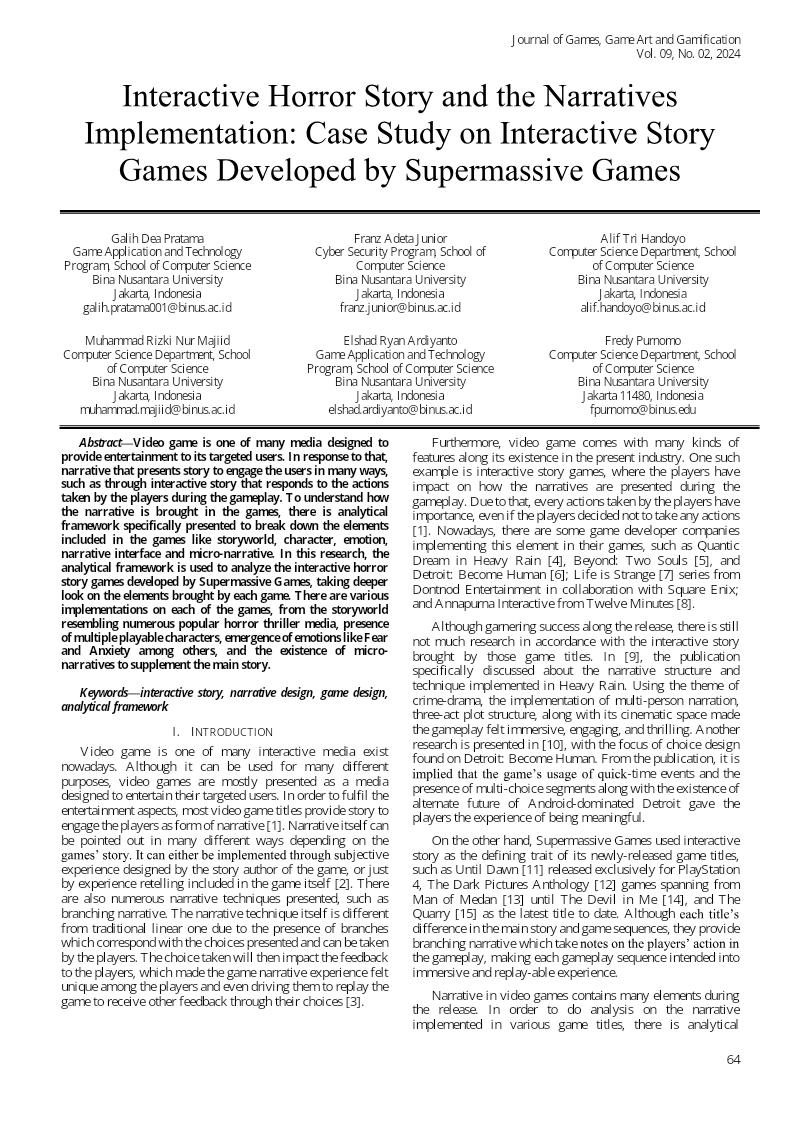
Bina Nusantara University · 2024
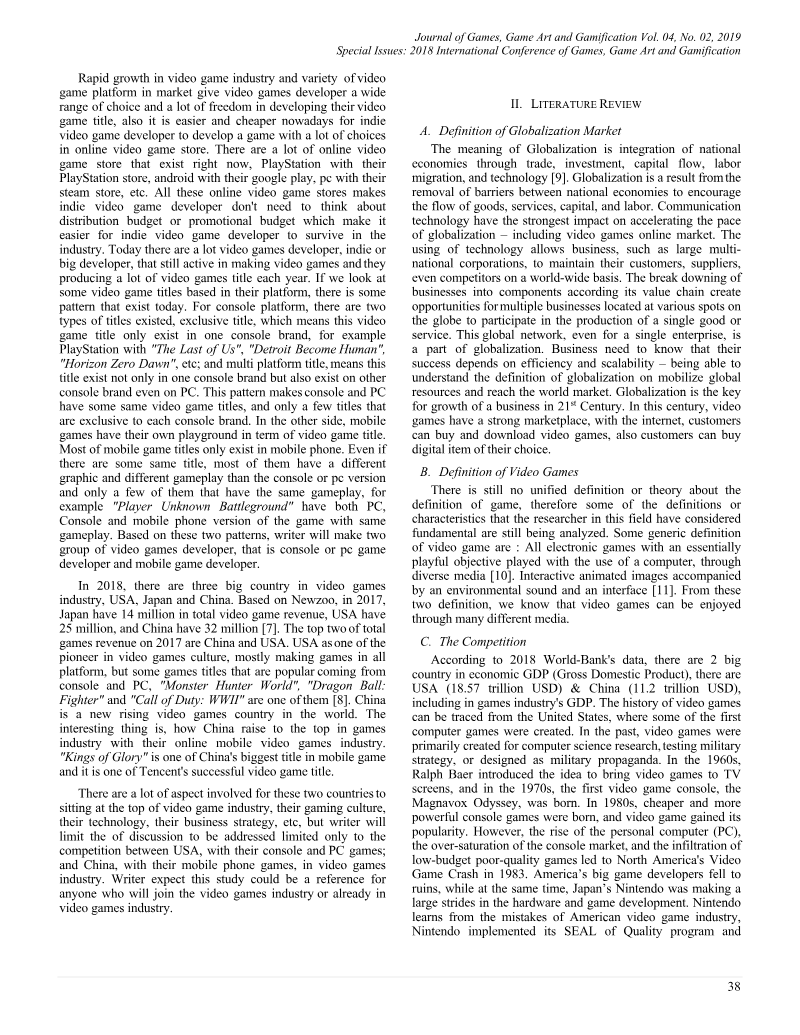
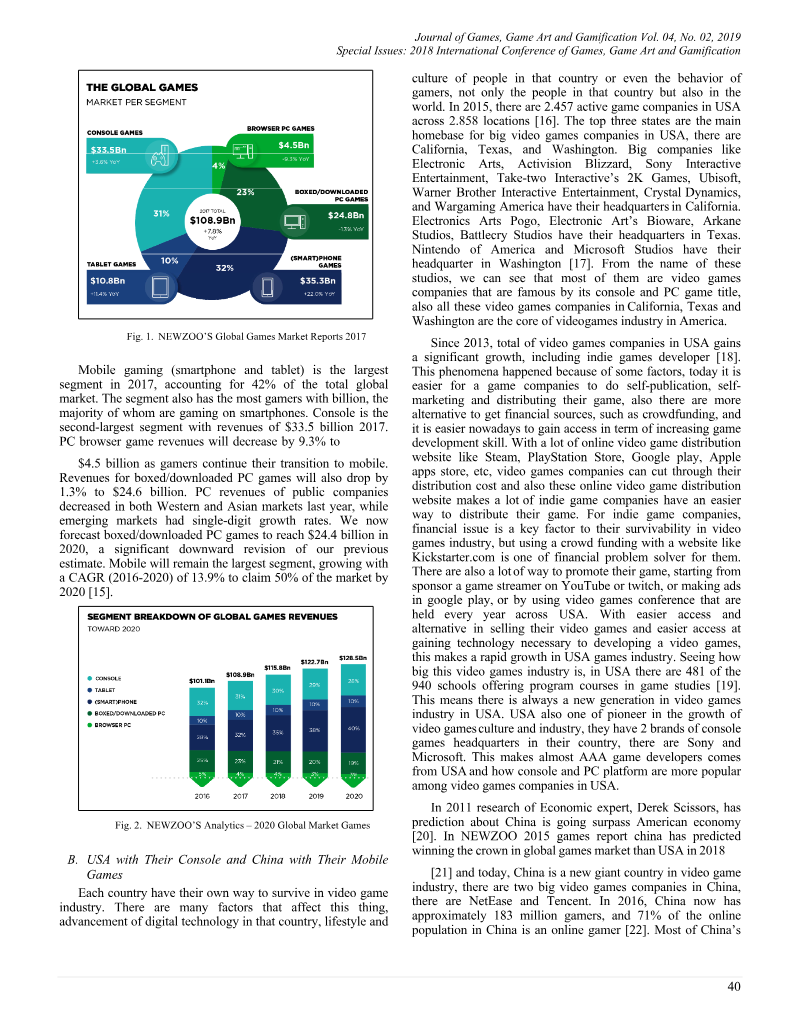
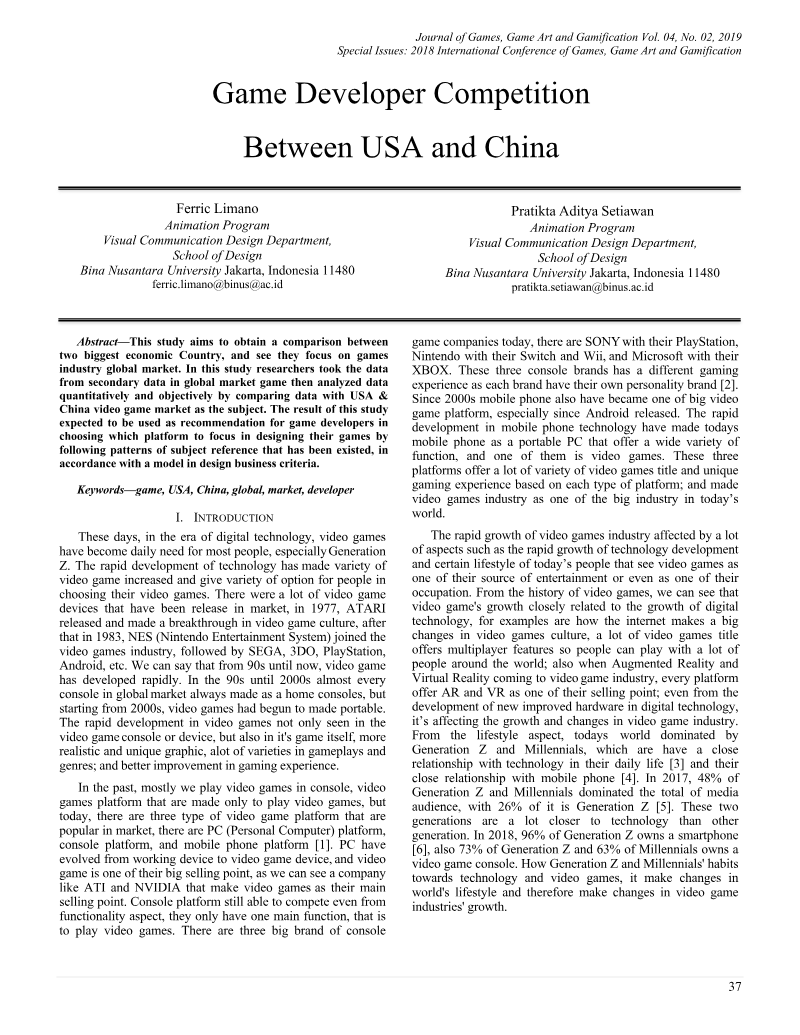
Bina Nusantara University · 2023
Bina Nusantara University · 2023
Bina Nusantara University · 2021
Bina Nusantara University · 2021
Bina Nusantara University · 2021
Bina Nusantara University · 2021
Bina Nusantara University · 2021
Journal of Games, Game Art, and Gamification · 2021
Bina Nusantara University · 2021
Two & a Half Gamers · 2026