1 free read left. Create a free account for unlimited reading + AI research.
Create free accountWhitepaper Bina Nusantara University
1 free read left. Create a free account for unlimited reading + AI research.
Create free accountWhitepaperBina Nusantara University
Effective UI/UX design in parking applications is crucial for addressing the challenges of navigating crowded urban environments.
Key Challenge. Effective UI/UX design in parking apps significantly reduces user frustration and time spent locating parking in high-density urban environments like Jakarta.
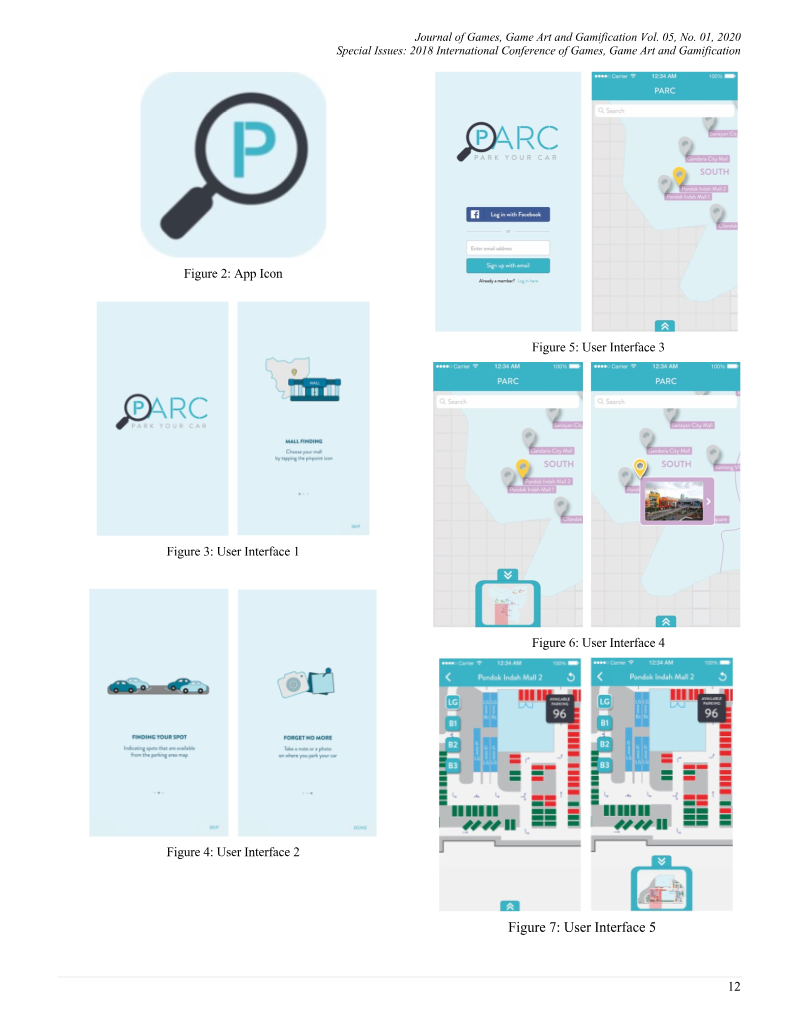
This analysis explores the application of user interface (UI) and user experience (UX) design principles to the development of mobile parking applications, specifically addressing the challenges of navigating crowded urban environments like Jakarta. The core thesis posits that effective interactive design—grounded in human-computer interaction frameworks and cartographic visualization—can significantly reduce the time and frustration associated with locating parking in high-density commercial areas. By shifting the focus from mere interface tools to the broader user experience, developers can create more intuitive, functional, and satisfying digital products.
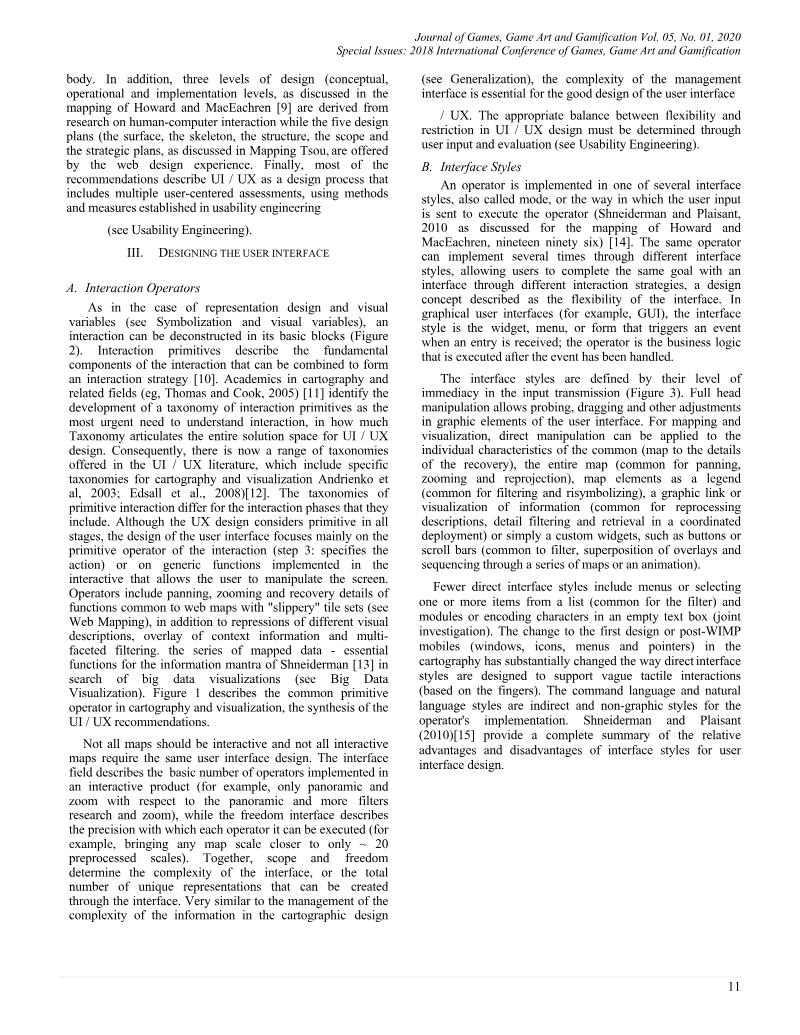
The research utilizes a seven-stage interaction framework, adapted from Norman’s model, to deconstruct the dialogue between the user and the digital map. Key findings emphasize that successful design requires a balance between interface flexibility and complexity, utilizing interaction primitives such as panning, zooming, and filtering to manage geographic data. The study highlights that visual design is not merely aesthetic but serves as a critical component for usability, emotional response, and navigation efficiency. The proposed solution involves a mobile application prototype that provides real-time parking availability and location-tagging features to assist users in large mall environments.
The scope of the work is centered on the geospatial and mobile technology sectors, with a specific focus on urban planning and consumer convenience in Indonesia. The methodology relies on observational research and surveys to identify user pain points, followed by the application of established usability heuristics and design taxonomies. The findings conclude that while the current prototype addresses immediate needs, future iterations should prioritize cross-platform development (iOS and Android), integration with GPS-based precision technologies for underground environments, and potential partnerships with major mall operators to enhance the overall booking and parking ecosystem.
Bina Nusantara University · 2026
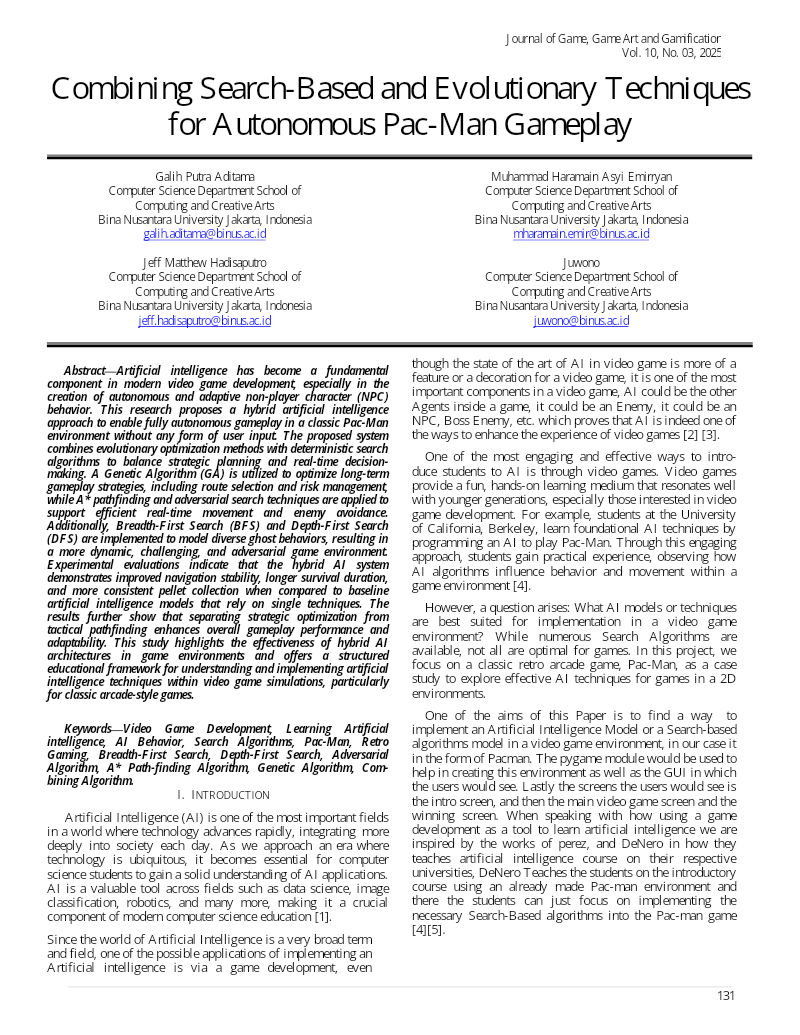
Bina Nusantara University · 2025
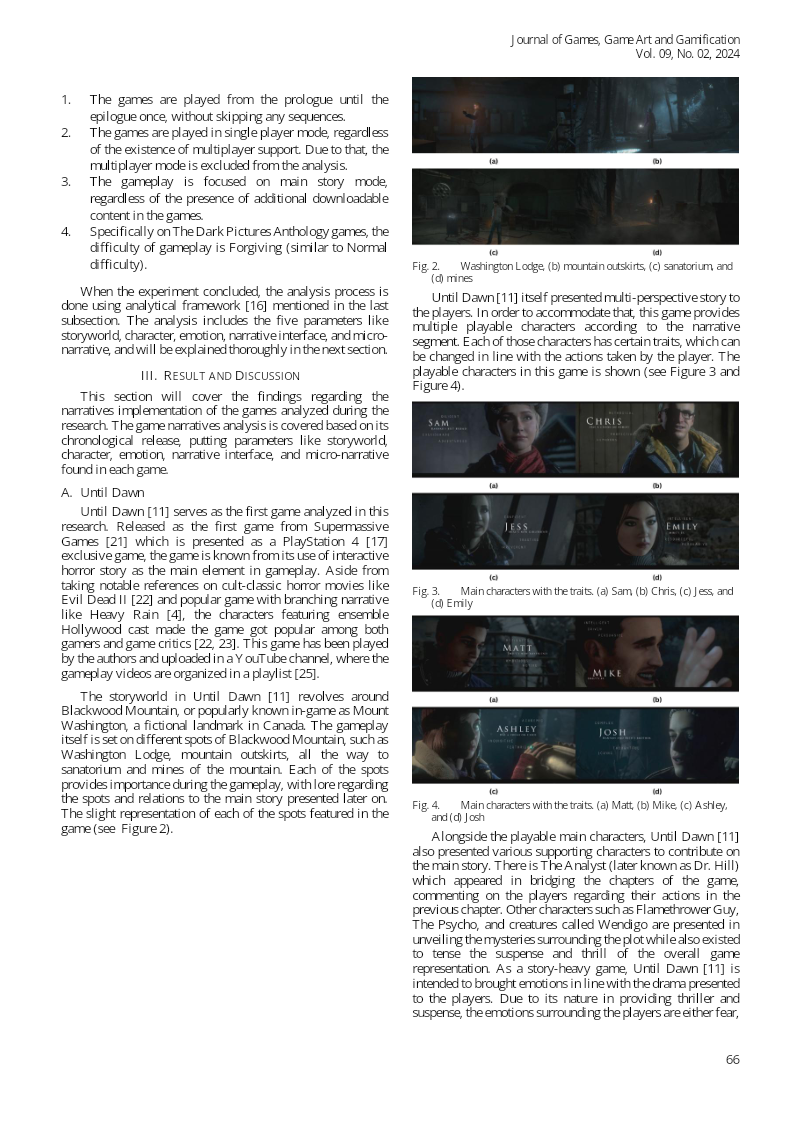
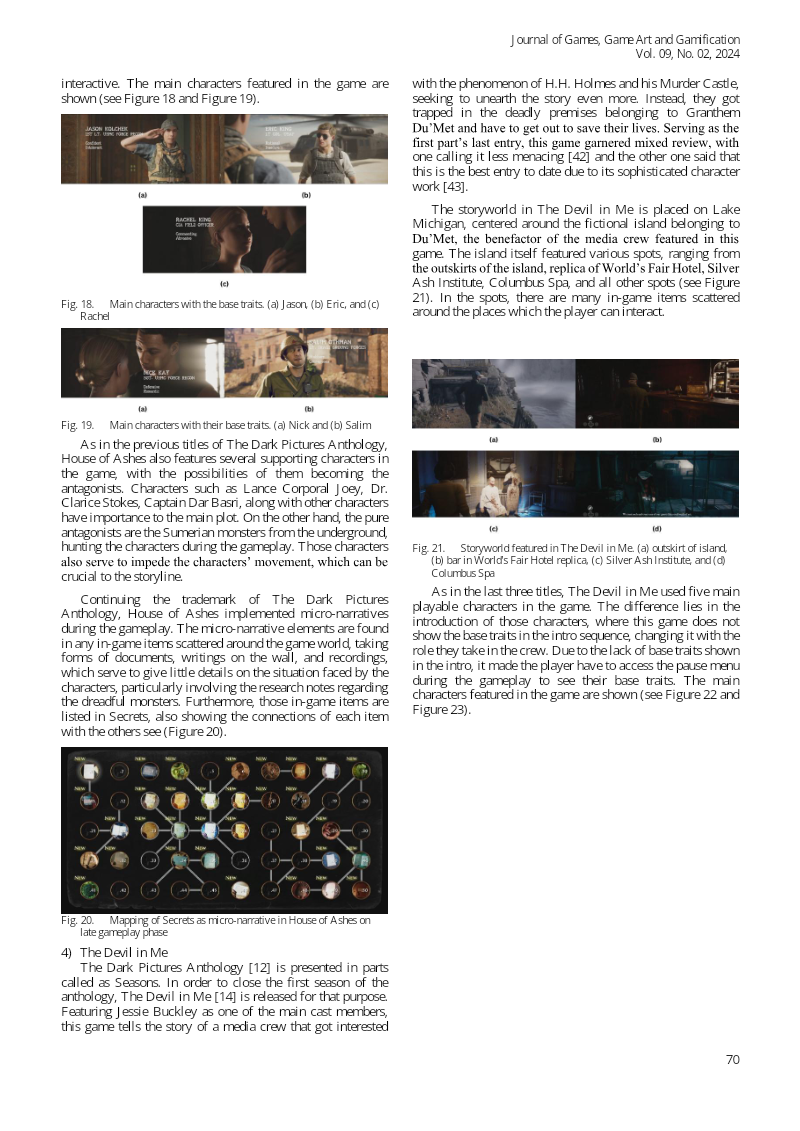
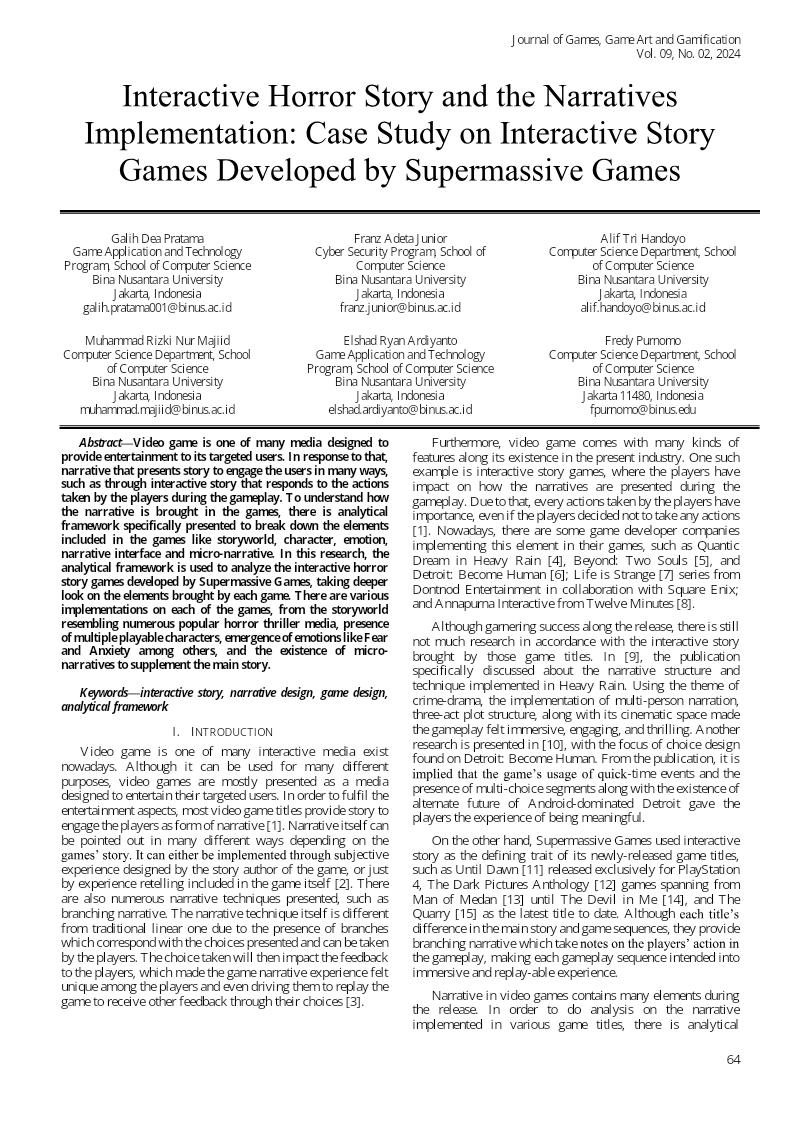
Bina Nusantara University · 2024
Bina Nusantara University · 2023
Bina Nusantara University · 2023
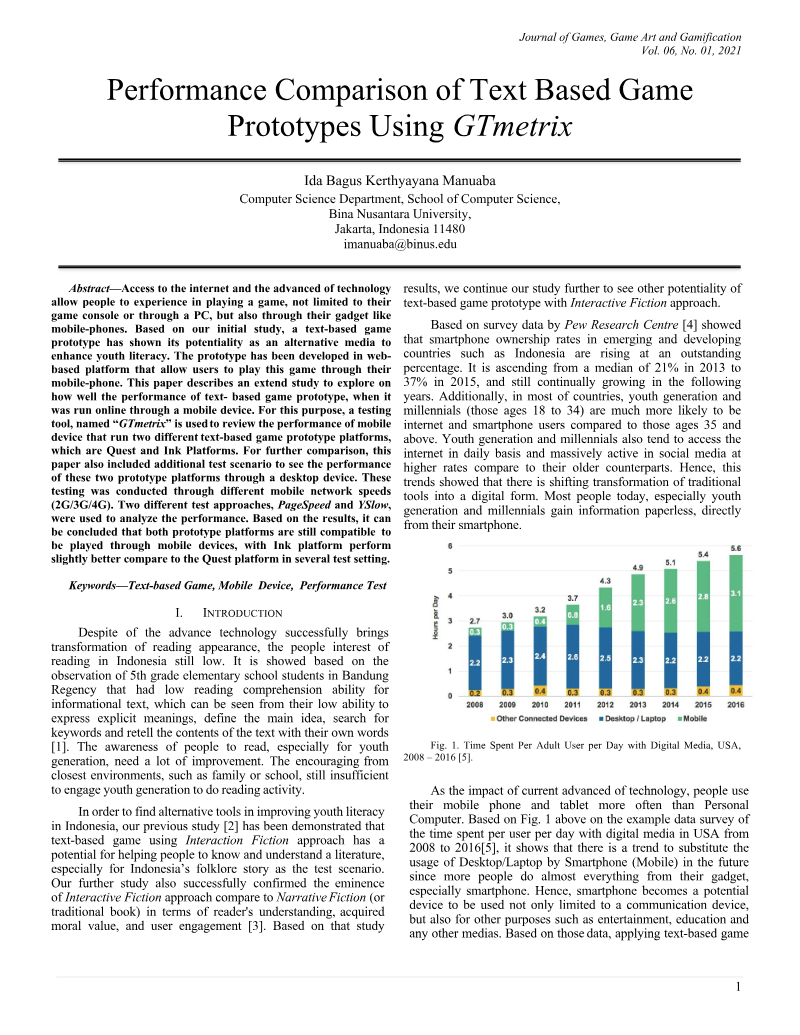
Bina Nusantara University · 2021
Bina Nusantara University · 2021
Bina Nusantara University · 2021
Bina Nusantara University · 2021
Bina Nusantara University · 2021
Journal of Games, Game Art, and Gamification · 2021
Bina Nusantara University · 2021
Journal of Games, Game Art, and Gamification · 2023