1 free read left. Create a free account for unlimited reading + AI research.
Create free accountWhitepaper Bina Nusantara University
1 free read left. Create a free account for unlimited reading + AI research.
Create free accountWhitepaperBina Nusantara University
The global video game industry is currently defined by a strategic divergence between the United States and China, the world’s two largest gaming markets. While the United States maintains a dominant position in the console and PC sectors, characterized by high-fidelity, single-player experiences and a "buy-to-play" monetization model, China has emerged as a global leader in mobile gaming. Driven by a mobile-first population and a history of console restrictions, the Chinese market favors free-to-play, socially interactive, and highly monetized mobile titles.
This analysis utilizes quantitative secondary data from industry reports and academic literature to compare these two markets through a SWOT framework. The findings highlight that the United States benefits from a mature infrastructure for console and PC development, supported by a robust educational pipeline and established global distribution platforms. Conversely, China’s strength lies in its massive user base, integrated social-media-to-game ecosystems, and a high degree of mobile penetration, which has fostered a competitive, high-stakes environment for developers.
The industry is undergoing a significant shift as Generation Z and Millennials—who demonstrate a strong preference for mobile technology—become the primary drivers of global media consumption. This demographic trend suggests that the future of the gaming industry is increasingly mobile-centric. For new developers, the mobile market offers lower barriers to entry but presents a high-risk, high-reward landscape due to intense competition and the potential for Chinese mobile titles to expand their influence into Western markets. Ultimately, while console and PC gaming provide a more stable, traditional revenue model, the rapid growth of mobile platforms represents the most significant opportunity for long-term industry expansion.
Bina Nusantara University · 2026
Bina Nusantara University · 2025
Bina Nusantara University · 2024
Bina Nusantara University · 2023
Bina Nusantara University · 2021
Bina Nusantara University · 2021
Bina Nusantara University · 2021
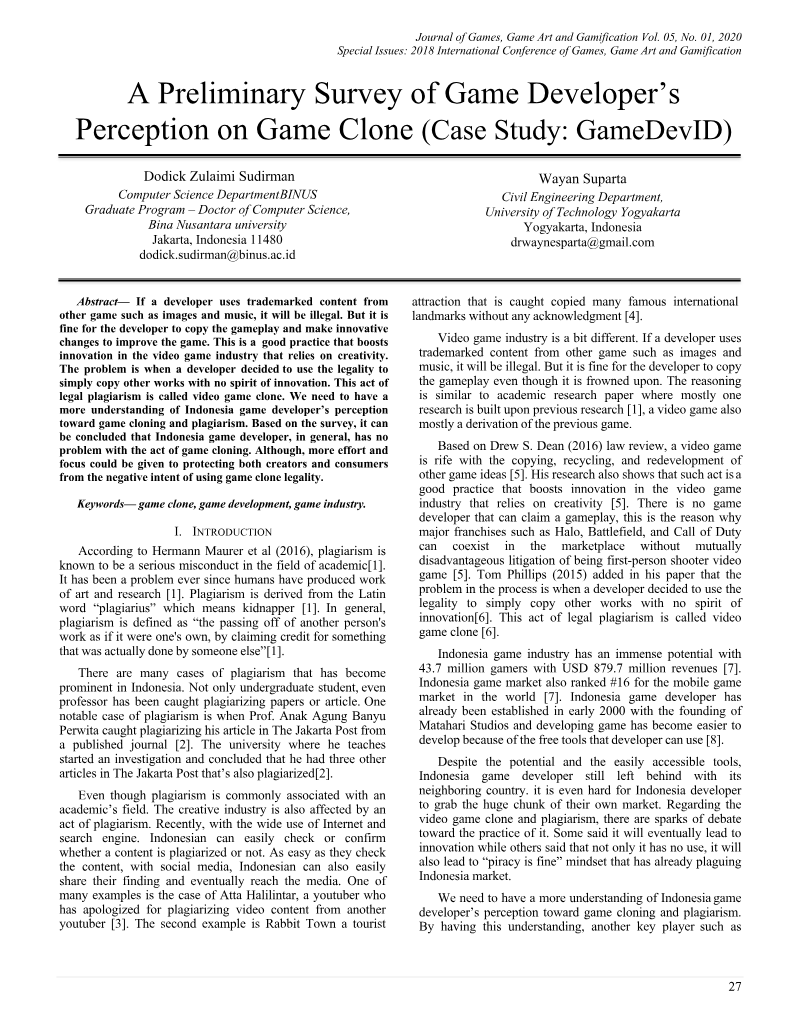
Bina Nusantara University · 2021
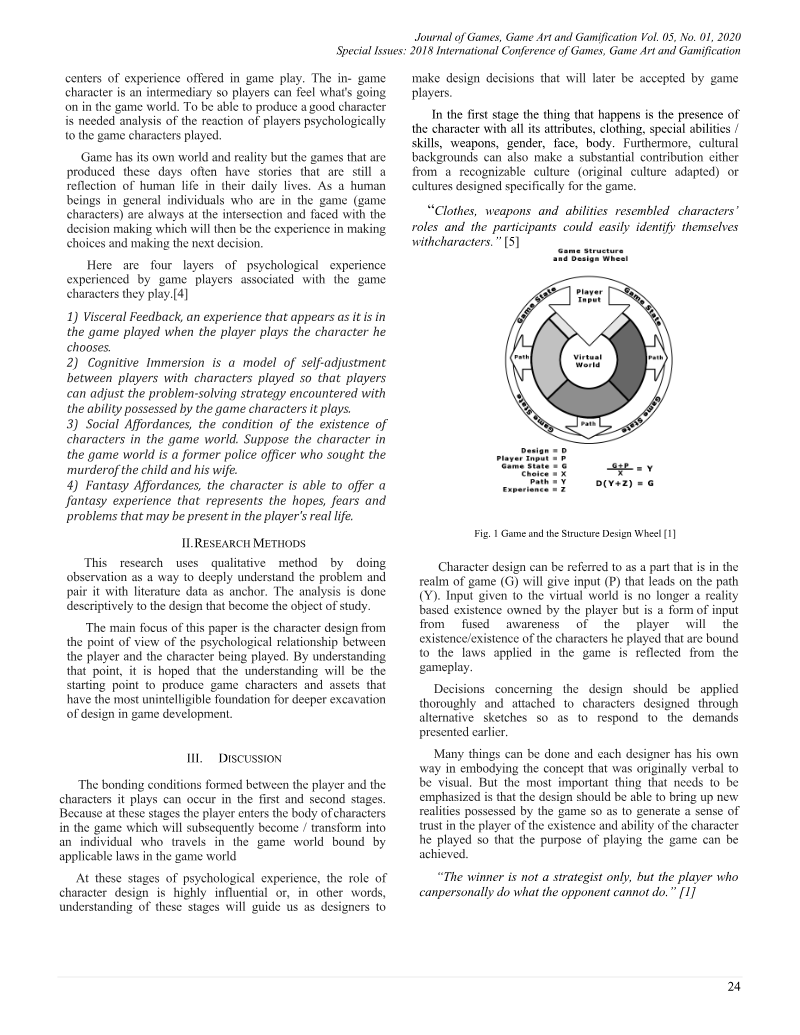
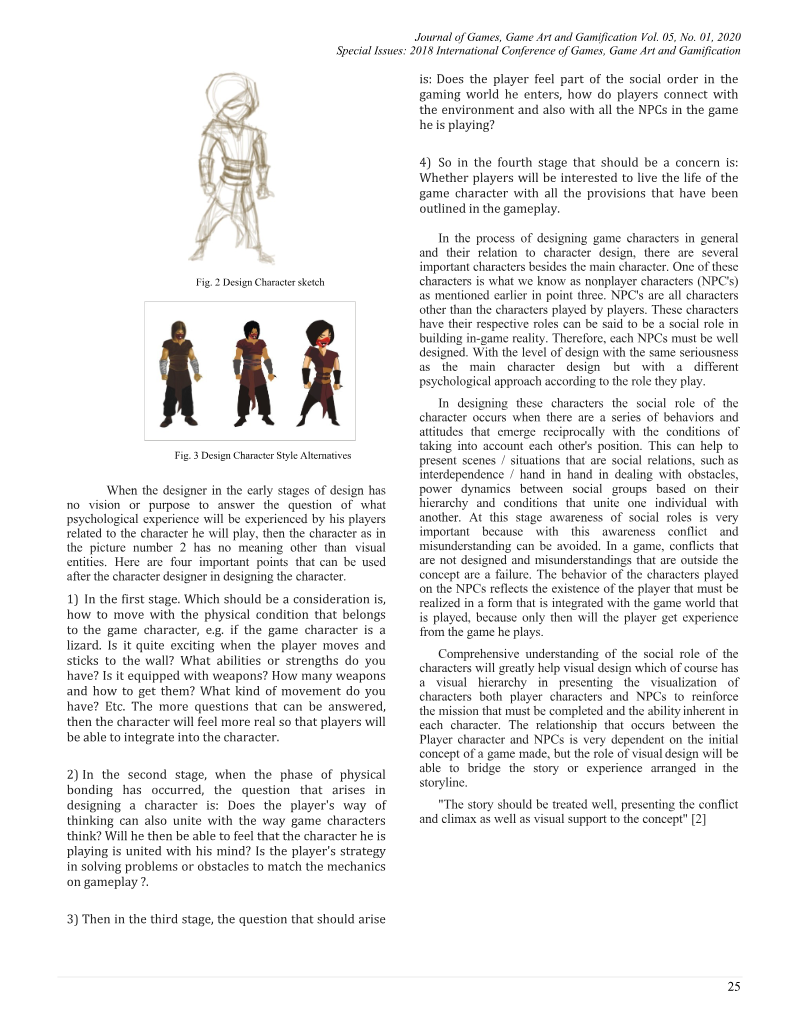
Bina Nusantara University · 2021
Bina Nusantara University · 2021
Journal of Games, Game Art, and Gamification · 2021
Bina Nusantara University · 2021
The Game Business · 2026