More on Game Design
View all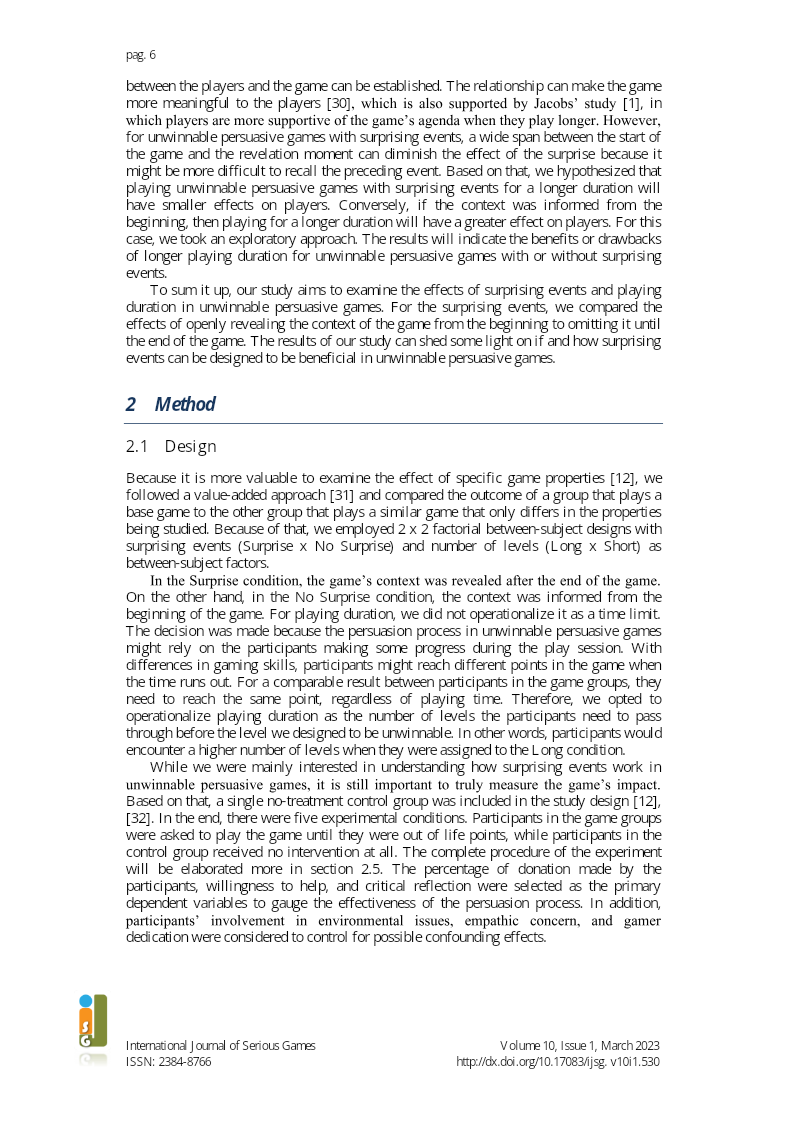
Whitepaper
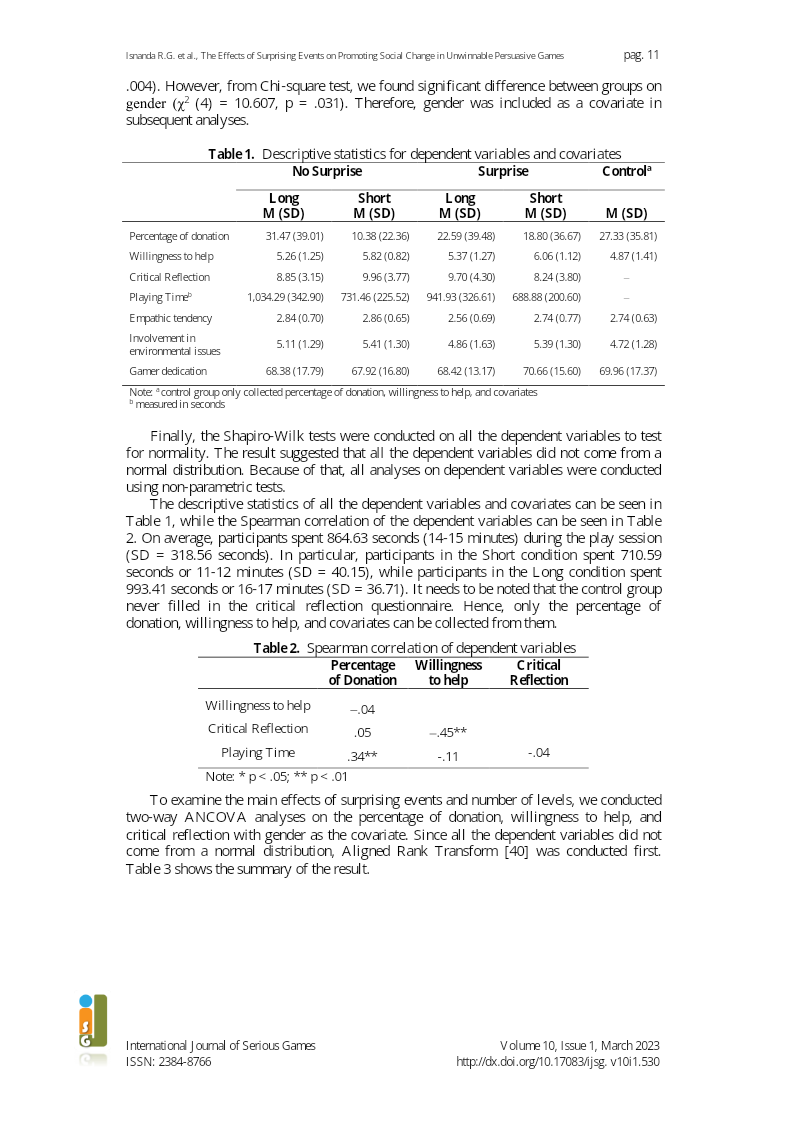
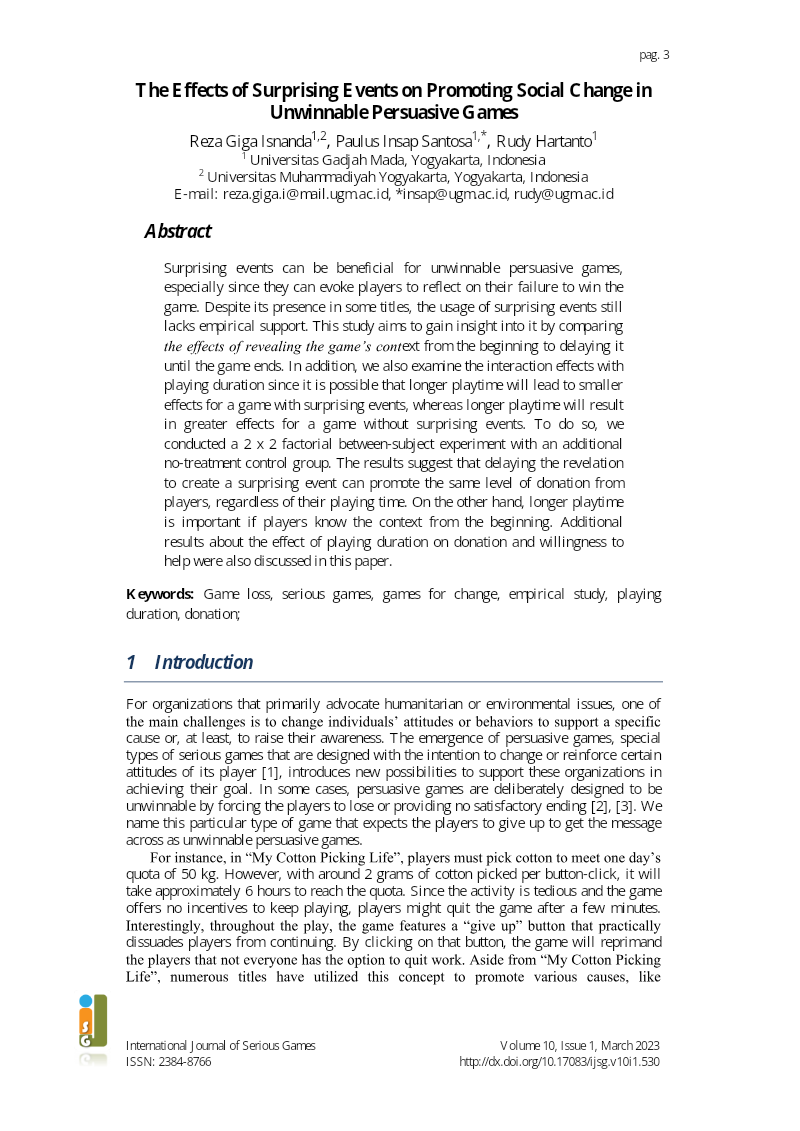
The Effects of Surprising Events on Promoting Social Change in Unwinnable Persuasive Games
International Journal of Serious Games · 2023
Whitepaper
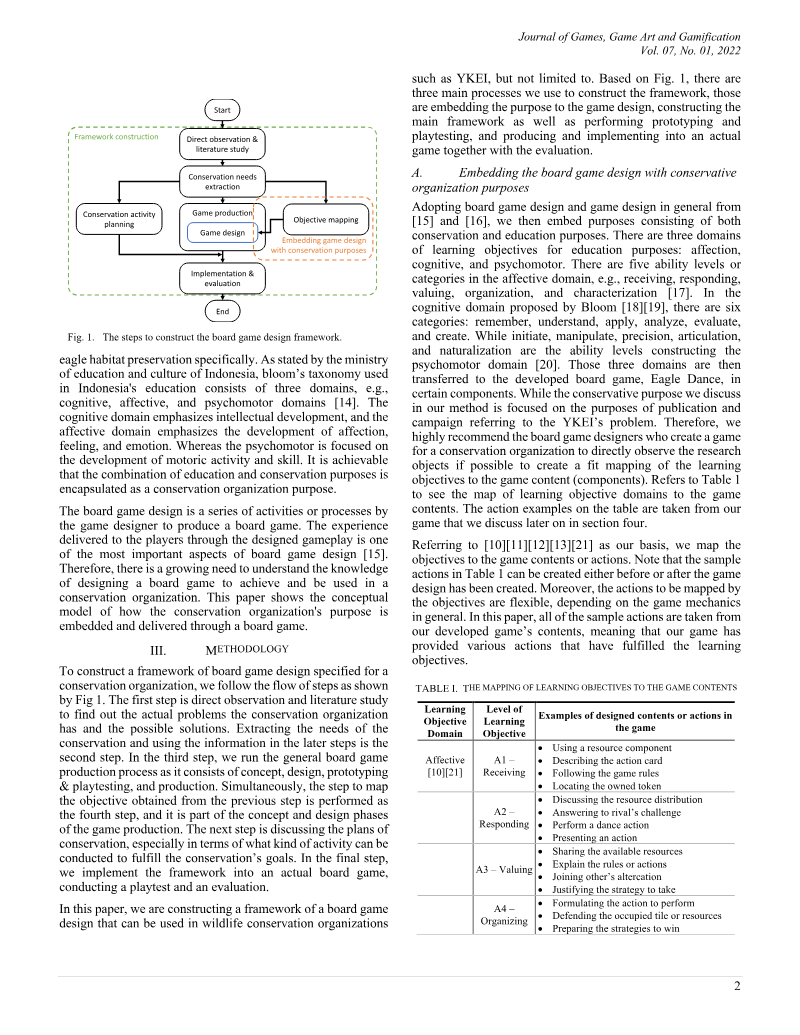
Board Game Design for Conservation Organization: A Study on the Campaign for Javan Hawk-Eagle
Journal of Games, Game Art, and Gamification · 2022

Whitepaper
Character Development Creativity in Unit Blocks for Visual Spatial Intelligence Improvement: Indonesia
Bina Nusantara University · 2021
Whitepaper
The Business of Creating Games: How to Make Positive and Effective Business Impacts
Bina Nusantara University · 2021



Whitepaper
V3NU5: Learning Beauty – The Quantum Game Promoting Cultural Heritage
Serious Games Society · 2026



Whitepaper
An Early-Stage Feasibility and Usability Pilot for an Immersive Serious Game to Support English Spelling and Semantic Skills
European Conference on Games Based Learning (ECGBL) · 2026



Whitepaper
Challenges of Simulations and Serious Games Embedded in Emergency Preparedness Platforms
European Conference on Games Based Learning (ECGBL) · 2026
Whitepaper
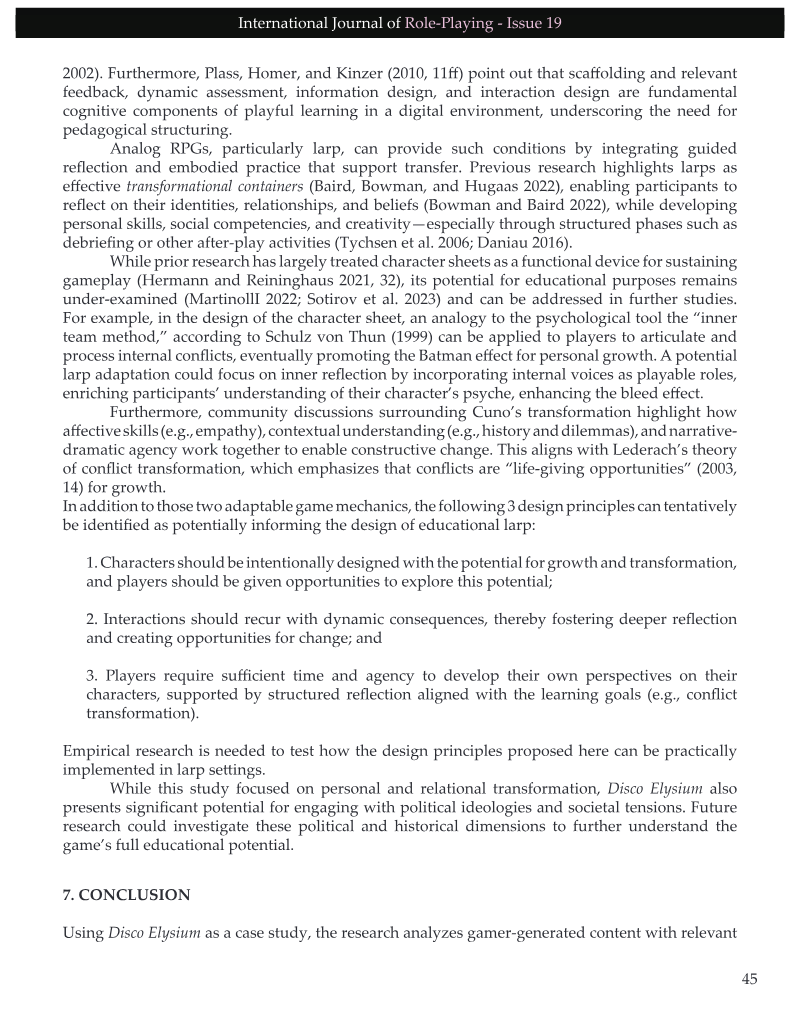
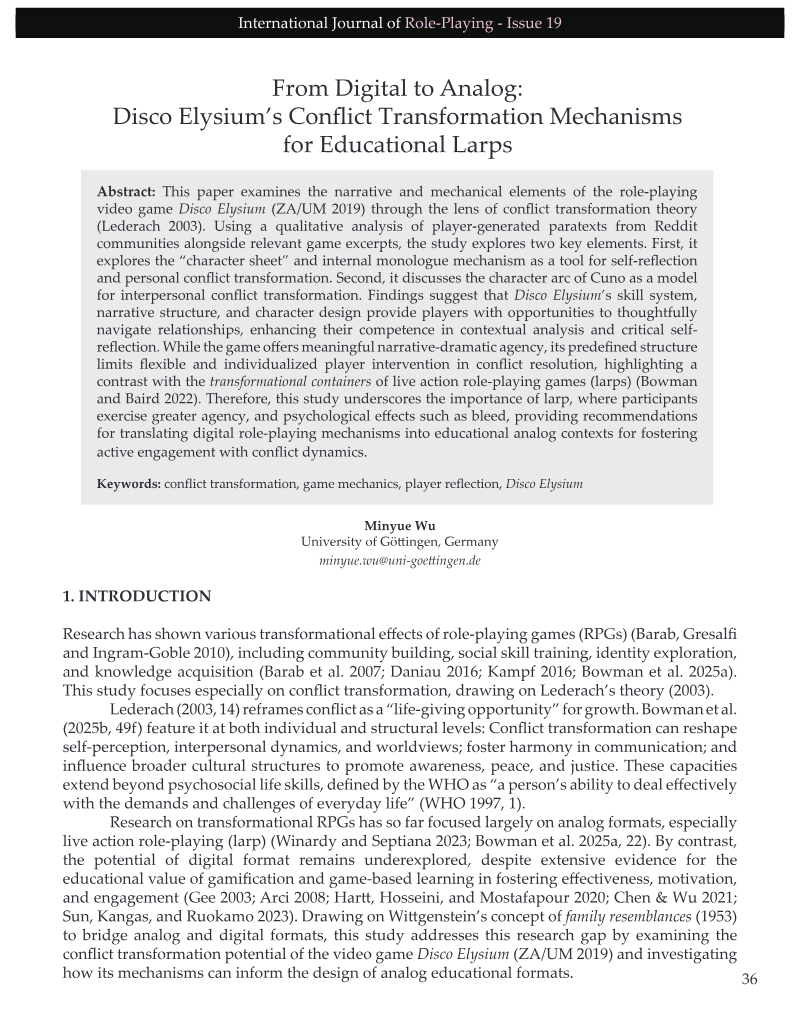
From Digital to Analog: Disco Elysium’s Conflict Transformation Mechanisms for Educational Larps
International Journal of Role-Playing · 2026



Whitepaper
Transformative Play for Building Resilience to Misinformation
International Journal of Role-Playing · 2026
Whitepaper
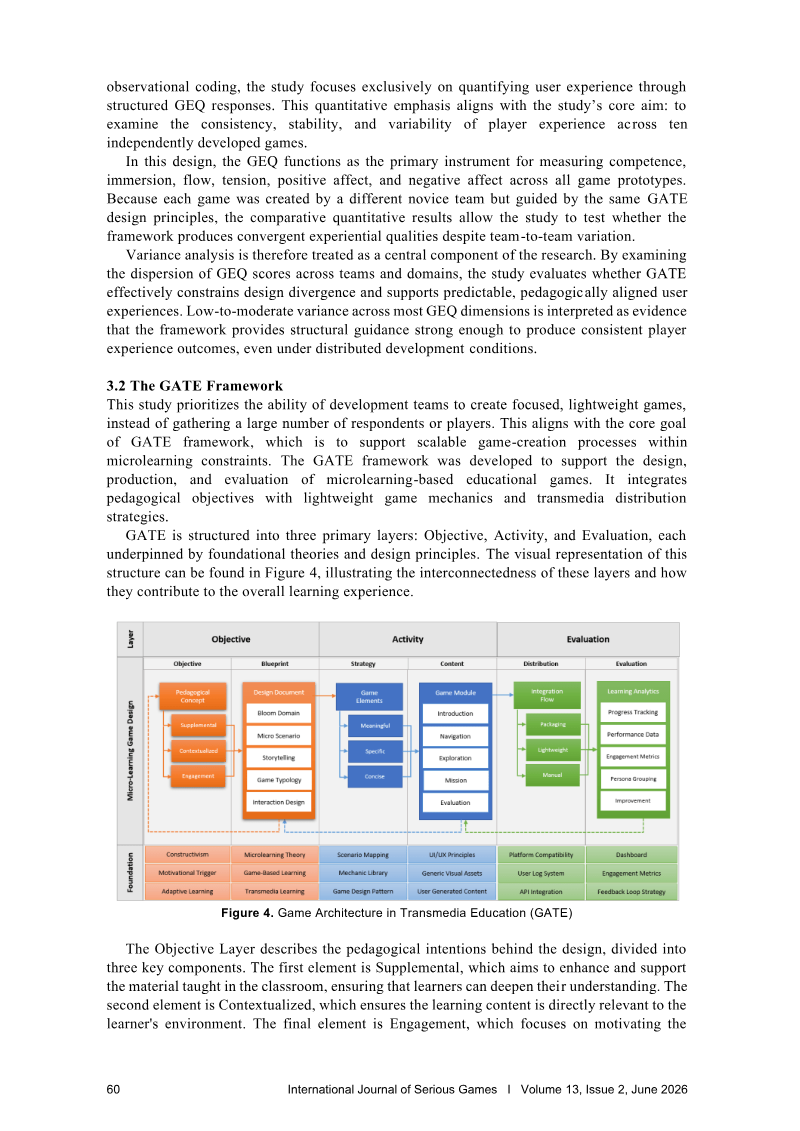
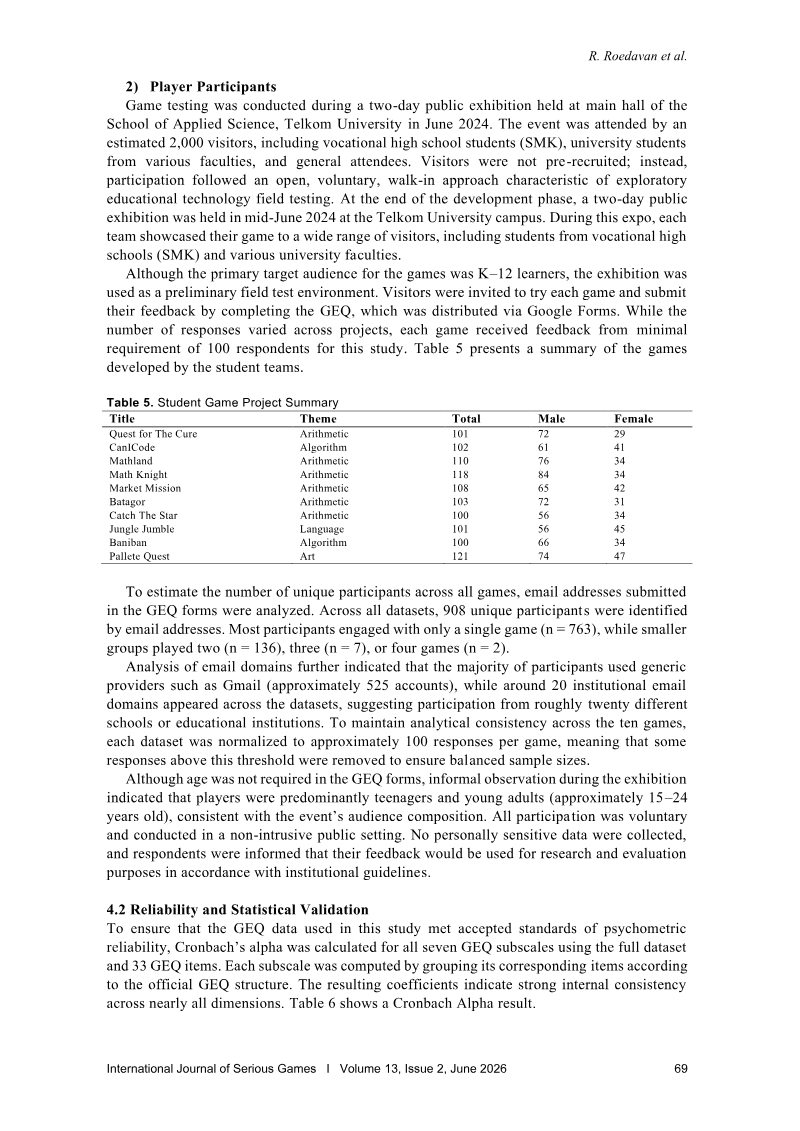
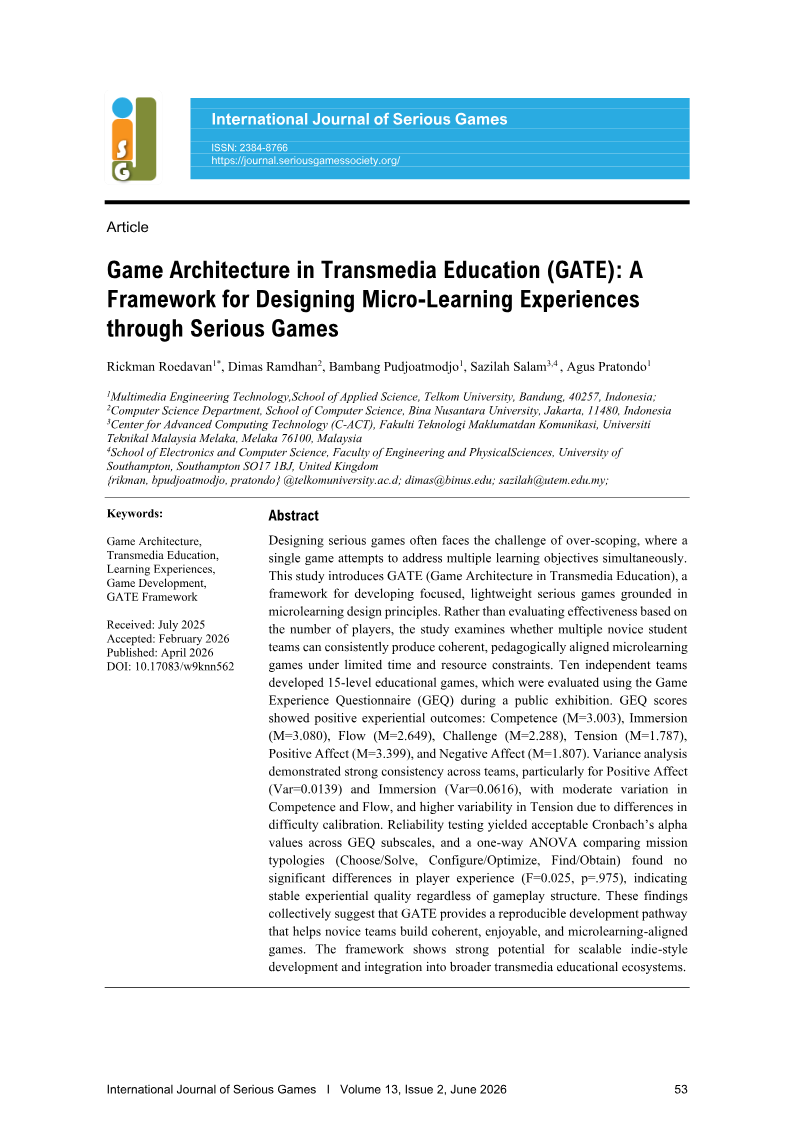
Game Architecture in Transmedia Education (GATE): A Framework for Designing Micro-Learning Experiences
Serious Games Society · 2026
Whitepaper
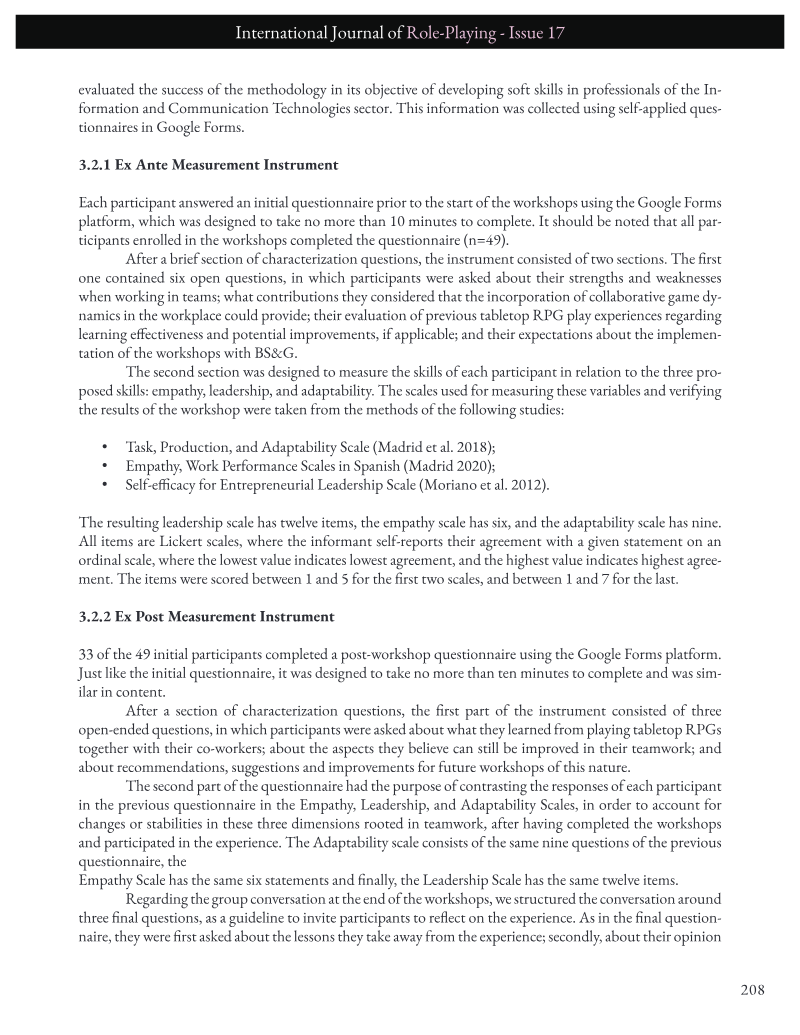
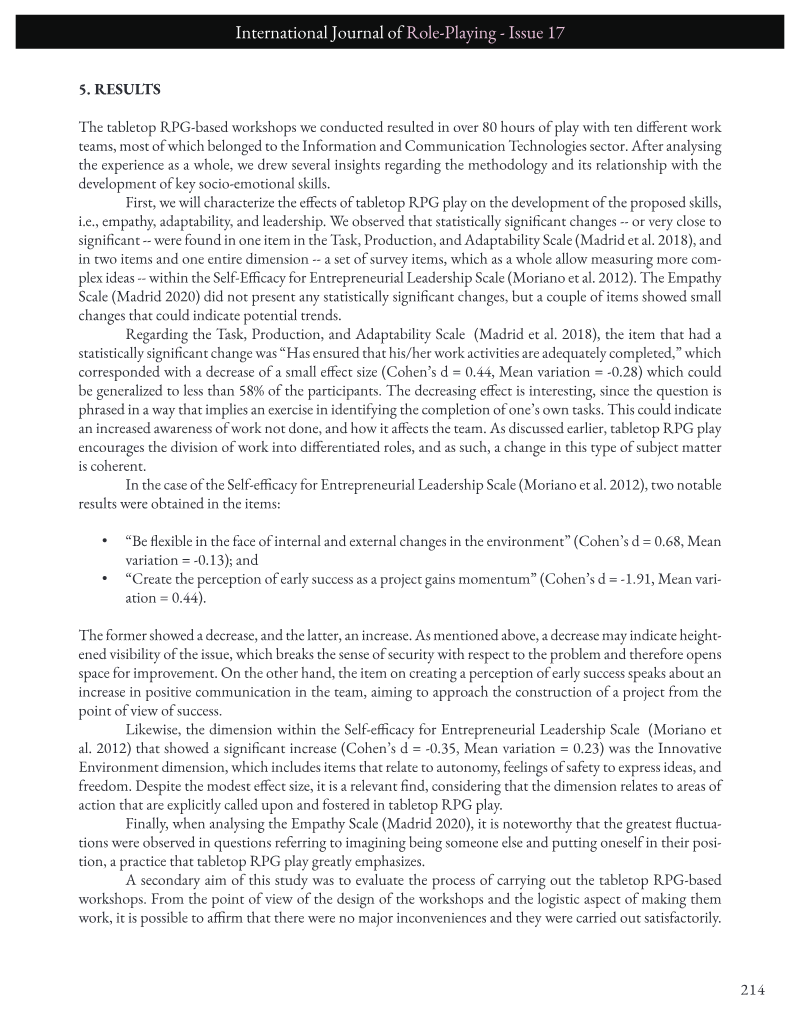
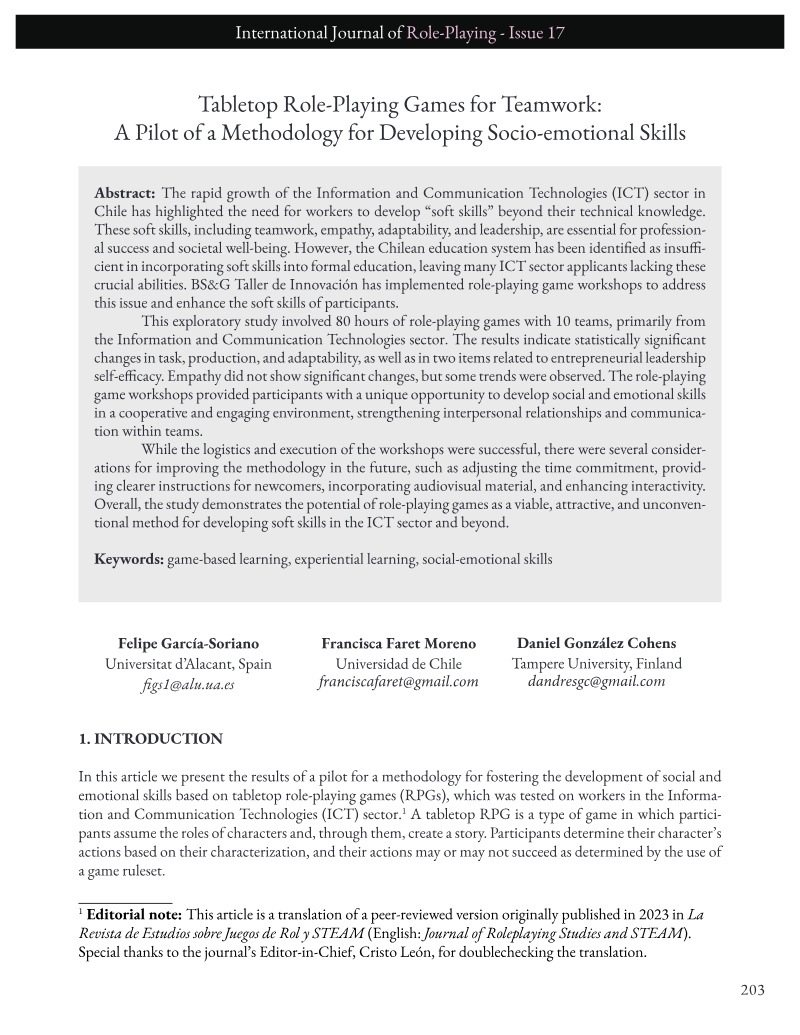
Tabletop Role-Playing Games for Teamwork: A Pilot of a Methodology for Developing Socio-emotional Skills
International Journal of Role-Playing · 2026
Whitepaper
Operationalizing the United Nations' Sustainable Development Goals: A Game Jam Experience
Serious Games Society · 2026