1 free read left. Create a free account for unlimited reading + AI research.
Create free accountWhitepaper Bina Nusantara University
1 free read left. Create a free account for unlimited reading + AI research.
Create free accountWhitepaperBina Nusantara University
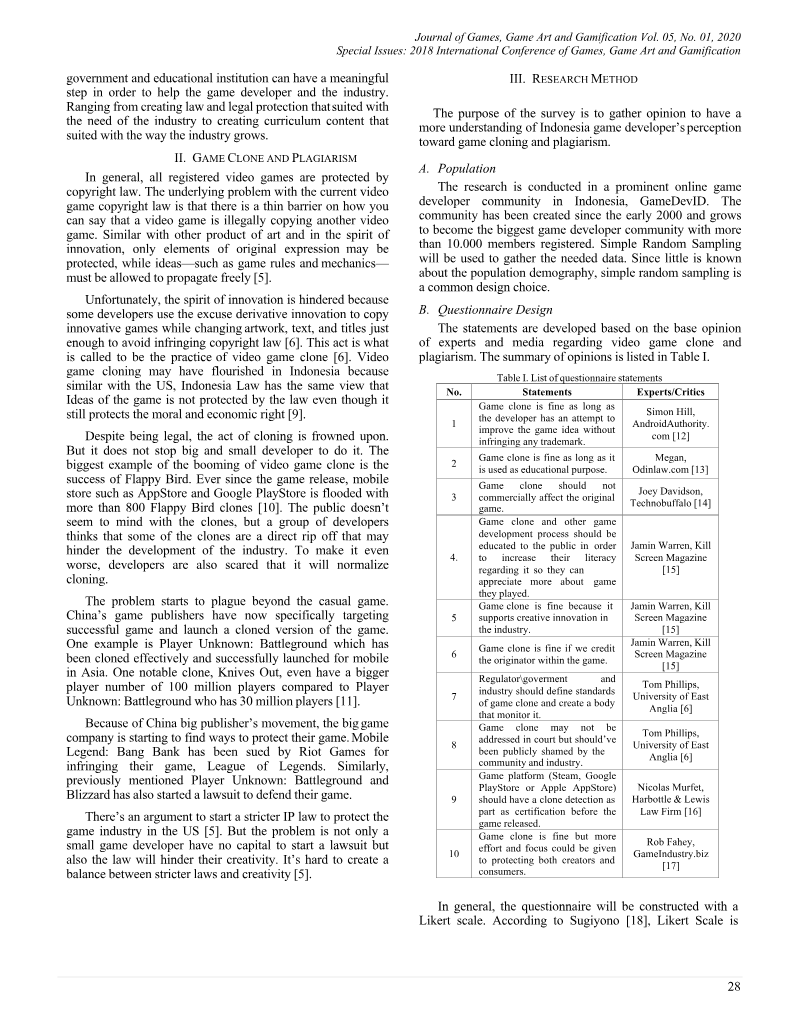
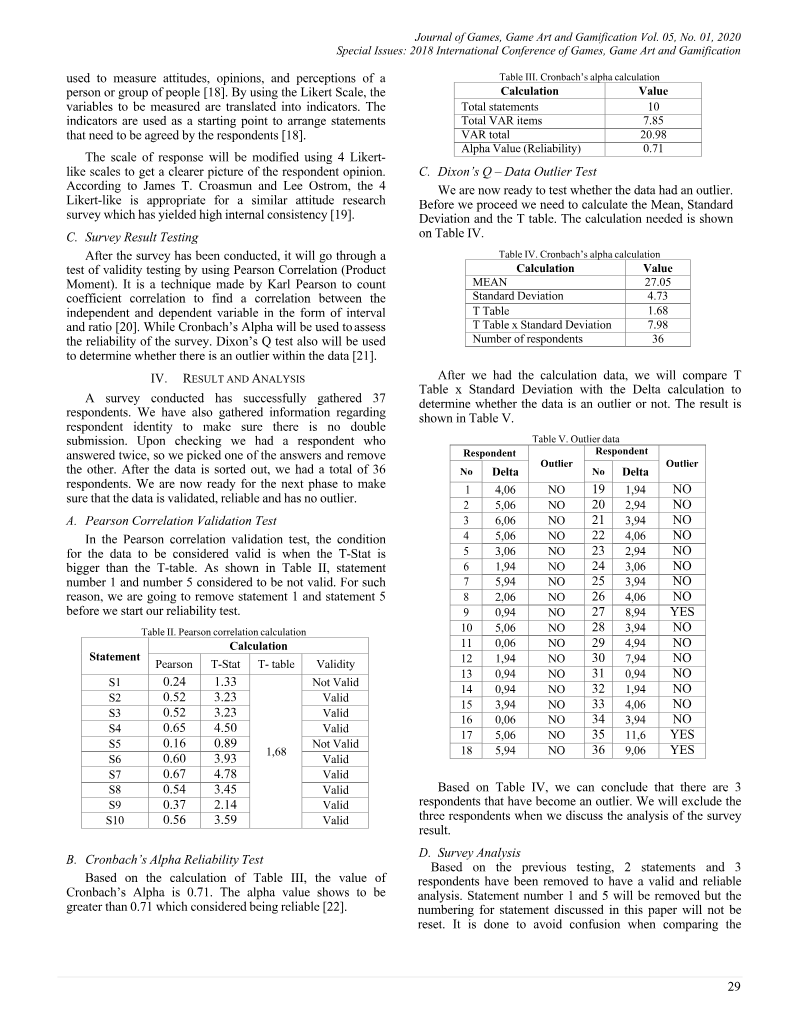
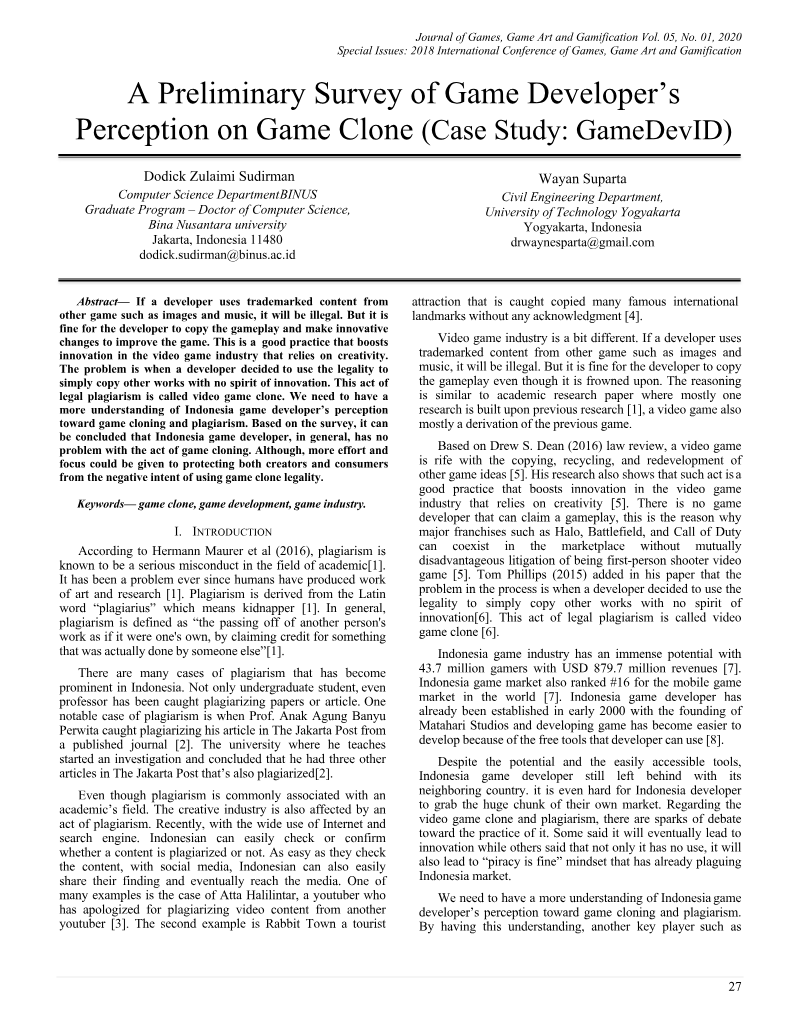
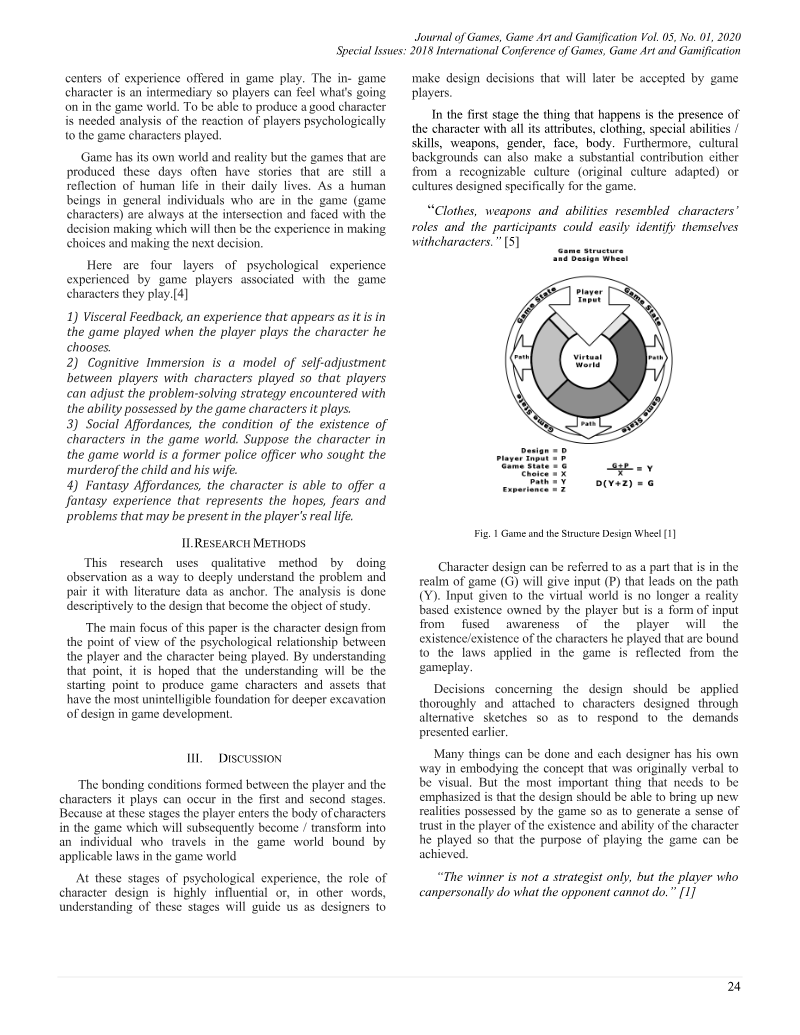
This study evaluates the performance of two web-based, text-driven game prototypes—Quest and Ink—to determine their viability for mobile users in Indonesia. Given the rising prevalence of smartphone usage in emerging economies and the potential for interactive fiction to improve youth literacy, the research assesses how these platforms function across varying network conditions and hardware environments. The primary objective is to identify which platform offers superior load times and technical efficiency for mobile-first audiences.
The methodology employs a quantitative approach using the GTmetrix testing tool, which utilizes PageSpeed and YSlow metrics alongside waterfall graphs to analyze performance. Testing scenarios included desktop and mobile environments (specifically the Samsung Galaxy Nexus) across 2G, 3G, and 4G/LTE network speeds. Researchers also compared performance across different web browsers, including Google Chrome and Mozilla Firefox, to evaluate how browser-specific rendering affects the user experience.
Key findings indicate that both platforms are compatible with mobile devices, with page load times remaining under 3.8 seconds even in mobile-simulated environments. However, the Ink platform consistently outperformed the Quest platform across most metrics. Ink achieved higher PageSpeed and YSlow rankings and demonstrated smaller page sizes and fewer HTTP requests, which are critical factors for maintaining performance on slower mobile networks. While both platforms are technically sufficient for mobile deployment, the data suggests that Ink provides a more optimized experience. The study concludes that while both prototypes are viable, future development efforts should prioritize the Ink platform to ensure maximum accessibility and performance for mobile users.
Each row is a game or company this document names, each column a document, oldest first. A mark means that document names it. Select a row to see those documents.
Bina Nusantara University · 2026
Bina Nusantara University · 2025
Bina Nusantara University · 2024
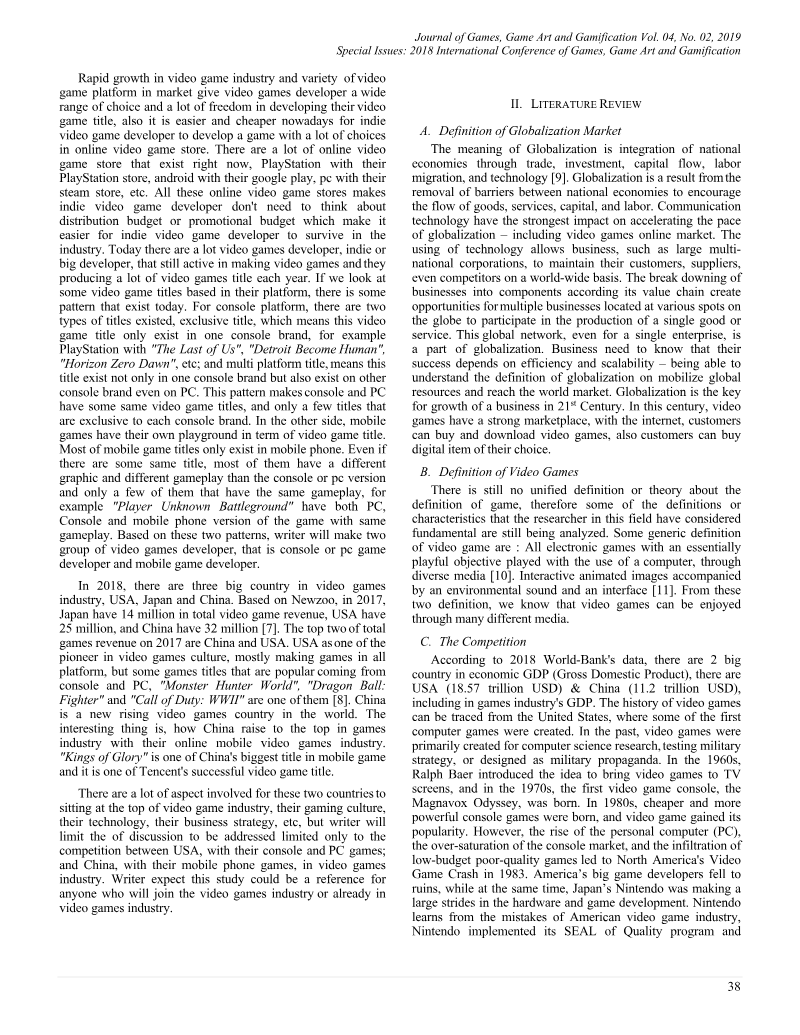
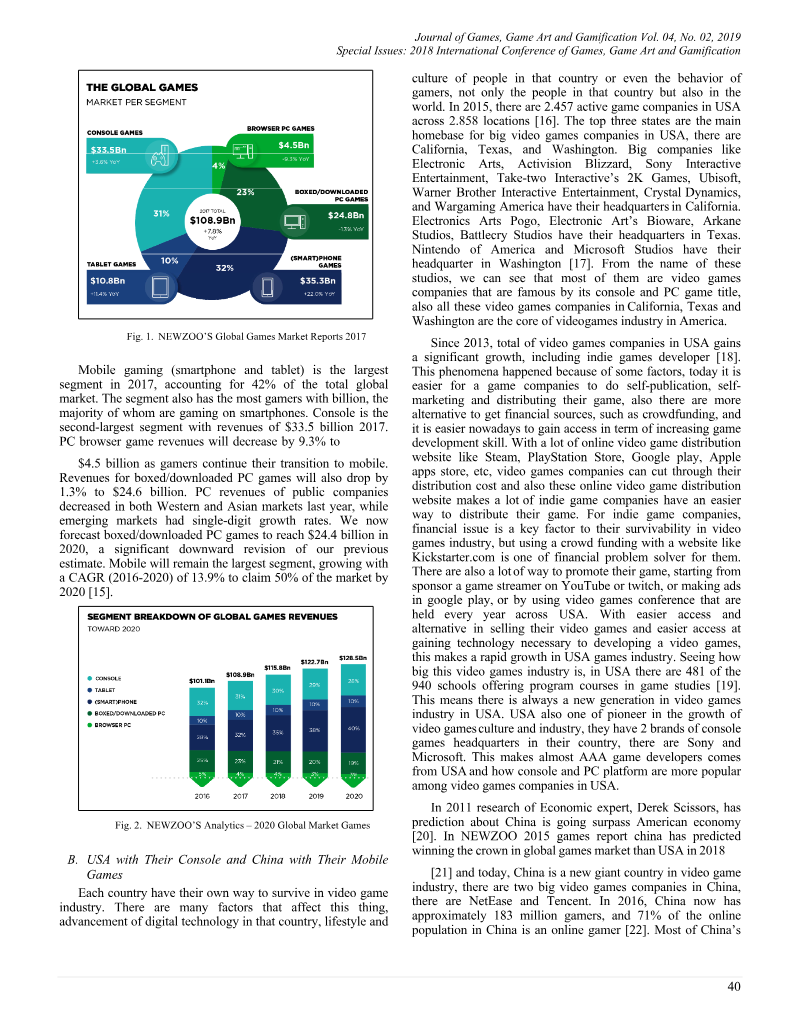
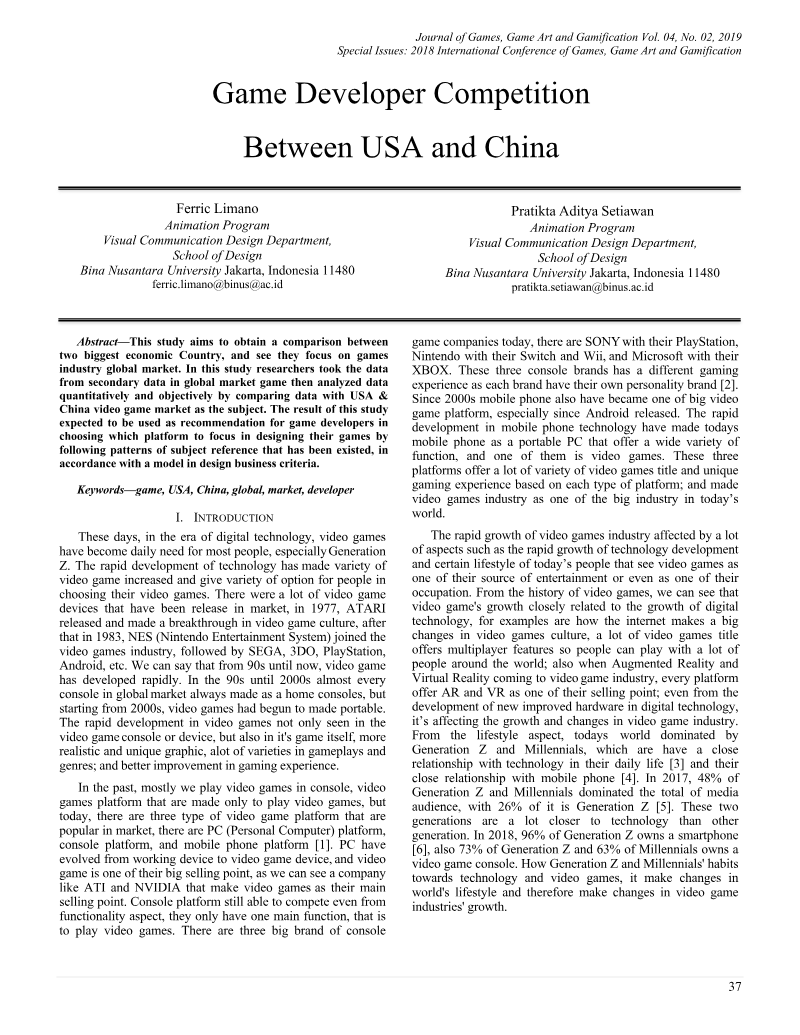
Bina Nusantara University · 2023
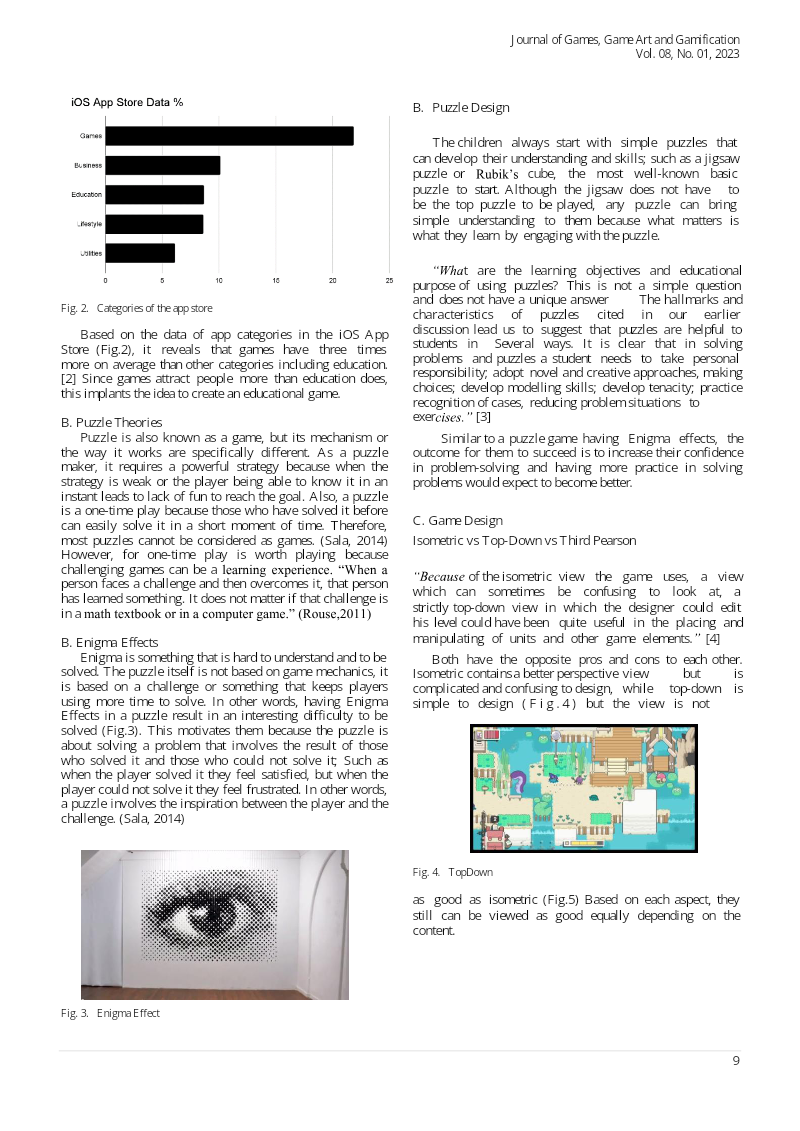
Bina Nusantara University · 2023
Bina Nusantara University · 2021
Bina Nusantara University · 2021
Bina Nusantara University · 2021
Bina Nusantara University · 2021
Bina Nusantara University · 2021
Journal of Games, Game Art, and Gamification · 2021
Bina Nusantara University · 2021
PocketGamer.biz · 2024