1 free read left. Create a free account for unlimited reading + AI research.
Create free accountWhitepaper Journal of Games, Game Art, and Gamification
1 free read left. Create a free account for unlimited reading + AI research.
Create free accountWhitepaperJournal of Games, Game Art, and Gamification
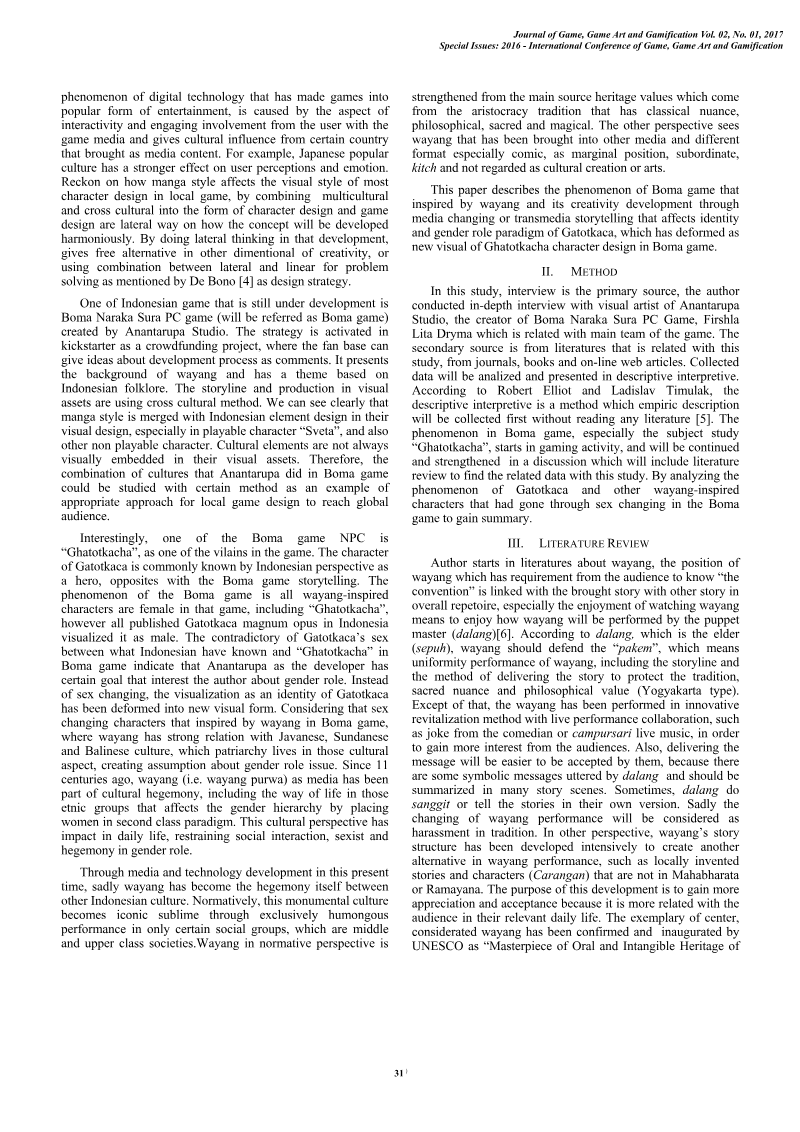
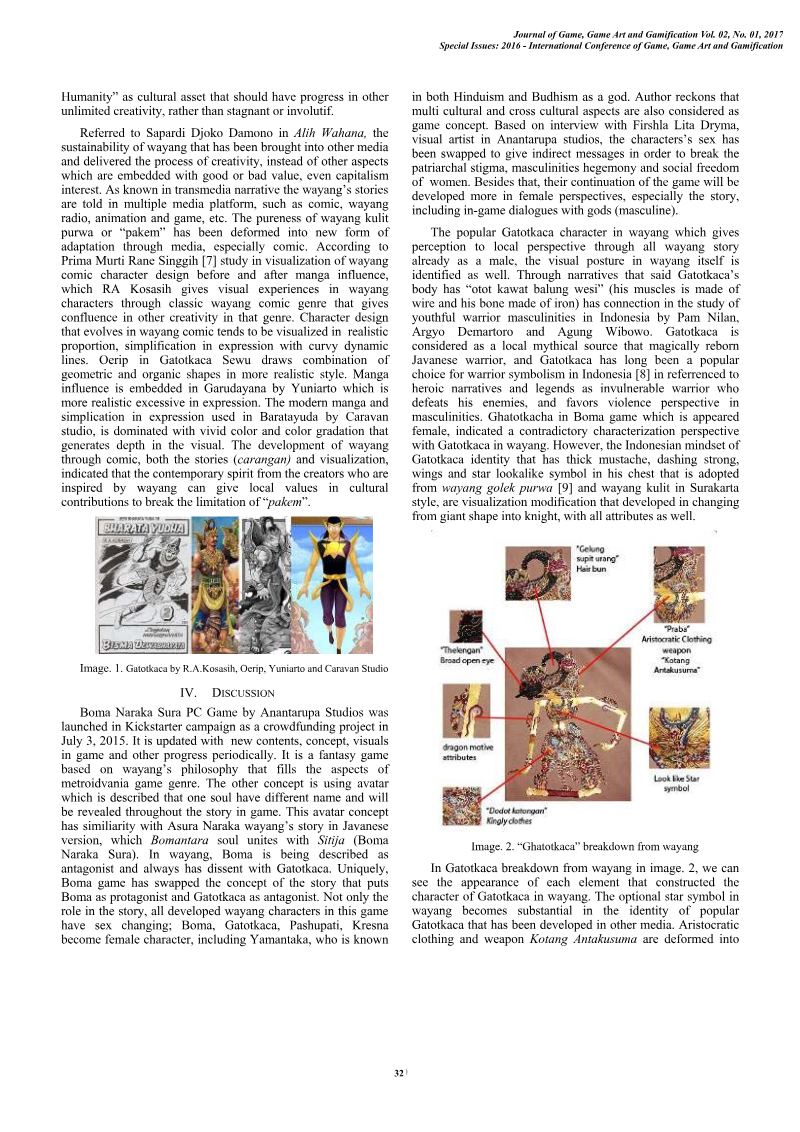
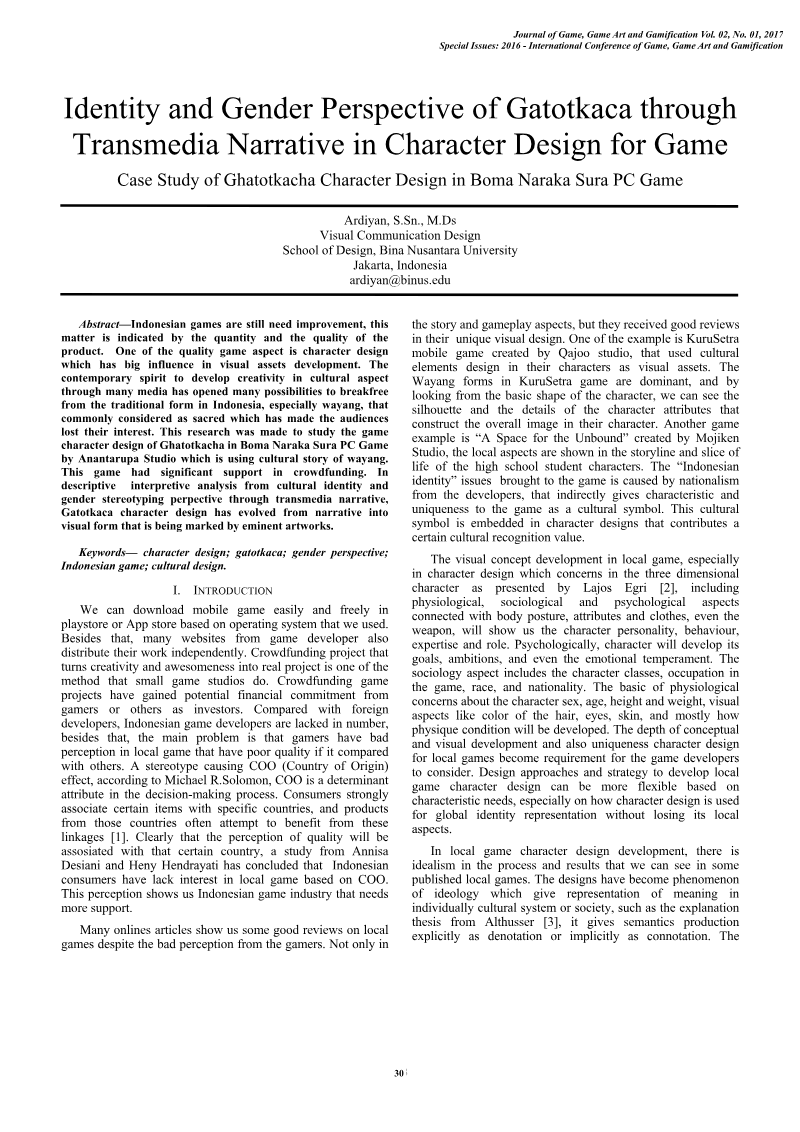
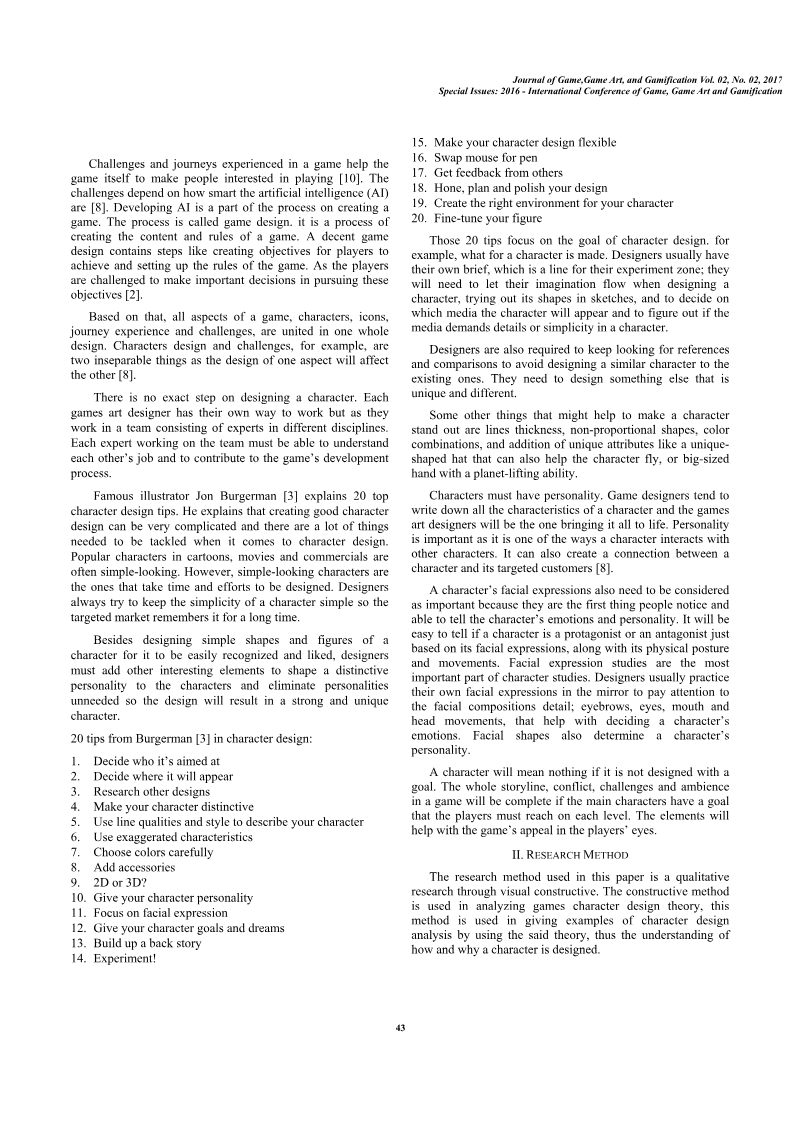
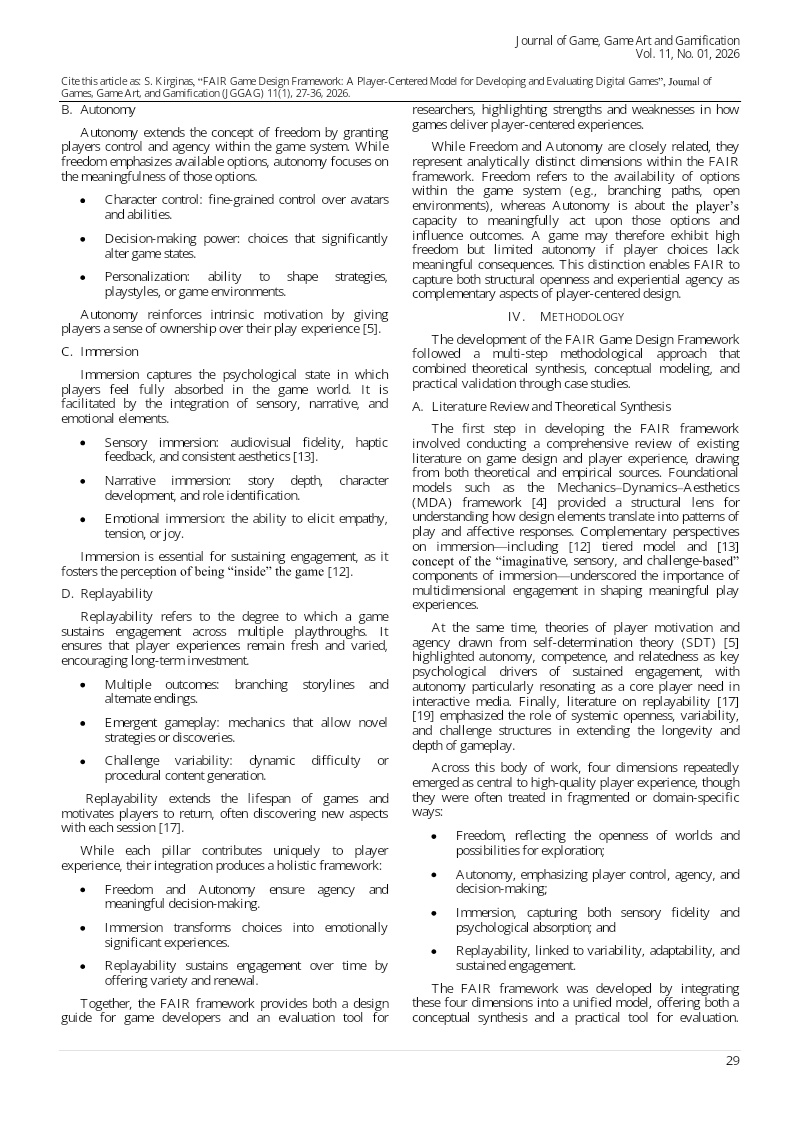
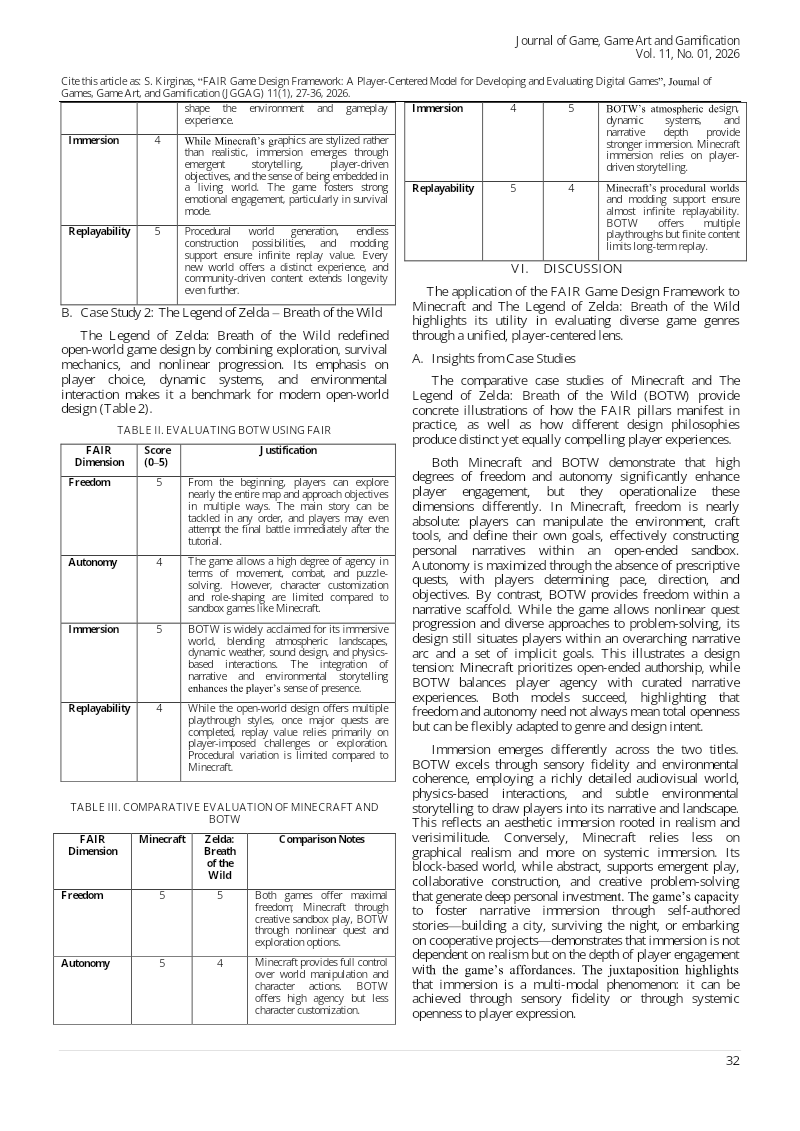
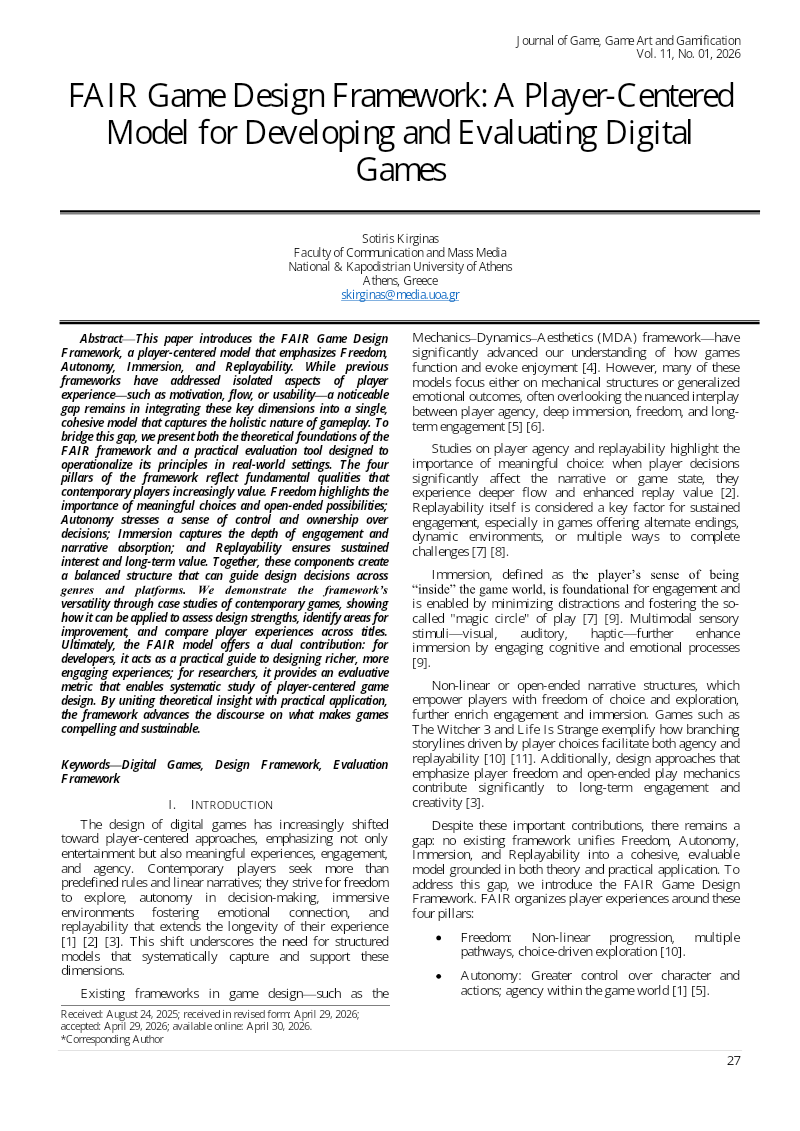
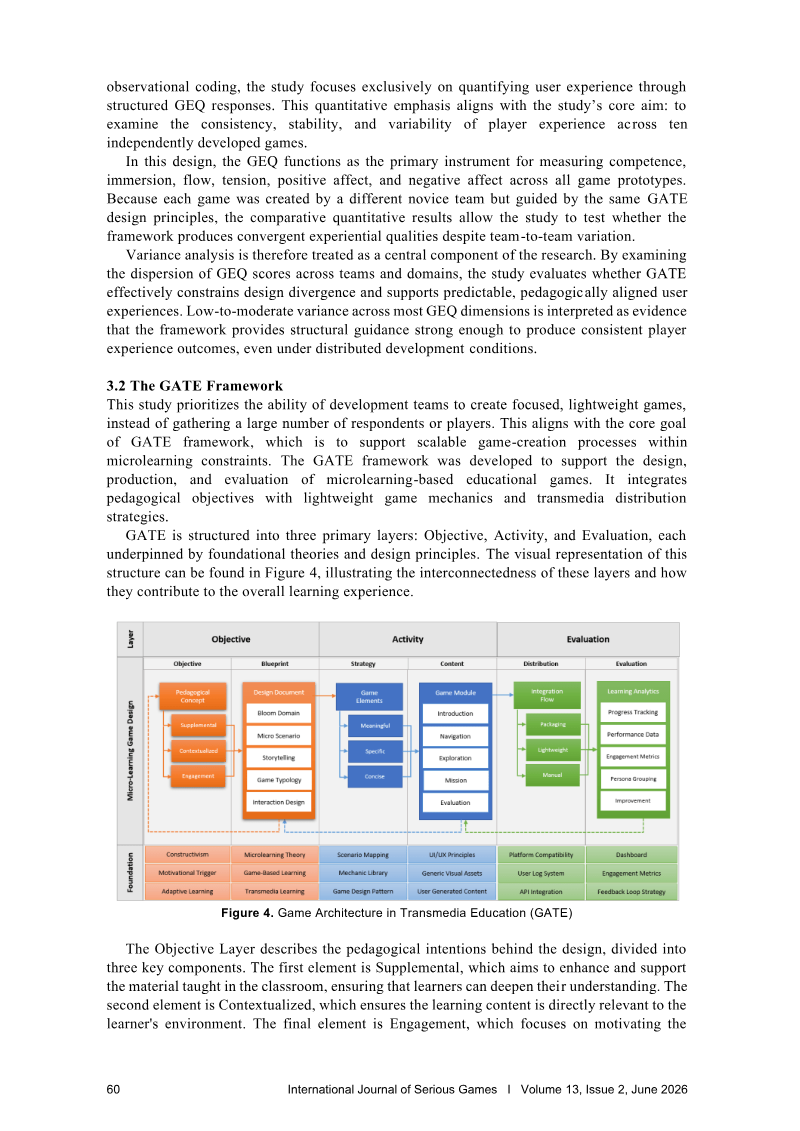
Pixel art remains a vital and enduring aesthetic in contemporary game design, transcending its origins as a byproduct of hardware limitations to become a deliberate stylistic choice. While early digital games were constrained by strict resolution and color palette caps—such as the 256 x 240 pixel resolution and limited color depth of the Nintendo Entertainment System—modern developers utilize pixel art as a creative medium that emphasizes abstraction and intentionality. By imposing self-imposed constraints on color conservation and composition, artists can foster innovation and create distinct visual identities that differentiate their projects in a market otherwise dominated by high-fidelity 3D graphics.
The core thesis posits that pixel art is not merely a nostalgic relic but a sophisticated design discipline requiring significant skill and reflection. Effective character design within this medium relies on the strategic use of silhouettes, dithering techniques, and iconic representation to convey personality and narrative depth despite low-resolution constraints. Because pixel art forces designers to reduce elements to their most essential forms, it encourages a unique psychological engagement where players project their own imagination onto the simplified avatars. This process of abstraction allows for a clear distinction between characters, which is essential for player immersion and gameplay clarity.
Beyond its aesthetic value, pixel art offers practical advantages in game development, including more efficient production cycles and lower costs compared to complex 3D assets. By treating technical limitations as creative opportunities rather than barriers, designers can produce compelling, recognizable, and functional game worlds. Ultimately, the style serves as a powerful tool for visual storytelling, proving that even in an era of photographic realism, the deliberate, block-based language of pixel art remains a relevant and effective method for building engaging interactive experiences.
Each row is a game or company this document names, each column a document, oldest first. A mark means that document names it. Select a row to see those documents.
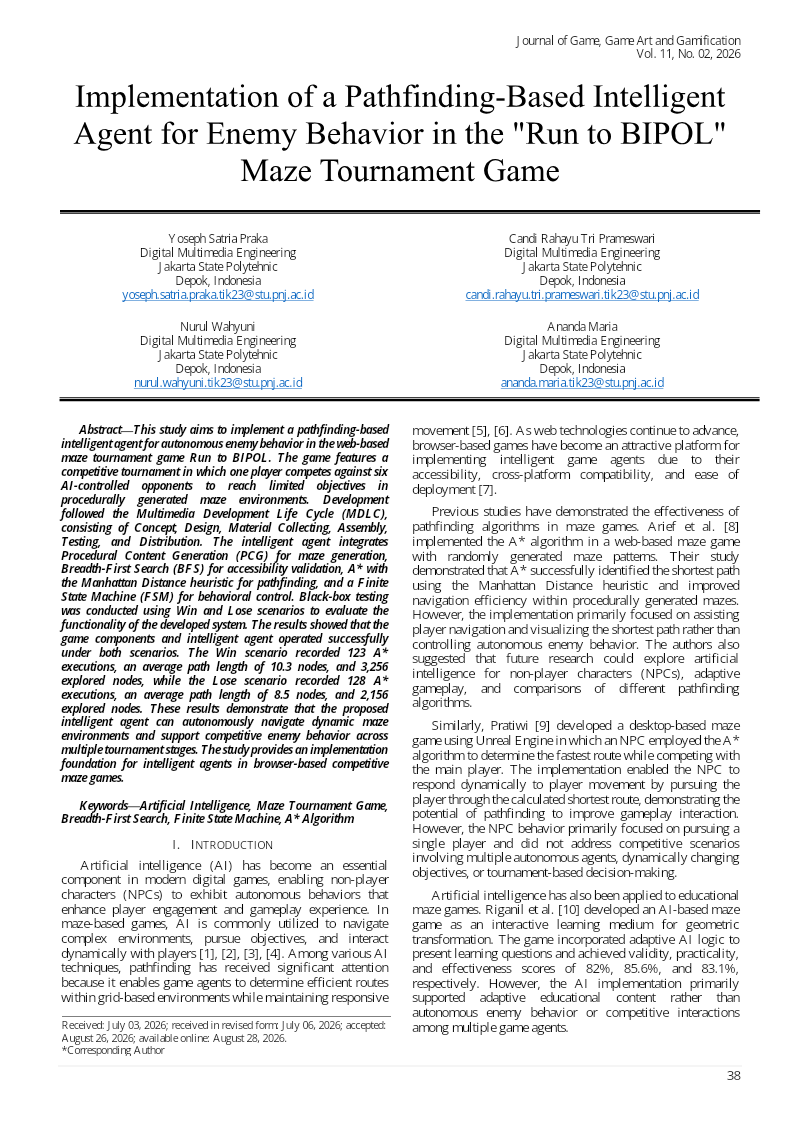
Journal of Games, Game Art, and Gamification · 2026
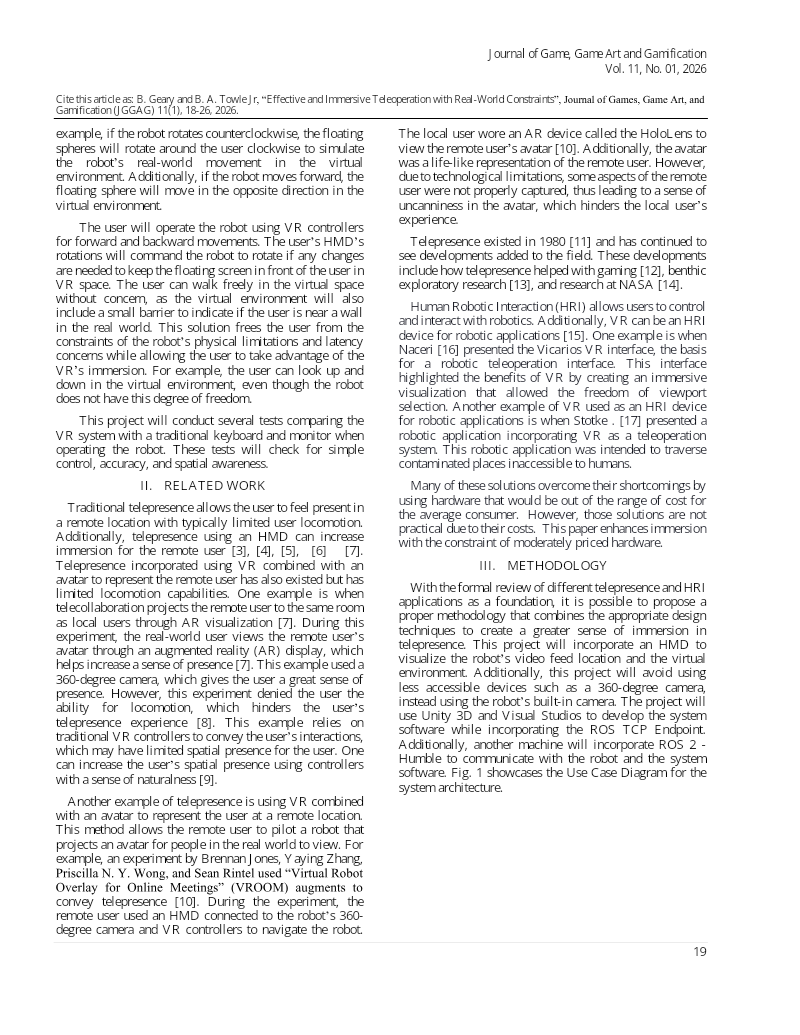
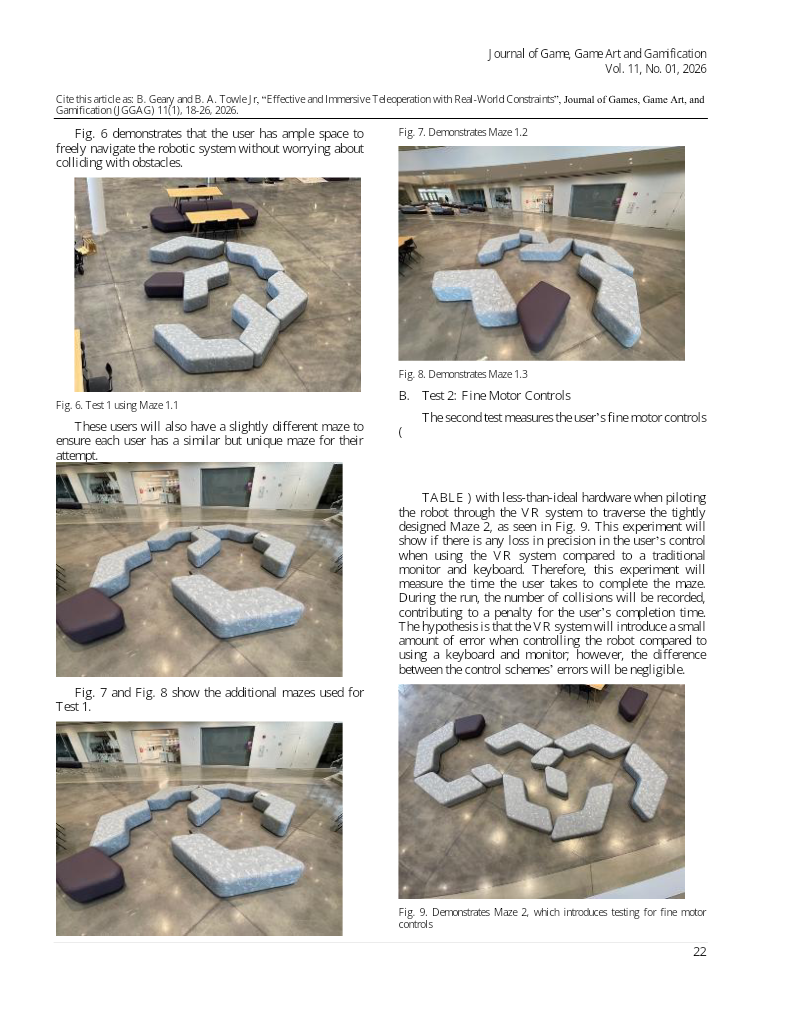
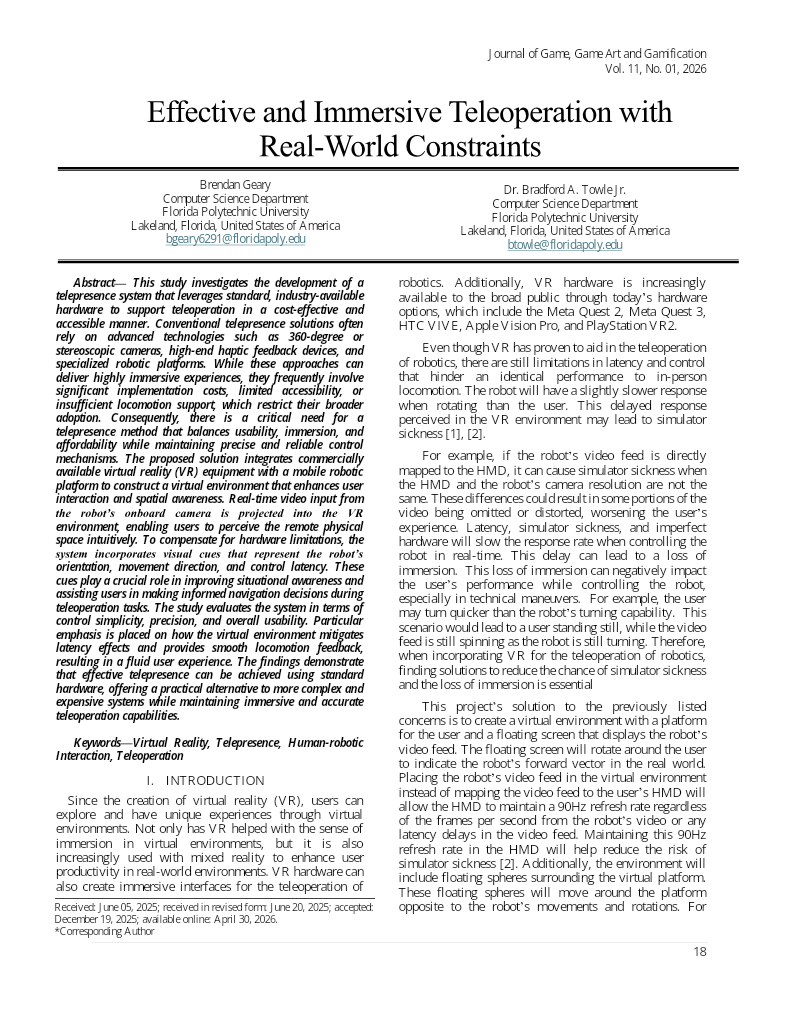
Journal of Games, Game Art, and Gamification · 2026
Journal of Games, Game Art, and Gamification · 2025
Journal of Games, Game Art, and Gamification · 2025
Journal of Games, Game Art, and Gamification · 2025
Journal of Games, Game Art, and Gamification · 2025
Journal of Games, Game Art, and Gamification · 2025
Journal of Games, Game Art, and Gamification · 2025
Journal of Games, Game Art, and Gamification · 2025
Journal of Games, Game Art, and Gamification · 2025
Journal of Games, Game Art, and Gamification · 2024
Journal of Games, Game Art, and Gamification · 2024
Institut Seni Indonesia Yogyakarta · 2026