More on Game Design
View all
Whitepaper
Implementation of Enhanced Re-Engineering on Trivia Game to Improve Immersion: Indonesia
Muhammadiyah Malang University · 2024
Whitepaper
Evaluation of User Experience in Translator Applications: Banjar-Indonesian and Indonesian-Banjar
Journal of Games, Game Art, and Gamification · 2021
Whitepaper
Mengenal Aksara Bali: Balinese Script Game Education Based on Mobile Application
STMIK STIKOM Indonesia · 2021
Whitepaper
Mobile Game "Color in Life" Development for Dichromatism Color Blind: Indonesia
Bina Nusantara University · 2019

PocketGamer.biz
June’s Journey and the UX secrets behind a $1bn hidden object hit
PocketGamer.biz · 2026
Whitepaper
Game-Based TPR Vocabulary Programme Without a Shared Language in Indonesia
European Conference on Games Based Learning (ECGBL) · 2026
Whitepaper
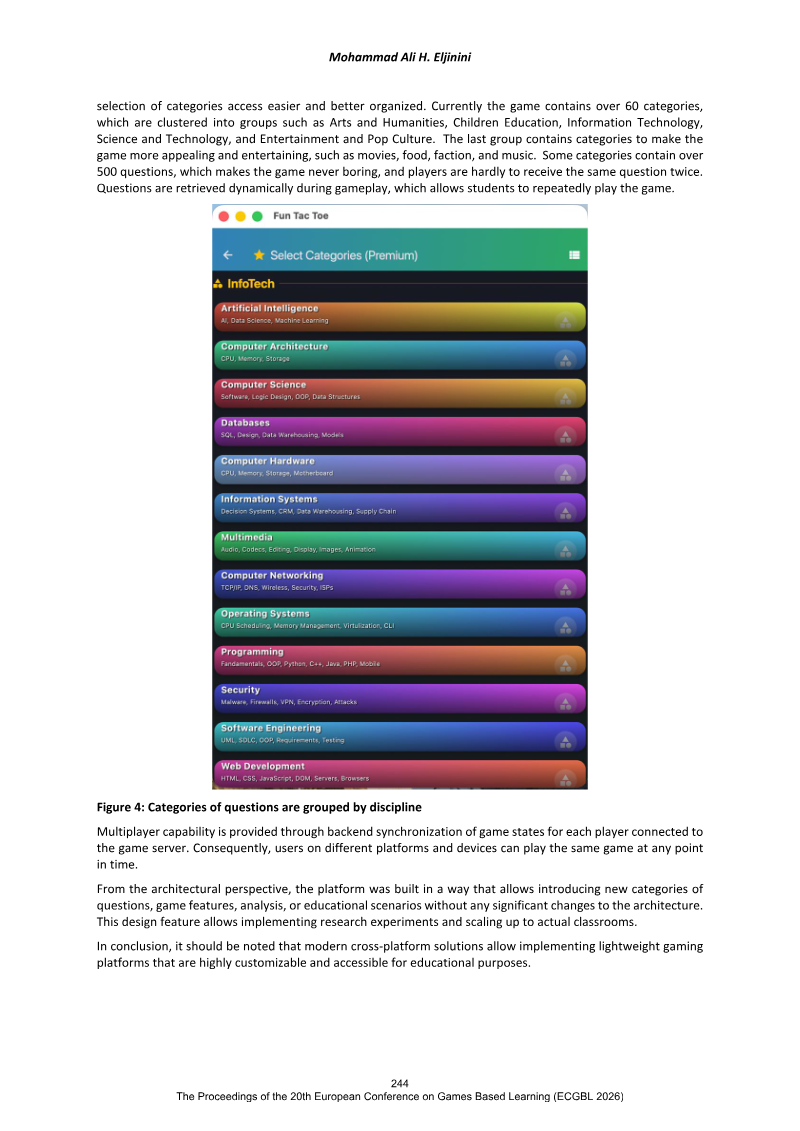
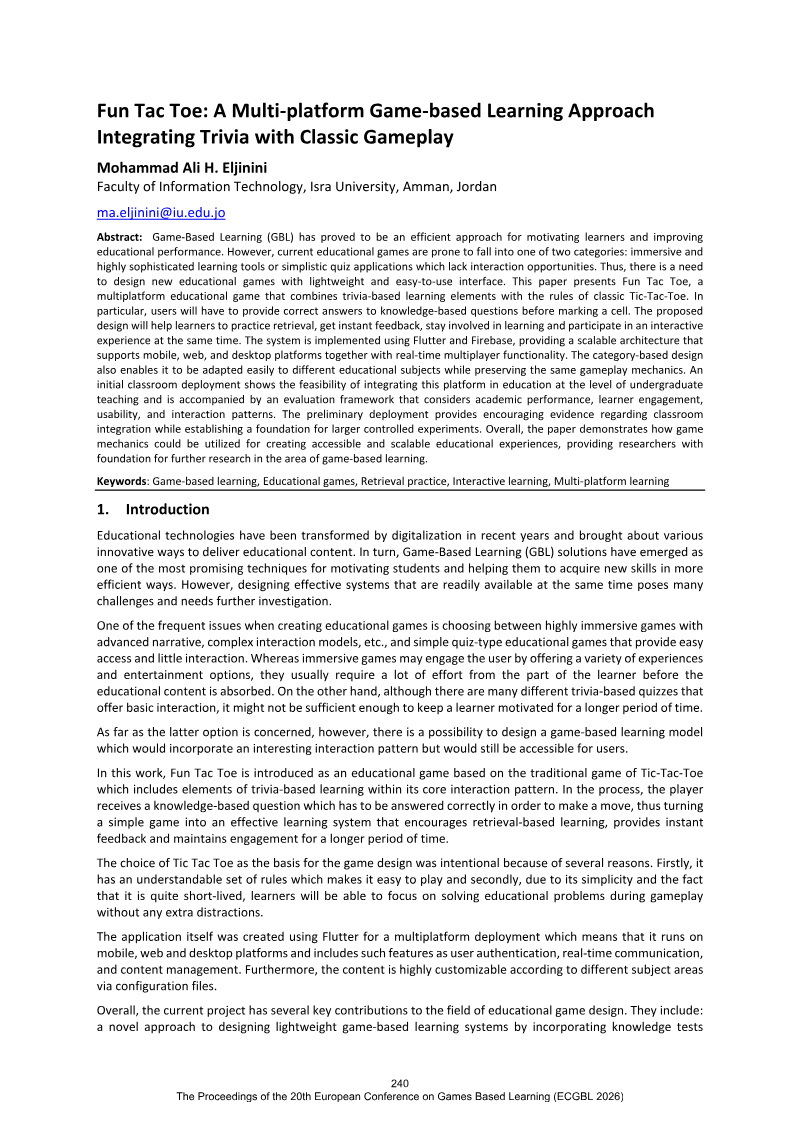
Fun Tac Toe: A Multi-Platform Game-Based Learning Approach Integrating Trivia with Classic Gameplay
European Conference on Games Based Learning (ECGBL) · 2026
Whitepaper
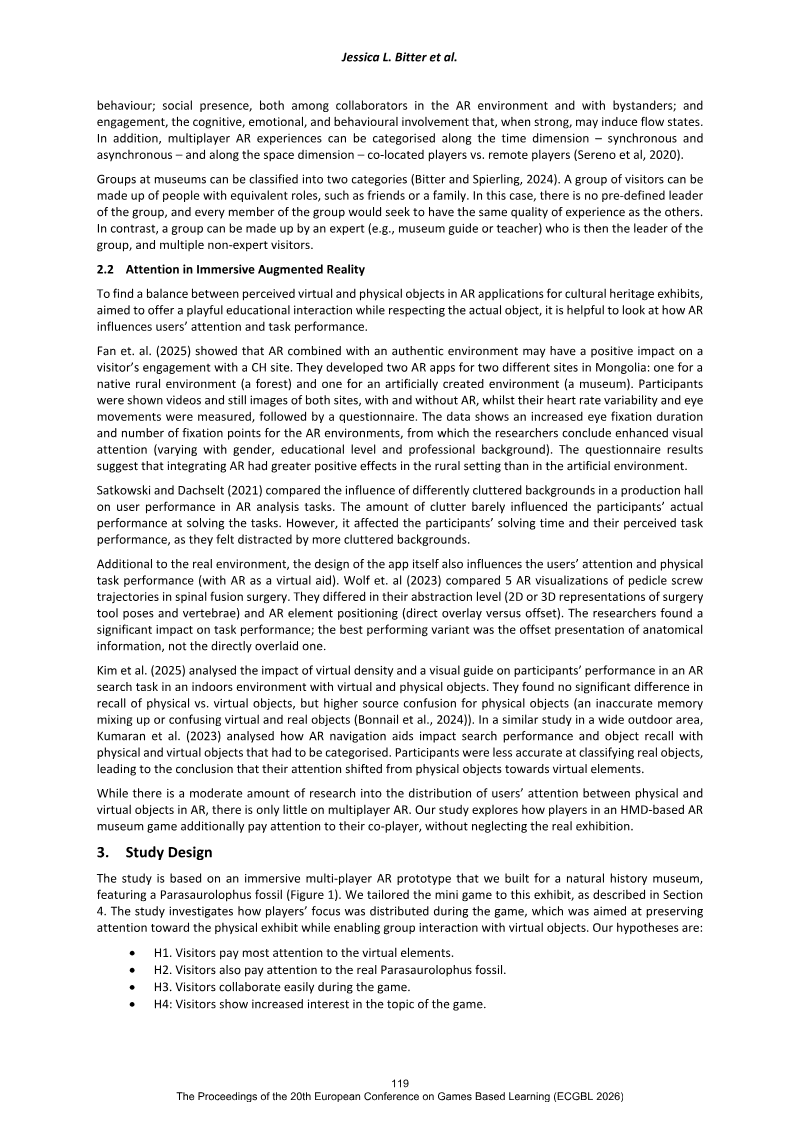
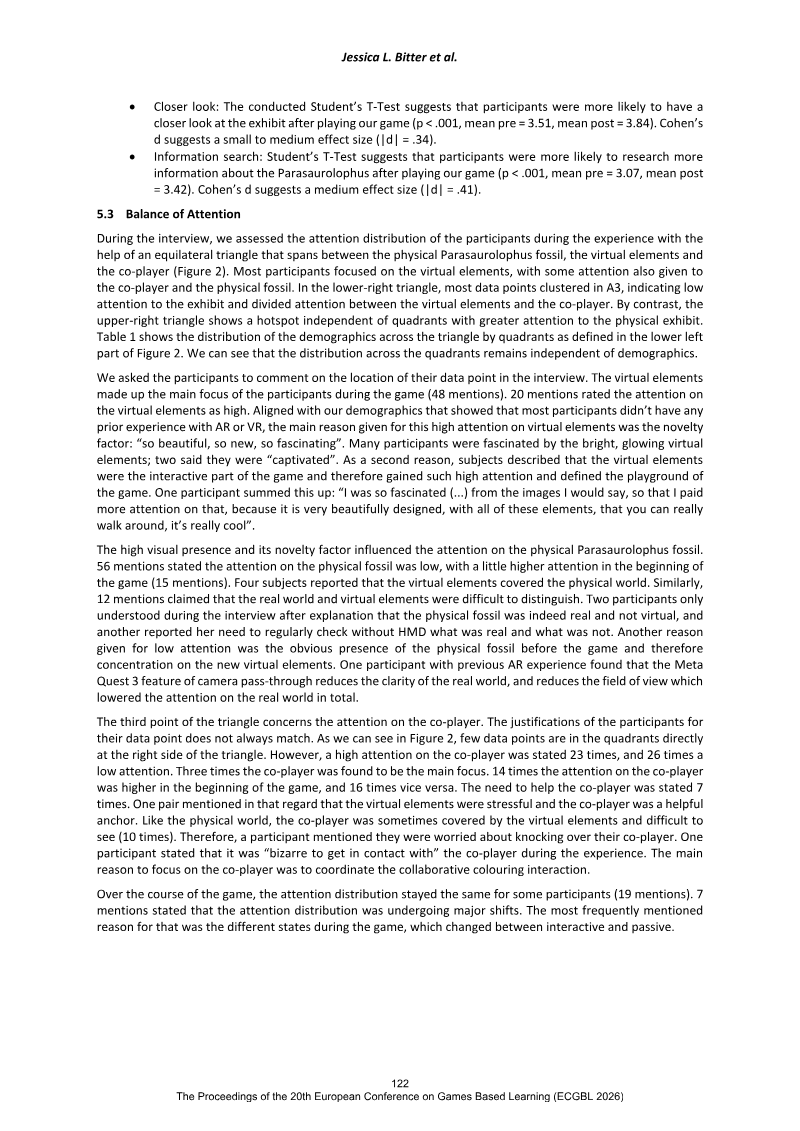
Balancing Attention in an Immersive Augmented Reality Multiplayer Game for Museum Education
European Conference on Games Based Learning (ECGBL) · 2026



Whitepaper
A Scalable, Modular Architecture Enabling Digital Teacher-Defined Mobile Escape Rooms
European Conference on Games Based Learning (ECGBL) · 2026
Whitepaper
NetGuardians: Lightweight and Interactive Serious Game for Cybersecurity Education
Universitas Internasional Batam · 2026
Whitepaper
Game Architecture in Transmedia Education (GATE): A Framework for Designing Micro-Learning Experiences
Serious Games Society · 2026
Whitepaper
Implementation of Finite State Machine in Flowchart-Based Visual Programming Game
Journal of Games, Game Art, and Gamification · 2025