1 free read left. Create a free account for unlimited reading + AI research.
Create free accountArticle European Conference on Games Based Learning (ECGBL)
1 free read left. Create a free account for unlimited reading + AI research.
Create free accountArticleEuropean Conference on Games Based Learning (ECGBL)
The study examined how university students in Sweden perceive gaming and which games they believe can support learning in history.
This study examines how university students in Sweden perceive gaming and which games they believe can support learning in history. Using educational action research at Mid Sweden University, the authors collected questionnaire responses from 35 students across five general history course groups during the 2024 spring semester, a response rate of roughly 73 percent from 48 active students. Responses were analysed through an inductive thematic analysis following a seven-stage process. The research question asked what types of games history students play and how they believe games can contribute to learning their subject.
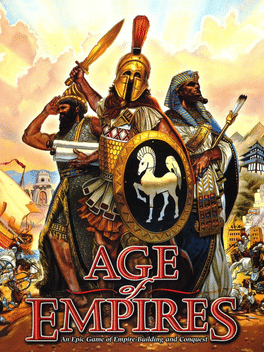
Most respondents reported playing games regularly, spanning analogue board games, digital titles, and hybrid forms. When asked which games could teach history, students overwhelmingly named computer strategy games (25 mentions), with Europa Universalis, Civilization, Crusader Kings, and Age of Empires most frequently cited. Role-playing games were the second most mentioned genre (10 mentions), led by the Assassin's Creed series, alongside board games, quizzes, and historical first-person shooters. Notably, 33 of 35 respondents believed games can teach history, and their reasoning clustered around several learning affordances: motivation and entry into the subject, acquisition of basic factual knowledge such as historical geography and chronology, insight into cause-and-effect and structural processes, and immersive, subjective experience that fosters historical empathy.
The authors conclude that the two dominant genres serve complementary educational roles, with strategy games supporting structural and explanatory analysis and role-playing games supporting interpretive, experiential understanding. Students also raised concerns about historical liberties taken by developers, though they largely accepted these provided non-historicity is made clear. The study notes limitations, including that respondents were not asked to critique specific games for biases such as Eurocentrism or gender bias, and it outlines future work in which students will evaluate course-aligned games in the autumn 2024 semester.
Each row is a game or company this document names, each column a document, oldest first. A mark means that document names it. Select a row to see those documents.



European Conference on Games Based Learning (ECGBL) · 2026



European Conference on Games Based Learning (ECGBL) · 2026
European Conference on Games Based Learning (ECGBL) · 2025