1 free read left. Create a free account for unlimited reading + AI research.
Create free accountWhitepaper European Conference on Games Based Learning (ECGBL)
1 free read left. Create a free account for unlimited reading + AI research.
Create free accountWhitepaperEuropean Conference on Games Based Learning (ECGBL)
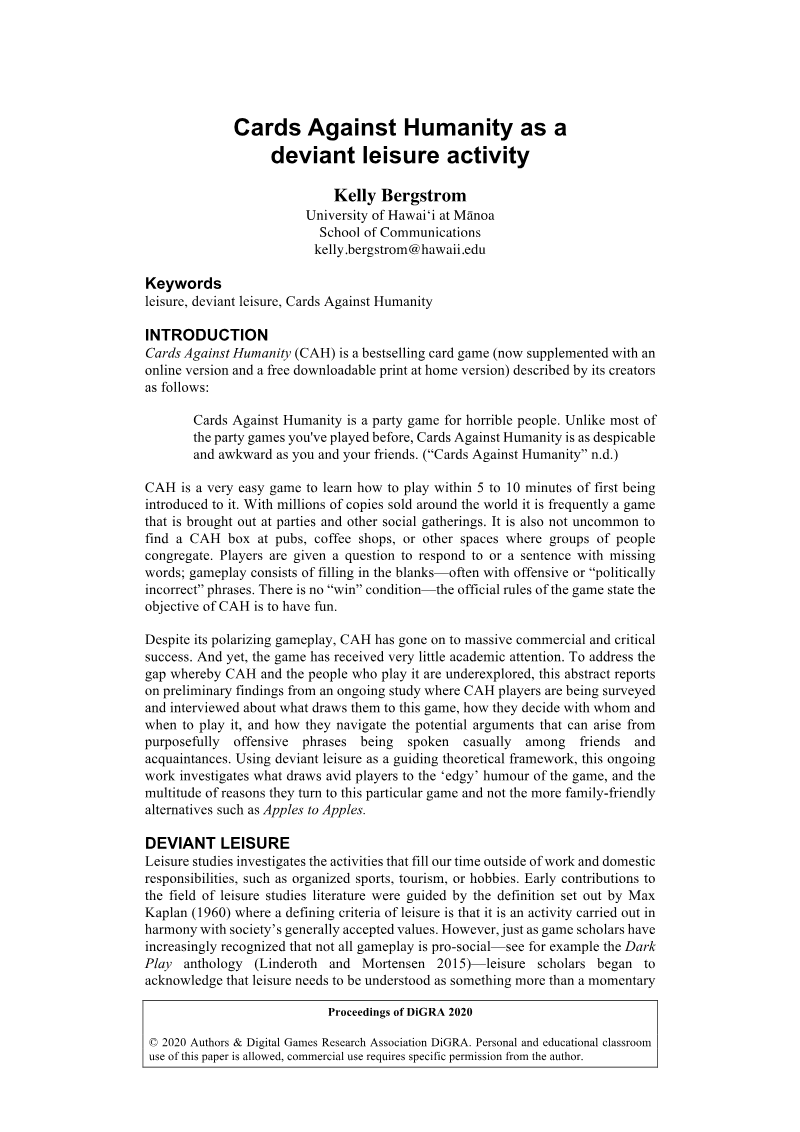
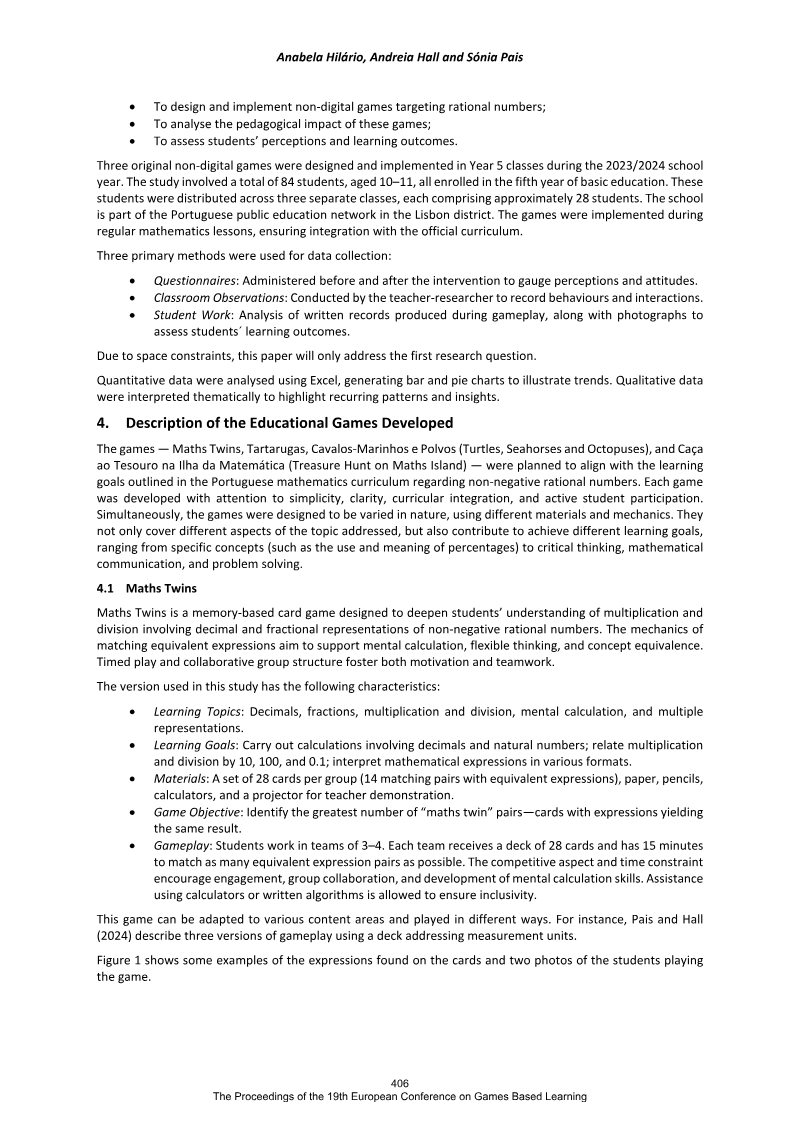
High school multimedia students encountered Hanabi, Magic Maze, Team3, The Mind, and Rail Pass for the first time. The games were chosen for low complexity and short playtimes.
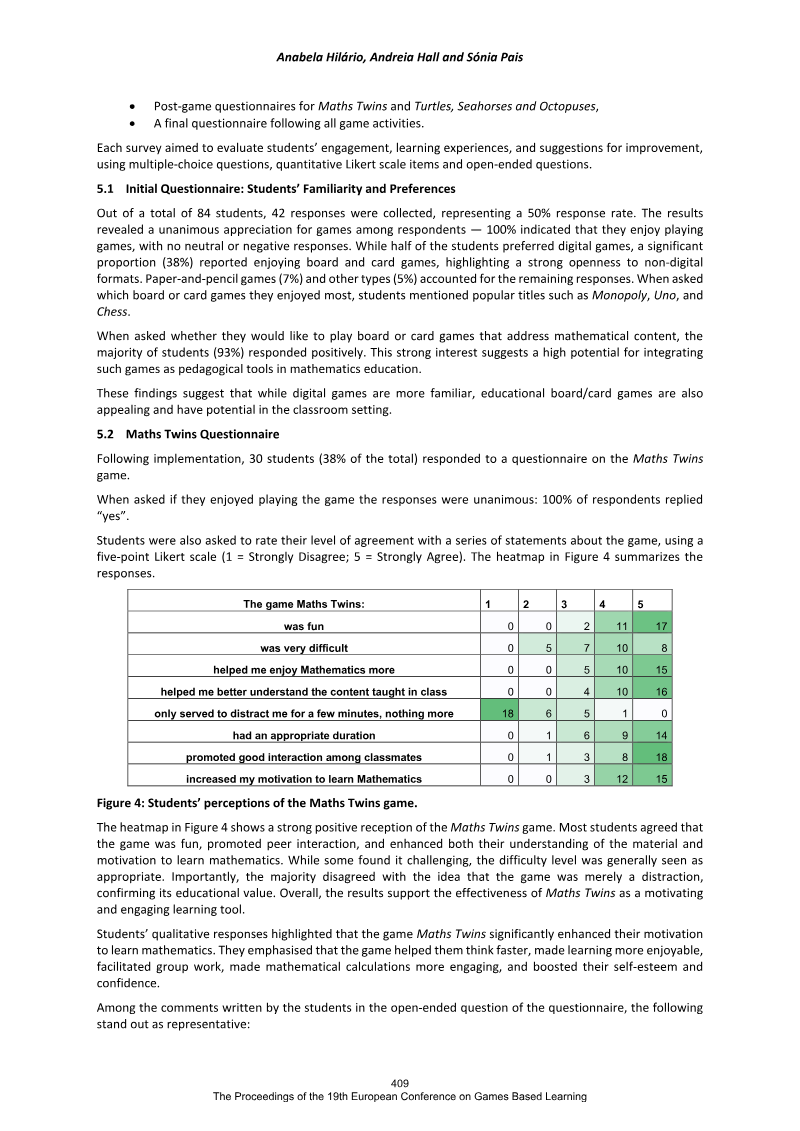
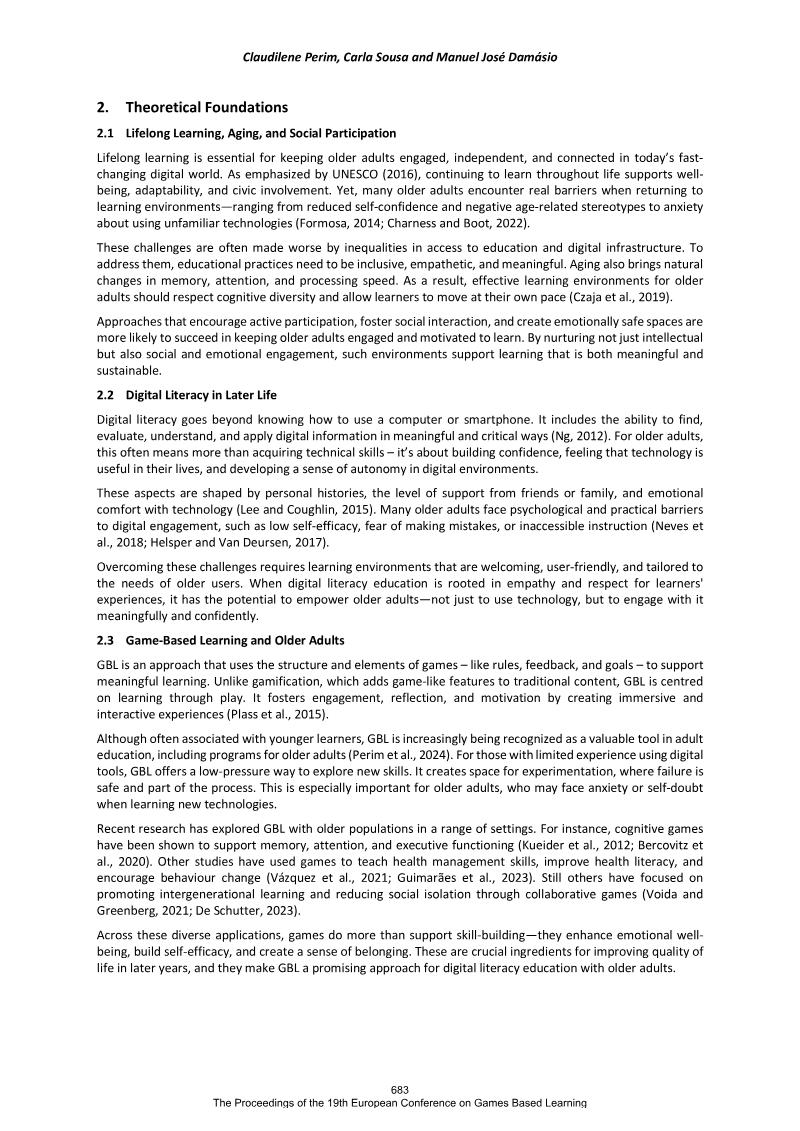
This study examines how high school students perceive learning and enjoyment when playing cooperative modern board games, with the central argument that such games can serve as engaging instruments for developing collaboration and related soft skills in classroom and training settings. The research focuses on multimedia students who encountered five cooperative titles, Hanabi, Magic Maze, Team3, The Mind, and Rail Pass, for the first time, with games chosen for their low complexity and short playtimes to suit a学校 environment.
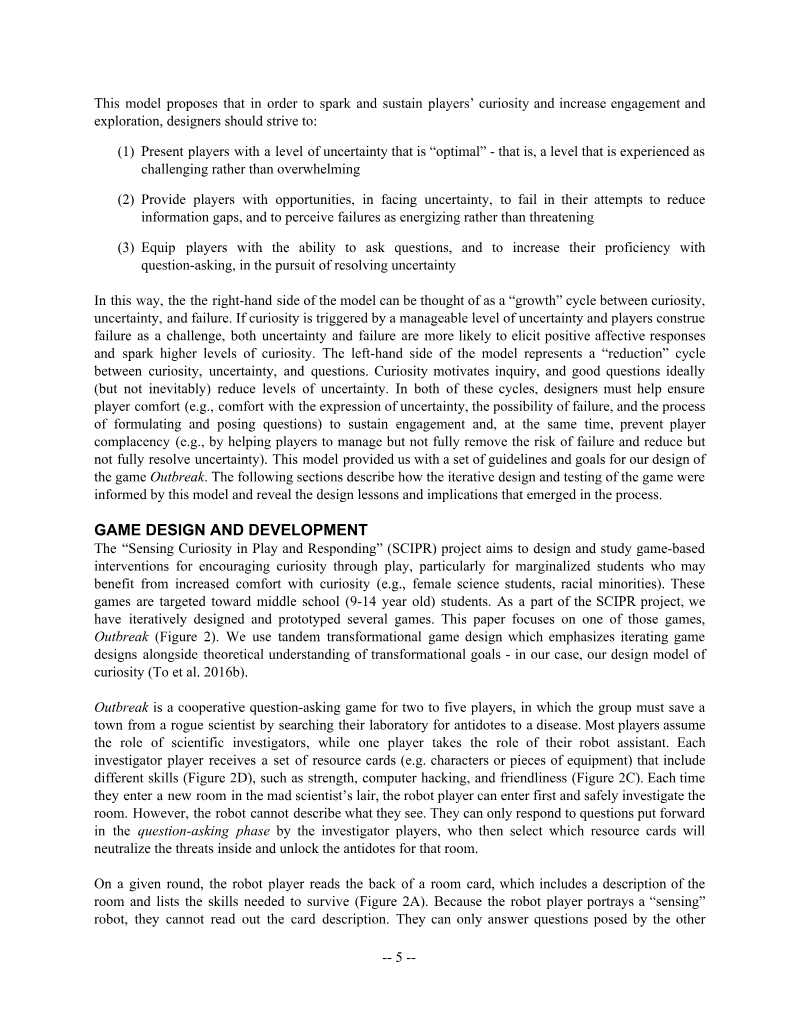
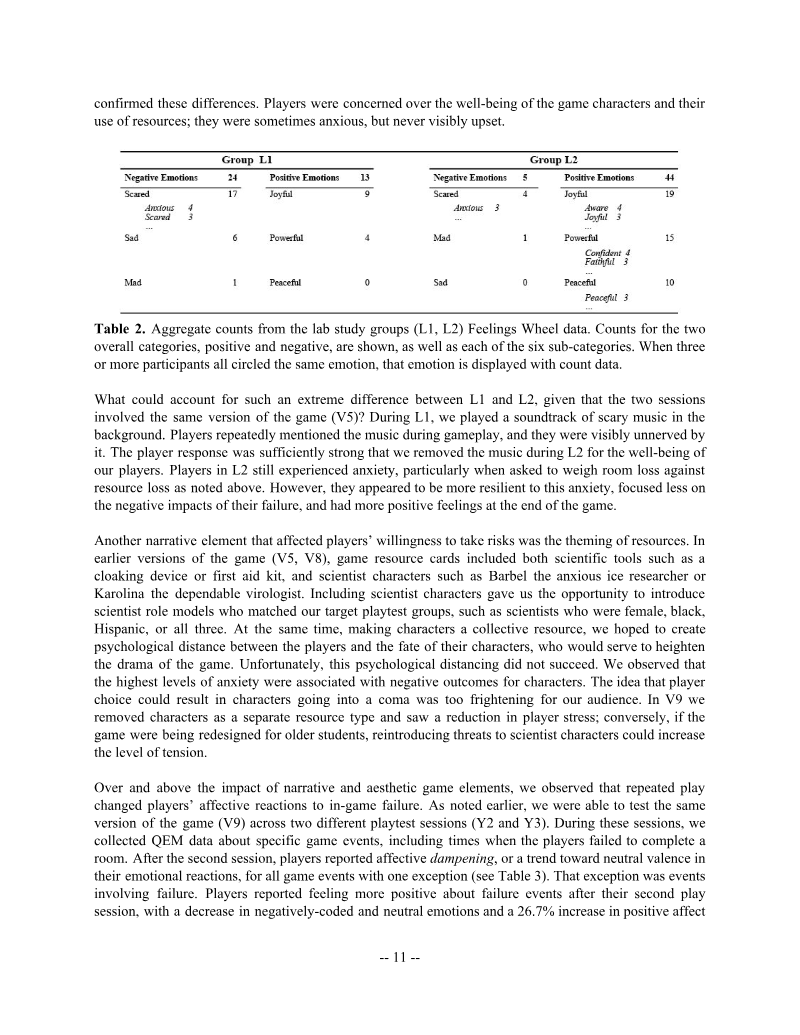
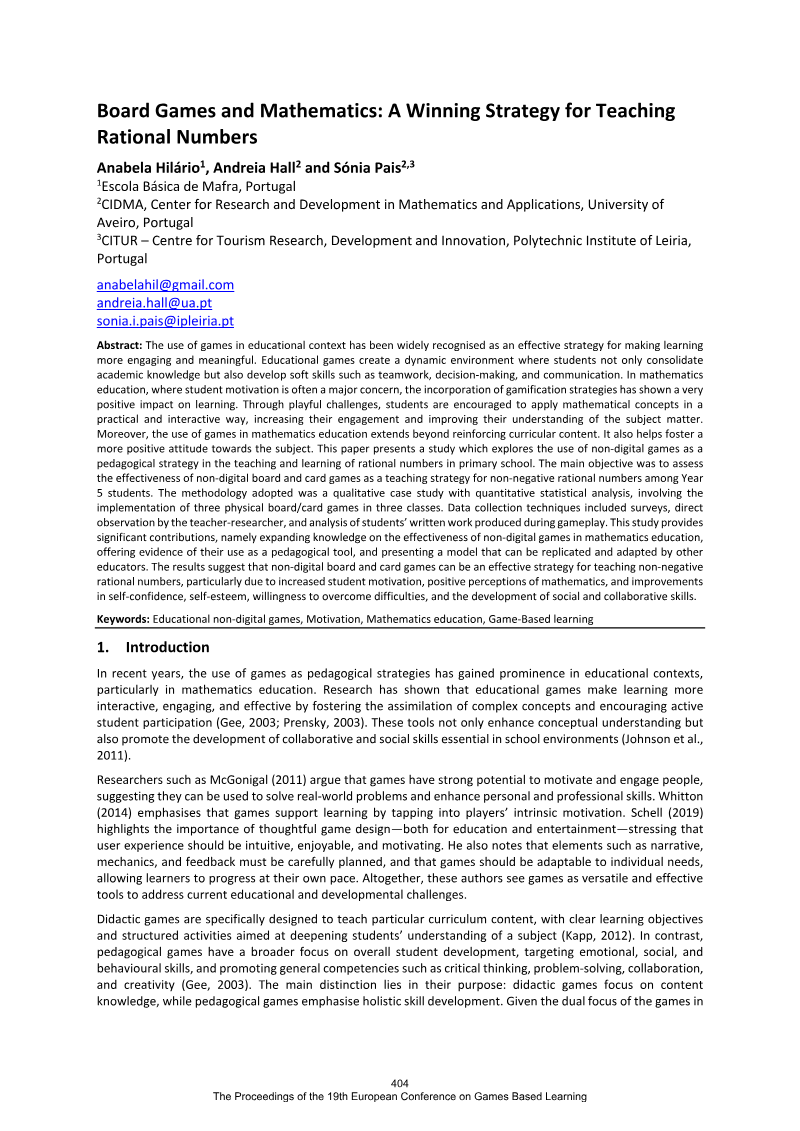
Across an initial group of 25 students and a larger dataset of 113 player participations spanning 23 sessions, fun and collaboration emerged as the most highly rated experiences. Collaboration correlated positively with communication and enjoyment and negatively with frustration, suggesting that cooperative play can reduce interpersonal friction while sustaining engagement. Facilitator observations clustered around game design, game experience, and player agency, with Team3 and Hanabi identified as the most impactful titles. Notably, introducing communication restrictions, such as allowing cheating under constrained conditions, added humor and deepened participation.
The authors translate these findings into a proposed framework for selecting and deploying cooperative games in educational contexts, emphasizing shared goals, explicit communication rules, and deliberate tension between individual and collective objectives. The study concludes that cooperative games show significant promise for enhancing soft skills, while acknowledging that long-term effects and real-world transfer remain unverified. Recommended next steps include longitudinal research with larger and more diverse samples, as well as institutional integration through facilitated school board game clubs, particularly within library settings.
European Conference on Games Based Learning (ECGBL) · 2025
European Conference on Games Based Learning (ECGBL) · 2025
European Conference on Games Based Learning (ECGBL) · 2025
European Conference on Games Based Learning (ECGBL) · 2025
European Conference on Games Based Learning (ECGBL) · 2025
European Conference on Games Based Learning (ECGBL) · 2025
European Conference on Games Based Learning (ECGBL) · 2025
European Conference on Games Based Learning (ECGBL) · 2025
European Conference on Games Based Learning (ECGBL) · 2025
European Conference on Games Based Learning (ECGBL) · 2025
European Conference on Games Based Learning (ECGBL) · 2025
European Conference on Games Based Learning (ECGBL) · 2025
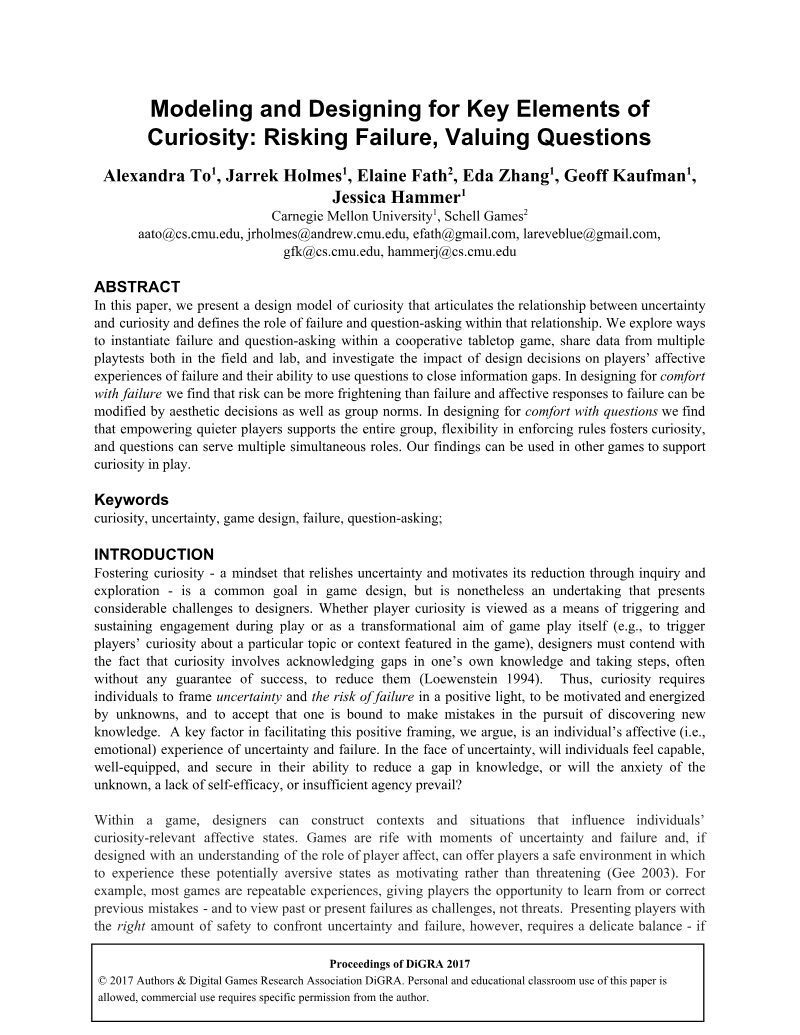
DiGRA · 2017