1 free read left. Create a free account for unlimited reading + AI research.
Create free accountWhitepaper European Conference on Games Based Learning (ECGBL)
1 free read left. Create a free account for unlimited reading + AI research.
Create free accountWhitepaperEuropean Conference on Games Based Learning (ECGBL)
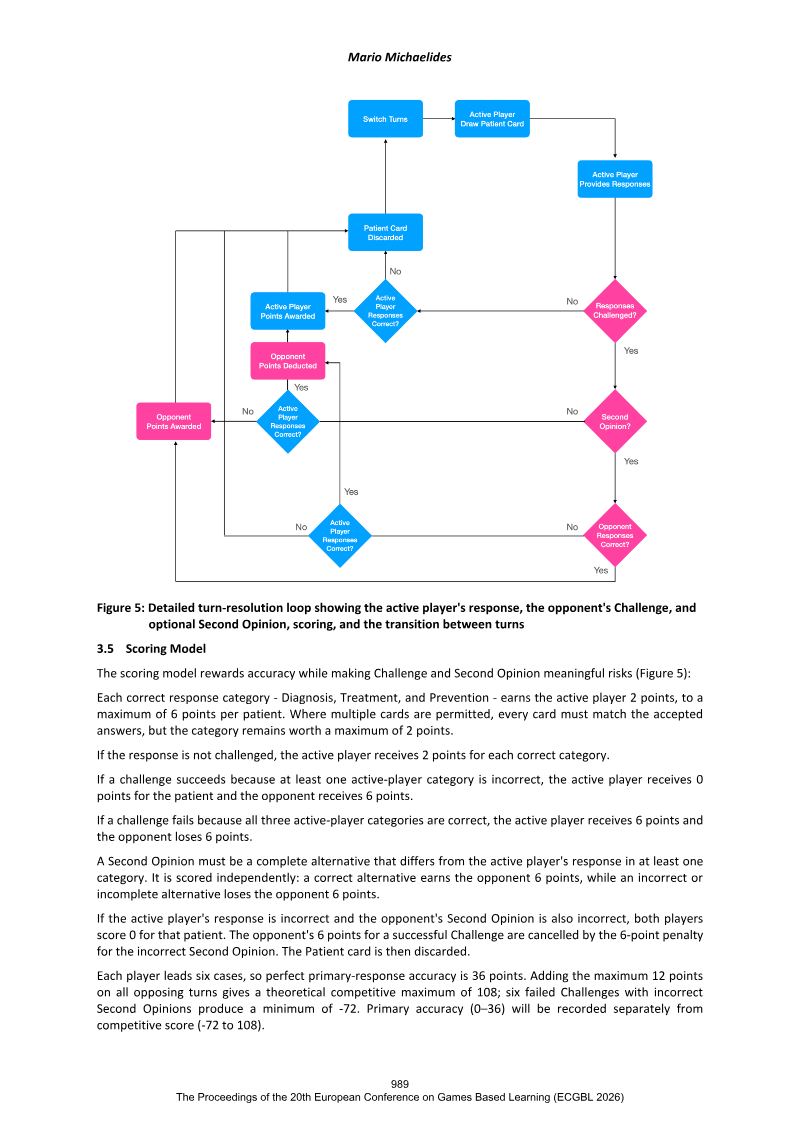
Students balance demand across 24 sequential missions. The game uses hourly renewable generation data from Portugal's REN Data Hub.
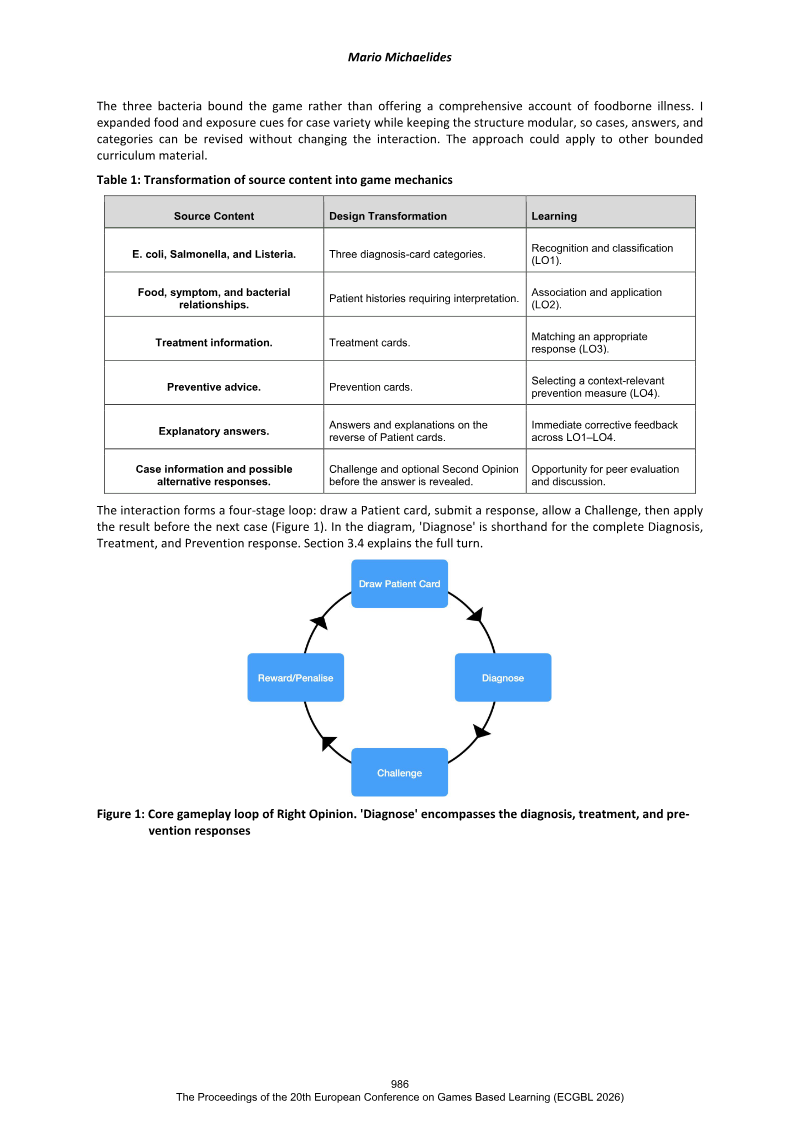
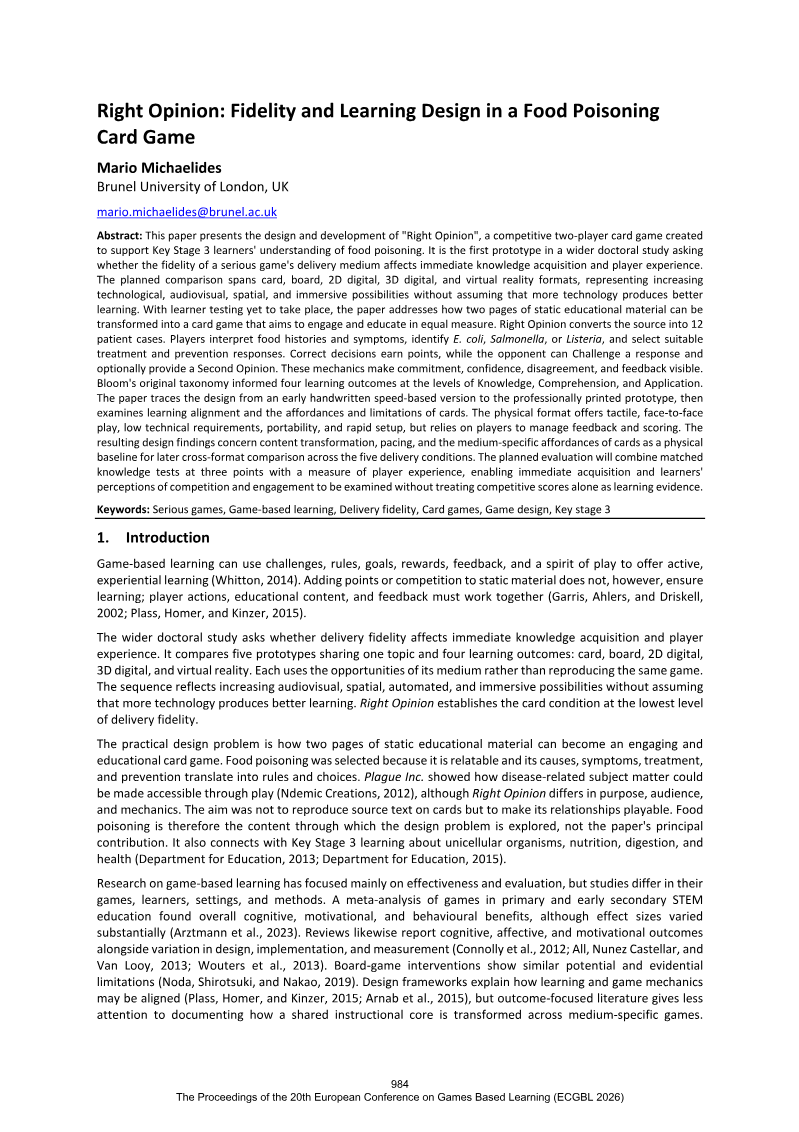
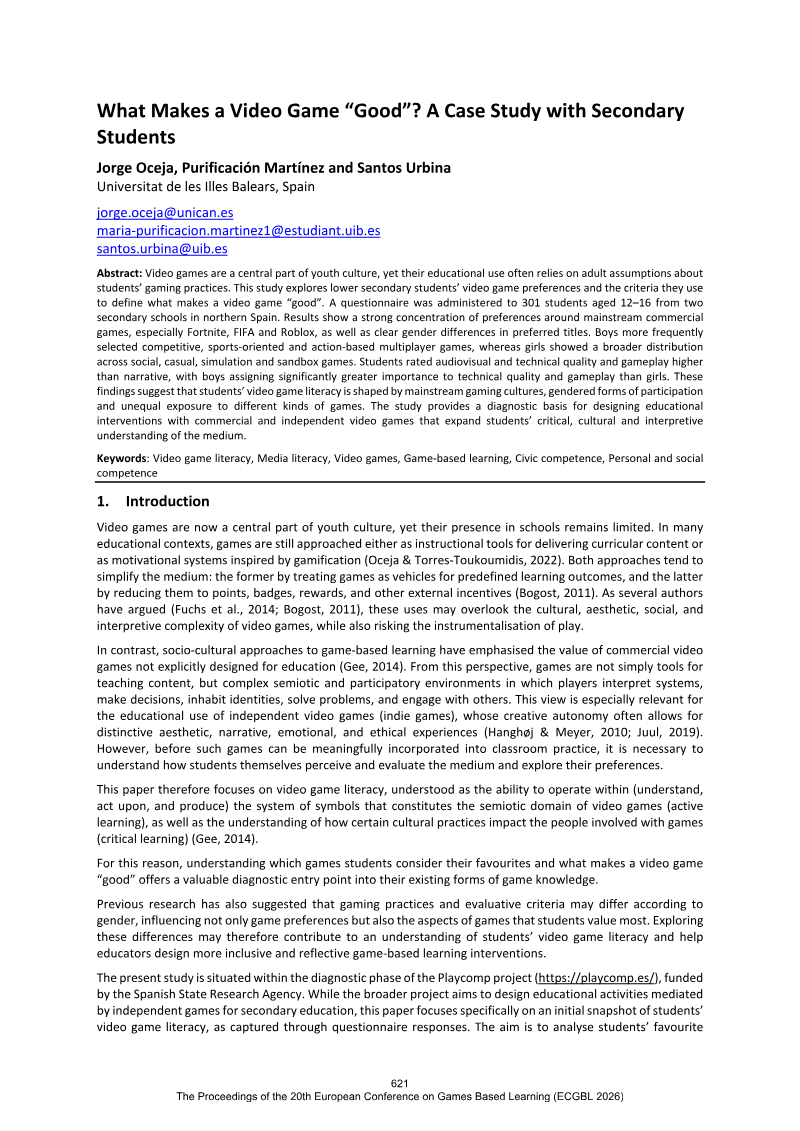
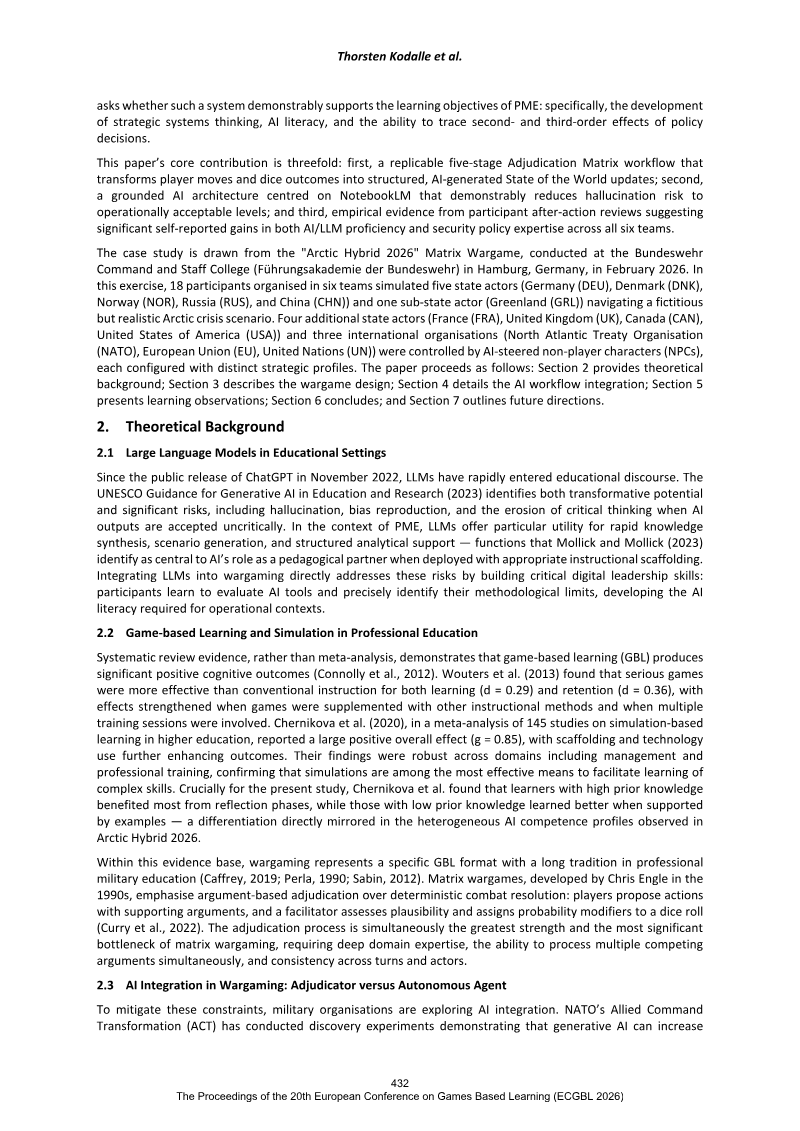
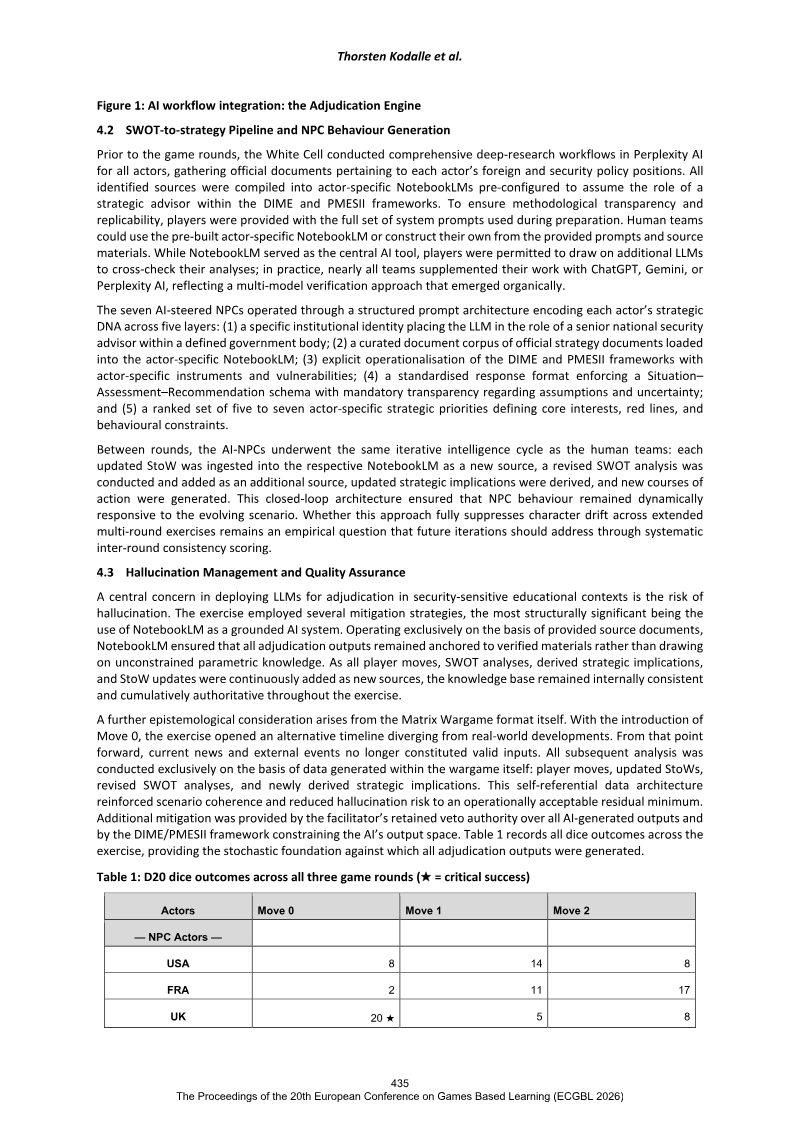
"Primary Energy" is a Unity-based serious game designed to build energy literacy among secondary students by having them manage a 24-hour electricity system using authentic hourly renewable generation data from Portugal's REN Data Hub. Across 24 sequential missions, players must balance electricity demand against emissions, land-use, and storage constraints. The paper positions the game within a Design-Based Research framework, asking how real renewable variability can be integrated into play, whether the design promotes systems-oriented reasoning, and what usability insights emerge from early classroom use.
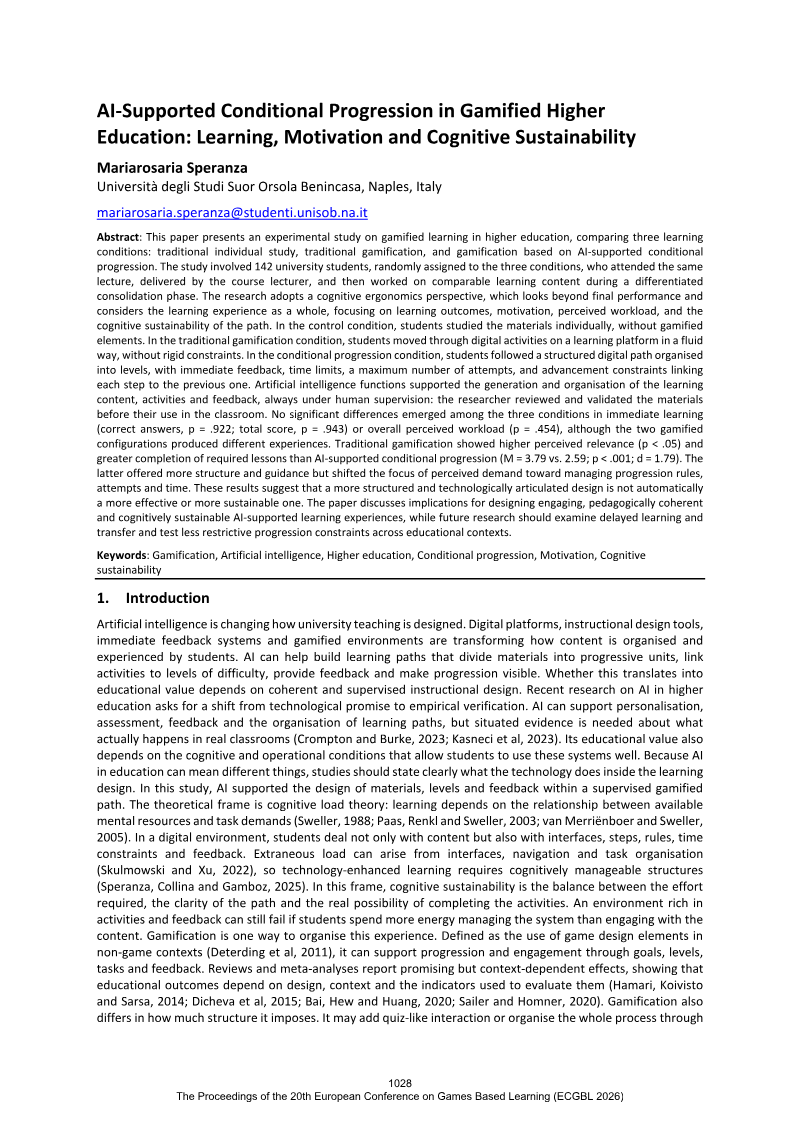
The first DBR cycle tested the game with 31 students aged 12 to 18. The study is explicitly exploratory and formative, and it does not measure learning gains. Observations and questionnaires indicated that roughly 80 percent of participants enjoyed the game, that students adapted their strategies in response to renewable variability, and that they reasoned about environmental trade-offs during play. Usability issues, particularly around drag-and-drop interaction and visual feedback, were identified as priorities for refinement. Broader PAFSE data showed rising Mathematics and Science interest in the intervention group, for example Mathematics rising from 3.364 to 3.515 while the control group declined, but the authors state clearly that these changes cannot be attributed to the game.
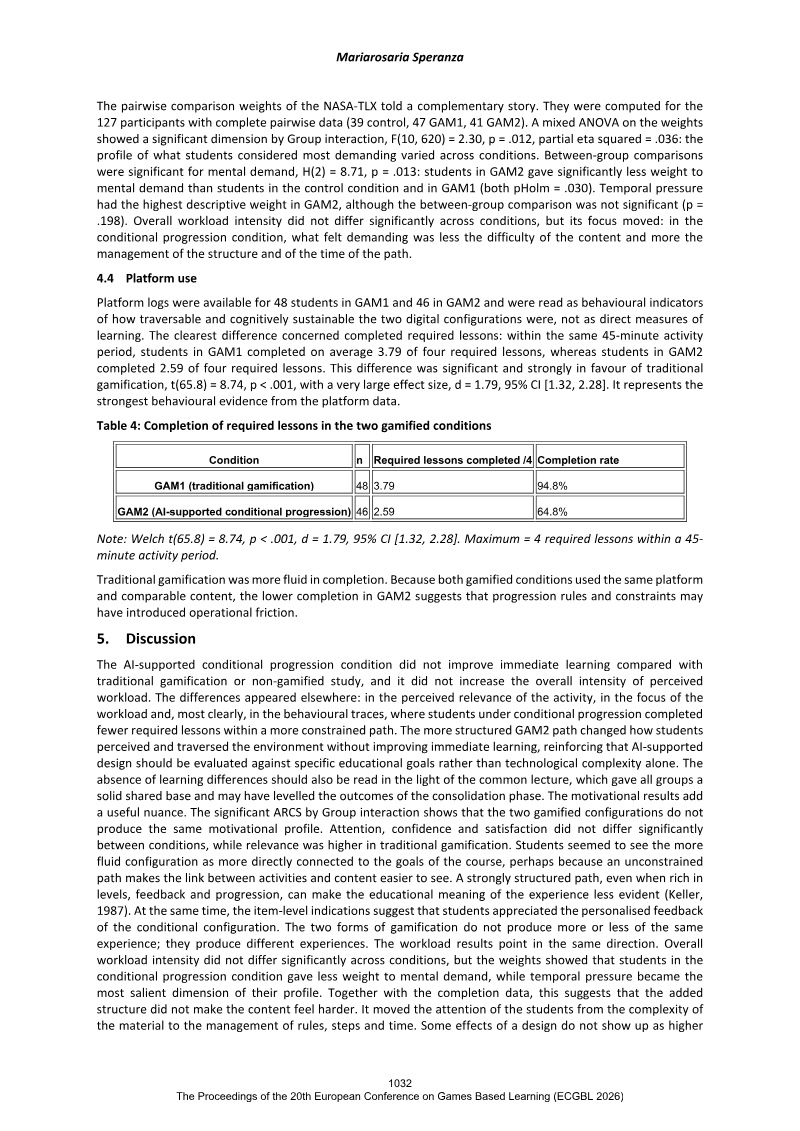
The theoretical foundation draws on energy literacy measurement, systems-thinking pedagogy, serious game research, and cognitive load theory. The scope is a single Portuguese context, a small preliminary classroom sample, and a short intervention window, which together limit generalizability. The evidence supports the feasibility and engagement potential of the design, while claims about educational effectiveness remain for future controlled evaluation.
Each row is a game or company this document names, each column a document, oldest first. A mark means that document names it. Select a row to see those documents.



European Conference on Games Based Learning (ECGBL) · 2026



European Conference on Games Based Learning (ECGBL) · 2026



European Conference on Games Based Learning (ECGBL) · 2026



European Conference on Games Based Learning (ECGBL) · 2026



European Conference on Games Based Learning (ECGBL) · 2026



European Conference on Games Based Learning (ECGBL) · 2026



European Conference on Games Based Learning (ECGBL) · 2026



European Conference on Games Based Learning (ECGBL) · 2026



European Conference on Games Based Learning (ECGBL) · 2026



European Conference on Games Based Learning (ECGBL) · 2026



European Conference on Games Based Learning (ECGBL) · 2026
European Conference on Games Based Learning (ECGBL) · 2026



European Conference on Games Based Learning (ECGBL) · 2026
European Conference on Games Based Learning (ECGBL) · 2026
European Conference on Games Based Learning (ECGBL) · 2026